pipeline
pipeline at Beyond Market Intelligence is a file of 26 stories. The newest of them: “How One Developer Built a Smart Pipeline to Outsmart a Tricky Job Market”, “Explore how EpochGo brings local-first AutoML to your data with privacy and control”, and “Explore how LLMs fit into recommender systems with Kim Falk's new guide”. The job market lied to a developer, so he built a pipeline to catch it in the act. EpochGo separates the reasoning layer from the execution layer, and that distinction is the key insight here. Acme AI is the next-generation, AI-powered spreadsheet platform built to replace Excel and redefine how analysts, data scientists, and enterprise teams work… The list below is every pipeline story on Beyond Market Intelligence, newest first.
How One Developer Built a Smart Pipeline to Outsmart a Tricky Job Market
The job market lied to a developer, so he built a pipeline to catch it in the act. Using dbt snapshots, he tracked how an API quietly changed its own data, revealing a silent inconsistency that would have stayed hidden. It is a smart, human response to a frustrating problem. This kind of practical, incremental engineering feels more useful than hype. For another take on AI in the real world, see how synthetic datasets train smarter AI for card detection.

Explore how EpochGo brings local-first AutoML to your data with privacy and control
EpochGo separates the reasoning layer from the execution layer, and that distinction is the key insight here. By letting a local LLM inspect schema metadata while deterministic Scikit-Learn pipelines handle all actual data transformations, the system sidesteps both cloud API costs and LLM hallucinations in mathematical reasoning. It runs entirely offline on consumer hardware. For deeper context on keeping LLM outputs grounded, our piece on JEV as a continuous filter explores similar thinking.

Explore how LLMs fit into recommender systems with Kim Falk's new guide
Adding an LLM to a recommender system sounds promising until you ask whether the complexity is actually justified. Kim Falk's new guide treats recommendation as a full pipeline, not a single trick, examining where LLMs earn their place in candidate generation, reranking, and signal extraction. The real question isn't whether the system works. It's whether the improvement justifies the cost. For deeper context on the operational challenges, our related article "Taming AI's Real-World Demands: Agents, Evals, and Rising Token Costs" explores similar trade-offs in production.

Why Voice AI Still Misses the Context That Matters Most
Voice AI often misses the context that matters most, and the entire pipeline breaks. That's not a small bug, it's a fundamental gap in how these systems understand intent. When the context layer fails, everything downstream becomes noise. Fixing this requires rethinking how we capture meaning, not just adding more data. For a deeper look at building resilient data pipelines, our piece on mastering message ordering at scale with Kafka and Go offers a practical counterpoint to these context challenges.
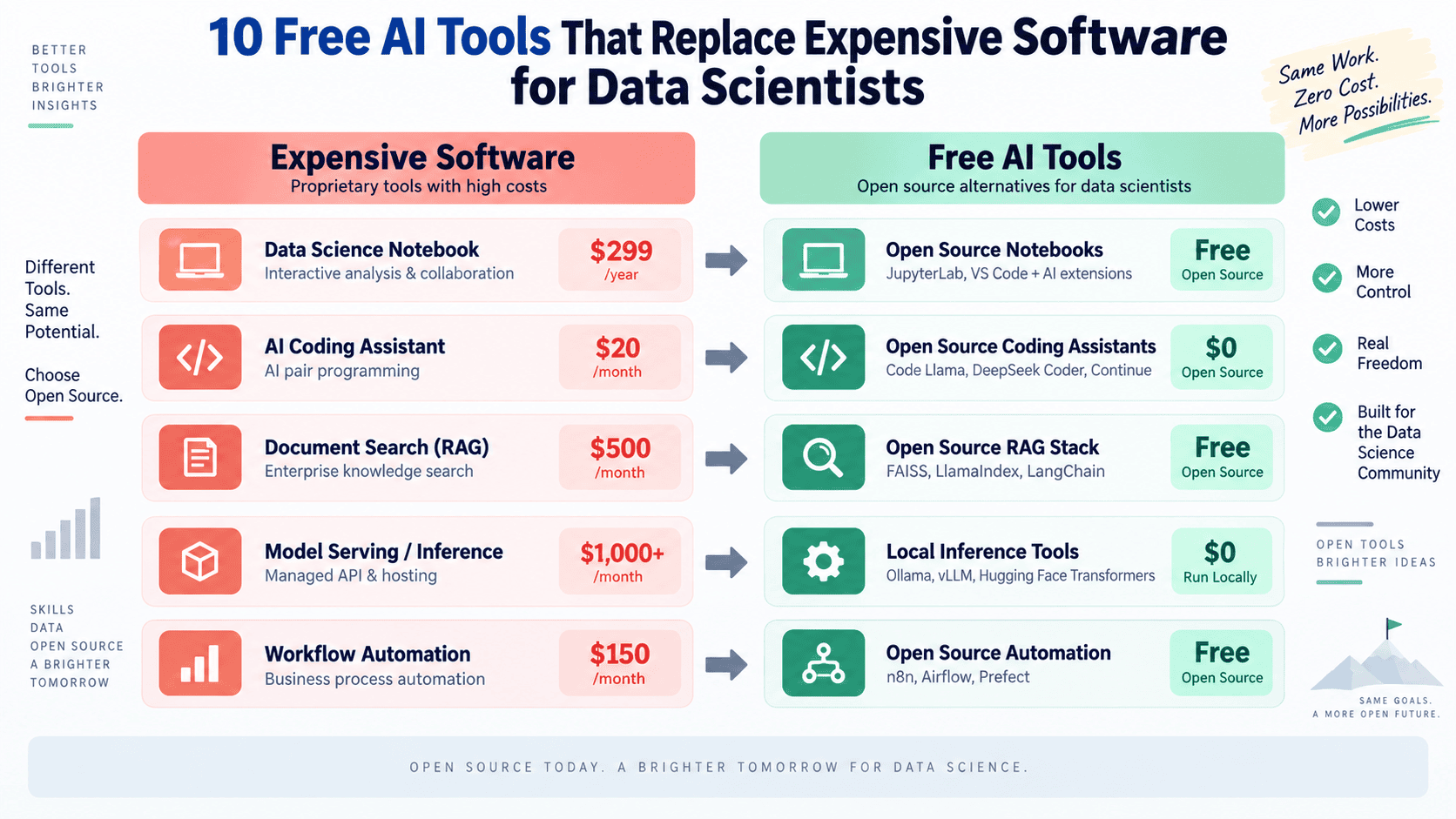
Build a complete data science stack for free with these open-source AI tools
Building a production-grade data science stack doesn't have to strain your budget. Open-source AI tools now match, and sometimes exceed, the capabilities of their paid counterparts, giving you a complete toolkit for free. This is about empowerment, not compromise. If you've been exploring how smarter workflows can transform your practice, our piece on semi-supervised learning as an underrated path offers a fitting next step.

Mastering Message Ordering at Scale With Kafka and Go
Strict message ordering across thousands of independent channels is a hard problem, and Apache Kafka's partition model alone doesn't solve it. Joshua Oluikpe's custom implementation tackles this head-on with application-level routing, consistent hashing, and contiguous watermark commits. This is practical engineering backed by serious performance testing. For teams wrestling with similar architectural decisions, our piece on model routing as a design choice offers another angle on building reliable, cost-effective distributed systems.
Smarter reasoning with fewer tokens, trained on a single GPU
Training a model to reason smarter with fewer tokens, that's the kind of practical progress we like to see. The developer behind this Qwen3-4B project cut reasoning tokens by 44% while preserving knowledge and output style, all on a single GPU. That's not just efficient; it's a direct challenge to the assumption that better reasoning requires bigger compute. If you're curious how AI agents handled a different kind of optimization, our article "300K lines refactored for $4,000" explores that trade-off in a C codebase.

Bridging Retrieval and Action: A New Approach to AI Tasks
RAG retrieves. Agents act. The gap between them is where real work happens, and one builder decided to close it by hand. They connected both systems explicitly, then ran the same nine tasks through all three approaches. The result is a clear look at what each setup can and cannot do. It is a practical experiment, not a theory. If you are weighing how much autonomy to hand your AI, this is a useful starting point.
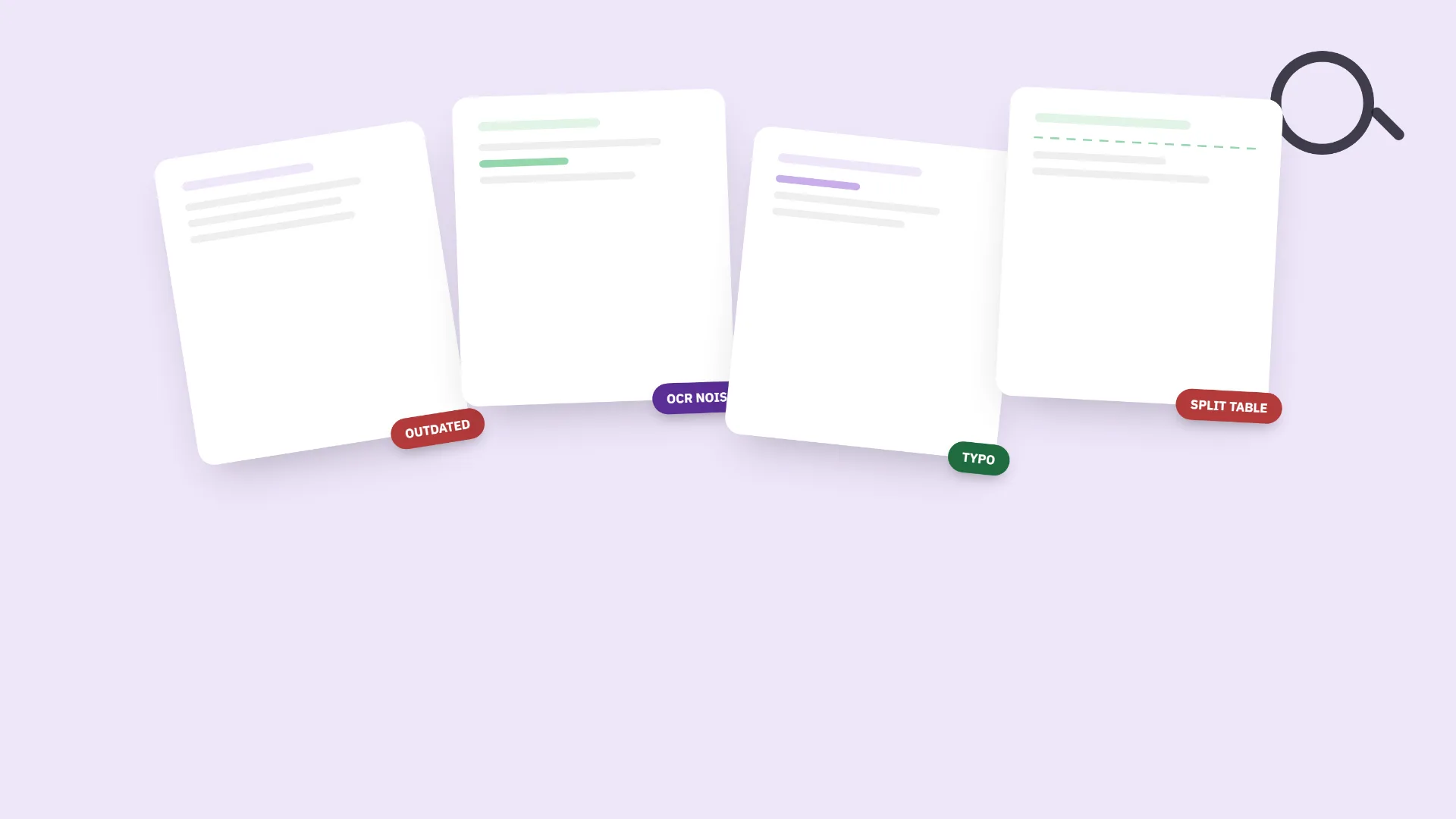
Uncover Retrieval Weaknesses: Test Your RAG Pipeline Now
Your evaluation set has a blind spot, and it's costing you. A small adversarial test set can expose retrieval failures your standard checks never touch, revealing exactly where your RAG pipeline stumbles under real-world pressure. This approach isn't about adding more data; it's about testing smarter. We think that's a practical, necessary step for anyone serious about reliability. For a deeper dive into how these systems hold up, our guide, "Verify Your AI's Understanding: A Simple Check for Tax Season," offers a useful parallel.
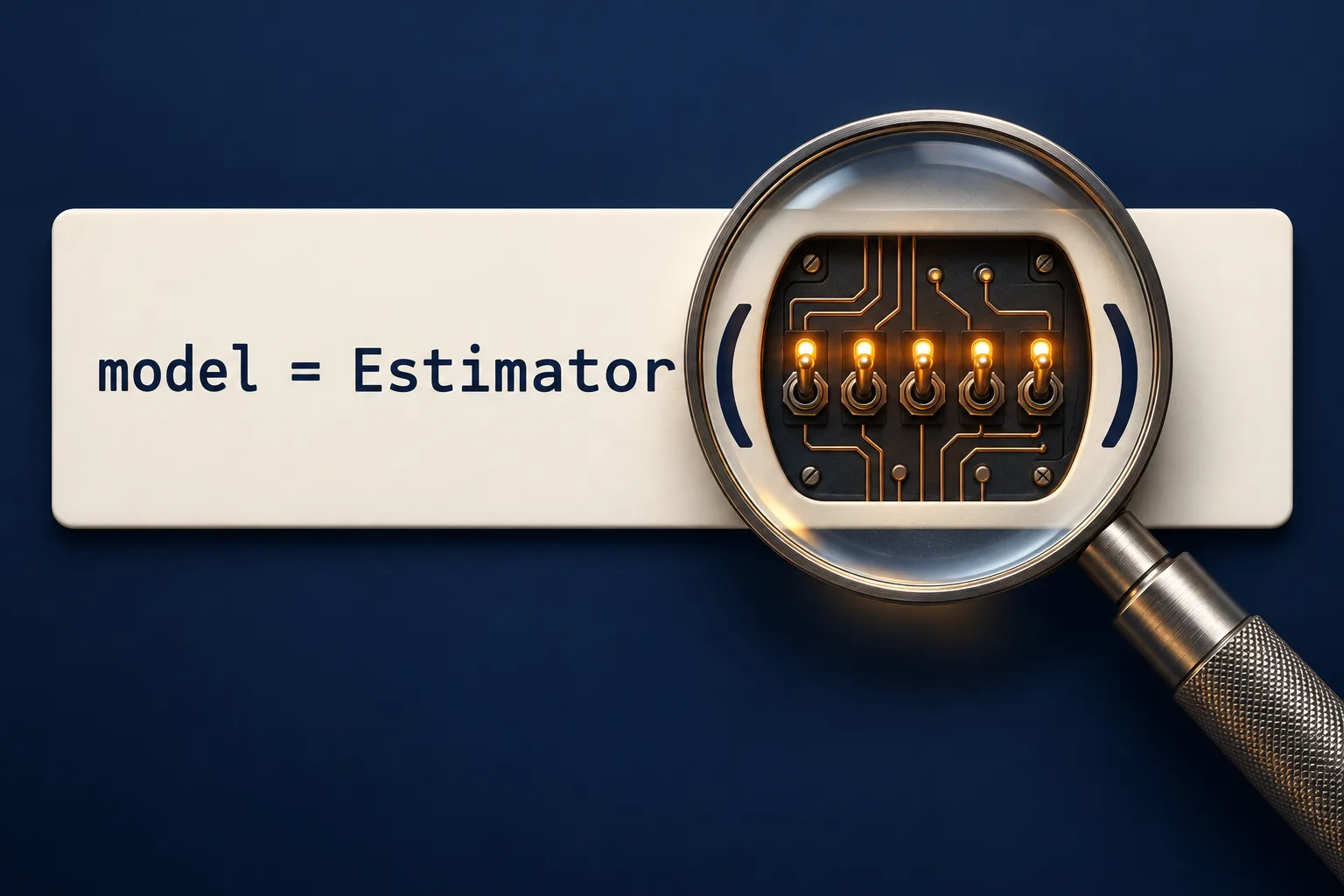
When AI Writes the Code, Do You Trust the Defaults?
AI assistants are remarkably good at writing code, but they don't always question the assumptions baked into the libraries they use. That gap is where subtle errors hide. This piece examines five scikit-learn defaults that deserve a second look before you ship. It's a practical, grounded reminder that trusting the tool isn't the same as understanding it. If you're building for production, this is worth your attention. For broader context on model deployment challenges, our related piece on real-world computer vision offers useful perspective.

LinkedIn's AI Job Search: Smarter Ranking from a Compact Model
LinkedIn's latest work on AI job search hinges on a clever trade: compress big model knowledge into a compact 0.6B-parameter ranker using multi-teacher distillation. The result is a ranking system that trains eight times faster without sacrificing the nuance users need. That's practical innovation, not hype. It also signals where model efficiency is heading, a theme we explore further in our guide to distributed training algorithms. For now, this is a smart reminder that smaller, faster systems often deliver the most meaningful productivity gains.
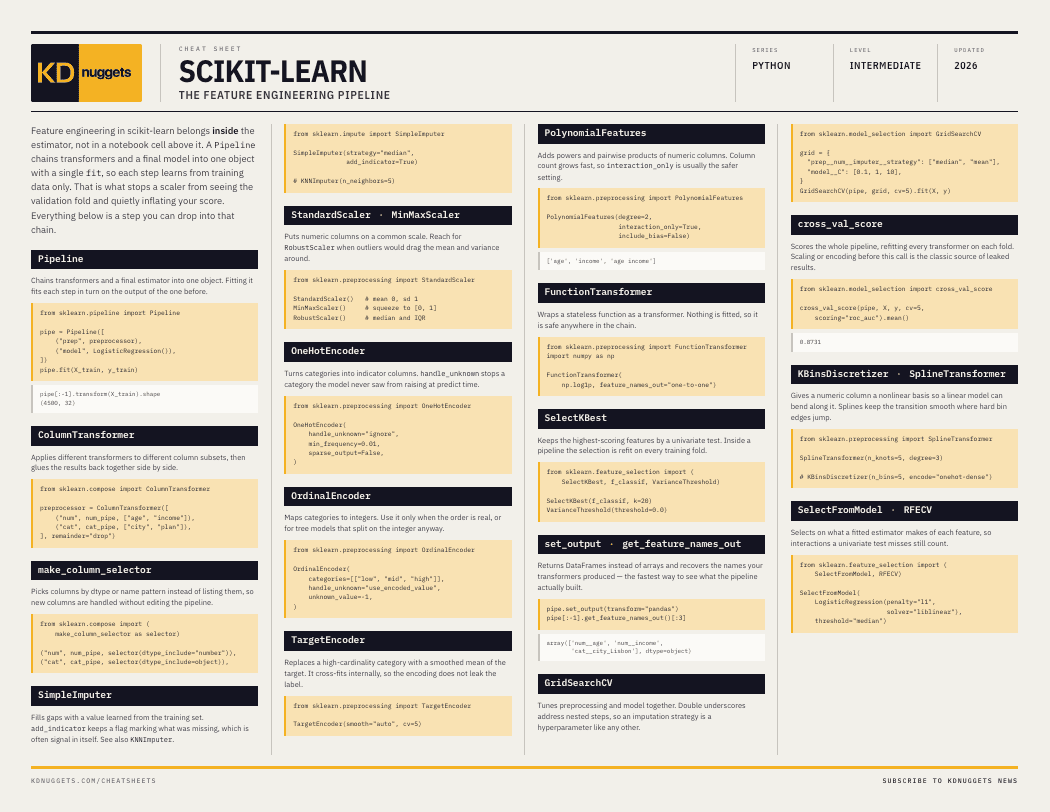
Master Your Feature Engineering Pipeline with This Practical Guide
Feature engineering often breaks down when steps leak information from the test set. That is why this new KDnuggets cheat sheet centers on a simple truth: once feature engineering lives inside a Pipeline, each step is fitted on training data only, and the model is scored on what it actually earned. It is practical, direct, and refreshingly grounded. For a deeper look at how structure shapes machine learning, our guide to paragraph structure in LLMs offers a useful parallel.
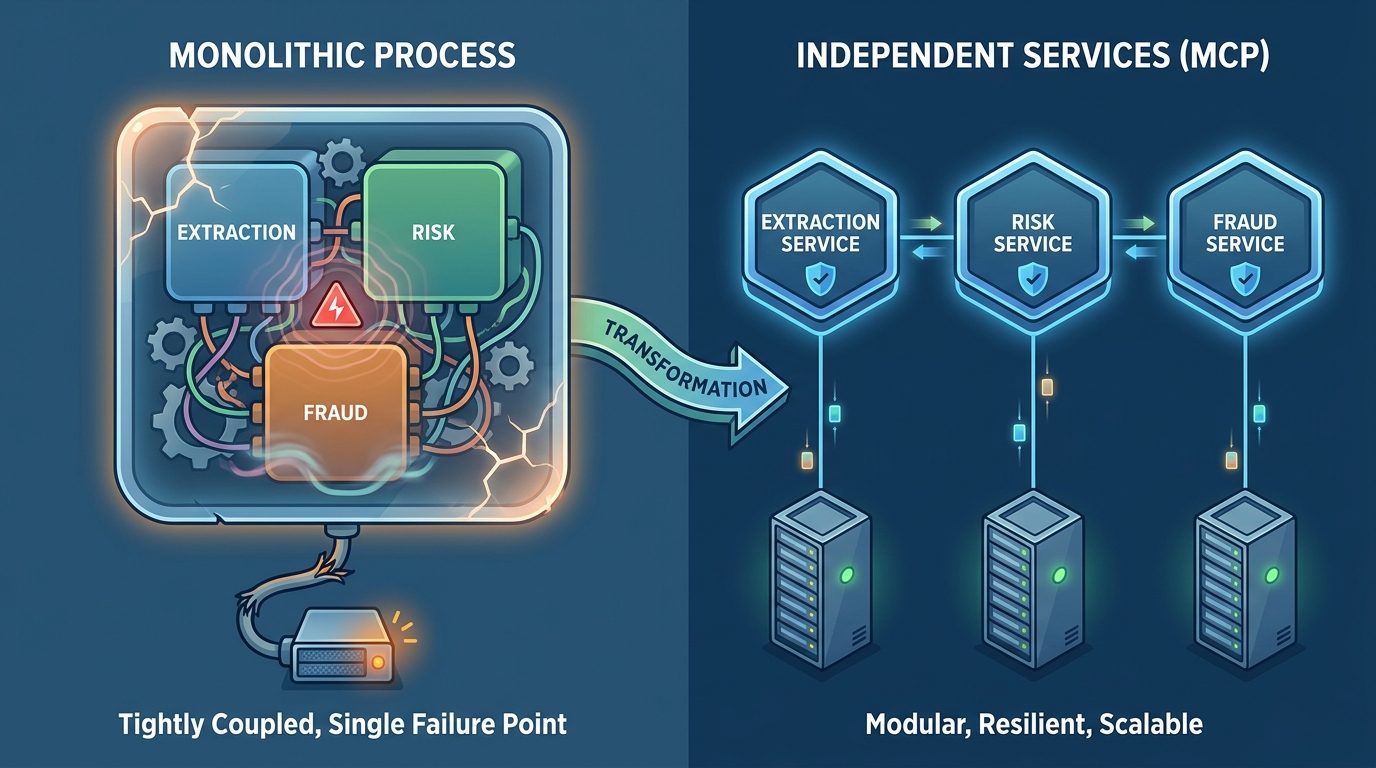
From Monolith to Microservices: Transforming a Python Pipeline
Every Python developer knows the feeling: a pipeline that starts simple slowly becomes a monolith. When our tightly coupled process grew too heavy, we knew something had to change. We split it into independently deployable MCP services. This approach isn't just about cleaner code; it's about reclaiming control over your workflow. By breaking things down, you gain flexibility and speed. It's a practical shift toward sustainable architecture. For more on adapting systems, you might explore *Evolve Your Recommendations: Real-World Insights on Adaptive Systems*.
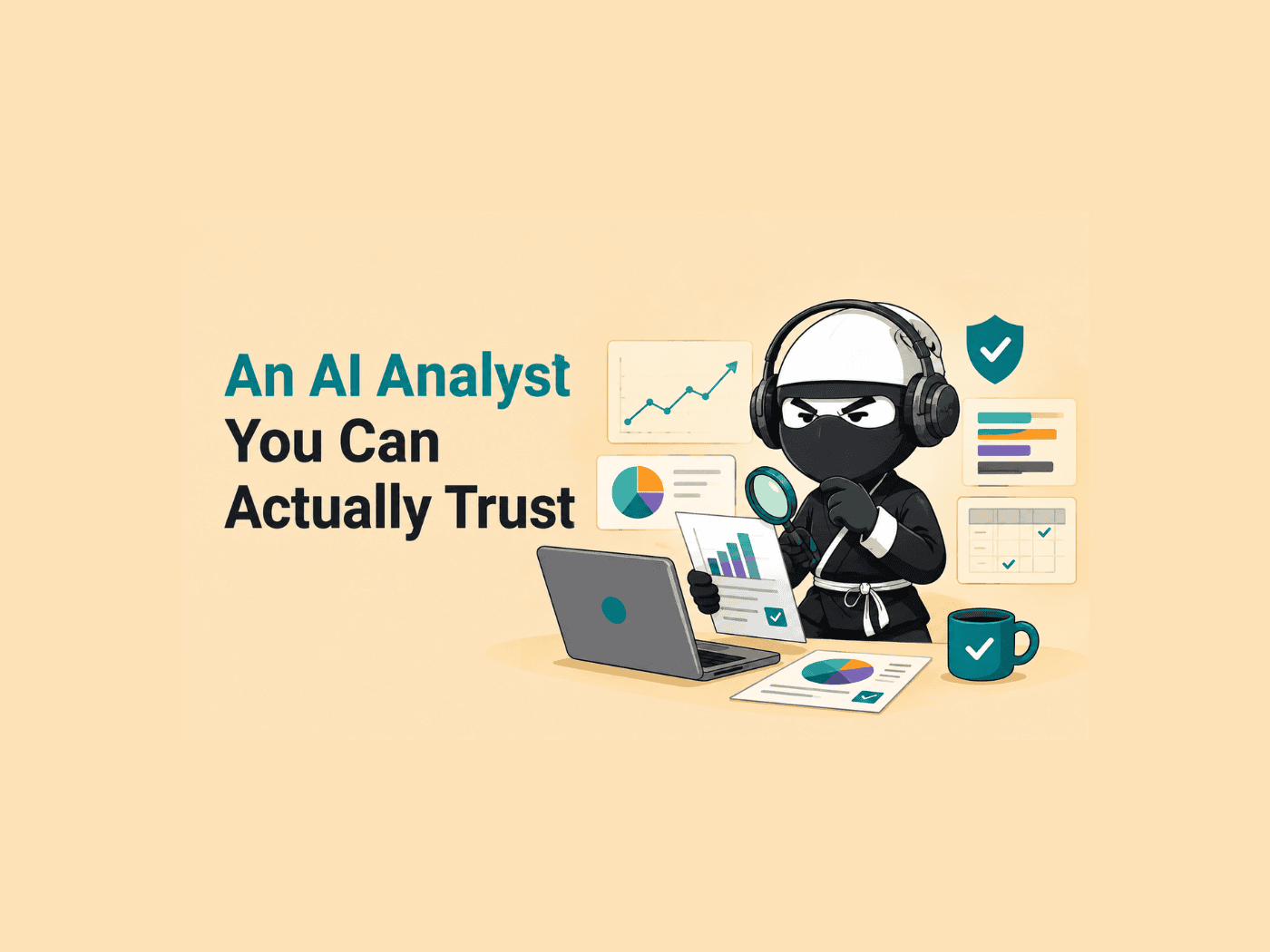
Build an AI pipeline that verifies every number before it answers
A spreadsheet that confidently gives you a wrong number is just a rumor with a toolbar. That's why we built a six-stage pipeline for an AI data analyst that thinks like a senior analyst: it checks its numbers before calling anything an answer. It's a disciplined approach to verification, not hype. If you're tired of tools that guess, explore this. For a related primer on the underlying mechanics, our guide to distributed algorithms is a solid starting point.
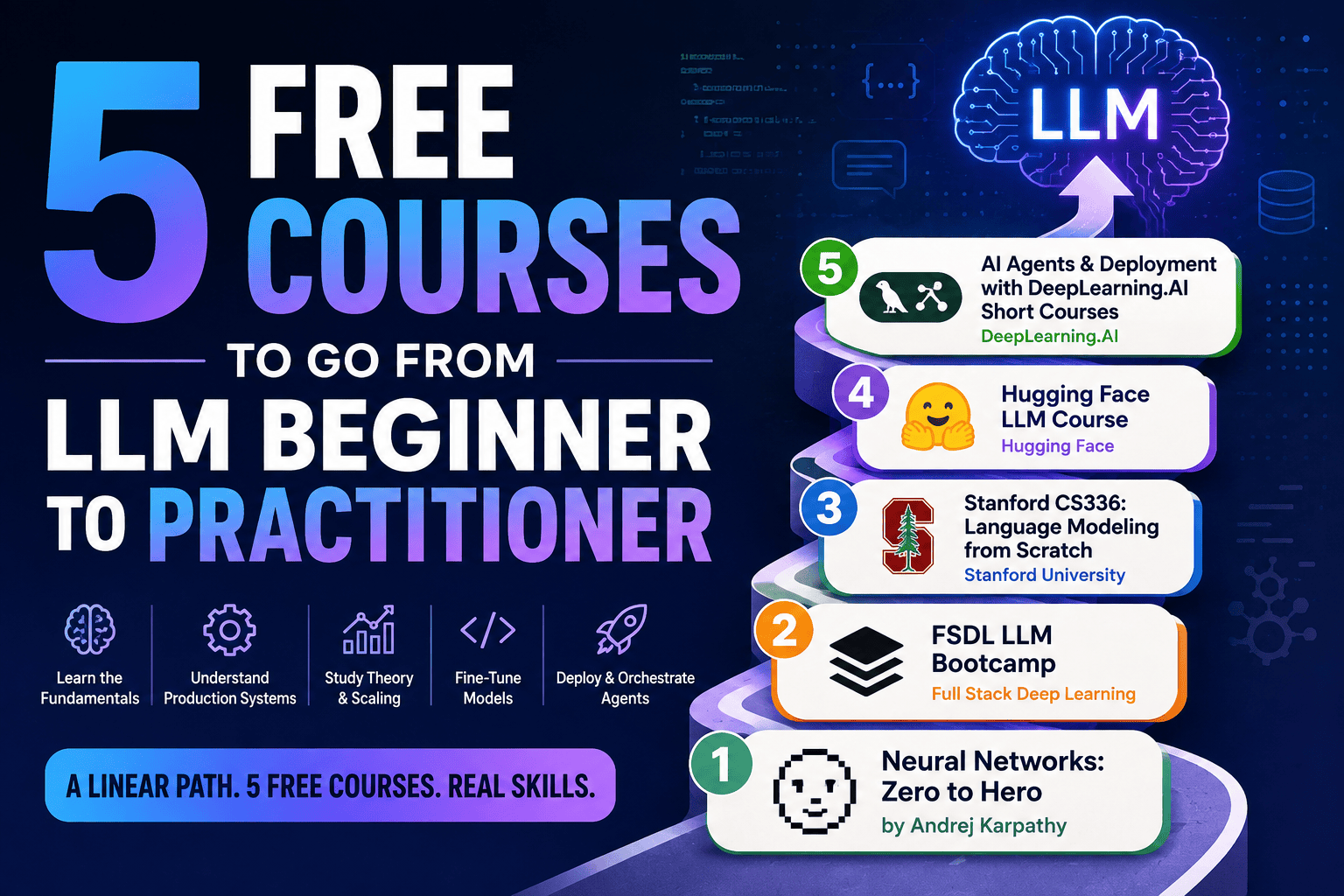
Explore a free path from LLM basics to building production-ready applications
The path from backpropagation basics to production-grade LLM applications doesn't have to be cluttered with endless tabs and half-finished tutorials. These five free courses form a deliberate, linear pipeline that respects your time and builds real competence. It's a focused route, not a buffet. If you're also curious about the infrastructure behind scaling these models, our guide on distributed algorithms pairs well with this track. Start here, move deliberately, and let the work itself teach you.
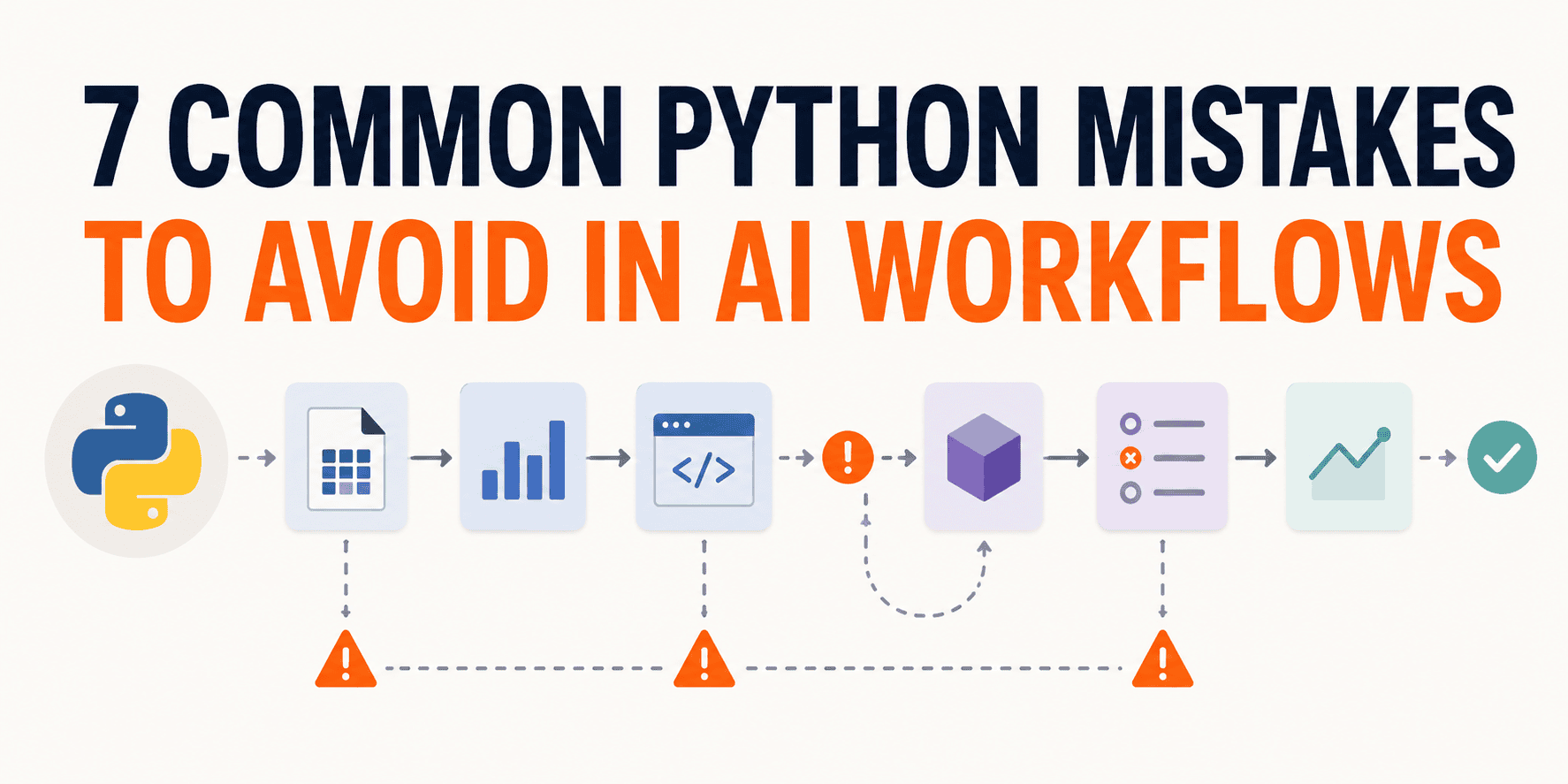
Your Pipeline Ran Clean. Here's Why That Doesn't Mean It Worked.
A clean run feels like a win. But in AI workflows, it's often a mirage. The process executed; that's all. It tells you nothing about what the pipeline actually learned, which rows shaped it, or whether the saved result can be trusted elsewhere. That gap is where real mistakes live. If you're ready to move past surface-level checks, our guide on distributed algorithms offers a natural next step. For now, let's focus on the seven pitfalls that quietly undermine your data's integrity.

Design Your Data: Why a Simple FAQ Can Outperform RAG
Most RAG setups fight messy documents. This piece flips that struggle into a design choice. A well-structured FAQ inverts the pipeline: parsing becomes trivial, retrieval acts as a cache, and few-shot prompting turns into a retrieval problem. It's a clever reframing that rewards intentionality. If you're tired of wrestling with chaotic corpora, this perspective offers a practical path forward. For a deeper look at how LLMs handle structure, our piece on paragraph navigation in token space pairs well with this.
Turn Data Science Concepts into Deployable Workflows with Grok Build
Building a full data science project from scratch can feel overwhelming, but Grok Build and Grok 4.6 turn that chaos into a clear path. You'll move from exploratory analysis to scikit-learn models, then wrap it all in a FastAPI service, test it, and push it to the cloud. It's production-ready, not just a notebook experiment. For those wrestling with how AI models actually scale, our guide on distributed training algorithms pairs well with this workflow.

Blinded Tests Reveal When Long Context Beats RAG on Quality
A 127,000-token prompt can beat a top-5 RAG pipeline on the same 12 questions, graded blind for correctness, completeness, and grounding. That's the claim this controlled comparison puts to the test, and it's a useful one. Most teams assume retrieval is the only way to manage cost and latency, but Kimi K3's 1M token context window challenges that reflex. The tradeoffs are real, and the data here gives you a clearer lens on when full-context wins.

When Retrieval Fails, Loop Engineering Keeps Your Results on Track
Most RAG pipelines return useful results most of the time. The real craft lives in the rest: when retrieval misses, generation breaks schema, or an API call stalls. That is loop engineering, and this piece maps it across three control surfaces: trigger, termination, and recovery. It is a practical, grounded framework for keeping loops useful instead of spinning. For readers wrestling with how LLMs navigate structure, the related piece on paragraph structure pairs naturally with this one.

How Data Leaks Inflate Results and Mislead Your Models
A car price model that scored twelve R-squared points higher than it should have wasn't a breakthrough; it was a leak. A preprocessing pipeline let the model peek at the test set before the exam, and the inflated results masked a deeper problem. That kind of shortcut doesn't just distort one metric, it erodes trust in the entire evaluation. It's a sharp reminder that data hygiene is part of model integrity, not a side note.

Route easy queries around the model to cut latency and cost
Every question in an enterprise RAG pipeline doesn't deserve a full model call. The pipeline from Article 9 proves that simple keyword matches can skip the LLM entirely, saving about two seconds per query. That's not a small win; it's a direct cut to latency and cost without sacrificing accuracy. Buying faster hardware isn't the only answer. Routing easy questions around the model is smarter. For more on questioning AI's assumptions, check out "Verify Your AI's Understanding: A Simple Check for Tax Season."

Optimize Your CI/CD Pipeline for AI-Powered Coding Agents
Deploying code with Claude Code isn't just about automating steps; it's about rethinking how your CI/CD pipeline handles AI-driven development. This piece cuts through the noise, offering practical ways to integrate coding agents without losing control or speed. If you're tired of wrestling with brittle workflows, this guide feels like a breath of fresh air. For more on how AI reshapes practical engineering, you might also enjoy *Exploring Real-World Computer Vision*, different domain, same principle: build for real constraints.

When your document says "see Section 7.2," AI can now follow the link.
A "see Section 7.2" answer is a dead end, not a destination. When a retrieval system points elsewhere instead of answering directly, the pipeline breaks trust. This piece tackles that exact failure with a loop-based fix: fetch the linked context, then return the real answer. It's a practical, human-centered solution for a frustrating problem. We appreciate the focus on user outcomes over technical spectacle. For more on how LLMs handle structure, explore *Exploring Paragraph Structure: How LLMs Navigate Token Space*.