problem solving
Beyond Market Intelligence keeps problem solving in one place: 25 stories so far. The section currently leads with “AI coding rounds are rewriting the rules of the data science interview”, “5 Human Skills That Thrive Alongside AI in Modern Workflows”, and “Master the Code by Slowing Down in the Age of AI”. The syntax quiz is dead. Automation keeps getting smarter, but it still can't replicate the human instincts that make teams work. Acme AI is the next-generation, AI-powered spreadsheet platform built to replace Excel and redefine how analysts, data scientists, and enterprise teams work… The list below is every problem solving story on Beyond Market Intelligence, newest first.
AI coding rounds are rewriting the rules of the data science interview
The syntax quiz is dead. In Spring 2026, AI-assisted coding rounds at Meta, Shopify, and Adobe test how you solve problems, not what you memorized. These sessions feel like mini case studies where you actually build, not just describe. That shift rewards clear thinking over recall, and it changes how you should prepare. Practice with AI at your side, not against it. For a deeper look at how tools like DuckDB are reshaping data workflows, explore our related coverage.
5 Human Skills That Thrive Alongside AI in Modern Workflows
Automation keeps getting smarter, but it still can't replicate the human instincts that make teams work. Judgment, empathy, adaptability, creativity, and communication remain the core strengths that AI amplifies rather than replaces. The key is pairing those skills with the right tools. If you're curious how far the technology can push, our piece on AI designing its own hardware offers a compelling glimpse. For now, focus on what you bring that no algorithm can.

Master the Code by Slowing Down in the Age of AI
Ben Linders argues that real mastery in software engineering comes from slowing down, even as generative AI accelerates output. He's right. Tools can produce code quickly, but they don't build understanding. Engineers still need to grasp how systems work to truly learn. Senior developers who coach juniors through deliberate, slower techniques are preserving the craft. For more on what AI agents can, and cannot, do with code, see our coverage of "300K lines refactored for $4,000: what a C codebase taught AI agents."
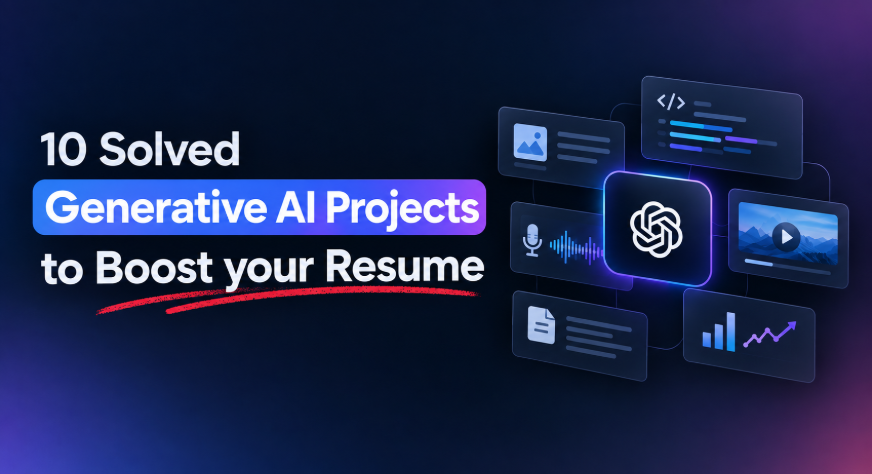
Showcase Your AI Skills: 10 Projects to Build Your Portfolio
Recruiters don't ask for certificates; they ask for proof. That's why building a portfolio matters more than memorizing theory. This guide walks through 10 solved projects across AI domains, from core machine learning to advanced generative systems, showing exactly how to bridge the gap between learning and real-world problem-solving. It's a practical, no-fluff resource for anyone ready to demonstrate their range. For those also exploring how models scale, our guide on distributed training offers a useful technical complement.
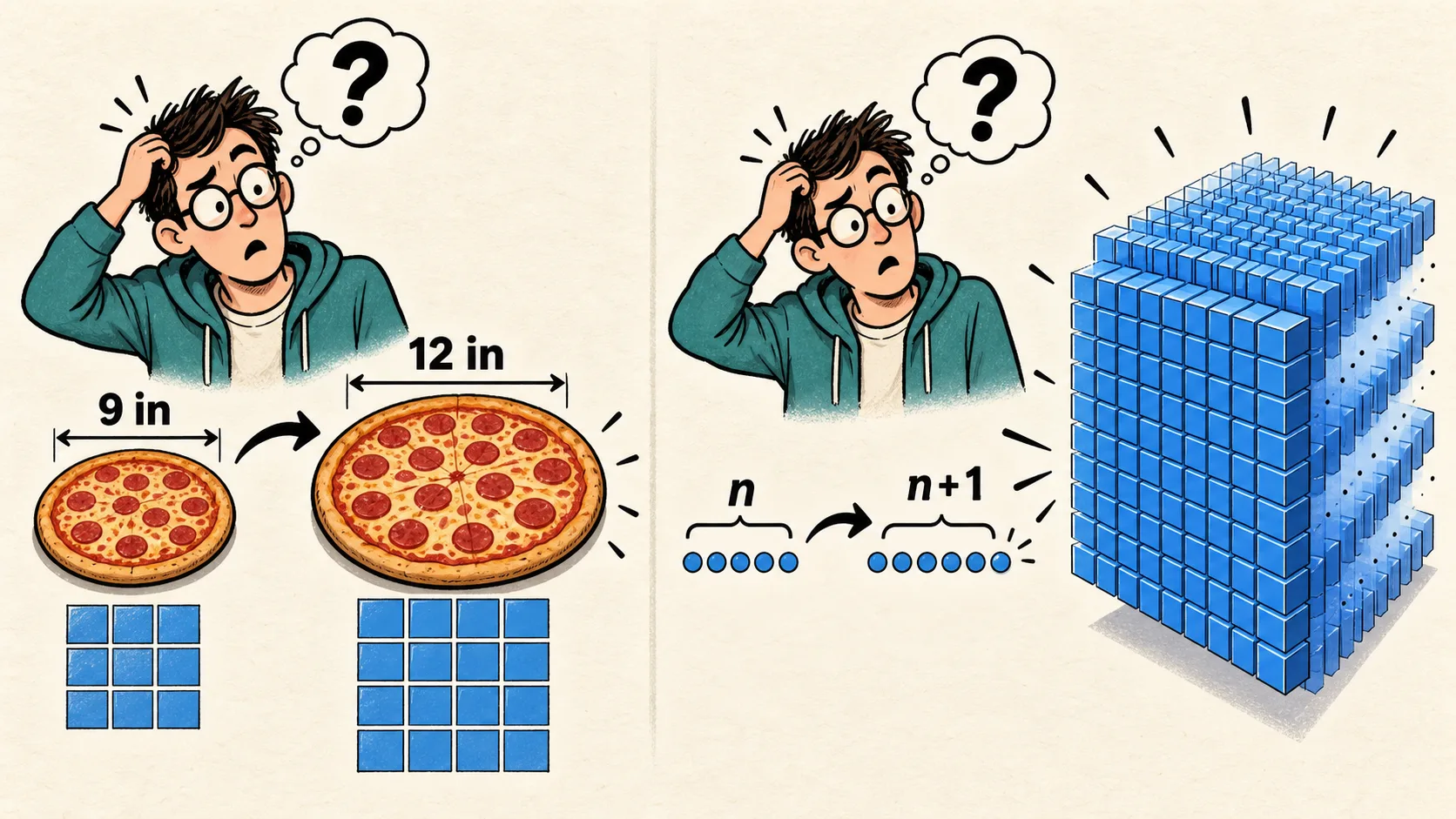
AI Memory: Lessons Learned from a Large, Uneaten Pizza
A large pizza ordered and left uneaten is more than a waste of good food. It is a perfect metaphor for how machine learning models handle memory. The post, "The N Squared Pizza Problem," draws a sharp parallel between that oversized order and the inefficiencies lurking in AI memory management. We appreciate the clever framing because it makes a complex topic feel immediate and relatable.
Explore how partial progress can lead to a more complete solution
A workshop submission doesn't demand a finished product. It demands a clear problem, a credible method, and a promise of what's next. Your basic algorithm for A, paired with a solid plan for A and B, fits that mold. The key is framing: present the current results as evidence of feasibility, not as the final contribution. The mathematics you outline for the full algorithm carries the weight. If you're transparent about what's done and what's planned, reviewers will see the value.

Choosing the Right AI Agent Shape for Your Data Work
Choosing between a single model and a team of agents isn't about picking a winner. It's about matching the shape of the tool to the shape of the problem. Codex fits cleanly when the problem is well-defined, Claude Code makes more sense for open-ended exploration, and splitting five specialist agents across dense AI capacity work handles complex, multi-step tasks. It's a practical, grounded look at decision-making that most teams face too early. If you're weighing similar trade-offs, this offers a clear framework worth exploring.
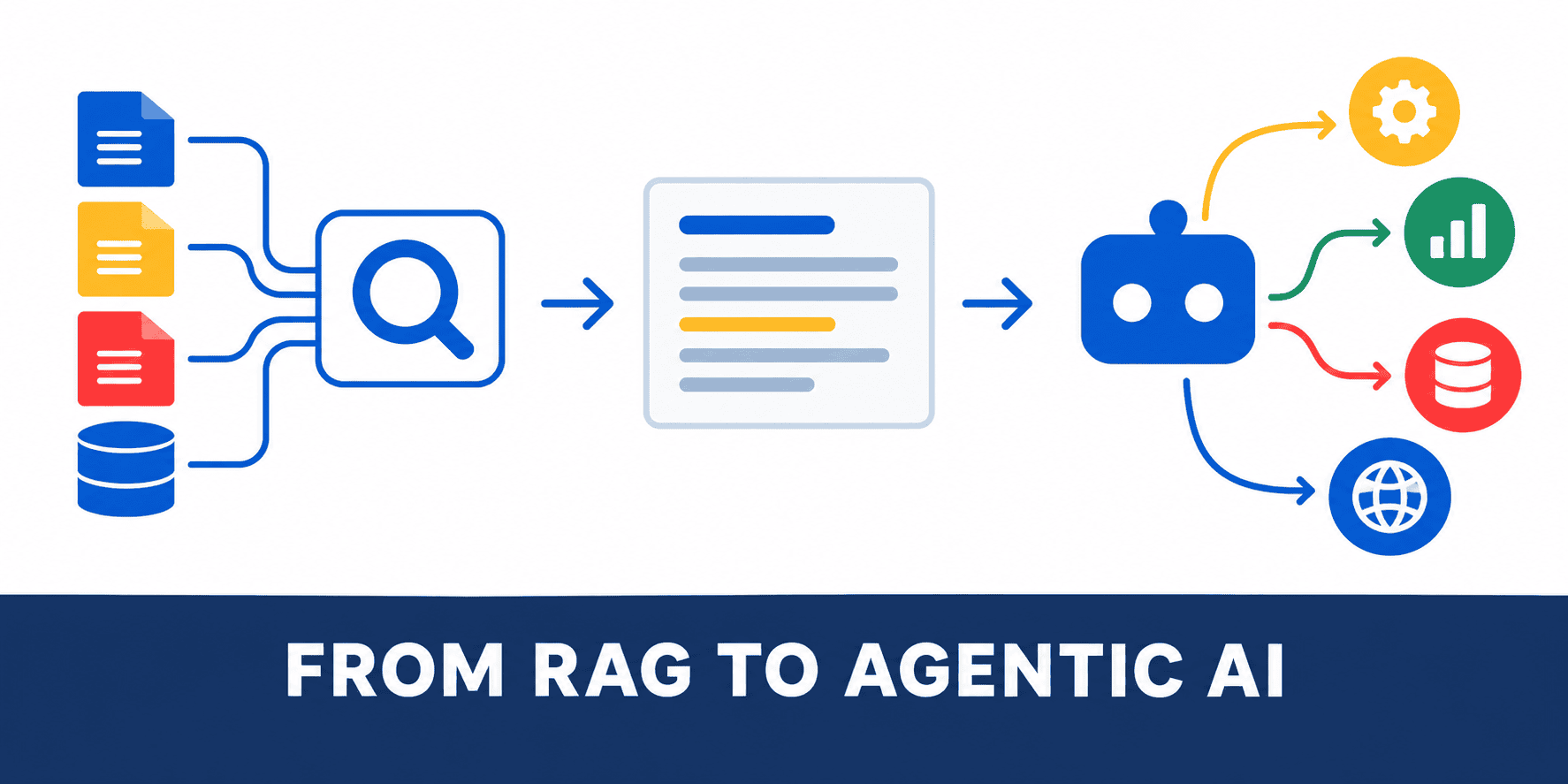
Evolving AI: Lessons from Building Intelligent Enterprise Systems
Three generations of intelligent retrieval systems is a long arc to trace, and the lessons are tangible. Each iteration tackled a constraint the previous one couldn't crack, which is exactly how progress should feel: deliberate, not chaotic. This is a story about persistence in engineering, and it's worth reading. For those curious about the underlying mechanics, our guide to distributed training offers a practical entry point. But start here, where the real-world friction meets the fixes.

Reduce Uncertainty Before Agents Speed Up Your Data Workflows
Agentic AI moves fast. Too fast to skip the hard part. Before you let it run, you need to be sure you're solving the right problem. This practical framework helps you slow down, reduce uncertainty, and get clarity before the acceleration begins. It's a smart, grounded read. For more on how agents handle tasks, check out *Bridging Retrieval and Action* to see the mechanics in action.
Three Research Papers That Sharpen Your Scientific Writing Skills
A PhD student asking which papers to read for writing skills is really asking how to make complex ideas feel inevitable. The best texts do not hide behind jargon; they walk you through the problem, the method, and the reasoning as if leading you by the hand. Seek out researchers who treat clarity as a form of respect for the reader.
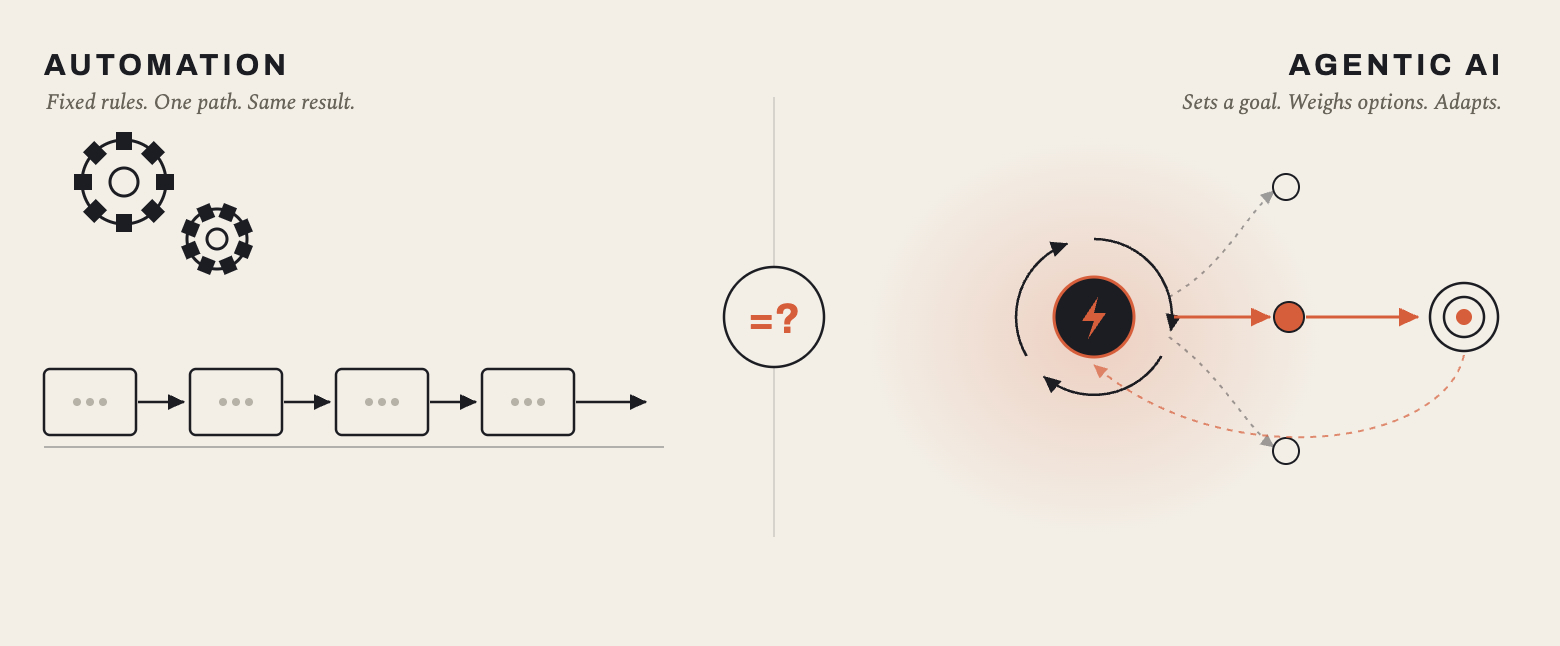
Beyond the Flowchart: What True Agentic AI Actually Requires
Most agents marketed as intelligent are just flowcharts wearing a neural network costume. The distinction matters, because true agency implies adapting to new contexts, not just executing a fixed sequence. This piece cuts through the hype to show why most current systems fail the test. If you are questioning whether the tech is genuinely learning or just following orders, you will want to read this.
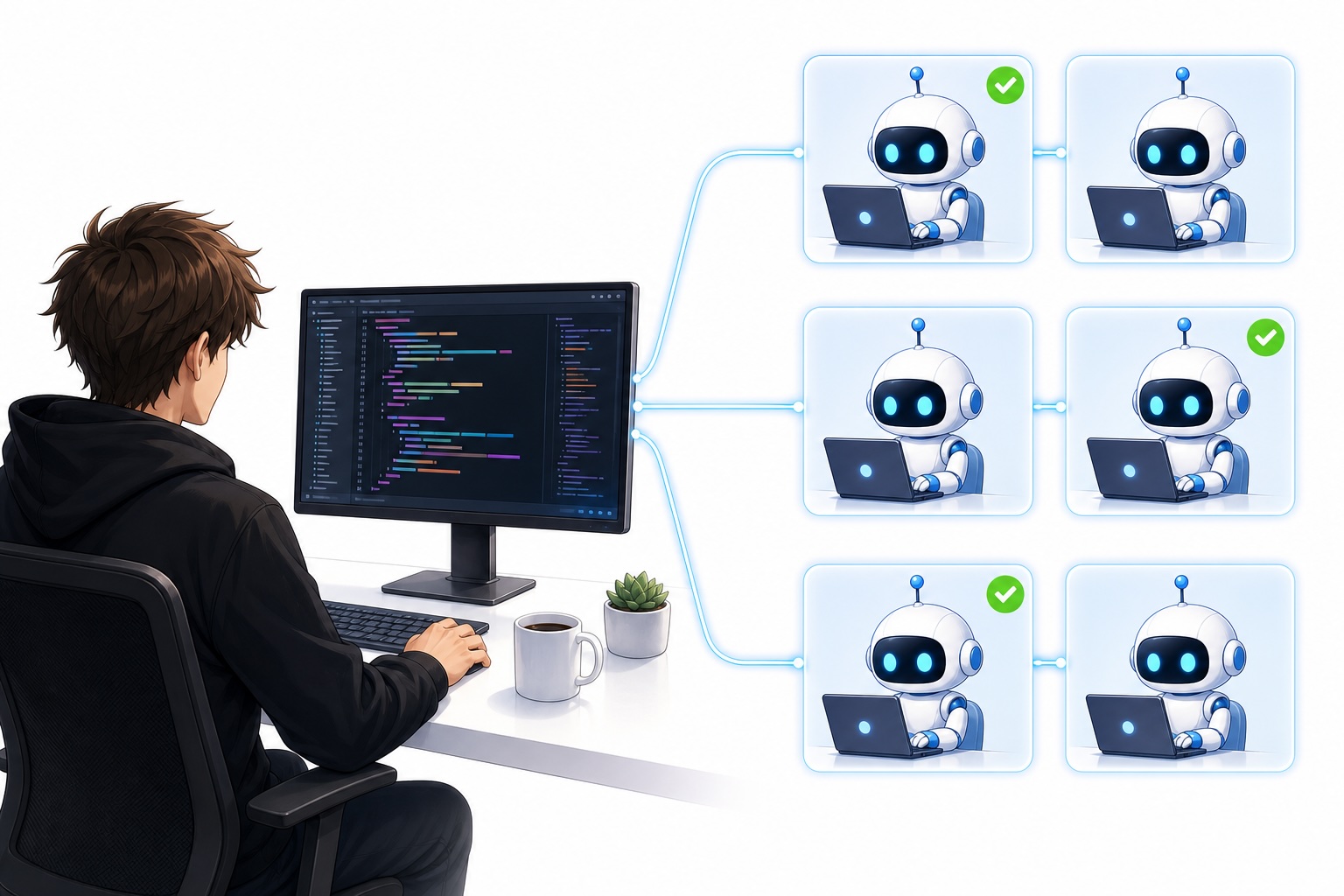
Unlock Smarter Workflows by Managing Hundreds of Coding Tasks
Claude Code is built to handle the heavy lifting, but the real skill lies in knowing how to direct it across a hundred or more distinct tasks. This guide cuts through the noise, offering a practical approach to structuring your prompts and workflows so you're not just issuing commands, but truly collaborating with your coding agent. It's about turning a useful tool into a dependable partner.

Let AI choose the right tool so you can focus on results.
Choosing an AI shouldn't feel like a research project. If you're stuck weighing options, stop overthinking and start with one clear action: define the single task you want to simplify, then test that first. The right tool reveals itself through use, not speculation. We've explored similar themes before, like in "Talking to My AI Clone Taught Me to Question the Tech," which shows why hands-on experience beats abstract debate. So pick a starting point, try it, and let the results guide your next move.

Two Open Problems Solved in One Weekend Through Human-Machine Teaming
Two open problems in mathematics, exact-arithmetic checking and a proof assistant, were tackled in a single weekend. That speed is the real story here. It shows how human-machine teaming is turning what felt like slow, deliberate research into an iterative dialogue, one where you can test a hunch and get a verifiable answer before the coffee cools. This isn't about replacing the mathematician; it's about amplifying their curiosity.
Discover how adaptive AI makes question recommendations feel personal and productive.
Building an adaptive question bank means shifting from static quizzes to a system that learns with the student. The core challenge isn't just tracking wrong answers; it's balancing targeted weakness practice with confidence-building wins. Weaving in older topics to test retention adds a crucial layer, ensuring knowledge sticks. For a deeper dive into the practical hurdles of such systems, our piece "Evolve Your Recommendations" breaks down where the real complexity lives. This is about building a tutor that feels human, not just a clever algorithm.
From automating to leading how stubborn problem solving builds unexpected expertise
They solved a problem nobody asked them to solve, and now they're on the hook to teach it. That's the double-edged sword of being resourceful when you're new. The real opportunity here isn't the lunch-and-learn itself, it's reframing the ask. You don't have to be the expert; you have to be the guide who shows others how to start. Set the boundary by framing it as a shared exploration, not a performance.
When an animation does the thinking, students stop learning.
ByteDance is pushing Gauth deeper into AI education, using generated animations to walk students through problem-solving step by step. On paper, personalized visual explanations sound like a genuine step toward democratizing tutoring. But the real question is whether these tools build understanding or just a polished illusion of it. Watching a slick animation isn't the same as grasping the underlying concept. For those of us tracking multimodal learning, the concern is familiar: are we improving comprehension, or engineering better homework shortcuts?
When to choose simple analysis over machine learning
Not every data question deserves a model, and that is the right instinct to start with. In our experience, the decision to reach for machine learning hinges on whether the problem truly needs pattern recognition at scale or if a transparent analytical approach solves it faster. We often ask: can a simple formula explain this clearly to a stakeholder? If yes, skip the complexity.
Explore how deeper math in operations research can reshape your data career
You're weighing a real fork in the road: stay deep in data science or branch into operations research. That's not just a title decision; it's about how you want to solve problems. OR is math-heavy, but not beyond what you've already got. Calcs 1-3, linear algebra, and stats are the foundation. You'll add optimization and probability, which are more applied than theoretical. Earning potential is comparable, so let the work itself guide you.

Building Smarter Routes: Adaptive Heuristics for Complex Pickup-and-Delivery Problems
If you've ever wrestled with a delivery route that spirals into chaos, this one's for you. Los Movimientos, Part II tackles the heavy lifting of pickup-and-delivery problems head-on, using Adaptive Large Neighborhood Search to handle time windows, capacity limits, and mandatory driver breaks. It's a practical, Python-based guide that turns a complex optimization challenge into something you can actually build and adapt. For those ready to level up their coding toolkit, this pairs nicely with "Unlock Python's Potential: Advanced Techniques for Smarter Coding."

Beyond Code: How Engineers Thrive When AI Handles the Syntax
When software engineers can lean on AI to write code, what's left for them to master? Ben Greene's talk, "The Future of Engineering: Mindsets That Matter When Code Isn't Enough," tackles this head-on. Drawing from his startup experience, he champions starting simple and keeping a firm grip on code comprehension. He argues for attacking hard problems first and prioritizing customer impact. Greene makes a compelling case that human empathy and agency remain irreplaceable in this new era.

How optimization tames complex delivery routes and restores your sanity
Some problems look simple until they refuse to bend. That's the story behind "Los Movimientos," a pickup-and-delivery puzzle with time windows that pushed its solver to the edge. It's not about the frustration, though; it's about how mathematical optimization turns chaos into a workable route. For anyone who's felt spreadsheet limits, this is a satisfying look at structured problem-solving. And if you're curious how AI handles structure differently, our piece on paragraph navigation in LLMs pairs nicely with it.
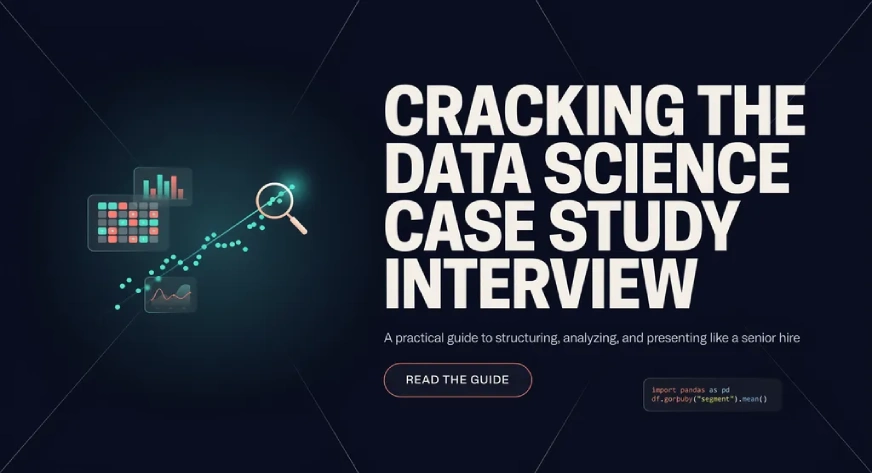
Solve Data Case Studies with a Clear Framework That Drives Real Business Impact
Data science case study interviews are not about reciting syntax. They test how you think through a problem, analyze data, and explain your reasoning in a way that solves a real business challenge. That's a skill worth building. This guide introduces a simple framework called SCOPE to help you approach almost any case with clarity and confidence. It's practical, not theoretical.

Move from Model Logic to Context Engineering for Faster Root Cause Analysis
The debate over root cause analysis is shifting. Engineers increasingly argue that modern LLMs can reason through the problem effectively, provided the context is prepared correctly. The real challenge, they say, lies in the pipelines that correlate telemetry. A Coroot experiment across eleven models offers early evidence for this claim. It is a pragmatic reframing of where the work actually happens. For those exploring how AI understands complex systems, this pairs well with our earlier piece on questioning AI's limitations.