process
process at Beyond Market Intelligence is a file of 13 stories. The newest of them: “Grief shouldn't come with a project manager badge”, “Bluesky plans personalized web domains but rollout remains a year away”, and “Why Psychological Safety Is Key for Developers Building With AI”. The day your loved one passes away, you inherit an honorary badge: project manager for a project you never signed up for. Bluesky users hoping for a personalized domain like yourname.bsky will need to wait. Acme AI is the next-generation, AI-powered spreadsheet platform built to replace Excel and redefine how analysts, data scientists, and enterprise teams work… The list below is every process story on Beyond Market Intelligence, newest first.

Grief shouldn't come with a project manager badge
The day your loved one passes away, you inherit an honorary badge: project manager for a project you never signed up for. Founder Sara Tashakorinia captures that disorienting reality perfectly. Grief is hard enough without coordinating logistics, paperwork, and decisions while your world reshapes itself. We need tools that meet people in that moment with clarity and compassion, not complexity. If you're navigating similar transitions, our coverage of Shopify's Checkout Blocks Rewrite shows how thoughtful digital design can lighten everyday burdens.

Bluesky plans personalized web domains but rollout remains a year away
Bluesky users hoping for a personalized domain like yourname.bsky will need to wait. The company confirmed the rollout remains 18 to 24 months away. That is a long pause for a feature that promises to make identities cleaner and more portable. Patience is part of the process, but the delay also signals how much foundational work still lies ahead. If data bottlenecks are slowing your own team's momentum, our piece on removing the AI data bottleneck offers a more immediate path forward.

Why Psychological Safety Is Key for Developers Building With AI
Psychological safety isn't a soft skill, it's a structural requirement when AI tools rewrite the rules of software development. In this podcast, Michael Stiefel talks with Erin Doyle about how engineers now need architecture skills to navigate ambiguity in requirements. AI accelerates coding, but it also demands clearer thinking about system design. If you want a concrete example of what happens when that clarity breaks down, read our related article, "AI Made Me 5x Faster. It Also Made Me 5x Worse at My Job."
Unlock Team Momentum by Removing the AI Data Bottleneck
Data silos are quietly stalling even the most ambitious teams. When information is locked away, momentum dies. We see the same friction surfacing across industries, from inflated broker fees to the hidden costs of AI in hospitals. The fix isn't more tools; it's removing the bottleneck at the source. For a deeper look at how misplaced AI spending creates new problems, revisit our piece on rising hospital costs. For now, explore how clearing the data path can transform your team's workflow.
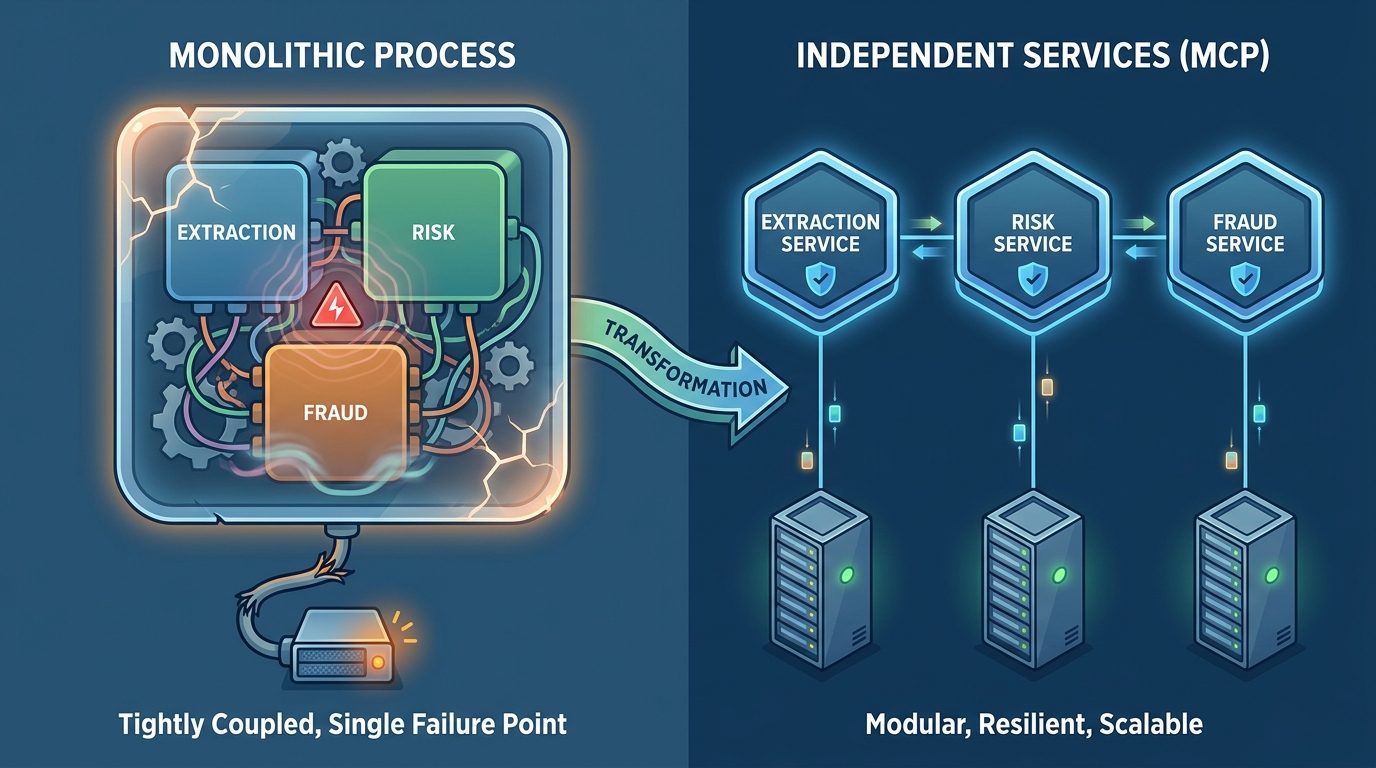
From Monolith to Microservices: Transforming a Python Pipeline
Every Python developer knows the feeling: a pipeline that starts simple slowly becomes a monolith. When our tightly coupled process grew too heavy, we knew something had to change. We split it into independently deployable MCP services. This approach isn't just about cleaner code; it's about reclaiming control over your workflow. By breaking things down, you gain flexibility and speed. It's a practical shift toward sustainable architecture. For more on adapting systems, you might explore *Evolve Your Recommendations: Real-World Insights on Adaptive Systems*.
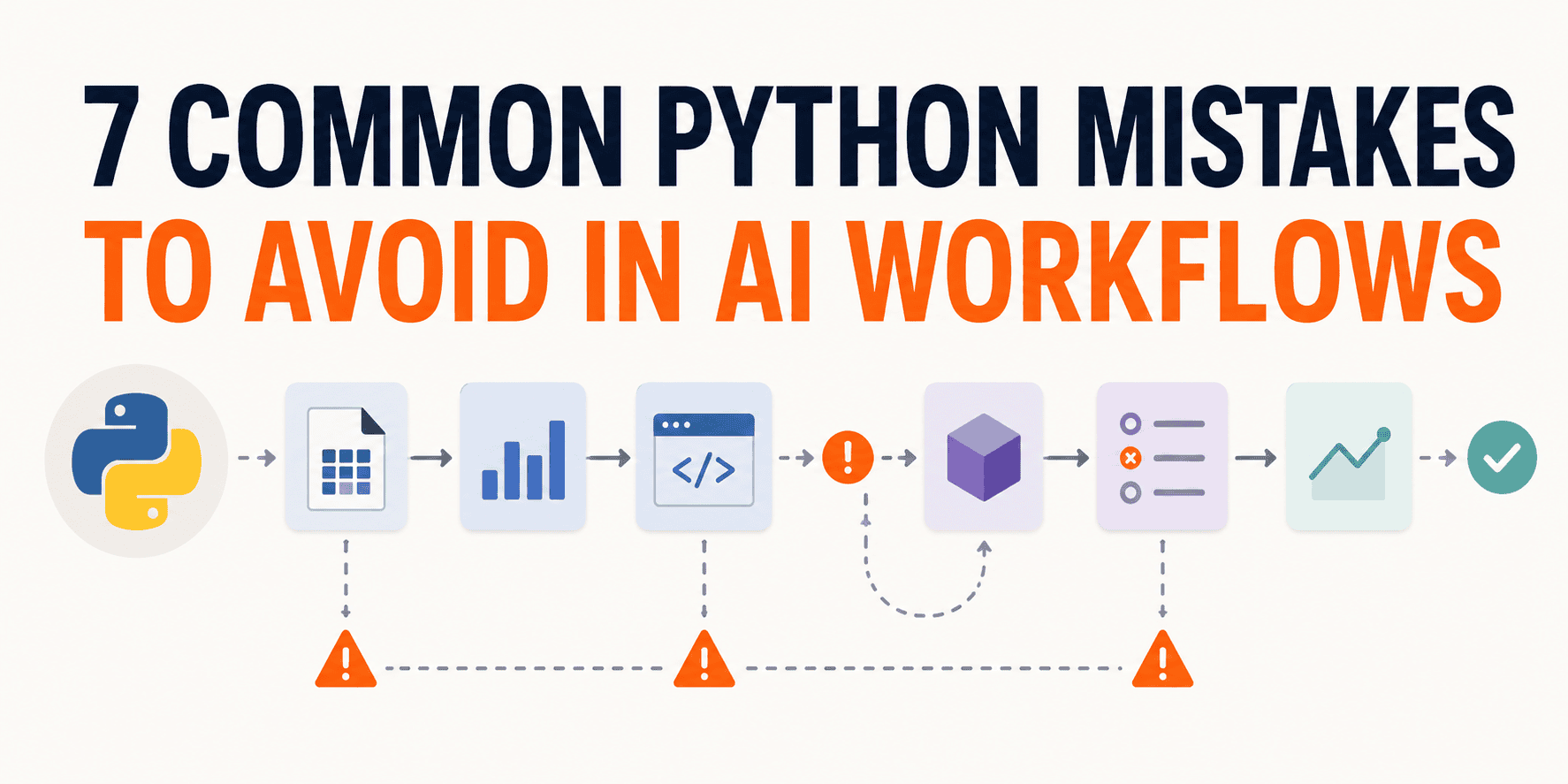
Your Pipeline Ran Clean. Here's Why That Doesn't Mean It Worked.
A clean run feels like a win. But in AI workflows, it's often a mirage. The process executed; that's all. It tells you nothing about what the pipeline actually learned, which rows shaped it, or whether the saved result can be trusted elsewhere. That gap is where real mistakes live. If you're ready to move past surface-level checks, our guide on distributed algorithms offers a natural next step. For now, let's focus on the seven pitfalls that quietly undermine your data's integrity.
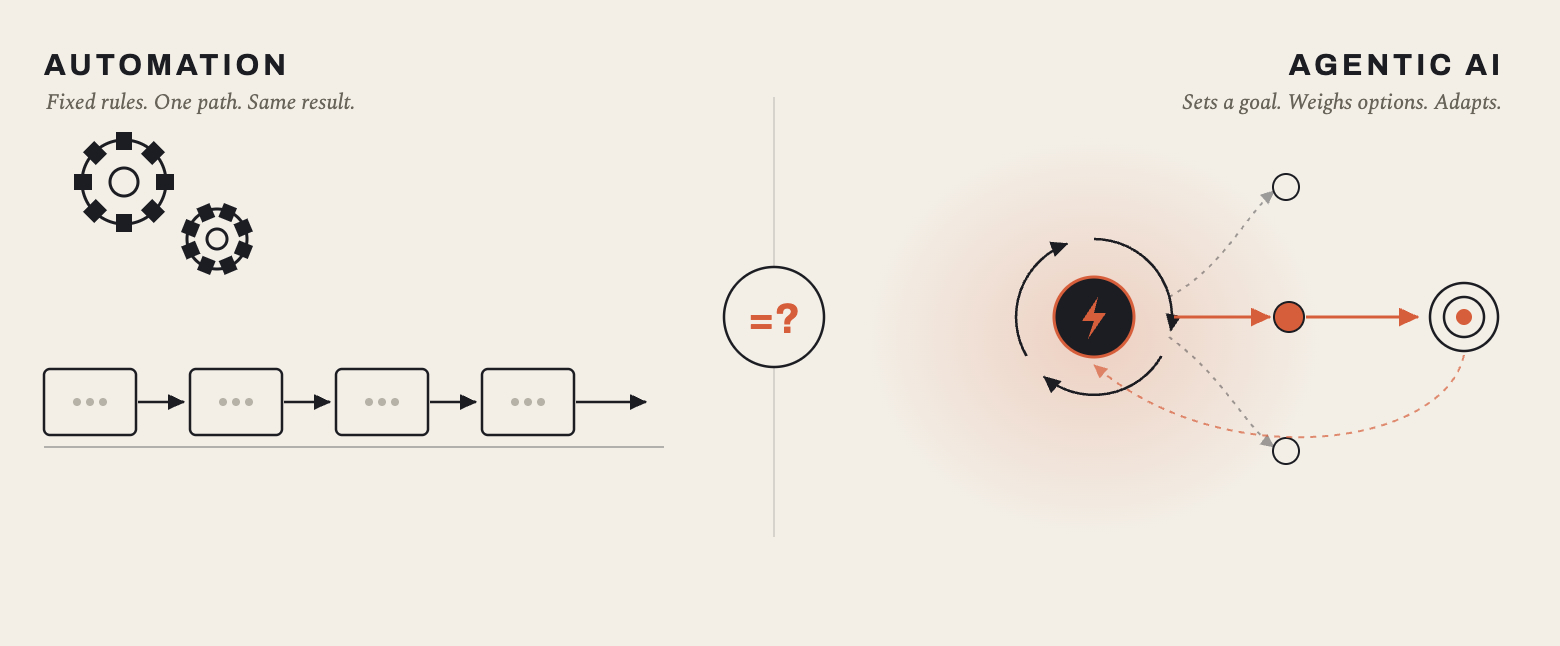
Beyond the Flowchart: What True Agentic AI Actually Requires
Most agents marketed as intelligent are just flowcharts wearing a neural network costume. The distinction matters, because true agency implies adapting to new contexts, not just executing a fixed sequence. This piece cuts through the hype to show why most current systems fail the test. If you are questioning whether the tech is genuinely learning or just following orders, you will want to read this.
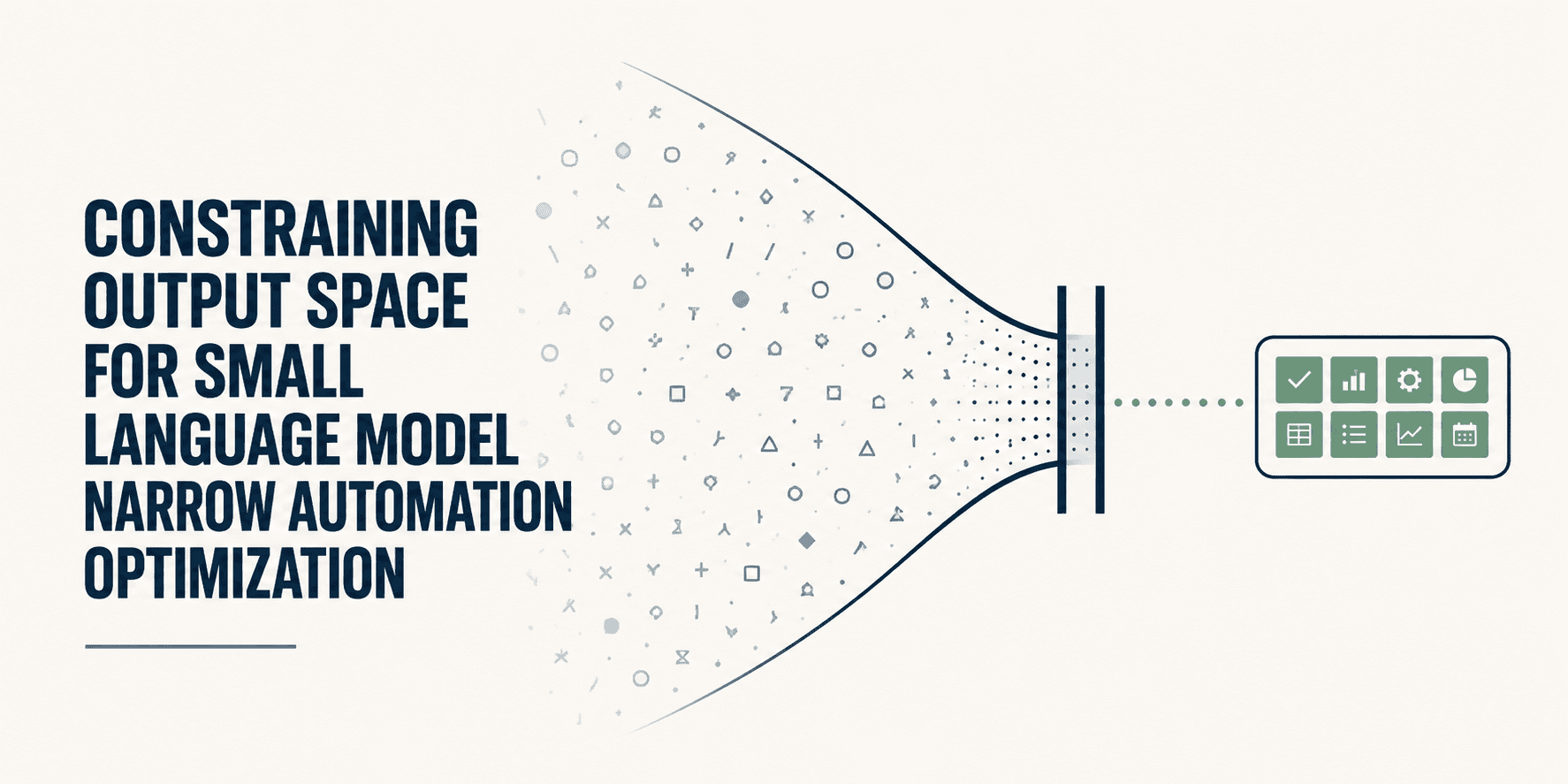
Tame Small Language Models by Constraining Their Output Space
Parsing generated text is a losing game. Every format variation you forget to handle becomes another silent failure. This first entry in our narrow automation optimization series tackles the real solution: constraining the output space from the start. It's a practical technique that saves time and spares you the headache of brittle regex. For a broader take on connecting systems, our piece on bridging retrieval and action offers a useful companion. This approach is simpler than it sounds, and it works.

Discovered Materials raises $9 million to find smarter materials for cooler chips
Discovered Materials just raised $9 million to play a high-stakes game of AI whack-a-mole, hunting for novel materials that could make chips cooler and more efficient. That's a smart bet, because the future of computing depends on finding the right elements, not just shrinking transistors. We like the focus on discovery over hype; it's practical, ambitious, and user-adjacent. For more on how AI shapes our tools, check out "Talking to My AI Clone Taught Me to Question the Tech."

AI pioneers chart a new path to accelerate scientific discovery.
When Jeff Dean, a name synonymous with Google's AI dominance, departs alongside other top researchers to launch a new startup, it signals more than a shift in personnel. It's a clear vote for a future where AI's primary role is accelerating scientific discovery. We see this as a bold, necessary move. For those feeling the complexity of modern AI, this mission makes the technology's purpose tangible. It's about empowering breakthroughs, not just improving spreadsheets.
When to choose simple analysis over machine learning
Not every data question deserves a model, and that is the right instinct to start with. In our experience, the decision to reach for machine learning hinges on whether the problem truly needs pattern recognition at scale or if a transparent analytical approach solves it faster. We often ask: can a simple formula explain this clearly to a stakeholder? If yes, skip the complexity.

Beyond the Model: The Human Work That Powers Supply Chain AI
The engine stalled mid-route, and the spreadsheet that should have flagged the issue sat silent. That moment reveals the real work of a Forward-Deployed Engineer: not building the model, but untangling the messy, human systems around it. In one supply chain project, the AI was the easy part; the hard part was embedding it where decisions actually happen.

A Practical 6-Week Blueprint for Data Structures and ML Interviews
Six weeks. That is the timeline one practitioner set for mastering data structures and algorithms specifically for machine learning interviews. The result was a clear, repeatable process built on targeted questions and deliberate practice. We appreciate the focus on strategy over rote memorization. It is a practical reminder that acing technical interviews is about method, not magic. For those exploring how mathematical concepts support ML, our related piece on the Forrester function offers a useful starting point.