production
42 stories filed under production on Beyond Market Intelligence. The newest of them: “From Policy to Practice: Microsoft's Blueprint for AI Governance in Action”, “Rightsizing Developer Platforms to Reduce Cognitive Load and Accelerate Delivery”, and “Empowering AI agents means knowing when to limit their autonomy.”. Microsoft's latest guidance moves AI governance from static policy documents to active runtime enforcement. Platform engineering is rarely a one-size-fits-all equation. Acme AI is the next-generation, AI-powered spreadsheet platform built to replace Excel and redefine how analysts, data scientists, and enterprise teams work… The list below is every production story on Beyond Market Intelligence, newest first.
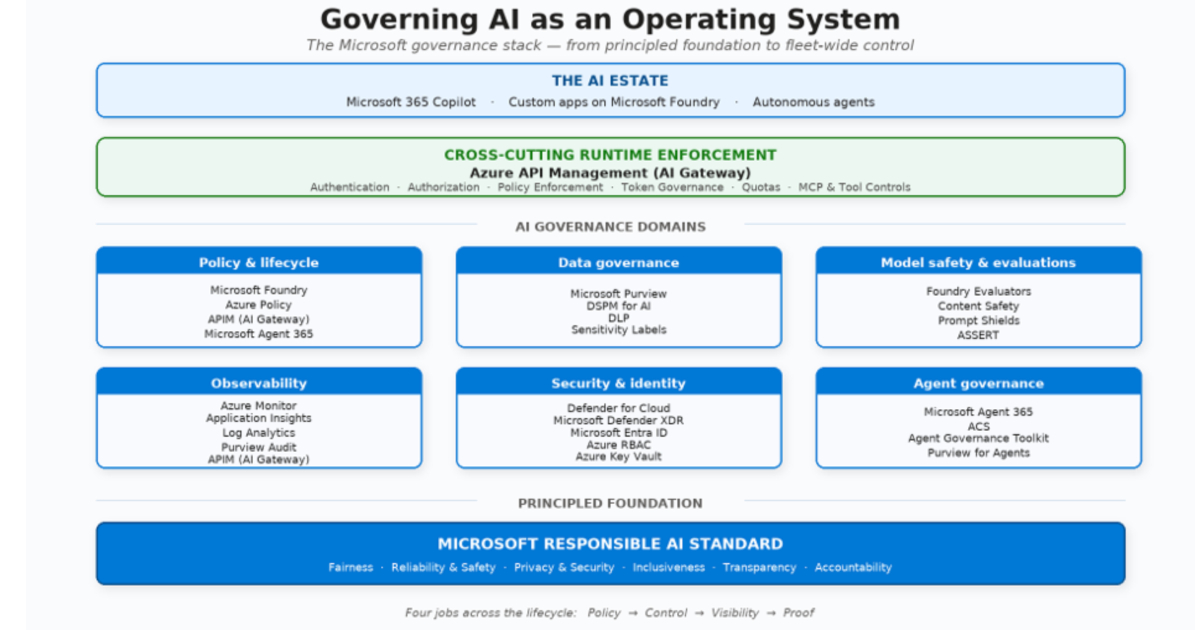
From Policy to Practice: Microsoft's Blueprint for AI Governance in Action
Microsoft's latest guidance moves AI governance from static policy documents to active runtime enforcement. By mapping nine governance domains across policy, control, visibility, and proof, the company connects intent with live execution. That matters because production AI demands continuous evaluation, not just upfront checks. It's a practical step toward verifiable accountability, and it pairs well with our coverage of observability in testing, like Grafana's approach to monitoring Cypress suites. Governance is becoming operational, and that's a shift worth watching closely.

Rightsizing Developer Platforms to Reduce Cognitive Load and Accelerate Delivery
Platform engineering is rarely a one-size-fits-all equation. John Keates tackles the real friction behind modern developer platforms: the cognitive load that shift-left practices have quietly piled onto teams. He focuses on rightsizing, not just building more. It's a practical look at matching your platform to your culture, not the other way around. For those exploring how AI tools fit into everyday workflows, our guide to unlocking ChatGPT for work offers a useful starting point.

Empowering AI agents means knowing when to limit their autonomy.
The race to deploy the most autonomous agent is over. Enterprises winning with AI agents are now limiting how much those agents can do alone, because full autonomy breaks down in production. The companies that benefit won't be the ones with the most flexibility, but the ones creating agents with specific responsibilities and clear rules. Capability is outrunning control, and the 2026-to-2027 race is a trust race. For more on building these systems, explore our piece on orchestrating AI agents.

Explore how Castelion redefines defense manufacturing with speed and accessibility.
Castelion just hit a $13B valuation, and that's not a small number for a company founded in 2022. Their goal is straightforward: build hypersonic missiles faster and cheaper than the traditional defense primes. That's a bold bet, but one worth watching closely. If you're tracking how advanced manufacturing is reshaping industries, you might also find our piece on Tesla Semi's production ramp interesting. Both stories show how speed and scale are becoming the new competitive edge.
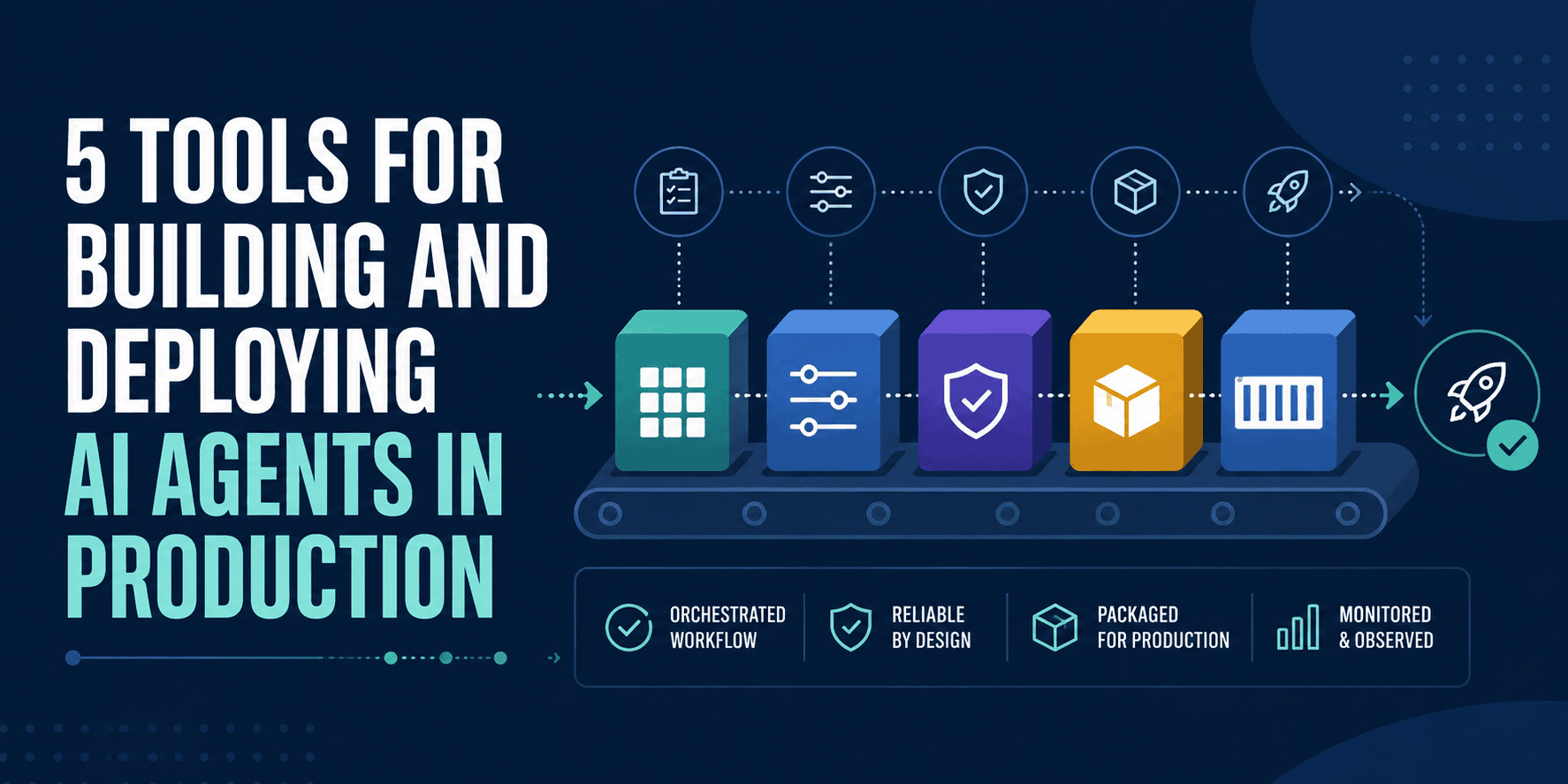
From Agent Logic to Scale: Five Essential Tools for Production AI
Building an AI agent is one thing; running it reliably in production is another. This guide breaks down five tools, each tackling a specific layer of the stack, from shaping the agent's core logic to scaling it under real-world pressure. It's a practical, no-nonsense walkthrough for teams ready to move beyond experimentation. If you're still questioning how much trust to place in these systems, our piece on talking to an AI clone offers a timely counterpoint worth exploring.

5 Principles for Enterprise Agent Systems Built to Earn Trust
A $100M+ company runs on its spreadsheets, and when I built an agent system to handle those workflows, I learned trust isn't a feature, it's the foundation. This post breaks down five principles that decide whether such systems survive production, from verifiability to continuous improvement. It's a grounded look at what actually works. If you're questioning how much to rely on AI outputs, our piece "Verify Your AI's Understanding" pairs well with this. Explore how to build agents people will actually use.
Build and benchmark production RAG with fully open models
Building a RAG system that actually works in production takes more than stitching together a vector database. This workshop on August 29, led by Ben Auffarth of Chelsea AI Ventures, tackles the messy parts head-on: hybrid retrieval, reranking, and guardrails built in from the start. It's refreshing to see evaluation with RAGAS and real cost benchmarking treated as essentials, not afterthoughts. If you're tired of demo-grade AI, this hands-on session is worth exploring.

Ford's Fathom EV prototype builds start in early 2027
Ford's commitment to its electric future is taking shape on the factory floor, with the $2 billion overhaul of its plant on track to support the Fathom EV truck. Prototype builds are expected to begin in the first quarter of 2027, a timeline that signals steady, deliberate progress rather than empty promises.

Smaller models, bigger returns: why 3B outperforms 70B for your task.
A 3B model can outperform a 70B one on your specific task. That isn't a compromise; it's a strategic choice. For focused pipelines, massive models are often overkill, and their cost is hard to justify. The Hugging Face transformers library and smolLM3 make this accessible, letting you deploy a lean, capable model without the overhead. If you're tired of paying for compute you don't need, this approach is worth exploring.

River raises $120M to scale production and expand EV lineup
River just raised $120 million in a Series C, and that's a serious signal for the Indian EV market. The company isn't just scaling production; it's laying groundwork for a new factory and models slated for 2027, with an eye on profitability. That's a mature, focused path forward. For teams watching how AI-native tools are reshaping industries, this momentum feels familiar. It's about building infrastructure with intent. If you're tracking similar shifts in tech infrastructure, our piece on Nscale's $3.36B raise offers useful context.

Four security layers to protect your MCP production environment
Securing MCP in production isn't just about locking the front door. Nik Kale argues that real safety comes from enforcement at the earliest trustworthy control points, not just the gateway. His defense-in-depth approach spans four architectural layers: safe execution, management infrastructure, outbound trust, and semantic integrity. It's a practical framework for teams moving beyond pilots. If you're still mapping MCP's basics, our visual guide to MCP helps ground the concepts before you dive into production hardening.

Netflix's blueprint for scaling LLM inference across diverse hardware
Netflix's move to detail its in-house LLM serving platform is a practical look at the messy, real-world work of scaling AI. Supporting different model sizes, juggling hardware constraints, and keeping pace with fast-moving engines like Triton and vLLM isn't glamorous, but it's essential. The company's willingness to share these production lessons offers a grounded counterpoint to the usual hype. If you're wrestling with similar trade-offs, Netflix's account is worth your time, and our related article on distributed training algorithms pairs well with it.

Securing AI in production: Google's three-layer blueprint for GKE
Google Cloud's new GKE Security Blueprint arrives at a necessary moment. Moving AI from prototype to production has outpaced traditional security thinking, and that gap demands more than patchwork fixes. The three-layer approach, covering infrastructure, model integrity, and application security, offers a practical path forward. It's not about hype; it's about making production safer. For teams wrestling with these challenges, this guidance feels timely. If you're exploring how AI reshapes expectations, our piece on verifying AI's understanding during tax season pairs well with this conversation.
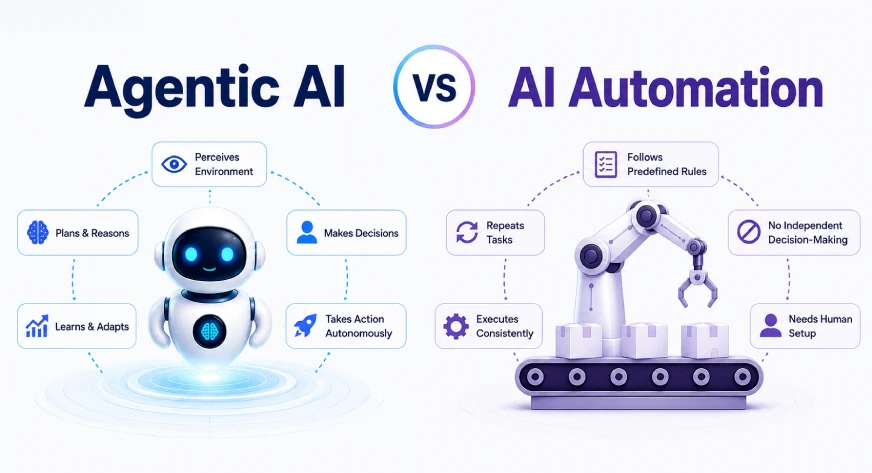
From Demos to Production: Building AI That Handles the Unexpected
A team wraps a few LangChain calls in a loop, adds tools, and calls it an agent. The demo impresses. Then production hits an unexpected input, and the workflow breaks. That is not agency; that is automation wearing a costume. The real difference is adaptability, and confusing the two costs you in downtime. For a deeper look at how agents truly learn, check out our piece on editing context instead of weights.

Why Falling AI Confidence Signals Smarter Strategy Ahead
A 17-point drop in AI confidence sounds like bad news. It's actually the healthiest number in the report. When 40% of IT leaders claimed maturity six months ago, that was aspiration. The 23% who now admit production is harder than pilots are the ones doing the real work. They aren't retreating; they're recalibrating. That honesty builds the foundation for lasting adoption.

From Python SDK to production harness: Scaling agents with model-driven architecture
Strands Agents has grown from a Python SDK into a full agent harness running in production, and that journey is worth examining closely. Thomas Betts sits down with Clare Liguori, the technical lead, to unpack what scaling agents actually teaches you. Her shift toward a model-driven architecture is a pragmatic response to real-world complexity, not theoretical posturing. As LLMs improve, the questions shift from "can we" to "how reliably." For deeper distributed systems context, our guide to distributed algorithms pairs well with this episode.

When AI Saves Time but Misses the Bottom Line
A perfect eval score meant nothing when the CFO ran the numbers. The agent passed every metric in the harness I published, yet leadership killed it because its successful resolutions cost more than the humans it replaced. That is the gap between technical validation and business reality. Metrics can measure task completion, but they rarely capture true economic value. If you are exploring how AI agents actually perform in production, this story is a grounded reminder that context matters.
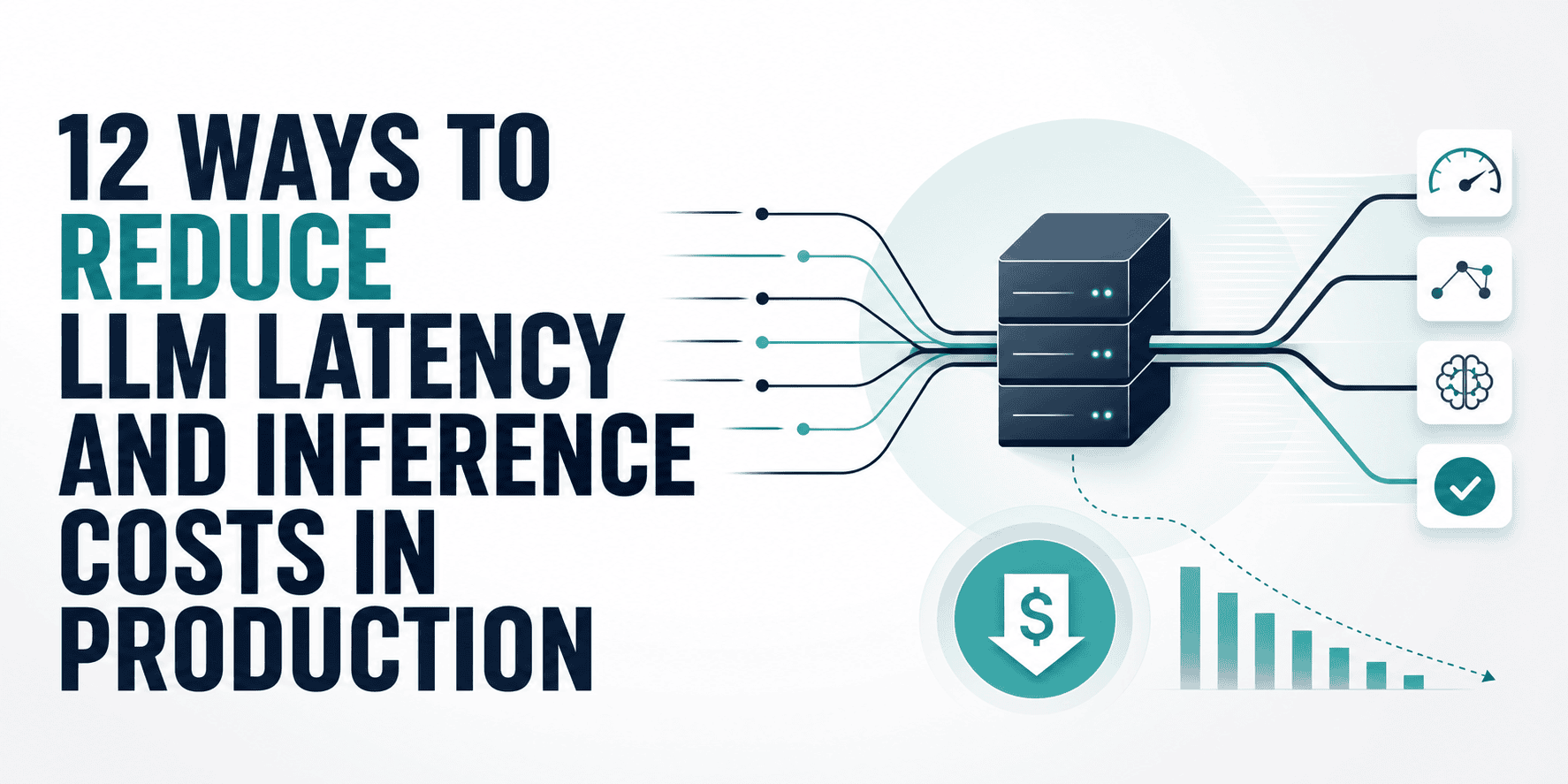
Stop Wasting Compute: Smarter Ways to Speed Up LLM Inference
Scaling LLMs isn't about adding GPUs. It's about removing wasted work from every request. That distinction shapes our latest guide, which lays out 12 practical ways to cut latency and inference costs without chasing hardware. Each tactic targets the inefficiencies that quietly slow production systems. If you're ready to move past brute-force scaling, this is where you start. For a deeper look at how distributed systems underpin these choices, our guide on unlocking distributed training algorithms pairs well with the conversation.