production
42 stories filed under production on Beyond Market Intelligence. The newest of them: “From vibe-coded app to reliable product: how real teams build for launch”, “Factory robots retrain in minutes, not weeks, for delicate assembly tasks”, and “Production RAG's Missing Piece: Confident Answers, Honest Refusals”. Vibe-coding gets a product into the world fast, but shipping something real requires more than speed. Factory robots can now retrain for delicate assembly tasks in minutes, not weeks. Acme AI is the next-generation, AI-powered spreadsheet platform built to replace Excel and redefine how analysts, data scientists, and enterprise teams work… The list below is every production story on Beyond Market Intelligence, newest first.
From vibe-coded app to reliable product: how real teams build for launch
Vibe-coding gets a product into the world fast, but shipping something real requires more than speed. This story follows teams that bridged that gap, turning experimental prototypes into launch-ready tools by embracing structure without sacrificing momentum. It's a practical look at how good ideas survive the messy transition from exploratory code to reliable software. For a taste of how rapid innovation meets real-world constraints, see our piece on factory robots retraining in minutes.

Factory robots retrain in minutes, not weeks, for delicate assembly tasks
Factory robots can now retrain for delicate assembly tasks in minutes, not weeks. Industrial Next is solving a real problem: automating complex work that has long required human hands. This isn't about replacing people, it's about empowering manufacturers to move faster. If you're curious about how technology reshapes established industries, you might also enjoy learning how Apple reframes the smart home with its newest connected display.
Production RAG's Missing Piece: Confident Answers, Honest Refusals
Moving a RAG prototype to production means confronting the gap between demos and dependable answers. The checklist we needed focuses on citations for every response, the confidence to refuse when context is insufficient, and access control that resists clever workarounds. Ingestion should never block a user. This is about building trust through honesty. For a deeper look at how systems handle uncertain inputs, our guide on multi-armed bandit simulations offers a useful parallel. Watch the full breakdown here.
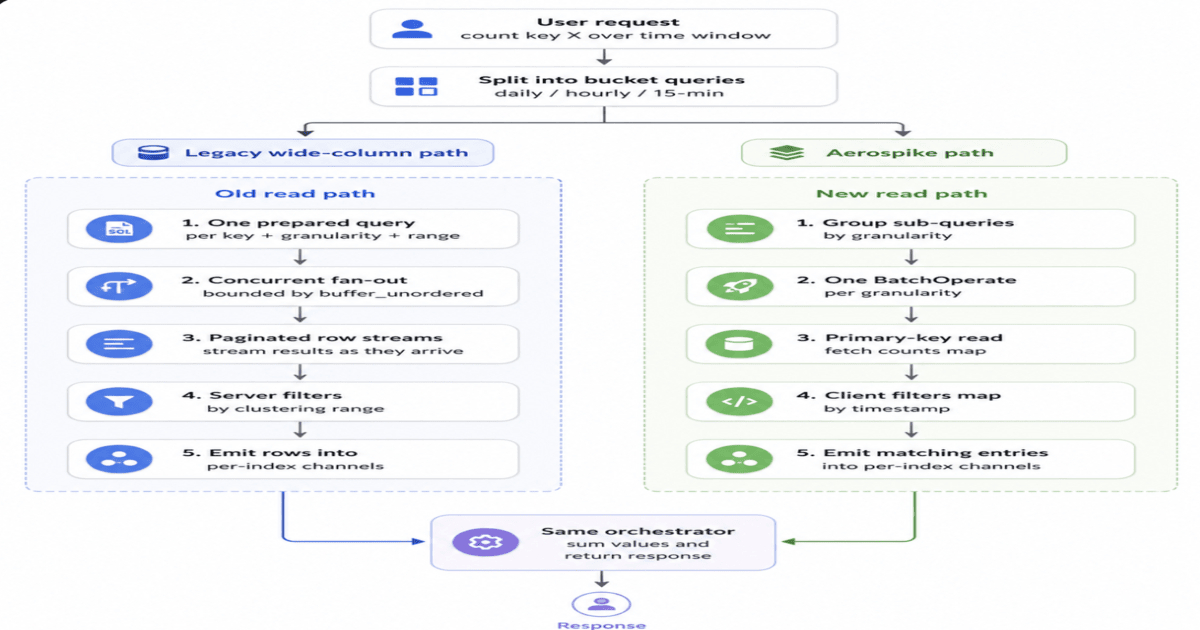
Grab Cuts Spreadsheet-Style Data Delays With a Smarter Storage Shift
Grab cut spreadsheet-style data delays by rethinking how it stores high-volume Counter Service data. Moving from a wide column database to Aerospike, with storage abstraction, shadow traffic, and gradual migration, slashed production p99 read latency by roughly 50%. Disk usage dropped to 1 TB from 3 TB, and per-node costs fell up to 50%. That is a smarter storage shift worth exploring. For deeper engineering lessons, our piece on building Python AI libraries in production pairs well with this story.
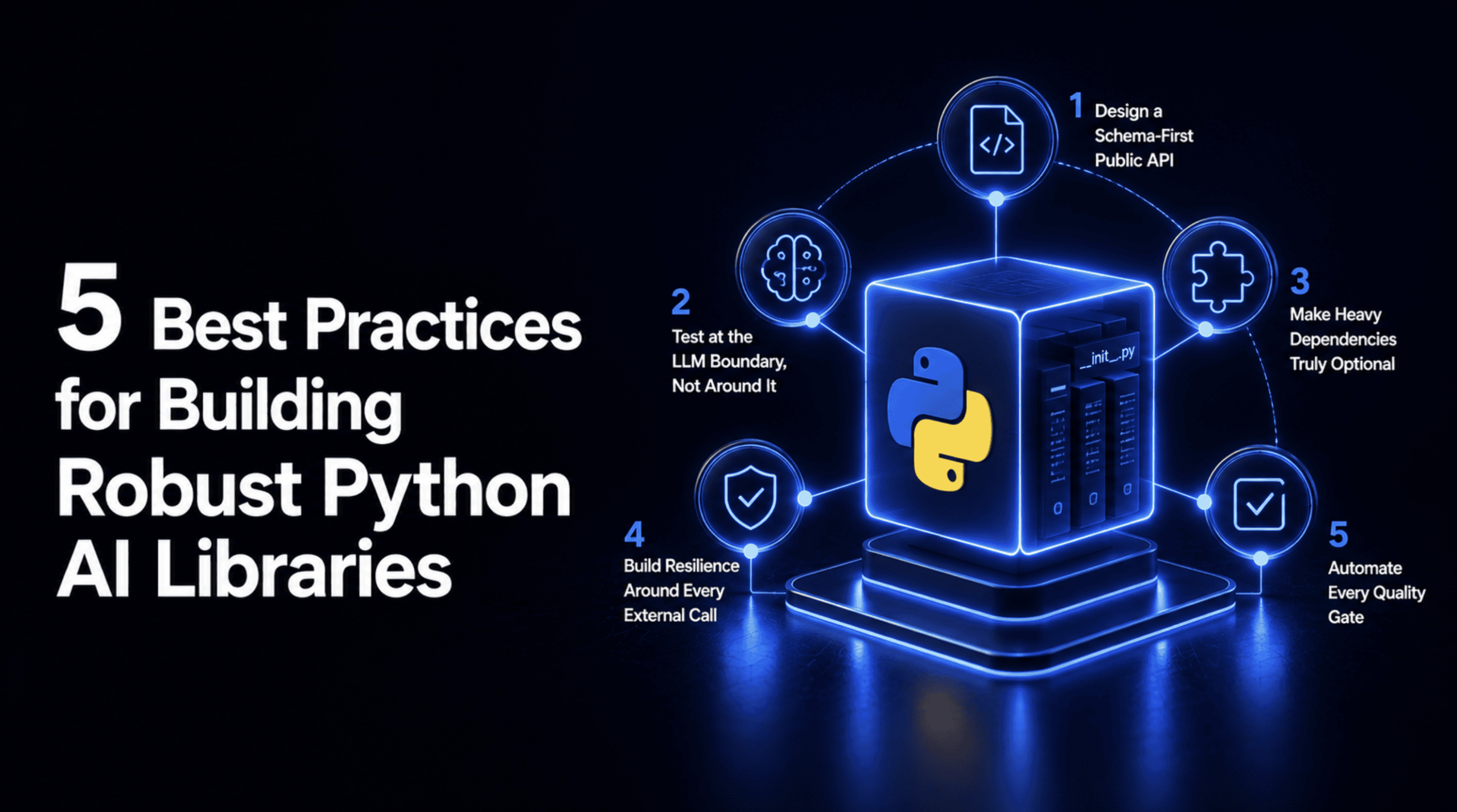
From demo to production: build Python AI libraries that deliver
Building a Python AI library that works in a demo is one thing. Making it survive production is another. This guide cuts through the noise, covering the best practices that separate a polished SDK from a prototype. It's about writing code that delivers real outcomes, not just clever demos. For more on how AI transforms workflows, see our coverage of "Discover how Dots by OpenAI transforms chaotic meetings into clear actions."

Lucid's production slowdown signals a strategic shift toward sustainable growth
Lucid is pressing pause on production, and that is a smart move, not a setback. After years of chasing mass-market demand that never fully materialized, the company is choosing deliberate restraint over reckless volume. It signals a mature shift toward sustainable growth, even if it means fewer cars on the lot for now. For context, Rivian's R2 momentum just drove a record-breaking 19,000-plus deliveries, proving that measured execution can still win the race. Lucid is learning that lesson the harder way.
The Hidden Challenges of Deploying AI Agents in Real-World Use
Deploying AI agents in production reveals challenges that no sandbox environment can simulate. A Reddit user recently asked practitioners to share what broke after real customers started using their agents. The answers are telling: unpredictable edge cases, data drift, and security gaps that only emerge under live conditions. One related article, "AI Agents Shared User Images, Highlighting Data Security Concerns," underscores this exact risk. The gap between demo and deployment is wider than most anticipate. It demands humility, not hype.

Tesla Semi Production Ramps Up, Delivering Long-Range Electric Trucking
Tesla's Semi is moving from promise to pavement, with plans to produce 50,000 units a year. That scale matters because a 500-mile range isn't just a spec; it's the threshold that makes electric trucking viable for real logistics routes. We see this as a deliberate push to normalize long-haul electrification, not a flashy stunt. For fleets tired of range anxiety, this ramp signals a practical shift. Curious how similar momentum is shaping autonomy? Our piece on Waymo's Texas fleet growth offers a useful parallel.

Explore Scalable 2D Semiconductor Manufacturing with Nexstrom's New Equipment
Singapore-based Nexstrom has secured new funding to build equipment aimed at helping chipmakers manufacture 2D semiconductor materials at scale. That is a meaningful step toward moving these materials beyond the lab and into practical production. The challenge has always been consistency, and Nexstrom is positioning itself to address that head-on. For those tracking how AI-native infrastructure is reshaping hardware, this is worth watching. It pairs well with our recent look at Nscale's $3.36B push into AI-native spreadsheet infrastructure.
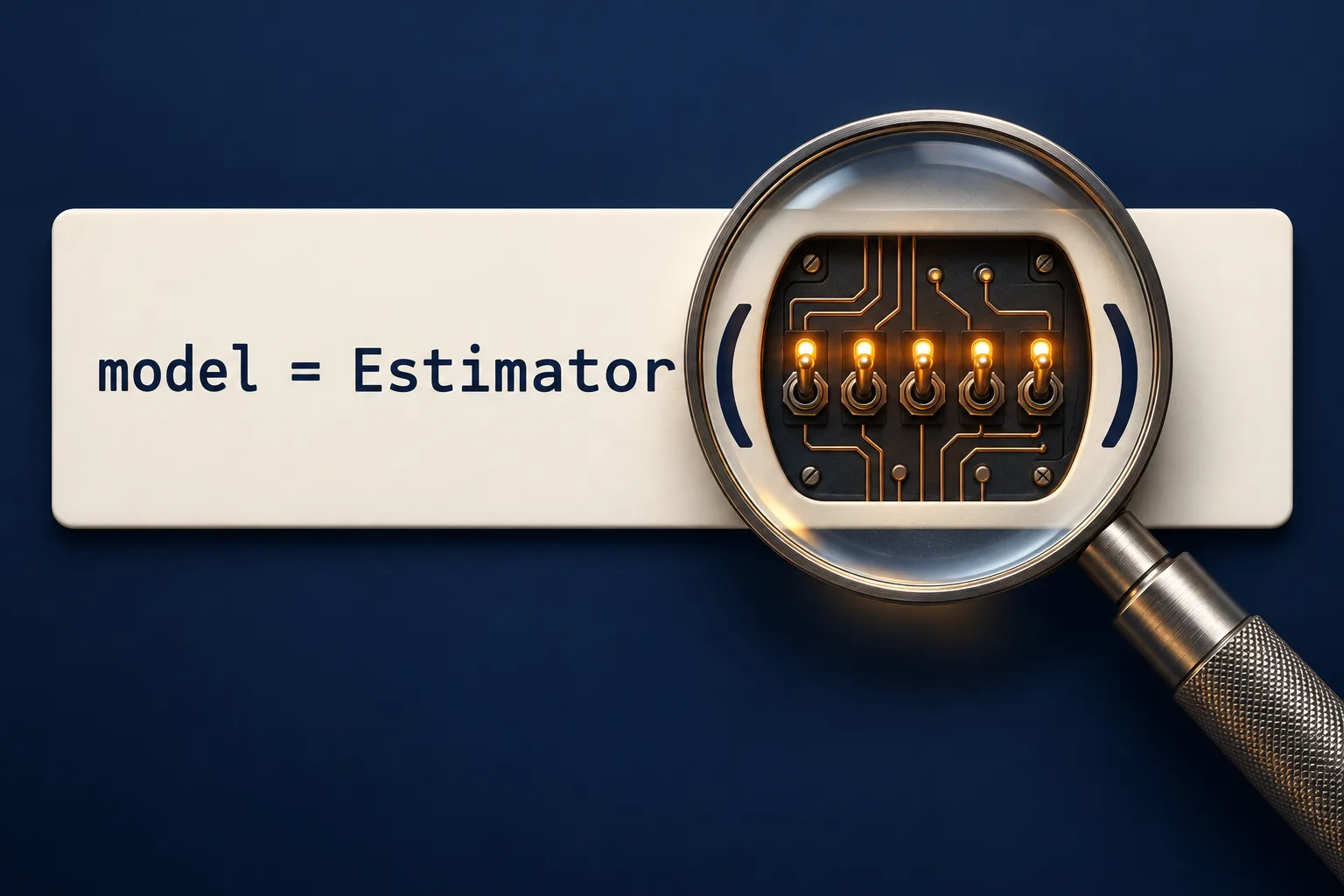
When AI Writes the Code, Do You Trust the Defaults?
AI assistants are remarkably good at writing code, but they don't always question the assumptions baked into the libraries they use. That gap is where subtle errors hide. This piece examines five scikit-learn defaults that deserve a second look before you ship. It's a practical, grounded reminder that trusting the tool isn't the same as understanding it. If you're building for production, this is worth your attention. For broader context on model deployment challenges, our related piece on real-world computer vision offers useful perspective.

Unlock Advanced RAG: 6 Architectures for Semantic Search & LLMs
Basic graph retrieval only gets you so far. This guide walks through six production-oriented architectures that pair semantic search with knowledge graphs and LLM reasoning, giving practitioners a practical route beyond simple vector lookups. It's a grounded, no-nonsense read for teams ready to move past toy demos. For a deeper look at how LLMs handle structure internally, pair it with our piece on paragraph structure and token space. The ideas complement each other well.

From prototype to production: scale your startup with expert guidance at Disrupt 2026
Scaling from prototype to production is where most startups hit their real test. At TechCrunch Disrupt 2026, Adrian Macneil, John Mackey, and Boris Sofman will show you how to navigate that leap with confidence. Register before September 25 to save up to $200 on your pass. It's a practical investment in your company's next phase. And if you're tracking how AI-native infrastructure is reshaping the sector, our piece on Nscale's recent funding round is worth a look. Come ready to build.
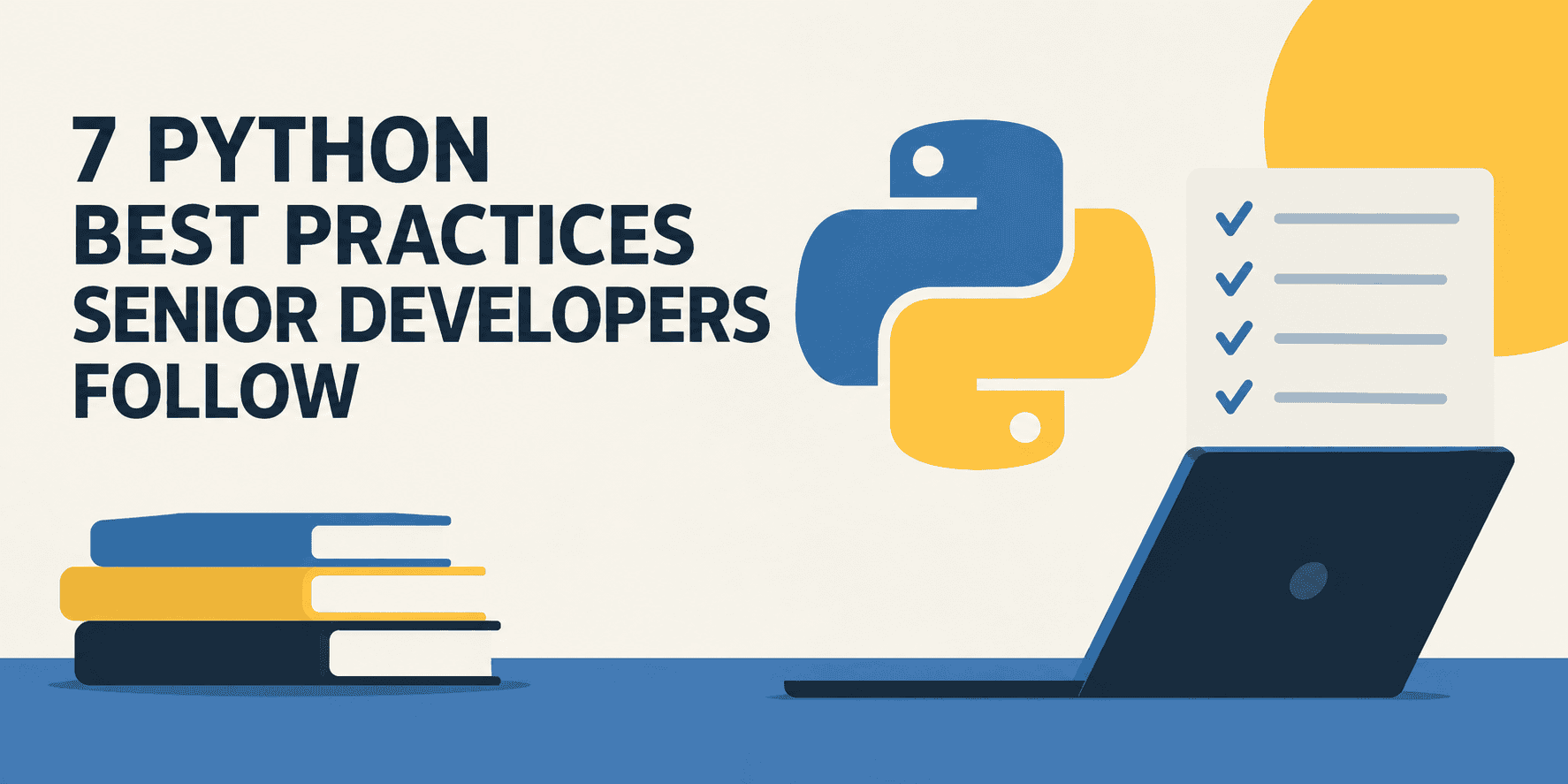
Seven Python habits that surface surprises before production does
Watching senior developers work is less about speed and more about calm. The seven practices they follow are built to reduce surprise, catching issues before they ever reach production. It's a discipline that values foresight over cleverness. If you're ready to move beyond syntax and into mindset, these habits are worth your attention. For a deeper look at how advanced thinking reshapes code, our piece on unlocking Python's potential pairs well with this. The goal isn't to do more. It's to make the unexpected rare.

Own Your Decisions: Auditable AI with DMN and Agent Skills
Enterprise AI has a trust problem. When models return different answers to the same question, high-stakes decisions become risky. Alex Porcelli tackles this head-on in his presentation, showing how DMN decision models bring determinism back into agentic architectures. By pairing them with LLMs and NeMo guardrails, he gives business leaders ownership of decision logic while engineers keep governance intact. It's a practical path to accountability, not just another framework.
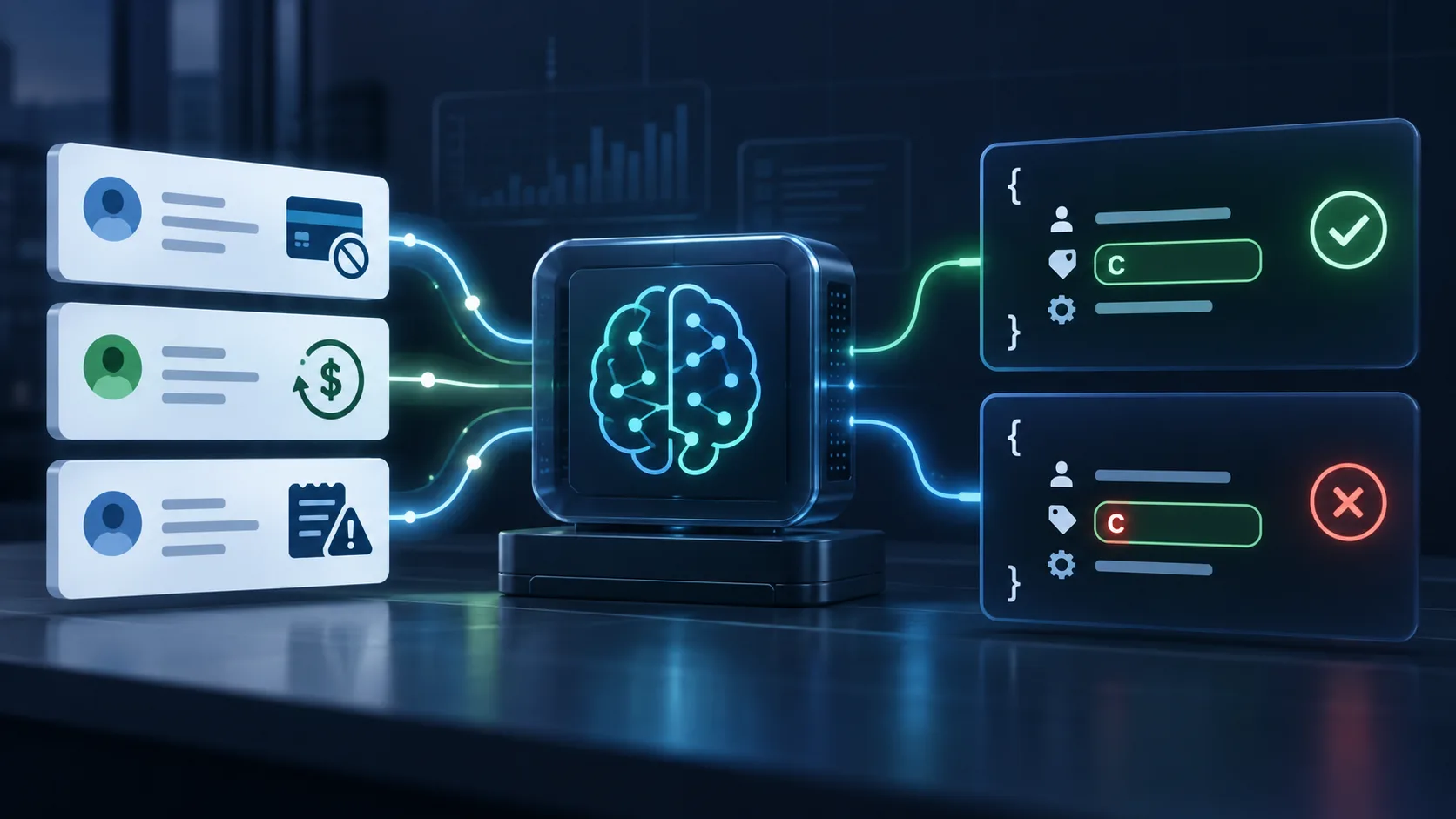
How One Capital Letter Can Break Your AI Support Bot
A single uppercase letter can quietly break an AI support bot, and the culprit wasn't the new model. This real Weave project regression-tests three OpenAI models against the exact reply format your app depends on. It's a sharp reminder that precision matters more than model size. If you're building on these tools, this is the kind of detail worth verifying early. For a related angle, our piece "Verify Your AI's Understanding: A Simple Check for Tax Season" offers a practical parallel.

Simulation-Driven Testing Turns AI Agents from Demo to Production Reality
Most AI agents never leave the demo room. Zhou Yu sees that bottleneck clearly, and she's addressing it head-on with simulation-driven testing that tackles compliance and reliability before deployment. Her work with Columbia and Arklex AI uses synthetic user personas and trajectory entropy to stress-test multi-turn agents, catching edge cases that typically slip through. It's practical, human-centered engineering. For a deeper look at how AI moves beyond the lab, explore our related piece on unlocking enterprise potential.

Federal regulators examine Tesla's autonomous Cybercab rollout in Austin
The federal government has opened an investigation into Tesla's Cybercab deployment just hours after the first production units hit Austin streets. That timing is telling. It suggests regulators are watching closely as autonomous vehicles move from testing phases into real-world operation. The scrutiny is understandable, even necessary. As this technology accelerates, oversight becomes the counterbalance to ambition. For a deeper look at how these systems function in practice, our piece "Exploring Real-World Computer Vision: Deployments, Edge Models, and Current Challenges" offers useful context.

Hollywood talent explores microdramas as a new creative frontier.
Eight-figure checks and exotic locations are no longer the only draw for A-list talent. Several Hollywood celebs are now turning to microdramas, trading traditional productions for a format built for rapid, mobile-first viewing. It's a pragmatic move, not a desperate one. These actors see where audience attention is heading and want in on that energy. The shift feels less like a gimmick and more like a smart bet on where storytelling is going.
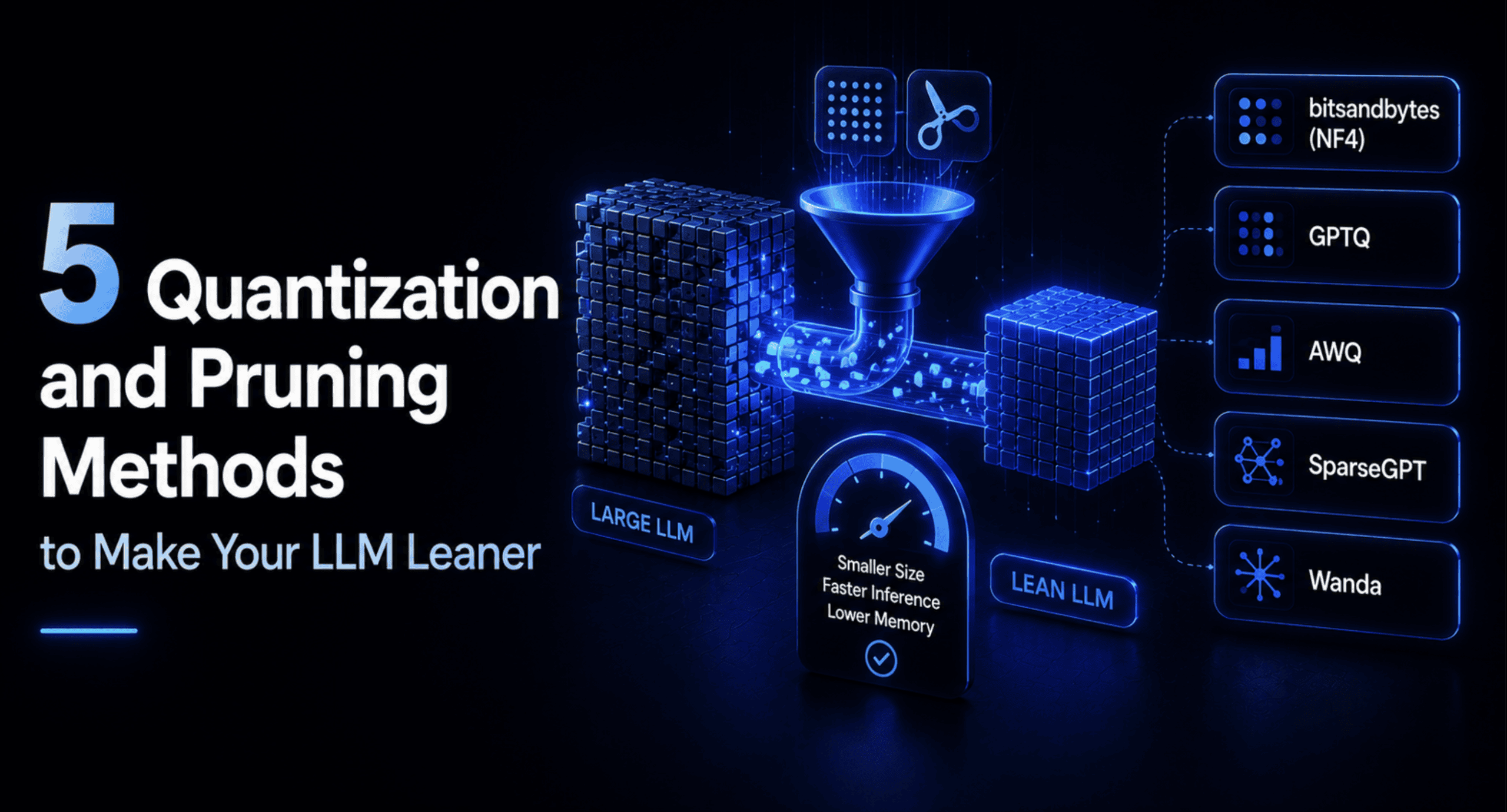
Five Production Methods to Make Your LLM Leaner and Faster
Every parameter in your model costs money, and too many of them mean your inference bill climbs with every prompt. Quantization and pruning are how you cut that weight without gutting performance, and skipping them leaves you paying for latency you do not need. Quantization and pruning cut model weight without gutting performance, and five production methods demonstrate how. If you are still unpacking how distributed systems shape model training, our guide to distributed algorithms pairs well with this one.

Future-Proof Your Spring Boot Services with Post-Quantum Crypto Patterns
The threat of Harvest Now, Decrypt Later is already here, and Pankaj Sharma's piece on post-quantum cryptography in Spring Boot cuts through the noise with four concrete patterns you can ship this sprint. Encrypting service payloads, locking database fields, securing long-lived documents, and moving tokens off RS256 are practical starting points. His warning is sharp: none of this is production-safe without KMS or Vault in place. It's a grounded, action-oriented guide for teams ready to future-proof their data. For broader infrastructure context, our Kubernetes 1.

Why Your Best Fraud Model Might Not Belong in Production
Six models trained for fraud detection, yet the one with the best metrics never made it to production. That's the honest hurdle this final-year project exposes: evaluation scores don't always translate into real-world deployment. It's a grounded lesson in how operational constraints, not just accuracy, shape what actually ships. For anyone moving from academic benchmarks to practical systems, this is a useful reality check.
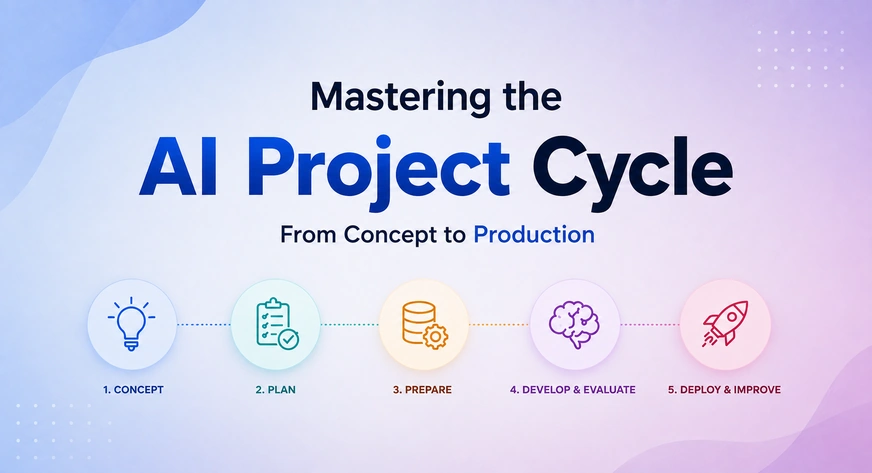
From Problem to Production: Navigating the AI Project Lifecycle
Picking a model and feeding it data is only the beginning. Real AI projects demand a structured path, one that starts with the right problem and carries through to deployment, monitoring, and refinement. That journey is the AI Project Cycle, and this piece breaks it down clearly. We appreciate how it frames the process as an accessible roadmap rather than a maze. If you are ready to go deeper, our guide to distributed algorithms offers a practical next step for those scaling their efforts.

Progressive Deployments for Stateful Infrastructure That Actually Works
Core infrastructure fails differently than applications, and pretending otherwise is how outages happen. In this presentation, Ian Nowland, drawing from his leadership at AWS and Datadog, confronts why conventional CI/CD practices break down for stateful, foundational platforms. He offers actionable techniques for safe progressive deployments and synthetic testing in production, all aimed at mitigating blast radius. It's a grounded, practical look at a complex problem.
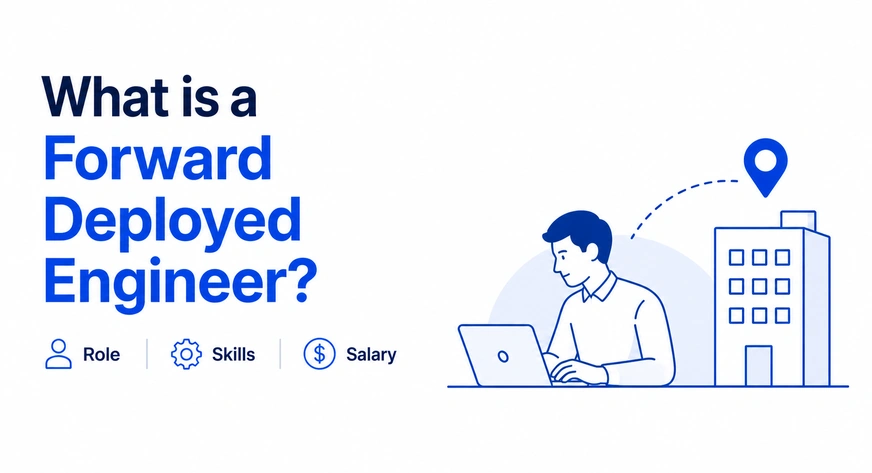
How Forward Deployed Engineers Turn Code into Action
A forward deployed engineer doesn't just advise from a distance; they sit inside your infrastructure and ship code that stays in production. That's a sharp contrast to consultants who hand over reports and leave. The role demands technical range and a comfort with messy, real-world constraints. What makes it compelling is the honesty of the premise: this job exists because generic solutions often fail. If you're exploring how technical roles evolve, our piece on AI agents learning by editing context offers a useful parallel.