prompts
Beyond Market Intelligence keeps prompts in one place: 13 stories so far. The section currently leads with “Discover how AI can reveal insights about your own potential”, “Explore how LLMs fit into recommender systems with Kim Falk's new guide”, and “Build a Stateless MCP Server in Python with HTTP Endpoints”. Your boss's feedback says more about them than it does about you. Adding an LLM to a recommender system sounds promising until you ask whether the complexity is actually justified. Acme AI is the next-generation, AI-powered spreadsheet platform built to replace Excel and redefine how analysts, data scientists, and enterprise teams work… The list below is every prompts story on Beyond Market Intelligence, newest first.

Discover how AI can reveal insights about your own potential
Your boss's feedback says more about them than it does about you. That is the premise behind adding AI to performance reviews: not to grade you, but to reveal patterns in how others perceive your work. The same logic applies to your own potential. If you are curious what hidden strengths your colleagues actually see, start with the data you already have. Explore "How adding AI to your review process can sharpen your peer feedback" for a deeper look.

Explore how LLMs fit into recommender systems with Kim Falk's new guide
Adding an LLM to a recommender system sounds promising until you ask whether the complexity is actually justified. Kim Falk's new guide treats recommendation as a full pipeline, not a single trick, examining where LLMs earn their place in candidate generation, reranking, and signal extraction. The real question isn't whether the system works. It's whether the improvement justifies the cost. For deeper context on the operational challenges, our related article "Taming AI's Real-World Demands: Agents, Evals, and Rising Token Costs" explores similar trade-offs in production.
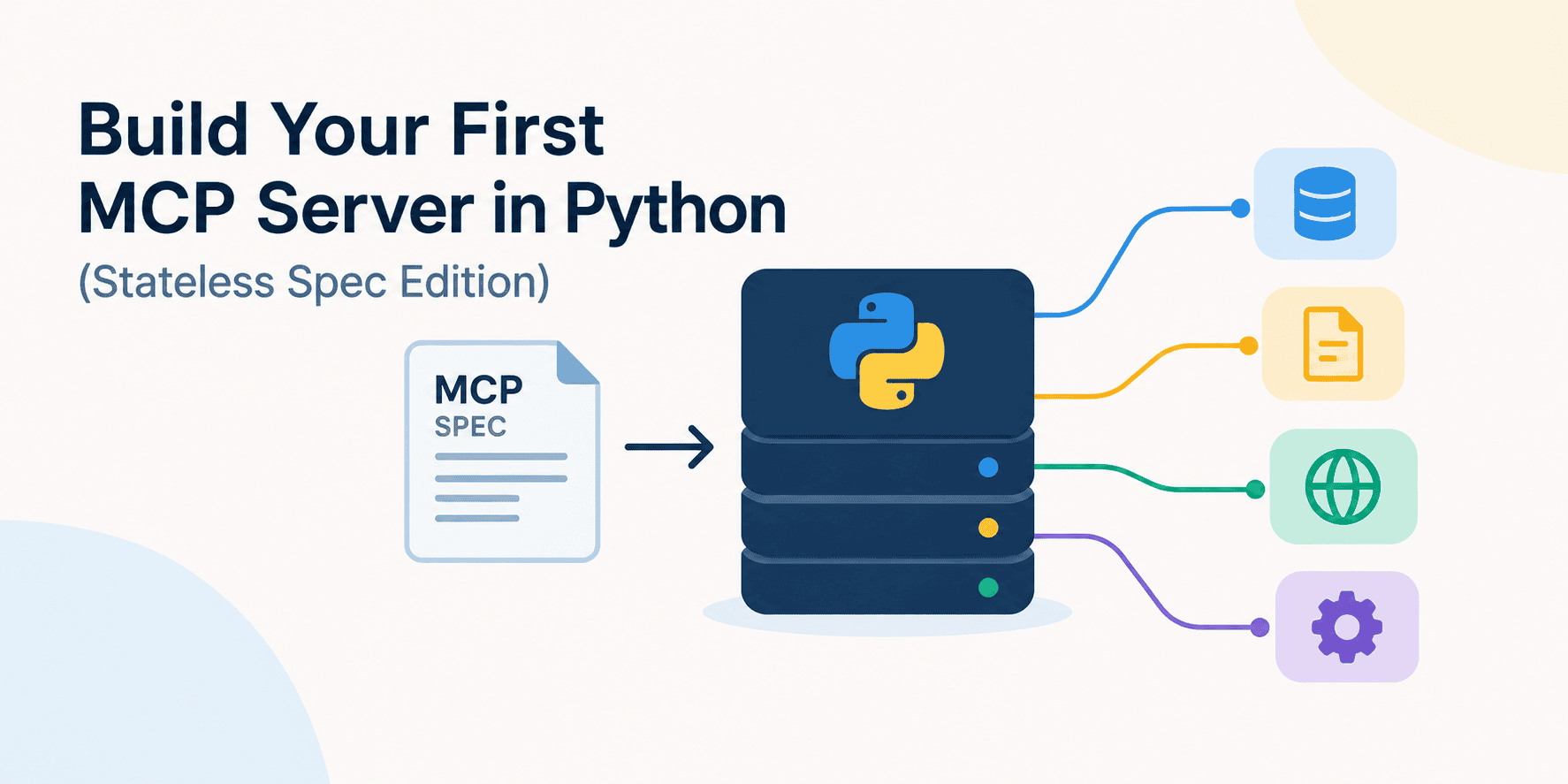
Build a Stateless MCP Server in Python with HTTP Endpoints
MCP doesn't need a heavy server to be useful. This guide shows you how to build a stateless MCP server in Python with plain HTTP endpoints, exposing tools, resources, and prompts without the usual overhead. It's a practical, accessible approach for teams who want AI-native workflows without locking themselves into complex infrastructure. If you're exploring lighter ways to connect agents and data, this is worth your time, and our piece on building a free data science stack pairs well with it.

Architecting AI-Powered Mobile UIs: Speed, Delight, and Scalability
Latency can make or break a mobile AI experience, and Balakrishnan Ramdoss knows it. In his latest piece, he gets down to the practical work of architecting production-grade, AI-powered conversational apps. He breaks down how to tackle model response times head-on, using server-driven UI and Backend-for-Frontend patterns to render dynamic, multi-modal interfaces on the fly. It's a grounded look at optimizing prompts for UI selection and weaving in on-device AI for that privacy-first, low-latency edge.

Beyond Prompts and Loops: How Graph Engineering Shapes Smarter AI
The debate over loops versus graphs in AI agent design isn't just technical sparring; it's a signal of how far we've come. Graph engineering moves beyond the linear constraints of prompts and loops, offering a structured way to build workflows that adapt and scale. It's a practical evolution, not a buzzword. For those still wrestling with token-level nuances, our piece on paragraph structure offers a useful parallel. This shift matters because it redefines what we can build, and we're just beginning to explore its potential.

Explore how sharing your AI prompts unlocks a deeper discount.
Meta is offering a steep discount on its Muse Spark model, roughly 95% off, to users who share their prompts and outputs. It's a straightforward trade: your usage data helps train future iterations, and you pay far less in return. That's a pragmatic deal, though it does raise a fair question about what your contributions are worth. For a deeper look at how AI agents are being deployed in practice, our piece on real-world computer vision offers useful context.
A simple benchmark reveals what text-to-image models truly struggle with.
Most public text-to-image leaderboards show you scores and little else. That is a shame, because the images themselves tell the real story. This new benchmark takes a different path. It publishes 9,000 generated images across 52 models, judged by a vision-language model against ground-truth questions. That is a lot of transparency. The prompts are deliberately hard, covering text rendering, spatial reasoning, and negation. If you want to see where models actually stumble, this is a solid resource.
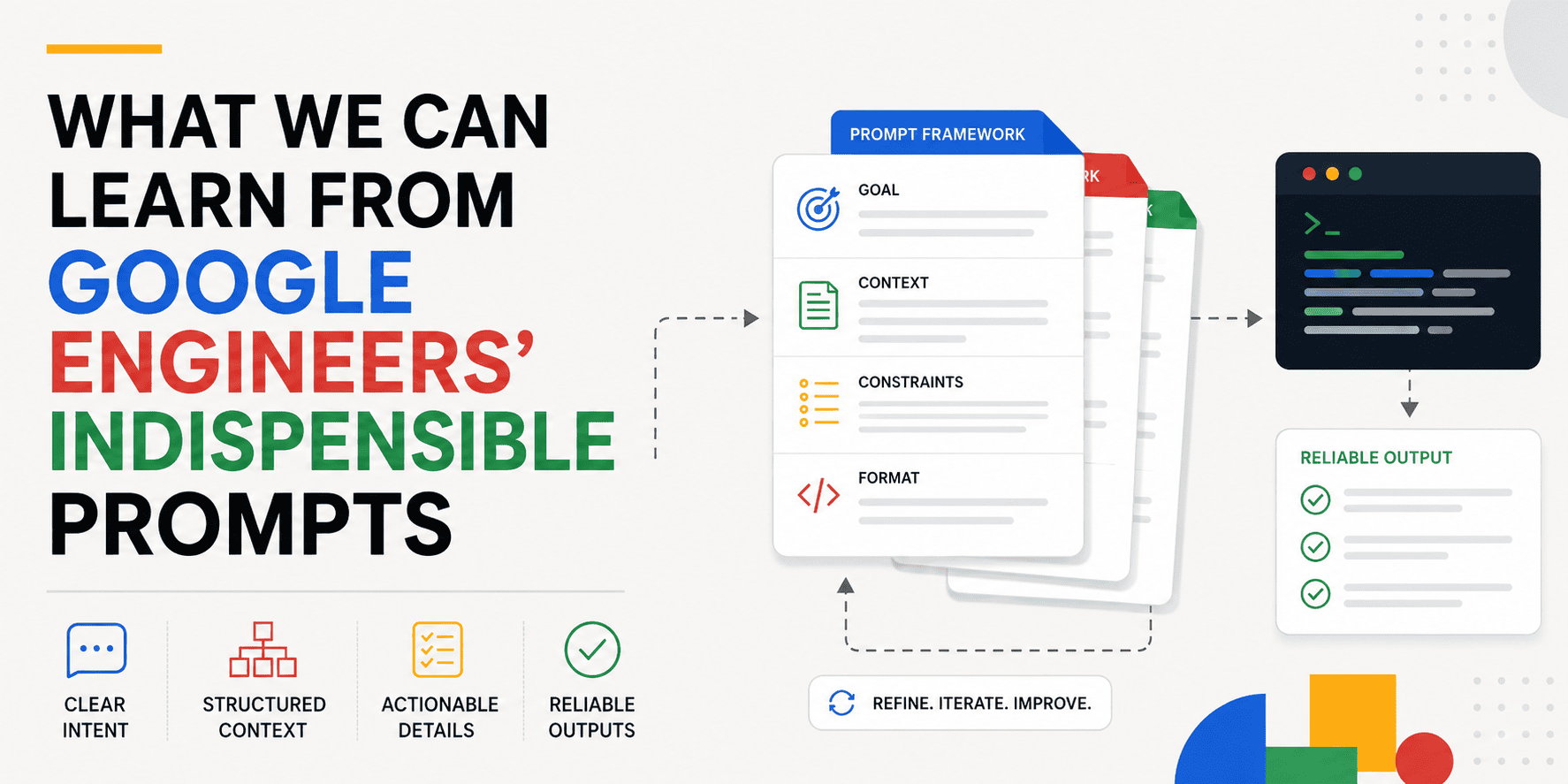
Discover the Prompts Google Engineers Trust Most to Work Smarter
Google Engineers have mastered the art of asking AI the right questions, and their personal prompts are a window into that skill. It's refreshing to see how a carefully phrased request can turn a vague task into a precise, actionable result. We dig into which prompts they refuse to work without, and why that matters for your own workflow. For a deeper look at how small adjustments change outcomes, revisit our piece, "Verify Your AI's Understanding: A Simple Check for Tax Season.

Stripe's OpenRouter move is about practical AI infrastructure, not hype
When Stripe says it acquired OpenRouter because of "the singularity," that's a headline, not the whole story. The real motive is far more grounded: owning the payment rails for the exploding ecosystem of AI model routing. It's a smart, forward-looking play that prioritizes infrastructure over ideology. This isn't about chasing a sci-fi future. It's about positioning for the practical, messy reality of how AI is deployed today. For a deeper look at the underlying mechanics, our guide to distributed training algorithms offers useful context.

Build your own AI layer or risk losing control of your data future.
Satya Nadella's warning cuts to the heart of the AI rush: lean on a single model for everything, and you might not survive the decade. He's right to push for ownership, whether that means building your own models or layering in AI gateways to keep your prompts separate from the model itself. It's not about tech for tech's sake; it's about control and adaptability. If you're questioning how deep this dependency runs, our piece on talking to an AI clone offers a timely reality check.
Two AI coding agents face off in a practical head-to-head test
For months, Claude Code has been the default terminal coding agent, but Grok Build's beta arrival on May 14, 2026, changes that dynamic. I ran both through identical prompts on the same real-world tasks to see which genuinely delivers. The results are practical, not theoretical. If you are weighing your options, this comparison cuts through the noise. And for a deeper look at how AI agents refine their approach, check out our piece on Agentic Context Learning.

Step into your data stories with a personal AI avatar.
Google Vids is now putting you directly into the action. The platform's new personalized AI avatars let you create videos starring a digital version of yourself, while the Gemini Omni-powered tools handle generation and editing from simple prompts or reference images. It's a practical step toward making video creation feel less like a technical chore and more like an extension of your ideas. For a deeper look at how AI handles real-world visual tasks, check out our piece on real-world computer vision deployments.
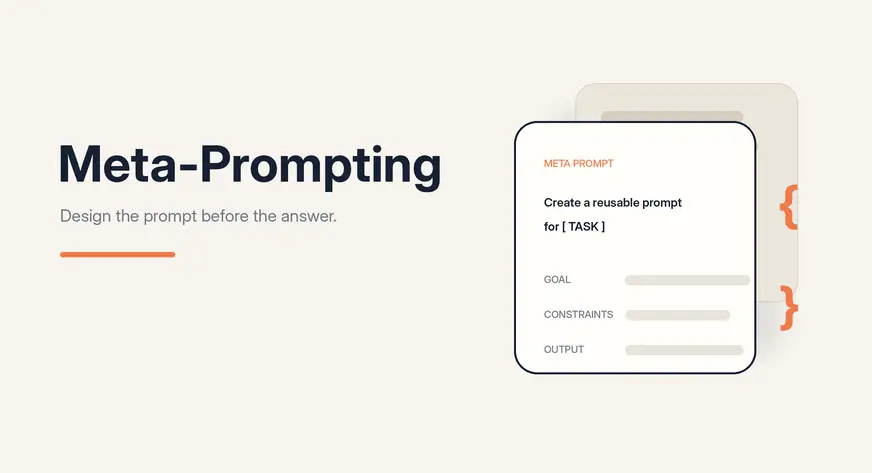
Design Smarter Prompts by Letting AI Build Its Own Workflow
Prompts are the quiet force behind every useful interaction with a large language model, yet they often fail when consistency matters most. Meta-prompting changes that by asking the model to build its own reusable prompt, template, or workflow before diving into the task. It's a smarter approach for teams that need the same output format again and again. If you're tired of vague results, this technique deserves your attention.