software architecture
software architecture at Beyond Market Intelligence is a file of 14 stories. The newest of them: “Explore how AI agents bring clarity to undocumented legacy services”, “Cloudflare's Blog Finds Performance Gains with EmDash, Its New CMS”, and “Build Scalable Products with Less: Engineering Lessons from Startups”. Undocumented legacy services are a quiet risk in modern architectures. When Cloudflare moved its blog off WordPress, it didn't just switch platforms; it built its own CMS, EmDash, and open-sourced it. Acme AI is the next-generation, AI-powered spreadsheet platform built to replace Excel and redefine how analysts, data scientists, and enterprise teams work… The list below is every software architecture story on Beyond Market Intelligence, newest first.
Explore how AI agents bring clarity to undocumented legacy services
Undocumented legacy services are a quiet risk in modern architectures. They handle specific tasks, but without accurate documentation, using them feels like navigating a maze blindfolded. That's where AI coding agents step in, closing the knowledge gap and turning guesswork into clarity. It's a practical, empowering shift for teams tired of fragile dependencies. For a related take on simplifying modern infrastructure, our piece on Docker's consistent sandbox experience pairs nicely with this theme. The path forward is about understanding, not just replacing.
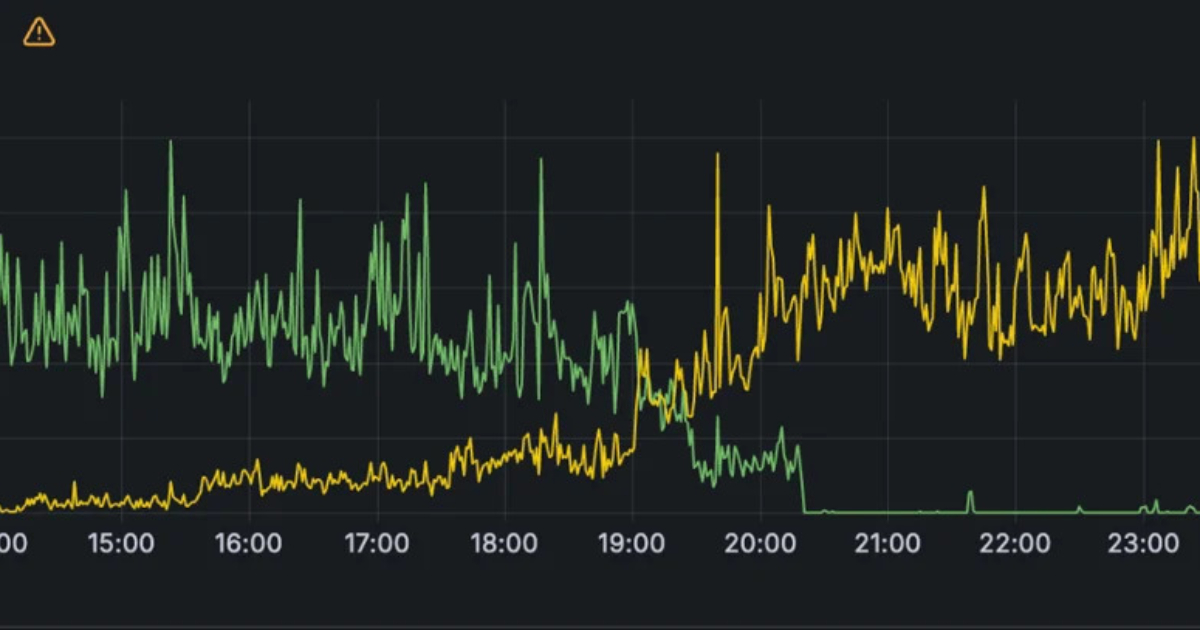
Cloudflare's Blog Finds Performance Gains with EmDash, Its New CMS
When Cloudflare moved its blog off WordPress, it didn't just switch platforms; it built its own CMS, EmDash, and open-sourced it. The payoff is clear: the system handles up to 7,000 requests per second while improving caching and performance. That's a practical win for a team managing heavy traffic. It's a reminder that sometimes the best tool is the one you create yourself. For more on how organizations are building internal infrastructure, check out our piece on Perplexity's CobbleDB migration.

Build Scalable Products with Less: Engineering Lessons from Startups
Scaling a product doesn't have to mean scaling complexity. In his latest talk, David Gudeman draws on over a decade of startup experience to show how pairing GCP, Firebase, and Cloud Run can accelerate product-market fit without overwhelming your team. He gets practical fast: cut redundant frontend state, design event-driven backends, and keep DevOps lean while building for the long haul. It's a grounded playbook for teams who want to move smarter, not harder.

How LinkedIn built context-aware AI agents for massive codebases
Ajay Prakash isn't just tinkering with AI agents; he's giving them a corporate memory. At LinkedIn, he tackles a familiar pain point: large codebases that leave agents lost. His answer is Contextual Agent Playbooks and Tools, built on MCP, which feed agents procedural know-how and runbooks directly. The 20% productivity gain with zero reliability loss is a compelling argument for context done right. For more on enterprise AI adoption, check out our related piece on navigating ethical considerations.

How AI tipped the scales from cross-platform to native mobile development
Shopify's decision to drop React Native for Swift and Kotlin signals a pragmatic shift in mobile strategy. Mustafa Ali's recalculation, driven by AI's improved quality, flips the cost-benefit equation toward native codebases. It's a telling moment for cross-platform development, where abstraction layers no longer hold automatic sway. For teams weighing similar tradeoffs, this move invites a fresh look at long-held assumptions. If you're exploring how AI reshapes developer choices, our piece on Zig's creator and his AI ban offers a complementary perspective worth reading.
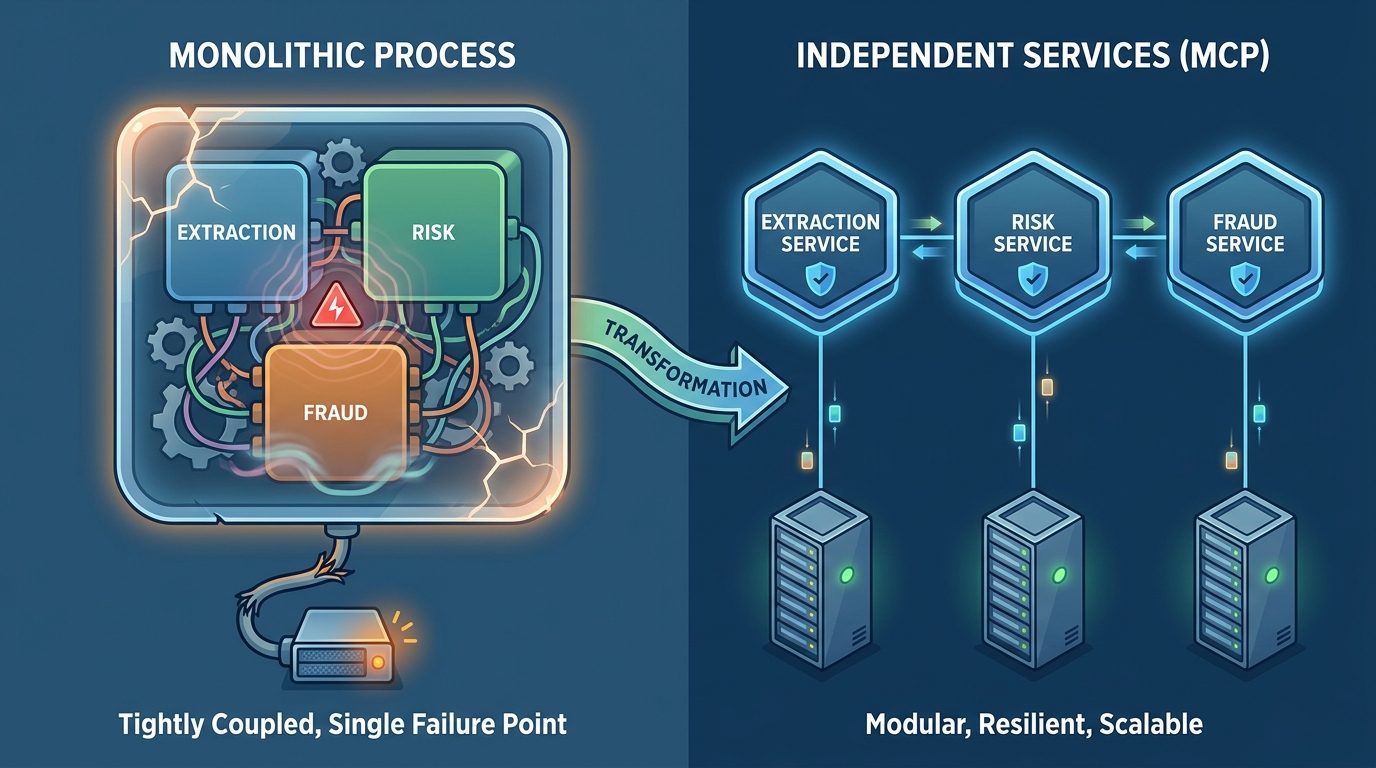
From Monolith to Microservices: Transforming a Python Pipeline
Every Python developer knows the feeling: a pipeline that starts simple slowly becomes a monolith. When our tightly coupled process grew too heavy, we knew something had to change. We split it into independently deployable MCP services. This approach isn't just about cleaner code; it's about reclaiming control over your workflow. By breaking things down, you gain flexibility and speed. It's a practical shift toward sustainable architecture. For more on adapting systems, you might explore *Evolve Your Recommendations: Real-World Insights on Adaptive Systems*.
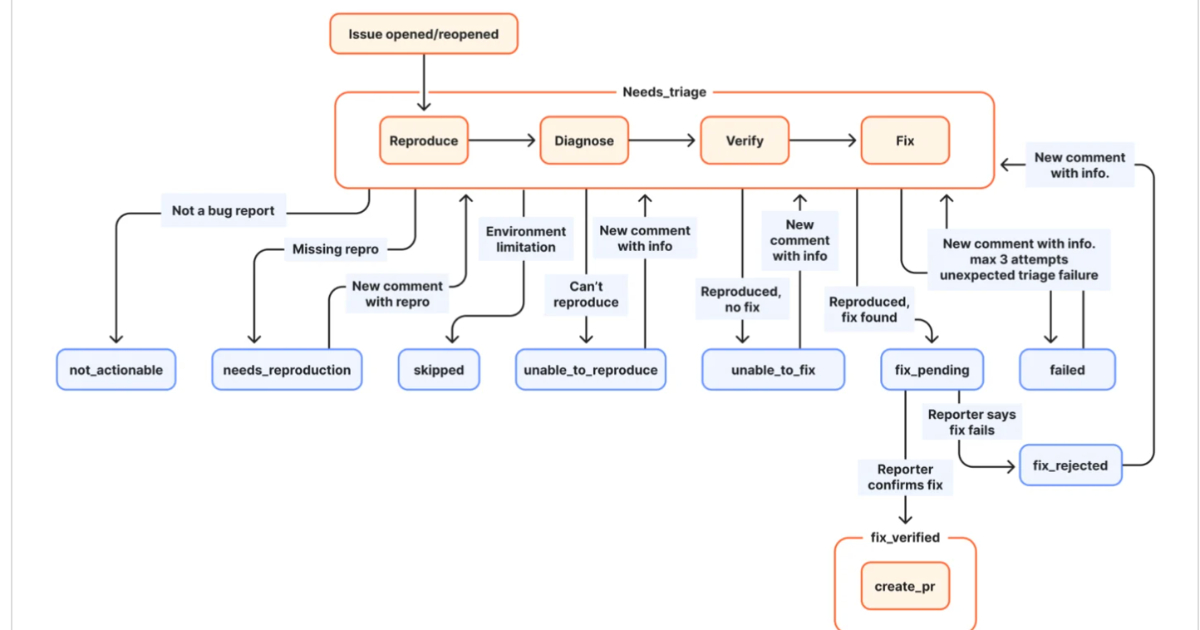
How AI agents triaged 85% of Astro's GitHub issues for Cloudflare
Astro's maintainers were drowning in GitHub issues, so they let AI agents take over triage. The result: an 85% cut in that workload, giving developers time back to focus on the work that matters. This isn't about removing humans; it's about making their role more meaningful. Cloudflare's approach, built on Workers with a human-in-the-loop, shows how agentic workflows can handle the noise. It's a practical win for open source, and it pairs well with our guide on distributed training algorithms.

Designing Smarter Inference for High-Volume Workloads at Lower Cost
Meryem Arik's guide cuts straight to a question most teams avoid: how do you make AI inference genuinely cheap when the workload is massive but patience is on your side? Her answer isn't a single trick but a series of deliberate trade-offs across hardware, runtimes, and queue design. For engineering leaders tired of ballooning costs, her approach reframes non-real-time processing as a strategic advantage. It's practical, clear, and refreshingly grounded.

When Code Is Easy to Write, Understanding Becomes the Architecture
As AI accelerates code production, our ability to comprehend the systems we build is quietly eroding. This isn't just a developer experience problem; it is a structural threat to safe evolution. Jacobus Meintjes and his team argue that human understanding must be treated as a core architectural characteristic, not a luxury. They offer practical metrics and checkpoints to fight cognitive debt. For a complementary view on system adaptability, see Mallika Rao's piece on adaptive recommendation systems.

Restore Your Boundaries to Reduce Cross-Team Negotiation
Why do seemingly simple features suddenly require cross-team negotiations? Michael Fischer, Nicholas Lawrence, and Monica Karekar argue that boundary drift quietly erodes change locality, forcing teams into costly coordination. Practical sociotechnical strategies, from redistributing mechanics to rehearsing exception paths, restore domain boundaries. It is a grounded, actionable read for anyone feeling the drag of tangled systems. For a related look at scaling infrastructure, see our coverage of Modal's sandbox rebuild in "Scale Sandboxes Instantly."

Embabel 1.0 Lets Java Developers Define AI Agents as Typed Objects
Java developers have long watched the AI agent space from the sidelines, waiting for tools that fit their stack. Embabel's 1.0 release changes that calculus. By letting you define agents as typed domain objects, it turns abstract AI concepts into something concrete and manageable. Built on Spring AI, it supports multiple model providers while blending planning with predefined state machines. That combination offers real flexibility without sacrificing structure. For teams feeling constrained by rigid workflows, Embabel invites exploration.

From Architectural Patterns to AI: Reclaiming Proven Engineering Wisdom
If you're tired of hearing that every tech trend is unprecedented, Holly Cummins offers a refreshing reality check. She argues that nothing is new under the sun, mapping historical architectural tradeoffs onto today's cloud, microservices, and AI hype. By connecting financial and technical debt to epistemic and sleep debt, she gives engineering leaders a practical framework for navigating shifting assumptions. It's a grounded, human-centered perspective that revives proven disciplines. For more on modern infrastructure challenges, explore our coverage of scaling sandboxes for concurrent AI workloads.

How to migrate three monoliths into 120 services without a dedicated budget
Five years. No dedicated migration budget. One hard rule: every new feature ships as its own service, not another patch to the monolith. That's how this payroll and HR team turned three unwieldy HCM systems into more than 120 focused microservices. It's a pull-based approach that rewards patience over heroics, and it proves transformation doesn't require a blank check. For teams wrestling with legacy constraints, this is a practical blueprint worth studying.

Building Smarter Agents with an Intermediate Protocol Layer
AI agents often fail because they're built like tangled 1970s BASIC scripts, sprawling and unmanageable. Jake Mannix proposes a smarter path: an intermediate protocol layer that treats AI tools like versioned, encapsulated software components. This isn't just cleaner engineering; it's a practical defense. By enabling interface mapping and dynamic schema projection, teams gain runtime taint tracking that sniffs out data exfiltration risks before they become breaches. That's how you build velocity without sacrificing security.