software development
software development at Beyond Market Intelligence is a file of 92 stories. The newest of them: “Software engineers will lead by coordinating agents, not just coding.”, “Discover how AI turns code into a film in under a minute.”, and “Smart Code Reviews Balance AI Speed with Human Insight”. Meryem Arik's QConAI 2030 talk cuts to a truth many would rather skim past: the software engineer's role is not disappearing, it's evolving into something broader. A 37-second film is a tight constraint, and Claude Fable 5.1 is making waves by turning a code challenge into a miniature cinematic moment. Acme AI is the next-generation, AI-powered spreadsheet platform built to replace Excel and redefine how analysts, data scientists, and enterprise teams work… The list below is every software development story on Beyond Market Intelligence, newest first.

Software engineers will lead by coordinating agents, not just coding.
Meryem Arik's QConAI 2030 talk cuts to a truth many would rather skim past: the software engineer's role is not disappearing, it's evolving into something broader. She points to token spend management and parallel agent infrastructure as the new operational realities, but the real shift is human. When non-technical builders start steering vendor decisions and regulatory pressure mounts, coding becomes the easy part. Product leadership and multi-agent coordination take over.
Discover how AI turns code into a film in under a minute.
A 37-second film is a tight constraint, and Claude Fable 5.1 is making waves by turning a code challenge into a miniature cinematic moment. It's a clever stress test, one that shows how far AI has come in handling creative, time-bound tasks. We're watching a shift in what's possible, and it's worth exploring how these models handle pressure. If you're curious about the mechanics behind such feats, our guide on distributed algorithms offers a solid foundation.

Smart Code Reviews Balance AI Speed with Human Insight
Finding the right balance between speed and scrutiny is the real challenge in modern development. Ben Linders explores how mandatory AI checks paired with manual spikes for complex changes can keep developers sharp without sacrificing momentum. The approach is refreshingly practical: let AI handle low-risk approvals, but reserve human review for what truly matters. It's a sustainable model for teams that trust their code owners. For more on how AI reshapes technical workflows, our piece on verifying AI's understanding offers a useful parallel.
Explore the architecture that makes OpenCode a smarter choice for AI coding.
OpenCode has outgrown the conversation about model choice. That freedom matters, but it's no longer the headline. What draws us in is the architecture underneath, and the deliberate trade-offs that shape how it works, especially if you're coming from Claude Code. This isn't just another agent. It's a different way to think about building. If you're also exploring how distributed systems power modern AI, our guide to distributed training offers a useful parallel. For now, let's look at what makes OpenCode's design genuinely different.
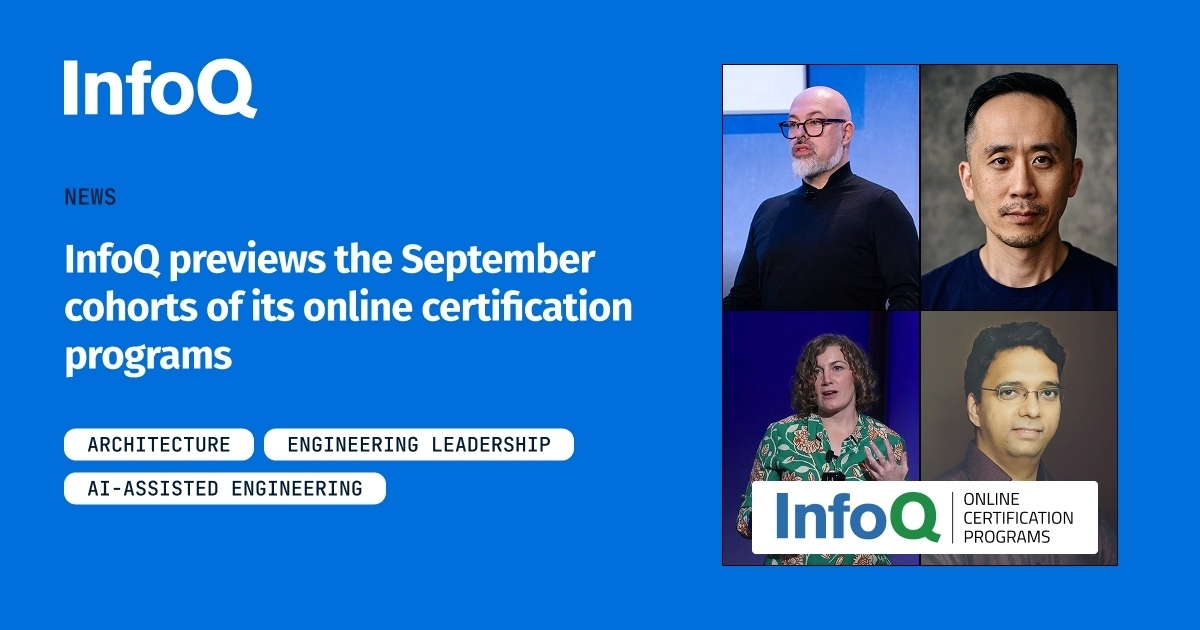
Explore September's certification cohorts with expert-led, future-focused learning paths.
InfoQ is giving us a first look at the September cohorts of its online certification programs, and the lineup is worth your attention. Luca Mezzalira, Michelle Brush, Zichuan Xiong, and Premanand Chandrasekaran are set to lead these sessions, bringing serious depth to the table. We appreciate that InfoQ keeps pushing practical, skills-focused learning forward. If you are aiming to sharpen your distributed systems know-how, our guide on LLM training algorithms pairs well with what these programs promise.
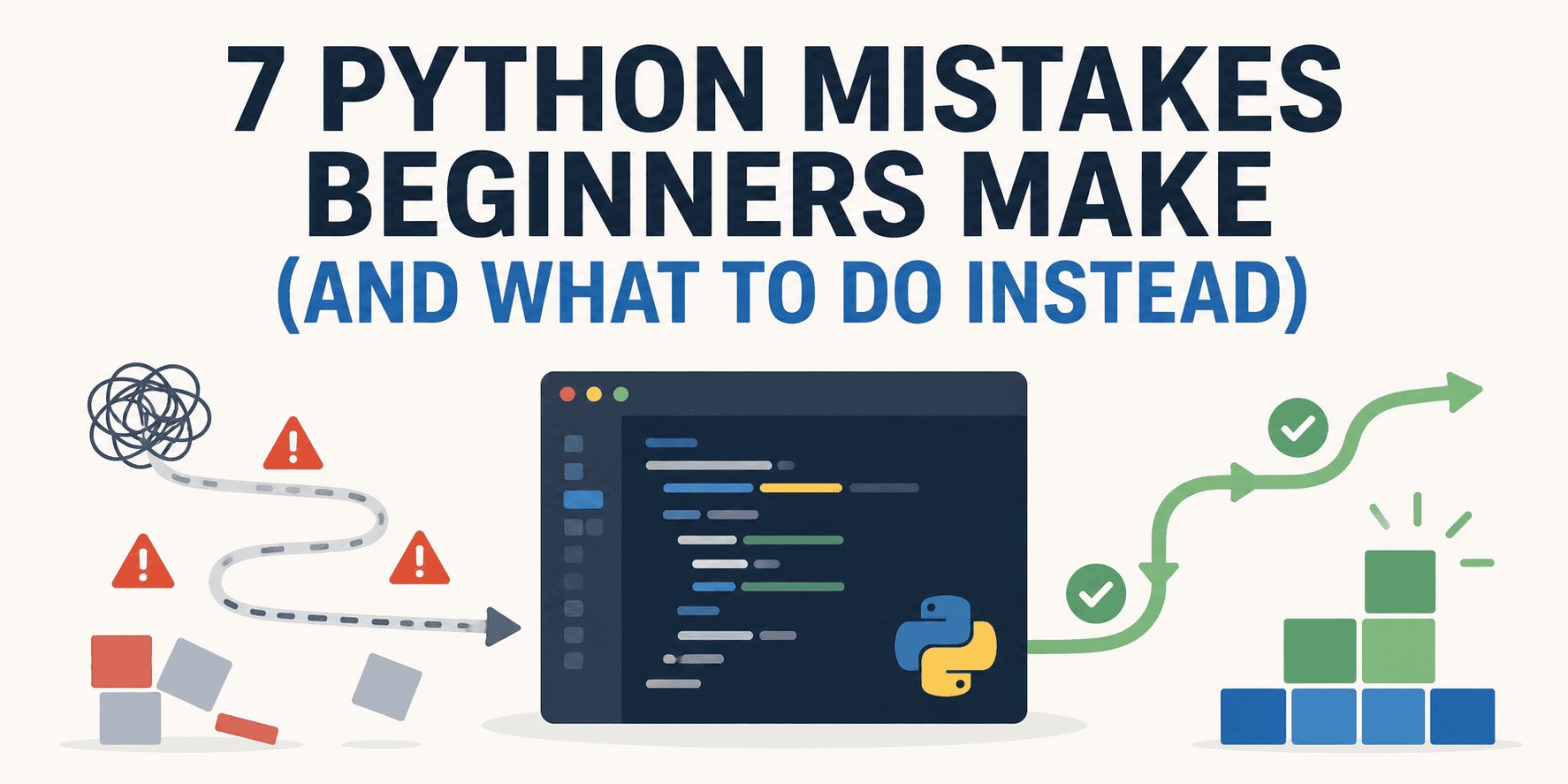
Learn from Common Python Errors to Write Cleaner Code
Your code runs, but it's wrong. That's the frustrating part of Python. The syntax is fine, the program executes, yet the output drifts from what you intended. These seven mistakes aren't typos or crashes; they're silent logic traps hiding in plain sight. We break down each hidden cause and give you the first concrete thing to check, so you can stop guessing and start correcting. For a deeper dive into smarter coding habits, our piece on unlocking Python's potential pairs well with this guide.

Explore how an open-source framework transforms resource scheduling.
Dirk Lemmerman has made FlexGanttFX open source, and that's a meaningful move for anyone building scheduling tools. The JavaFX framework, released under the AGPL license, relies on Canvas rendering to keep performance sharp even when Gantt charts grow complex. Task dependencies and direct editing are built in, so project planning feels less rigid. It's a practical resource for industries that need tailored timelines. If you're curious about how similar frameworks handle unexpected data patterns, our piece on the Forrester function offers a useful parallel.

Choose Your Coding Agent: A Practical Guide to Claude and Codex
Choosing the right coding agent can feel like navigating a maze, especially when both Claude Code and Codex promise to streamline your workflow. This guide cuts through the noise, offering a clear breakdown of where each tool shines. It's a practical read for anyone tired of guessing which assistant fits which task. I appreciate how it prioritizes real-world application over hype.

Build smarter agents by connecting LangGraph to Postgres locally or in the cloud.
Connecting a LangGraph AI agent to Postgres doesn't have to be a headache. This walkthrough shows you exactly how to run the backend locally with Docker or scale it to the cloud, keeping the focus on practical steps rather than abstract theory. It's a straightforward approach for anyone tired of wrestling with database integrations. We appreciate the clarity here, especially since so much AI tooling feels needlessly complex. For deeper context on how LLMs handle structure, our piece on paragraph navigation is worth a look.

Understanding AI Code Estimates for Better Communication
If you've leaned on Claude for coding, you've likely noticed its time estimates can miss the mark. That's not a flaw to fix; it's a signal about how LLMs process complexity. We think that gap actually makes you a sharper communicator, pushing you to clarify scope and break work into smaller steps. It's a practical lesson in collaboration. For more on building that technical foundation, our guide to distributed training algorithms pairs well with this mindset.

Discover how to guide AI agents toward code you can trust
Writing code with AI agents is about more than generating lines faster. It's about steering the output toward quality. This practical guide cuts through the noise, showing you how to work with these tools to get better code, not just more of it. We appreciate the focus on real workflows over hype. For a deeper look at the underlying mechanics, you might also explore our piece, "Unlock LLM Training: A Practical Guide to Distributed Algorithms."
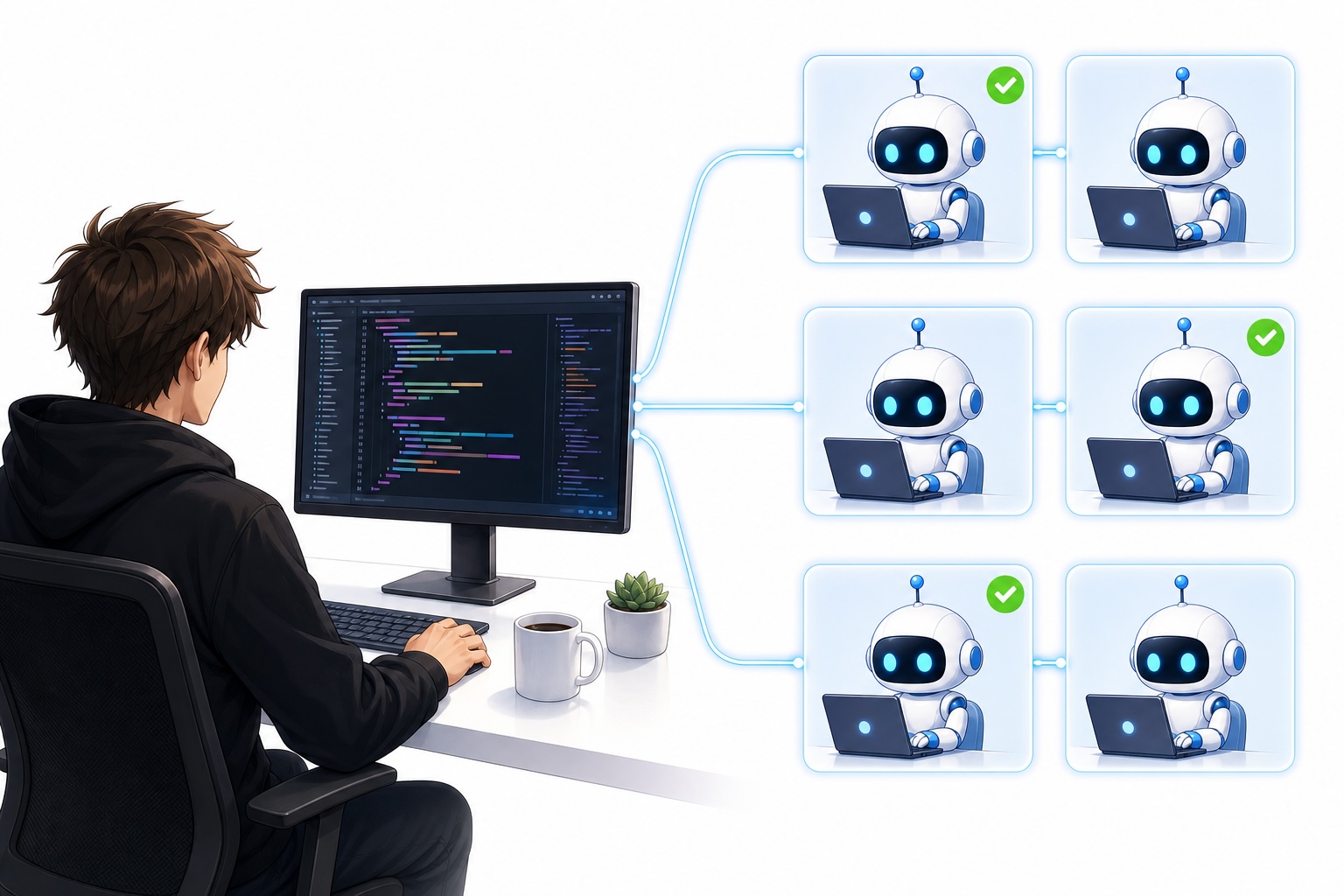
Unlock Smarter Workflows by Managing Hundreds of Coding Tasks
Claude Code is built to handle the heavy lifting, but the real skill lies in knowing how to direct it across a hundred or more distinct tasks. This guide cuts through the noise, offering a practical approach to structuring your prompts and workflows so you're not just issuing commands, but truly collaborating with your coding agent. It's about turning a useful tool into a dependable partner.

OpenAI's product chief on agents, UX, and what's next for AI tools
OpenAI's head of product, Thibault Sottiaux, sees a world finally ready for agents, and that's worth paying attention to. In this interview, he gets practical about UX and what it means to report directly to Greg Brockman, grounding the agent hype in real workflow decisions. It's a grounded take from someone shaping the tools we'll actually use. For a more personal angle on AI's limits, you might try "Talking to My AI Clone Taught Me to Question the Tech."
Code hosting meets AI collaboration with Cursor's new Origin platform
Cursor just planted a flag in the heart of its own ecosystem. Origin, a git-based hosting platform built directly into the editor, moves code management out of the browser and into the flow of work. It's a confident bet: teams that live in Cursor shouldn't have to leave to push, review, or merge. The early beta on Pro, Teams, and Enterprise plans signals a serious play, not an experiment.

Replit's CEO on stage to share a practical vision for coding's future
When Amjad Masad takes the Disrupt Stage at TechCrunch Disrupt 2026, he'll bring a clear-eyed view of where programming is headed. As CEO and co-founder of Replit, Masad isn't just building tools; he's shaping how we think about creation itself. Expect a conversation that cuts through the noise, focusing on practical transformation rather than hype. For more context on how digital infrastructure is evolving, our piece on Cloudflare's Blog Finds Performance Gains with EmDash offers a useful parallel.

From Prompt to Production: How Roblox Scales Autonomous Code Safely
Andrew Swerdlow's take on scaling autonomous software development at Roblox cuts straight to what most engineering leaders are quietly wrestling with: moving from prompt to production without losing control. His focus on security sandboxes, mining code review exemplars for institutional knowledge, and rethinking productivity around feature velocity feels like a practical blueprint, not a fantasy. It's a grounded argument for trusting AI where it earns that trust.

From Demo to Production: Structuring a Reliable Backend for Your AI Agent
Turning a demo LangGraph agent into something that can actually hold onto real booking data is where the practical work begins. Building a proper backend for that transition is a useful look at moving from proof-of-concept to something dependable. The focus stays on structure and persistence, not hype. For readers interested in how AI handles complexity at a deeper level, our piece on paragraph structure in LLMs offers a complementary perspective worth exploring.
From Research Internship to FAANG Career: Your Data Strategy Starts Here
A research internship at MSR carries real weight, and it's a signal you should leverage deliberately. The quality of work there is consistently rigorous, and the exposure to applied scientists gives you a direct line to how FAANG teams frame problems. That experience will translate well when you move internally at Amazon, especially if you align your project work with their applied science priorities. Pair it with the practical guidance in *Unlock LLM Training* to deepen your technical fluency.
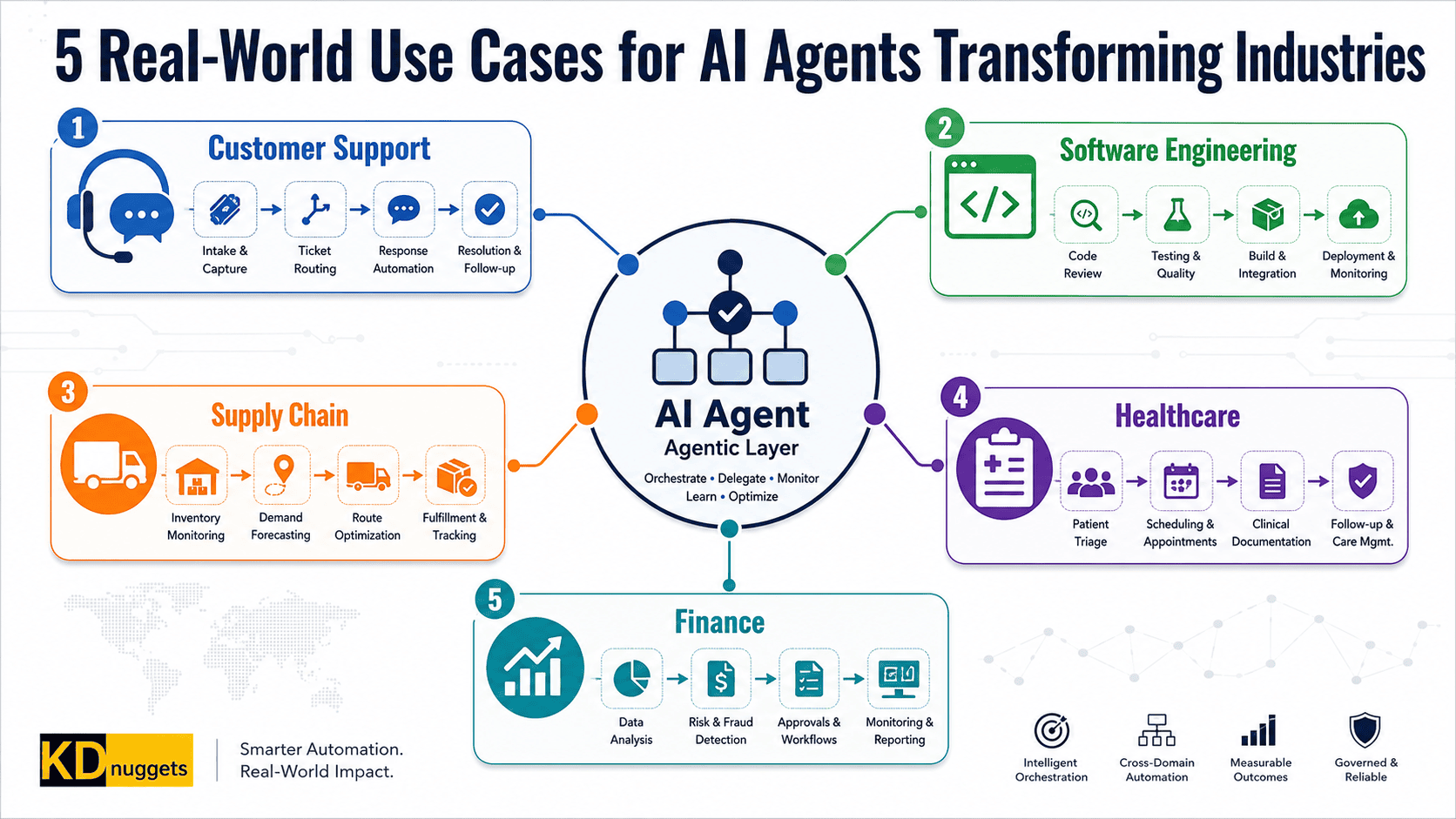
Five ways AI agents are streamlining complex workflows today
AI agents are no longer a concept for tomorrow. They are answering support tickets, writing code, managing supply chains, and flagging fraud today. The shift from static tools to autonomous action is real, and the examples here show how quickly that changes what a team can accomplish. If you want to see where this is headed, our guide to bridging retrieval and action offers a practical look at connecting the dots. The work is happening now, and it is worth your attention.
How Cloudflare uses AI to enforce engineering standards automatically
Cloudflare's latest move turns engineering standards from static documents into a live, AI-enforced control system across the software development lifecycle. That's a smart shift. Too often, best practices sit unread in a wiki, waiting for someone to stumble upon them. By embedding enforcement directly into the workflow, Cloudflare is making standards matter where the work actually happens. It's a practical, forward-looking approach that prioritizes consistency without slowing teams down.
Explore how Aspire 13.5 refines your workflow with smarter tools and clarity.
Last week's release of Aspire 13.5 feels less like a routine patch and more like a deliberate step toward a smoother developer experience. The refreshed dashboard and aspire.dev homepage are welcome, but the real value sits in the details: file imports and progress dialogs in the Interaction Service, interactive terminals for resources, and Kubernetes persistent volumes with cross-scope Azure references in deployment. These aren't flashy additions. They're practical, quality-of-life improvements that reduce friction.
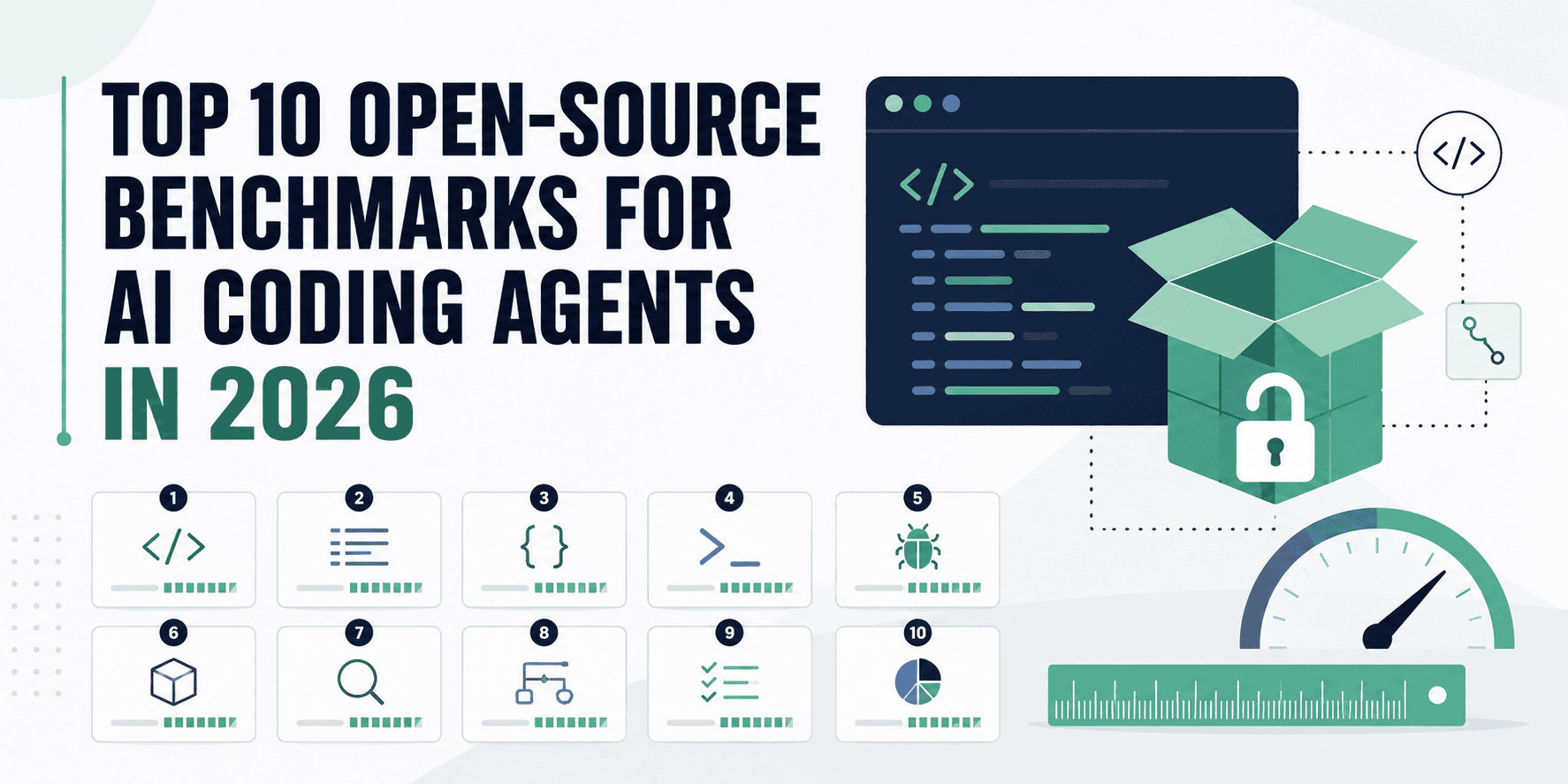
Evaluate AI Coding Agents with These Top Open-Source Benchmarks
Choosing the right benchmark is the first step toward building an AI coding agent you can actually trust. In 2026, the landscape has matured well beyond simple unit tests, with tools like SWE-bench, Terminal-Bench, and SlopCodeBench offering distinct lenses on real-world performance. We break down the top 10 open-source options to help you navigate the noise. If you are questioning how these models handle nuance, our piece on talking to an AI clone offers a timely perspective on the human side of the equation.
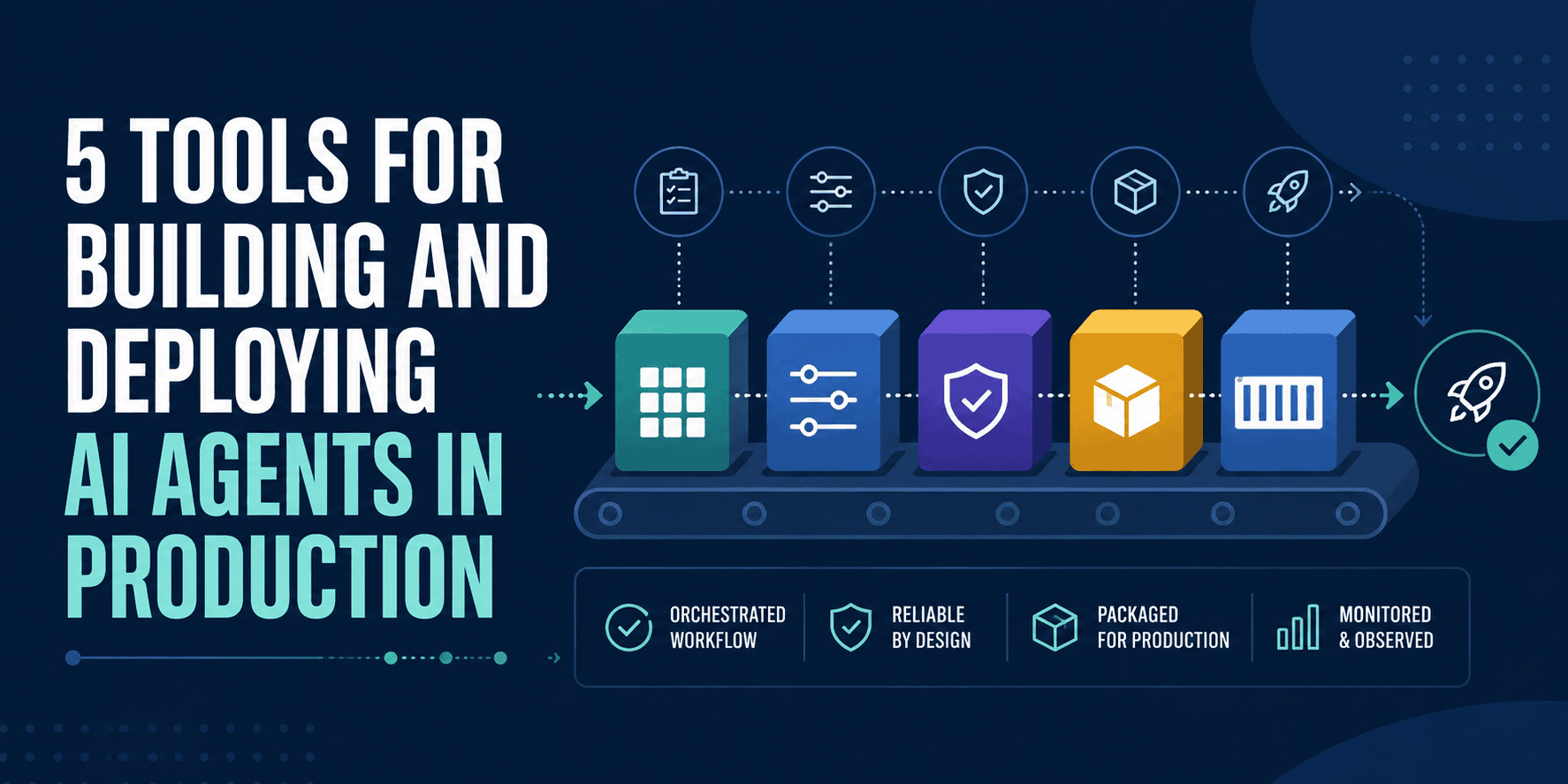
From Agent Logic to Scale: Five Essential Tools for Production AI
Building an AI agent is one thing; running it reliably in production is another. This guide breaks down five tools, each tackling a specific layer of the stack, from shaping the agent's core logic to scaling it under real-world pressure. It's a practical, no-nonsense walkthrough for teams ready to move beyond experimentation. If you're still questioning how much trust to place in these systems, our piece on talking to an AI clone offers a timely counterpoint worth exploring.

Warp Factories makes AI development infrastructure accessible and actionable.
Building AI software shouldn't require a dedicated infrastructure team. On Tuesday, Warp introduced Warp Factories, a new system designed to make creating AI development environments as straightforward as possible. It's an out-of-the-box approach that removes the heavy lifting, letting teams focus on the work itself. We're impressed by the focus on accessibility here. For a deeper look at how these systems perform in the wild, our piece on real-world computer vision deployments is a solid companion read. Explore what this means for your workflow.