software development
software development at Beyond Market Intelligence is a file of 93 stories. The newest of them: “Vibe Coding Balances Speed and Skill in the New Programming Landscape”, “Explore how durable steps transform CI pipelines into resilient workflows”, and “Jakarta EE 12 and Groovy 6 Beta Lead This Week's Java Roundup”. Vibe coding is getting real attention, and for good reason: it lets you build something functional without wrestling syntax. Cloudflare's new CI SDK, cloudflare/ci, reimagines how pipelines are built by defining them as TypeScript workflows. Acme AI is the next-generation, AI-powered spreadsheet platform built to replace Excel and redefine how analysts, data scientists, and enterprise teams work… The list below is every software development story on Beyond Market Intelligence, newest first.
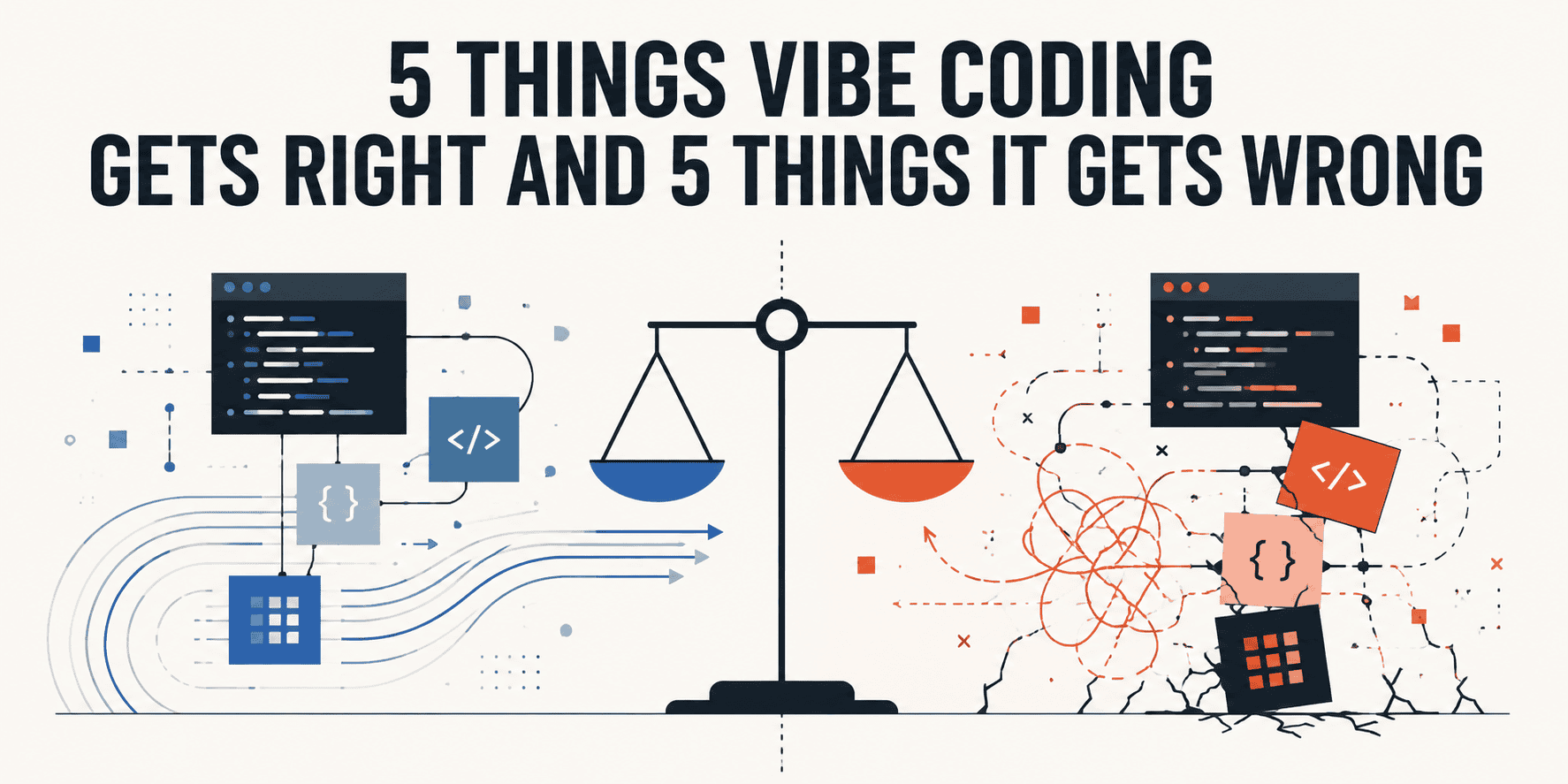
Vibe Coding Balances Speed and Skill in the New Programming Landscape
Vibe coding is getting real attention, and for good reason: it lets you build something functional without wrestling syntax. But the same ease that makes it appealing can quietly produce fragile code. We're looking at five strengths worth respecting, like rapid iteration and lowering the barrier to entry. Then we'll examine five real weaknesses, from shallow debugging to weak architectural instincts. It's not about dismissing the approach or worshipping it. It's about knowing when vibe coding serves you and when it's quietly costing you.

Explore how durable steps transform CI pipelines into resilient workflows
Cloudflare's new CI SDK, cloudflare/ci, reimagines how pipelines are built by defining them as TypeScript workflows. Each step inherits durable retries and replay, while concurrency and snapshot caching come standard. It's a thoughtful model, though it's not a drop-in replacement yet, since Artifacts remains in private beta. The real lesson here is the durable-step approach, a shift worth exploring. For more on Cloudflare's internal builds, our piece on EmDash offers a useful parallel.
Jakarta EE 12 and Groovy 6 Beta Lead This Week's Java Roundup
The Java community is moving with purpose this August, and the latest roundup reflects that momentum. The Simple JSON API proposal targeting JDK 28 stands out, signaling a thoughtful push toward cleaner, more native data handling. Alongside it, updates across Jakarta EE 12, GlassFish 9.0, and Groovy 6.0 show steady, practical progress. For developers exploring AI integration, the LangChain4j point release is worth a look. If you're weighing career moves, our related piece on navigating AI/ML job requirements offers useful perspective.
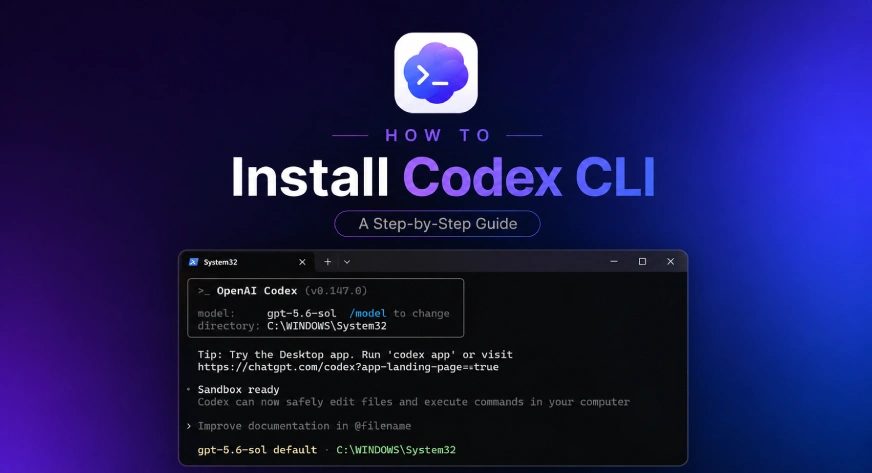
Bring Codex AI Into Your Local Workflow with One Command
One command is all it takes to install Codex CLI, yet the real value lies in the setup choices that follow. If you've used Codex in ChatGPT, the transition feels natural, bringing that same AI assistance directly into your local development environment. It's a practical step toward more efficient workflows, not a flashy overhaul. For a deeper look at how AI tools shape our habits, check out "Talking to My AI Clone Taught Me to Question the Tech."

Choosing Between LangChain and LangGraph for Smarter Agentic Workflows
Choosing between LangChain and LangGraph doesn't have to stall your agentic workflow. This guide cuts through the overlap to highlight four key differences, helping you match the tool to the task. It's a practical read for anyone tired of guessing which framework fits. We appreciate the clarity here, especially since it complements our earlier exploration of distributed training algorithms. If you're building systems that need structure, start with this breakdown. It's a straightforward step toward more intentional design.

When AI flattens the learning curve, career growth demands a new map.
Alasdair Allan argues that AI is quietly reshaping career progression, not by replacing jobs outright, but by eating the middle. He points out that fewer junior developers are entering the industry, while AI tools let people perform above their experience level, skipping the learning that each rung once provided. That is a trade-off worth questioning. If you are curious about the stranger side of these tools, our piece "Talking to My AI Clone Taught Me to Question the Tech" offers a fitting companion.

Cognition aims to raise again, targeting a $40 billion valuation
Cognition is moving fast, and the market is taking notice. Reports say the AI coding startup is already in talks to raise at a new $40 billion valuation, just months after closing a $1 billion round at $26 billion. That kind of jump signals serious momentum, but it also raises questions about sustainability. Investors are clearly betting big on AI-native workflows. For context, similar infrastructure bets are unfolding across the sector, like Anthropic's $11.6 billion commitment to Akamai's cloud.
From Photonics to AI: Transforming Your PhD into an ML Career
A Ph.D. in quantum optics who wins coding competitions and has already applied ML to grating design and qubit control is not a stretch candidate. That is a portfolio. The question is not whether the transition is reasonable, but how quickly you can reframe your existing work as ML engineering. It is clearly reasonable. Your background is more aligned than you might think. For those seeking direction, our guide on distributed algorithms offers a practical next step to round out your skillset.

Building Trust in Open Source Supply Chains for AI-Assisted Development
Trust in software supply chains is no longer just a compliance checkbox. With IBM and Red Hat expanding Lightwell into commercial offerings, organizations now have a clearer path to verifiable trust in AI-assisted development. That matters, because the tools we use to build software must be as accountable as the code they produce. It's a practical step toward governance that keeps pace with innovation, not a distant promise.

When Code Is Easy to Write, Understanding Becomes the Architecture
As AI accelerates code production, our ability to comprehend the systems we build is quietly eroding. This isn't just a developer experience problem; it is a structural threat to safe evolution. Jacobus Meintjes and his team argue that human understanding must be treated as a core architectural characteristic, not a luxury. They offer practical metrics and checkpoints to fight cognitive debt. For a complementary view on system adaptability, see Mallika Rao's piece on adaptive recommendation systems.

Claude Code gains autonomy to streamline your programming workflow
Anthropic is flipping the default: Claude Code's auto mode is turning on, and that means less hands-on oversight for developers who use it. It's a confident step toward letting AI handle more of the programming grind, and honestly, it feels overdue. We've seen how much headroom smart tooling can free up, and this nudges that further. If you're curious about the human side of leaning on AI, our piece on talking to an AI clone offers a useful counterpoint.

GitHub's Default Security Shift Puts Waiting Periods Ahead of Signing
GitHub's latest npm and Actions updates, shipped from March through July 2026, harden defaults against supply chain attacks rather than just adding new options. That's a sensible shift, though Hacker News commenters are split on whether waiting periods truly solve the problem or merely delay it. Author-side package signing still feels like the missing piece. These controls are welcome, but they shouldn't replace a more direct path to trust.

Give AI agents a persistent workspace with Cloudflare's new open-source runtime.
Cloudflare's new open-source runtime, Cloudflare Computer, gives AI agents something closer to a real machine than the usual ephemeral containers. By leaning on Cloudflare isolates, it promises faster, cheaper, and more scalable execution for agentic workloads. That's a meaningful step beyond stateless setups, and it's worth exploring if you're building agents that need persistence. For more on how Cloudflare thinks about performance, their EmDash CMS migration offers a useful parallel. This runtime feels like a practical push toward agents that actually finish the job.

Explore how Airbnb uses AI to make search more intuitive
Airbnb is putting AI to work where it matters most: shipping features faster. The company is testing a new AI-powered search experience with a toggle, a small but telling step toward making discovery feel less like a chore and more like a conversation. It's a practical move, not a flashy one, and that's why it works. For anyone juggling complex tools, this kind of iterative approach resonates.
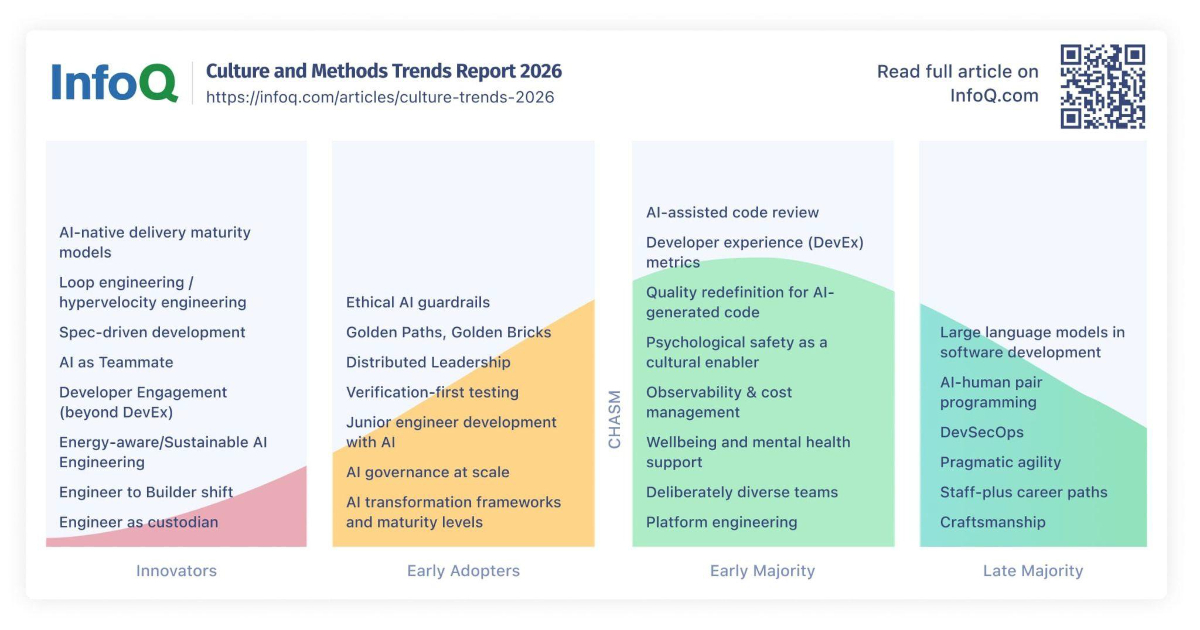
Explore the 2026 culture and methods trends shaping collaborative work
The InfoQ Culture and Methods editorial team has mapped where software delivery is heading in 2026, and the picture is less about tools and more about trust. The report digs into how teams are reshaping workflows around human outcomes, not just throughput. It's a grounded read, especially when so much tech commentary leans on hype. For practical context on how these cultural shifts play out in daily work, the related guide on unlocking ChatGPT for work offers a useful, hands-on starting point.
Explore how teams balance AI progress with human-centered engineering in 2026
The 2026 Engineering Culture Trends Report zeroes in on something easy to overlook: the humans behind the algorithms. Ben Linders and his panel of QCon speakers and InfoQ contributors tackle AI adoption maturity, shifting team structures, and the roles that are transforming as a result. It is a grounded look at what changes when engineering cultures evolve. For a deeper dive into the enterprise side, our related article, "Unlock AI's Enterprise Potential," pairs well with this discussion.

When a benchmark misleads, transparency earns trust
Ponytail Agent Skill didn't just promise less code; it proved it, then corrected itself when the proof didn't hold up. After a contributor flagged the original 80-94% claim as a flawed baseline, the maintainer didn't argue. They rebuilt the benchmark as a true agentic run and published the honest number: 54%. That kind of accountability is rare, and it's why the project's momentum feels earned, not hyped.

SkiaSharp 4.0 aligns release rhythm with upstream Skia milestones
SkiaSharp 4.0 is setting a new rhythm for the project. With the release of versions 4.148.0 and 4.150.0, Microsoft and the Uno Platform are now syncing their package versions directly with upstream Skia milestones. That's a practical move. It gives developers a clearer, more predictable path forward, and the 4.151.0 prerelease shows the cadence is already holding. This isn't just about version numbers; it's about making progress easier to track and adopt.

Explore how internal platforms reduce cognitive load for microservices teams.
Microservices deliver real value only when teams can sustain their pace, and Chris Richardson's presentation gets straight to that challenge. He pairs Team Topologies with internal platforms to cut through complexity, focusing on six concrete patterns, from security to deployment, that keep stream-aligned teams moving. The payoff is a clear strategy for shrinking cognitive load while sidestepping the usual platform traps. It's a practical, grounded take on acceleration. For more ways to simplify technical workflows, our guide, "Unlock ChatGPT for Work," offers a useful parallel.

Microsoft's Agent Framework moves from build to governed runtime.
Microsoft's Agent Framework just grew up. At Build 2026, the company shipped a supported runtime with the Agent Harness, GitHub Copilot and Claude Agent SDK connectors, and stable orchestration patterns. Now, with the harness and Foundry Hosted Agents at general availability, the focus shifts from building agents to running them under governance. That is a meaningful transition. For a deeper look at how these pieces fit together, explore our piece on architecting agent harnesses for financial efficiency.

Build a stateful support agent to transform a 15-minute booking into seconds.
Fifteen minutes to book an appointment is fifteen minutes too many when you know the process can be automated. This guide walks through building a stateful customer support agent with Python, LangGraph, and Langfuse, showing exactly how to replace a tedious workflow with something that actually works. It's a practical, hands-on look at what AI-native tooling can do for everyday tasks. For more on the human side of these systems, check out "Talking to My AI Clone Taught Me to Question the Tech."
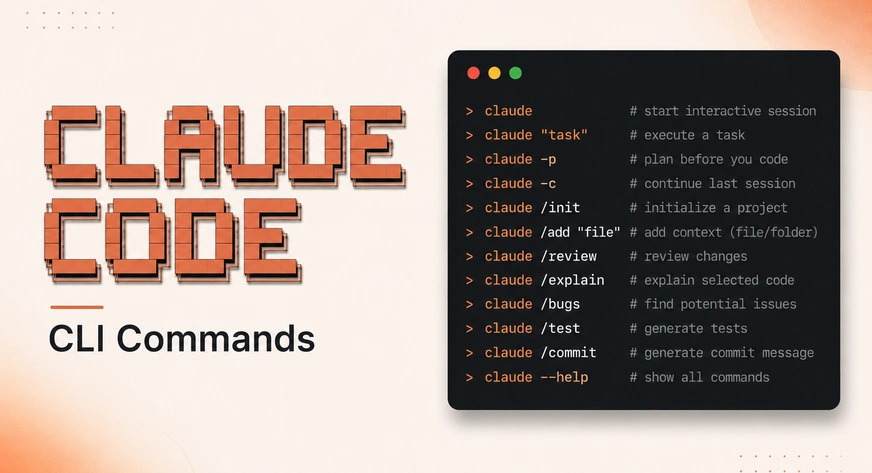
Unlock Hidden Commands to Transform Your CLI Workflow
Months of daily use, and the real power of Claude Code only surfaced by accident. This author kept restarting sessions, re-explaining the same project structure, simply because `claude --help` hides the full picture. It's a familiar frustration, and their discovery of a deeper CLI reference is a practical win for anyone tired of repetitive setup. Digging past the surface reveals a smoother workflow. For more on questioning AI's limits, our piece on talking to an AI clone offers a fitting follow-up.

AI empowers creators to build more apps with less friction
Mark Zuckerberg says AI is making it dramatically easier to build and launch consumer apps, and Meta is betting on that momentum with more products on the way. The recent wave spans Facebook Groups, Marketplace sellers, Instagram, and gaming, so this isn't a distant ambition; it's happening now. That kind of speed is worth paying attention to, especially when it reshapes how everyday tools work.

Streamline Your Coding Agent Workflow for Smarter Task Management
If you're juggling multiple coding agents, the chaos of scattered tasks can quickly become its own project. This guide cuts through the noise, offering a practical way to organize every request and keep your workflow moving. It's a straightforward approach for anyone tired of losing track of what each agent should be doing. For more on how AI handles structured work, our related piece on paragraph structure is worth a look.