software development
software development at Beyond Market Intelligence is a file of 92 stories. The newest of them: “Architects Must Rethink Long-Term Strategy for an AI‑Driven Era”, “When Code Outpaces Reading, It's Time to Hire AI”, and “Explore a smarter AI model that lifts complex work without the premium price”. Architects spend so much time solving immediate technical problems that long-term strategy becomes an afterthought. AI agents now write more code than any of us can read. Acme AI is the next-generation, AI-powered spreadsheet platform built to replace Excel and redefine how analysts, data scientists, and enterprise teams work… The list below is every software development story on Beyond Market Intelligence, newest first.

Architects Must Rethink Long-Term Strategy for an AI‑Driven Era
Architects spend so much time solving immediate technical problems that long-term strategy becomes an afterthought. That neglect is dangerous now. AI is reshaping how software gets built, and Joy Ebertz makes clear that architects must rethink their role entirely. This isn't about learning a new tool. It's about redefining what success looks like when code can write itself. For a deeper look at the trust issues this raises, see our related piece on why AI needs a trust architecture built for human control.
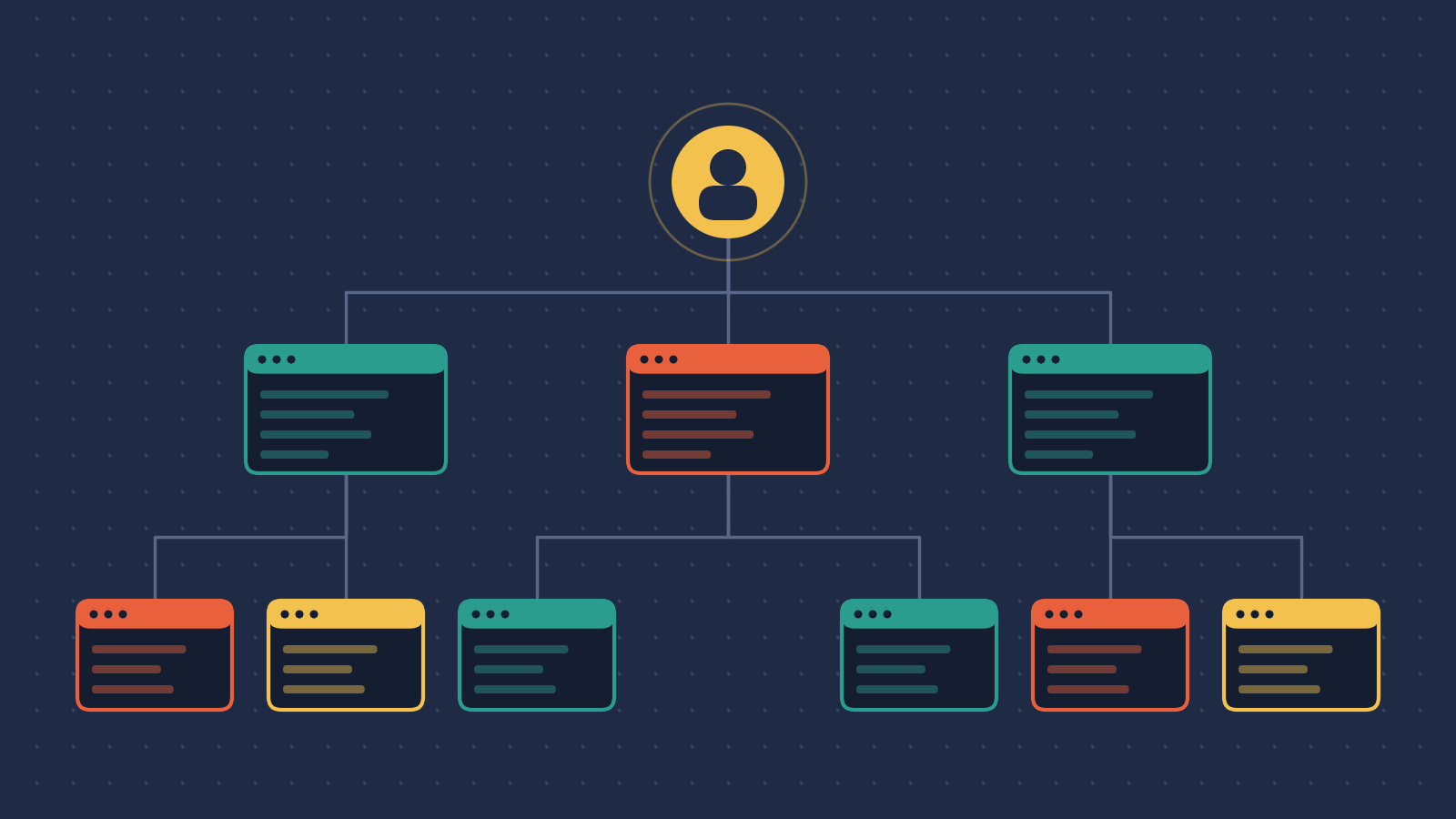
When Code Outpaces Reading, It's Time to Hire AI
AI agents now write more code than any of us can read. That single realization reframes the entire conversation around artificial intelligence. We have moved past the era of asking AI for help and into an era where we hire it as a collaborator. The shift is practical, not philosophical. If you are still treating AI as a tool for drafting emails, you are missing the point.

Explore a smarter AI model that lifts complex work without the premium price
OpenAI's GPT-6.1 Sol takes on complex professional work without the premium price tag. It delivers real gains in code writing, debugging, document understanding, and multi-step business workflows. That's a meaningful upgrade for teams who need capability without cost barriers. We've also covered how Codex is expanding into cloud dev environments, so this release fits a broader push toward accessible, practical AI tools. If you're ready to lighten heavy tasks, this model is worth exploring.

Why Psychological Safety Is Key for Developers Building With AI
Psychological safety isn't a soft skill, it's a structural requirement when AI tools rewrite the rules of software development. In this podcast, Michael Stiefel talks with Erin Doyle about how engineers now need architecture skills to navigate ambiguity in requirements. AI accelerates coding, but it also demands clearer thinking about system design. If you want a concrete example of what happens when that clarity breaks down, read our related article, "AI Made Me 5x Faster. It Also Made Me 5x Worse at My Job."
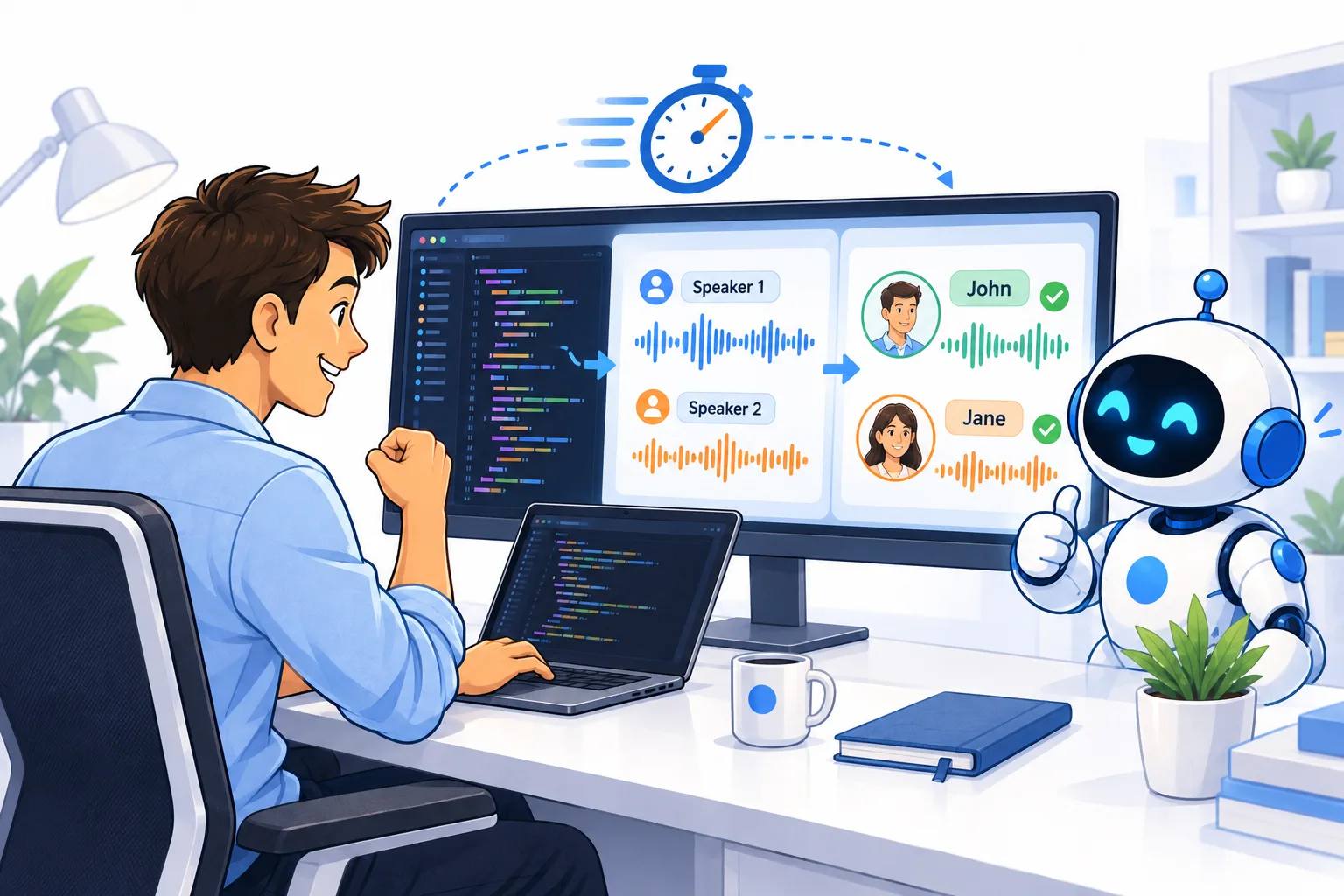
Code an Internal Speaker Recognition Tool with Claude
If you've ever wrestled with identifying who's speaking in a meeting recording, building a speaker-recognition tool from scratch can feel like a heavy lift. This guide walks through coding one internally with Claude, turning a complex audio challenge into a practical, hands-on project. It's a smart, accessible approach for teams ready to move beyond manual transcription. For a broader look at how AI handles real-world inputs, you might also enjoy *Exploring Real-World Computer Vision*, it pairs nicely with the concepts here.
Speed Isn't Everything When AI Does the Work You Used to Own
One near miss, and four months of running agents left a writer asking a sharper question than any bug report: what are you supposed to do while the AI writes the code? The speed is real, but so is the quiet erosion of judgment. This isn't a warning against automation; it's a call to stay present in the loop. If you're navigating similar shifts, our guide to distributed training offers a practical foothold for keeping your skills sharp.
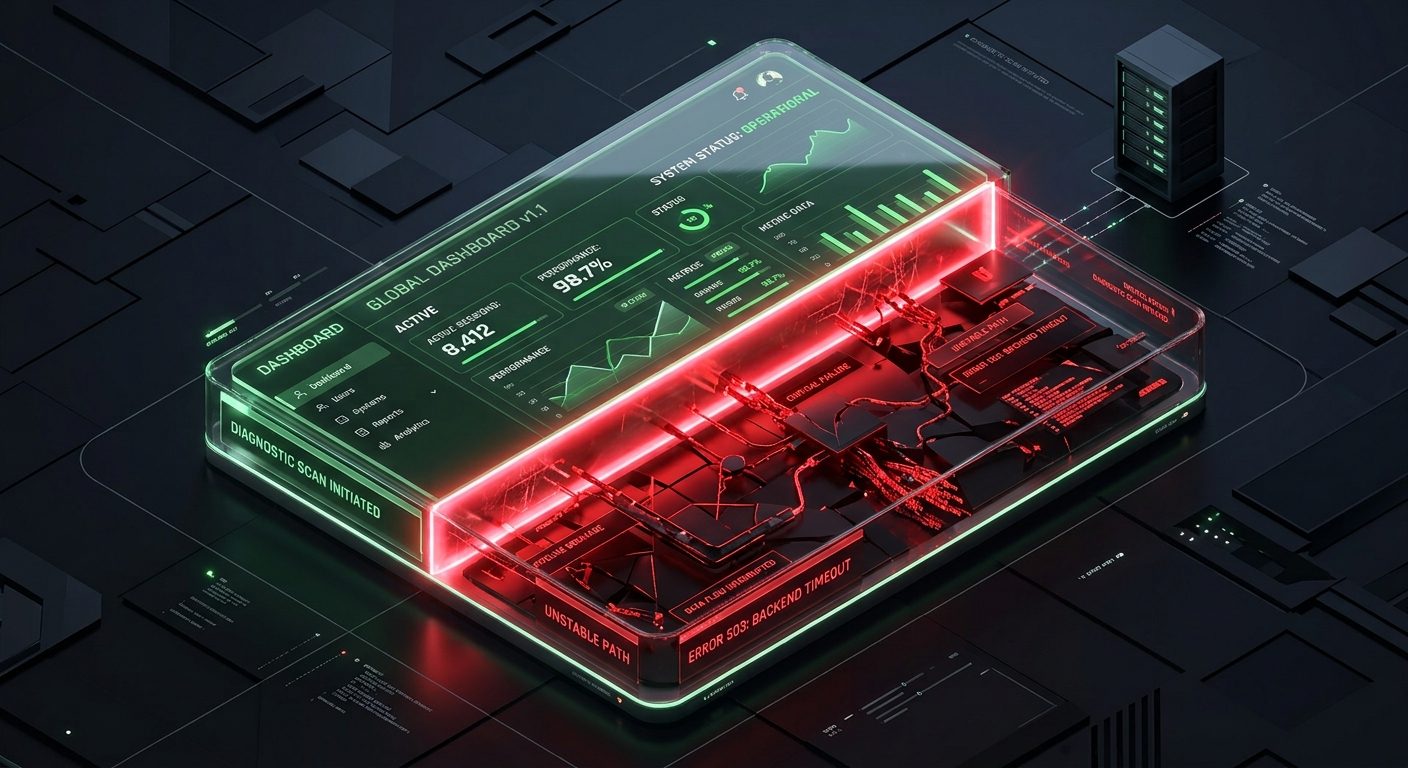
Verify Your AI Code: Ensuring Intent Without Reading a Single Line
Generated code can feel like a black box, even when it works. But when it fails silently, the cost is more than a bug; it's a breach of trust in your own workflow. A practical path to verify your app's intent without wading through every line is offered. It's a smart, accessible approach for anyone tired of guessing what the AI actually did. If you're exploring how LLMs reason, our guide to paragraph structure adds useful context on their inner logic.
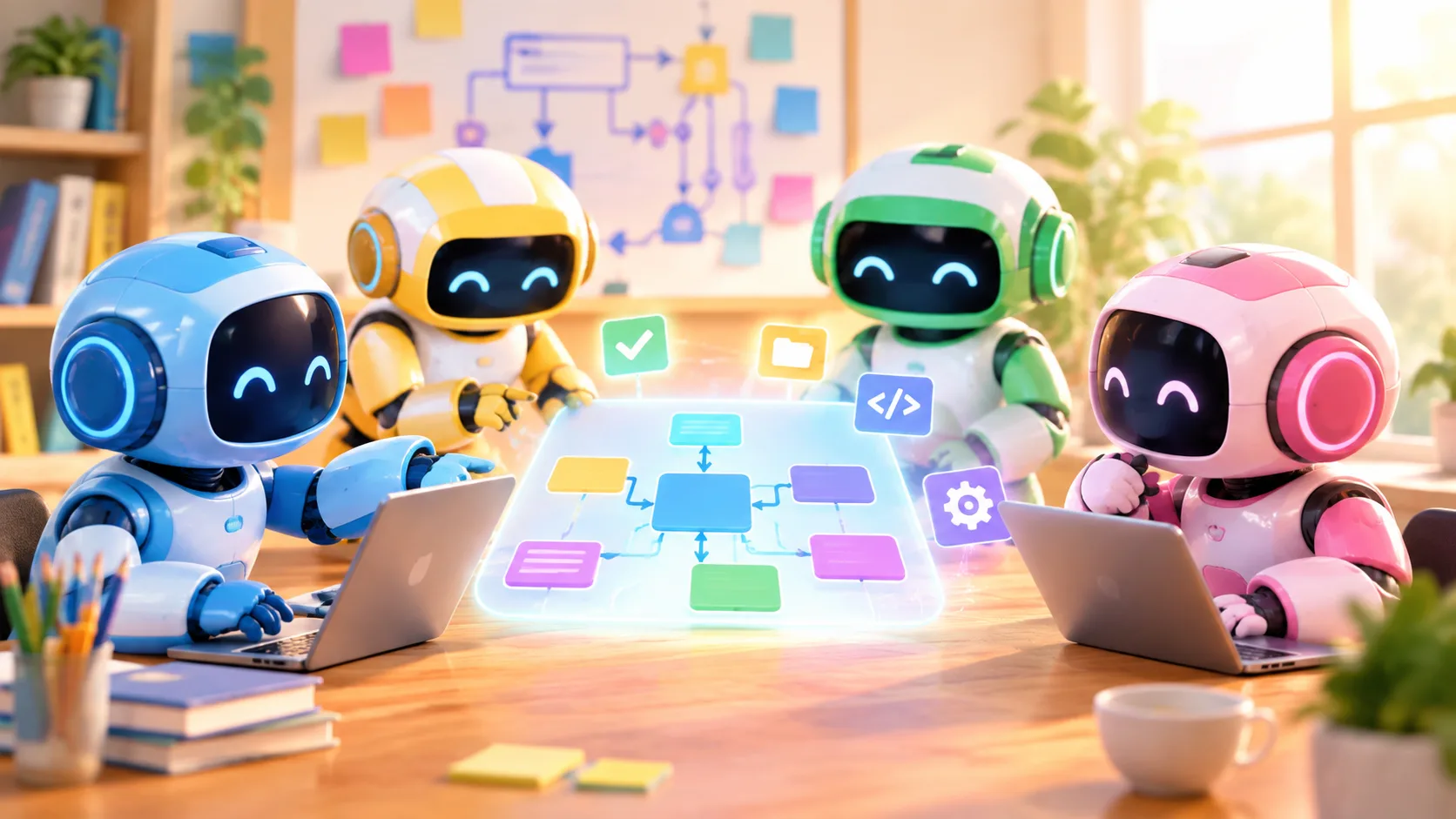
From Conversation to Code: Why Commitments Need a Home
Multi-agent coding systems often stumble not on communication breakdowns but on commitments that vanish once the conversation ends. That's a sharp observation worth sitting with. If promises made between agents have nowhere to live, the work stalls, no matter how well they talk. This piece reframes failure as an architectural gap, not a social one. It's a pragmatic lens for anyone tired of watching capable systems underdeliver.

OpenAI acquires Glass Imaging to sharpen AI's visual intelligence
OpenAI's reported $300 million acquisition of Glass Imaging signals a deliberate step toward smarter, more intuitive visual data. The company, founded by two former Apple engineers who helped build Portrait Mode, understands the nuance of computational photography. That expertise could translate into spreadsheet workflows that interpret images as naturally as text. It's a practical move, not a flashy one, and that's what makes it compelling. For a deeper look at how vision models handle real-world constraints, our piece on computer vision deployments offers useful context.
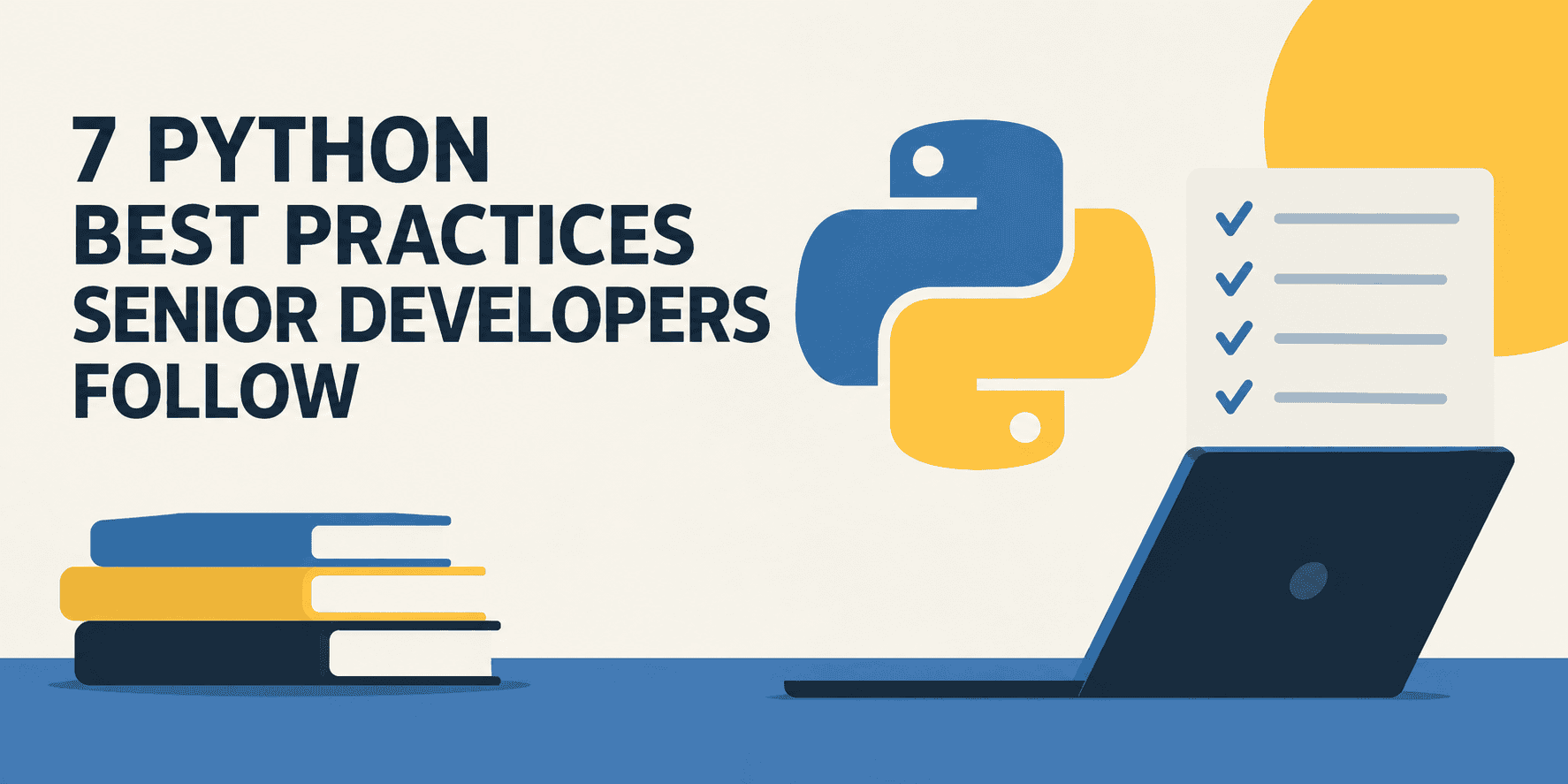
Seven Python habits that surface surprises before production does
Watching senior developers work is less about speed and more about calm. The seven practices they follow are built to reduce surprise, catching issues before they ever reach production. It's a discipline that values foresight over cleverness. If you're ready to move beyond syntax and into mindset, these habits are worth your attention. For a deeper look at how advanced thinking reshapes code, our piece on unlocking Python's potential pairs well with this. The goal isn't to do more. It's to make the unexpected rare.

Jotai 3.0 Streamlines State Management with a Leaner, Modern Core
Jotai 3.0 arrives as a leaner, ESM-only package, and that's a move we respect. By dropping legacy builds and deprecated APIs, the team signals a clear commitment to modern React workflows without forcing users into a painful migration. The backward compatibility keeps the transition practical, while the deferred feature work shows patience over hype. It's a focused release that prioritizes stability. For those tracking how teams modernize infrastructure, Cloudflare's EmDash migration offers a parallel story worth exploring.

Training Developers for an AI-Native Future
When AI agents take over the routine work that once trained junior developers, where does that leave the next generation? That's the question Michael Stiefel put to Scott Hanselman in our latest podcast. His answer is as practical as it is provocative: borrow the preceptorship model from nursing, pairing novices with seasoned mentors in structured, hands-on settings. It's a grounded alternative to the chaos of AI-era job listings. For those navigating this shift, our guide on shifting AI job requirements offers useful context.
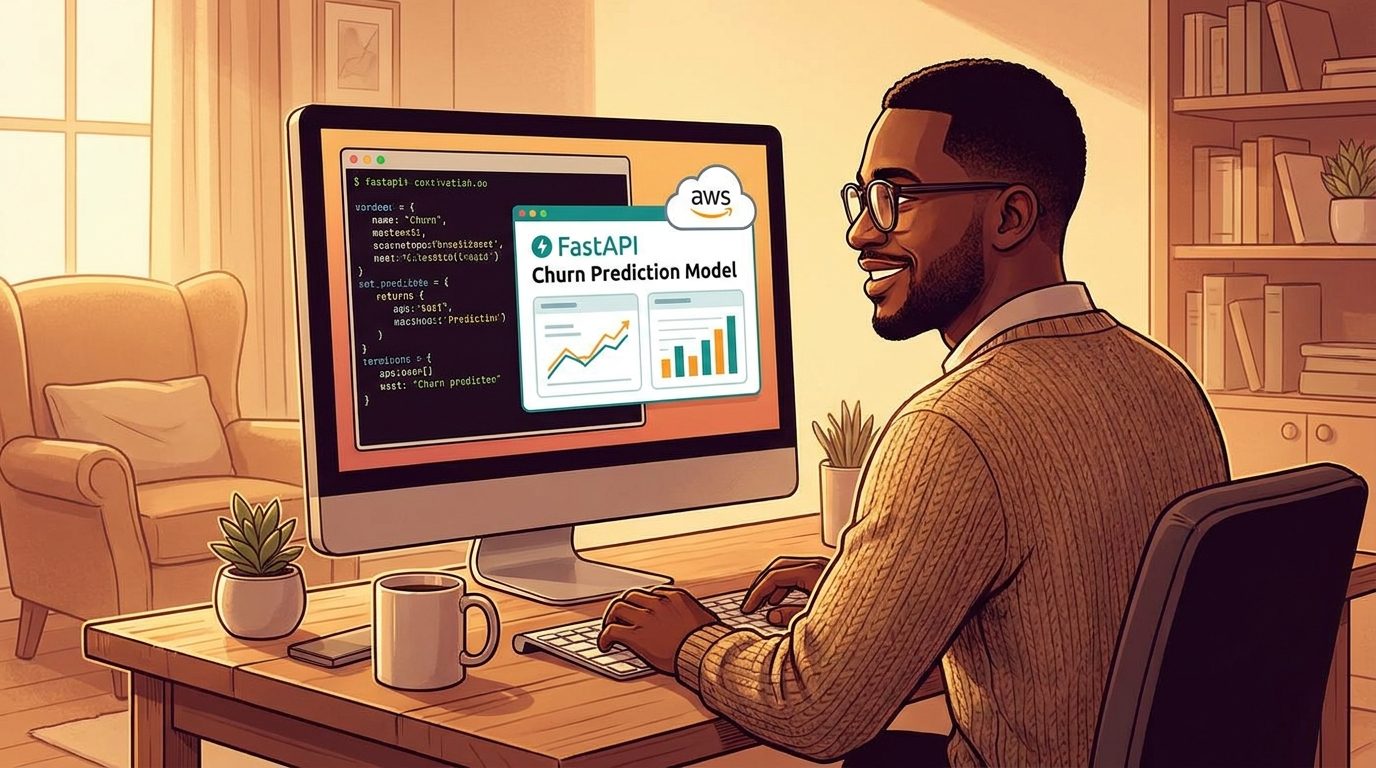
From Notebook to Production: When Your Model Meets a Real API
A model that runs on your machine is only the beginning. The real work starts when someone else needs to call it. This walkthrough of building a FastAPI endpoint for churn prediction captures that gap perfectly, detailing everything that broke between "it runs" and "it's live." It's a grounded, practical look at deployment realities. For more on tackling technical hurdles, explore the Forrester function piece, but this guide stands strong on its own.

SnapStart for container images removes the packaging tradeoff for serverless teams
For years, teams building on Lambda faced a frustrating tradeoff: pack a large container image for dependency headroom, or squeeze into a zip archive for sub-second startups. AWS has now extended SnapStart to container functions, which can hold up to 10 GB. That is a meaningful unlock. We saw the cost of that old constraint in a Reddit thread, where developers were stripping whitespace from packages just to fit. It is good to see that particular workaround become unnecessary.

Explore how GPT-6 Astra transforms coding and agentic workflows.
OpenAI's GPT-6 Astra lands with a clear focus: coding, computer use, and long-running agentic tasks. That's a meaningful step beyond the usual model drop. It signals a shift toward practical, sustained work rather than quick prompts. For anyone who has felt the ceiling of traditional spreadsheets or legacy tools, this is the same spirit we champion: making complex systems feel manageable. If you're curious about how AI handles structure, our piece on paragraph navigation in LLMs pairs well with this release.
When AI writes code, verifying intent becomes the real challenge.
AI-generated code promises speed, but it also introduces security weaknesses and familiar bugs. The real bottleneck has shifted from writing code to verifying what AI actually produces, as Nitin Garg argues. He focuses on detecting when generated behavior diverges from intent, a practical concern for any team adopting these tools. It's a grounded look at a growing challenge. For those exploring similar territory, our guide on verifying AI understanding offers a useful complement.

From Product Focus to Value Centers That Empower True Agency
Autonomous teams have become an article of faith in software development, but that faith often overlooks a critical tension. The shape of our value determines what we can do, including the trade-off between agency and coherence. Ben Linders suggests we move beyond product focus entirely, toward value center thinking. It's a practical reframing that puts purpose first. If you're exploring how teams actually organize around outcomes, this is a worthwhile perspective.

AI-Powered Engineering: How Platforms Can Adapt and Empower Developers
Platform teams are no longer just infrastructure keepers. They are the ones deciding how AI-assisted engineering actually takes shape. In this discussion, Stéphane Di Cesare, Davide de Paolis, Stephen Cihak, Camila Macedo, and Renato Losio get into the real trade-offs: where standardization helps, where it stifles, and how to build guardrails without strangling developer autonomy. It is a practical look at shifting workflows. For a deeper angle on how AI changes the skills we expect, check out "Navigating AI/ML Job Requirements."
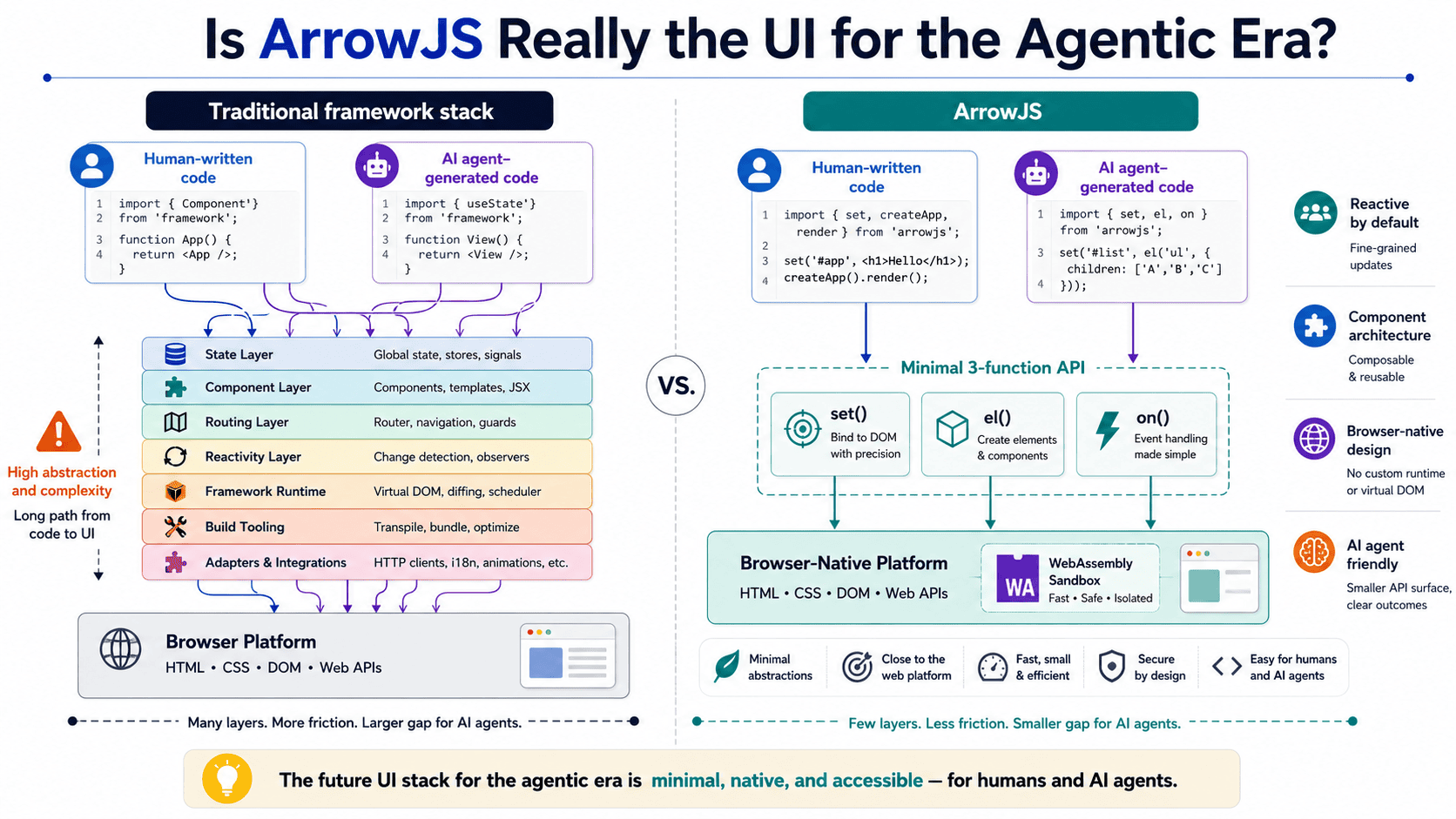
Explore how AI agents are reshaping the tools we use to build interfaces.
ArrowJS is asking a question worth pausing on: if AI agents are writing more of our interfaces, why are we still rendering them like it's 2019? This piece digs into whether ArrowJS actually fits the agentic era or just adds another layer of complexity. It's a practical, grounded take, and it pairs well with our earlier look at how LLMs navigate token space. Both point to the same truth: the tools we choose shape the systems we build.

Your AI Bot Just Fixed a Bug While You Were Asleep
A bug reproduced in staging, documented with screenshots, and assigned to the right engineer, all while you slept. That is the quiet power of Grok Bot, a tool that moves from suggestion to action. It closes the gap between what a spreadsheet can do and what you actually need it to do. For those exploring how AI can reshape daily workflows, this is a practical starting point. And if you are curious about the underlying mechanics, our guide to distributed algorithms offers a deeper look.

Vibe coding taught a costly lesson in skipping the fundamentals
A $52 bill and two hours of frantic coding sounded like a win. It wasn't. The app worked just long enough to save the day, then left a mess that took far longer to untangle. That's the hidden cost of moving fast without a plan. If you're tempted to skip the groundwork, don't. Explore the process before you build, and you'll avoid the regret that follows shortcuts.
Explore the Latest Java Ecosystem Updates for Smarter Development
TornadoVM 6.0 arrives as a GA release, and that's worth pausing over. This week's roundup also tracks point releases across JReleaser, LangChain4j, Java Operator SDK, JHipster, Kotlin Toolchain, and Yupiik Fusion, alongside maintenance updates for Micronaut and the GraalVM Development Kit. It's a steady cadence of refinement rather than fanfare. For those exploring how AI connects with Java tooling, our piece on bridging retrieval and action offers a practical angle worth reading.

Explore how an open-source AI agent refines vulnerability detection.
False positives have long made AI-powered code scanning feel like more trouble than it's worth. Google's open-sourced Mantis takes a different path, using agents to automate the entire vulnerability lifecycle, from validation to patching. That focus on weeding out hallucinations is a practical step toward trusting the tools we rely on. It's a welcome move for teams tired of chasing ghosts. For more on how AI agents can misfire, our piece on shared user images offers a cautionary look at the stakes.

Software engineers will lead by coordinating agents, not just coding.
Meryem Arik's QConAI 2030 talk cuts to a truth many would rather skim past: the software engineer's role is not disappearing, it's evolving into something broader. She points to token spend management and parallel agent infrastructure as the new operational realities, but the real shift is human. When non-technical builders start steering vendor decisions and regulatory pressure mounts, coding becomes the easy part. Product leadership and multi-agent coordination take over.