speed
Beyond Market Intelligence keeps speed in one place: 11 stories so far. The section currently leads with “Build Smarter AI Agents by Adding Human Oversight Where It Matters Most”, “Redefining Dev Teams for an Agentic Era with Safety and Humanity”, and “Accelerate Numerical Solutions: Introducing LinearSolveBench”. Autonomous AI agents can read, retrieve, reason, and trigger actions in seconds, useful speed, but real risk when the next step touches money, customer records, or live systems. Engineering leaders facing agentic coding's surge need more than faster pipelines. Acme AI is the next-generation, AI-powered spreadsheet platform built to replace Excel and redefine how analysts, data scientists, and enterprise teams work… The list below is every speed story on Beyond Market Intelligence, newest first.
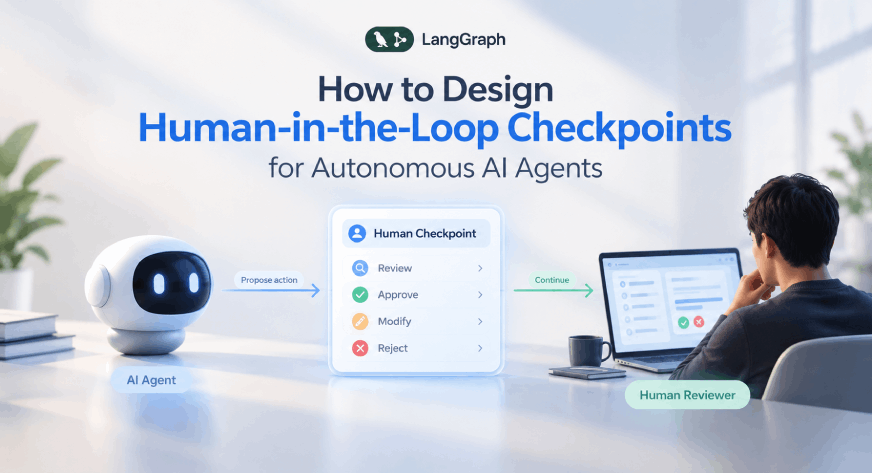
Build Smarter AI Agents by Adding Human Oversight Where It Matters Most
Autonomous AI agents can read, retrieve, reason, and trigger actions in seconds, useful speed, but real risk when the next step touches money, customer records, or live systems. Human-in-the-loop checkpoints add control exactly where a recommendation is about to become action. That's the smart design. For deeper context, our piece on Anthropic restricting internal AI tests from live internet shows how even the most advanced labs are rethinking control.

Redefining Dev Teams for an Agentic Era with Safety and Humanity
Engineering leaders facing agentic coding's surge need more than faster pipelines. Hannah Foxwell anchors them in three practical priorities: build software worth building, automate safety before speed, and preserve the human element through generalist skillsets and sustainable on-call. It's a grounded framework that keeps teams human-centered amid AI-driven velocity. For a related look at AI in action, see our coverage of Flai's $27M round fueling an AI platform booking 50,000 appointments monthly.
Accelerate Numerical Solutions: Introducing LinearSolveBench
Large sparse linear systems are where real numerical work gets slow, and most models stumble trying to write efficient C solvers. LinearSolveBench, a new benchmark from hgarud, directly measures how well a model or harness can produce fast, accurate, and general solvers for these systems. It pushes for algorithmic progress where it matters most: practical performance. If you are exploring how AI handles demanding computational tasks, this is a focused, honest stress test worth your attention.

How human-led teams can thrive with AI agents as collaborators
The next teammate on your startup's roster might not be human. At TechCrunch Disrupt 2026, Gusto, Insight Partners, and Leland will break down how early-stage companies are building teams where humans and AI agents work side by side. The focus is practical: how do you do it without losing speed, accountability, or culture? That's the right question to ask. For more context on who else is shaping the conversation, check out our piece on Mark Wahlberg joining Disrupt to talk investing.

Explore how OpenAI's Astra redefines speed and safety in browser use
OpenAI says Astra marks "a new frontier on computer and browser use," promising speed, accuracy, and safety. That is a bold claim, especially given how much trust we place in AI handling everyday tasks. The potential is real, but so is the skepticism. We have covered similar ground in our exploration of real-world computer vision, where deployment challenges often temper the hype. Astra deserves attention, but we should watch how it performs beyond the demo.
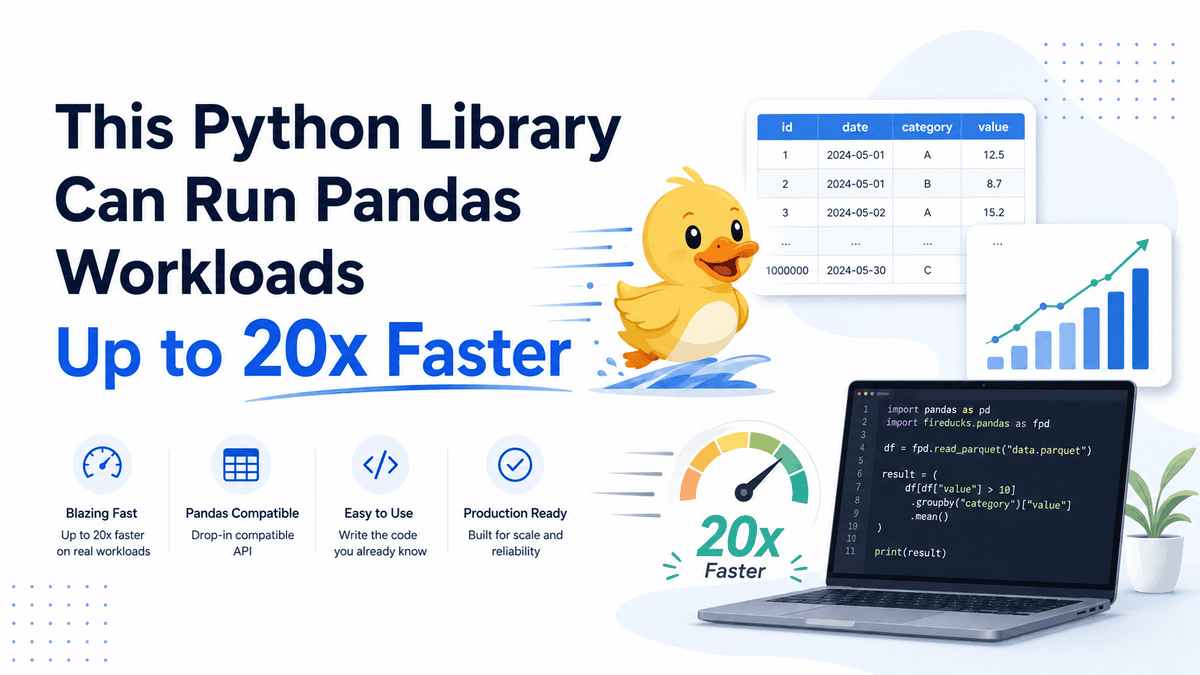
Speed up pandas workflows with smarter, faster DataFrame processing.
If you've ever watched a pandas script crawl through a DataFrame, you know the frustration. FireDucks takes that same workload and runs it up to 20 times faster. It achieves this through lazy execution, compiler optimization, and multithreaded processing, turning what feels like waiting into near-instant results. We find that shift genuinely exciting. For those ready to push their Python skills further, our guide on advanced coding techniques pairs perfectly with what FireDucks makes possible. Explore the benchmark and see the difference for yourself.
Restoring Speed to Your Spreadsheet Error Fixes
If your weekly Excel files keep arriving as text, the error fix button was likely your quiet savior. Now, watching that same fix take 10 to 15 seconds after an AI update feels like a step backward, especially when colleagues still have the original two-second option. You are not alone in wanting that control back. While a direct toggle to revert the feature isn't always available, manually reformatting cells to "Number" often works.

Hollow-core fiber brings 30% faster data to modern networks
Relativity Networks just closed a $22 million round to push hollow-core fiber into data centers, a technology that moves data 30% faster than conventional fiber. It's a rare bet on a design that swaps glass for air, and the payoff is speed where milliseconds matter. We're watching this space closely, especially as AI workloads strain infrastructure. For more on how data centers are evolving, our piece on Crusoe shifting focus from Boom turbines offers useful context. This is practical innovation, not hype.

Zero lets AI write the code, freeing you to focus on results
Vercel Labs just shipped Zero, an experimental systems language designed for AI agents rather than human developers. It's a bold bet on a future where the machine writes the code, and we're here for it. At version 0.3.4, Zero compiles to native binaries across major OSes, prioritizing speed and agent usability with structured errors and a tight toolchain contract. It's early days, but this feels like a genuine step toward agent-native development.

Beyond static tests, an AI sparring match reveals true adaptability.
An autonomous boxing benchmark is a clever way to test an AI's decision speed and adaptability. Instead of static problem sets, this pits models against the chaos of a street fight, where dodging a punch matters as much as reasoning. The creator's metrics, like reaction latency and stamina efficiency, get at something deeper than accuracy. It is a fun, human-centered approach to evaluation. We appreciate the humor in watching an AI get overconfident at 1% HP.
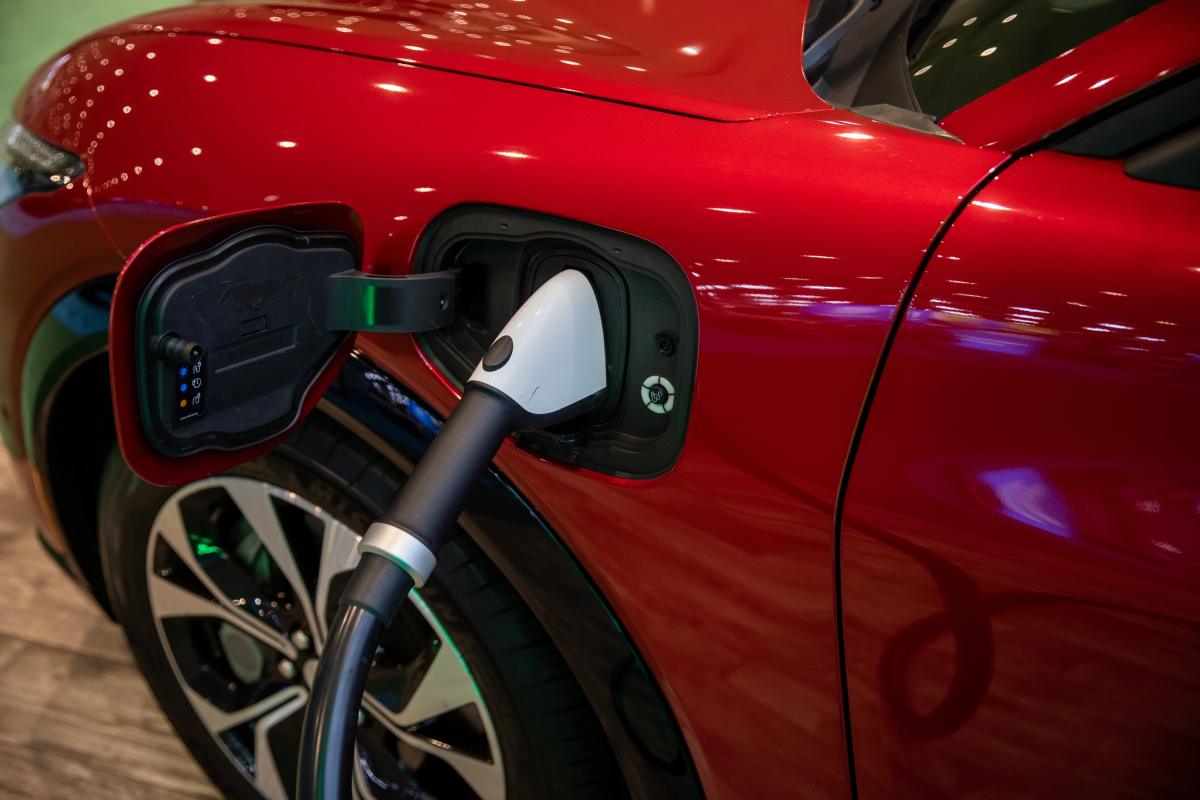
Data from a 600-mile road trip shows EV charging is finally reliable.
Six hundred miles in an EV used to mean a playlist of charging anxieties. But a recent road trip proved otherwise, as DC Fast charging across the U.S. has become notably faster and more reliable. That shift deserves attention, not because it's flashy, but because it removes a real barrier to adoption. For anyone hesitating, the data suggests the experience has quietly matured. It's an encouraging sign for practical, everyday use.