techniques
techniques at Beyond Market Intelligence is a file of 7 stories. The newest of them: “Navigating the Future of Medical Imaging Through Meta-Learning”, “Resource Orchestration Made Practical with Stable Python Techniques”, and “Seven Techniques to Train LLMs on Consumer Hardware”. Starting a PhD without a defined problem is both daunting and liberating. Orchestration often feels harder than it should, especially when you are juggling stable, everyday Python. Acme AI is the next-generation, AI-powered spreadsheet platform built to replace Excel and redefine how analysts, data scientists, and enterprise teams work… The list below is every techniques story on Beyond Market Intelligence, newest first.
Navigating the Future of Medical Imaging Through Meta-Learning
Starting a PhD without a defined problem is both daunting and liberating. One new candidate is exploring meta-learning for medical imaging, drawn to MICCAI challenges over standard benchmarks. That instinct is solid, real-world competitions often reveal fertile ground better than static datasets. The limited data problem remains the field's central tension. Meta-learning, few-shot techniques, and domain generalization all address it differently. For deeper context on tackling data constraints, our article on open-source tools for AI memory systems explores how persistence shapes intelligent behavior.

Resource Orchestration Made Practical with Stable Python Techniques
Orchestration often feels harder than it should, especially when you are juggling stable, everyday Python. Five techniques that actually work today, built for 3.11 and later, with one 3.14-specific tool clearly flagged for those ready to push ahead. It is a grounded, practical read. If you want to extend your coding mindset further, our guide on unlocking Python's advanced techniques pairs nicely with this approach.
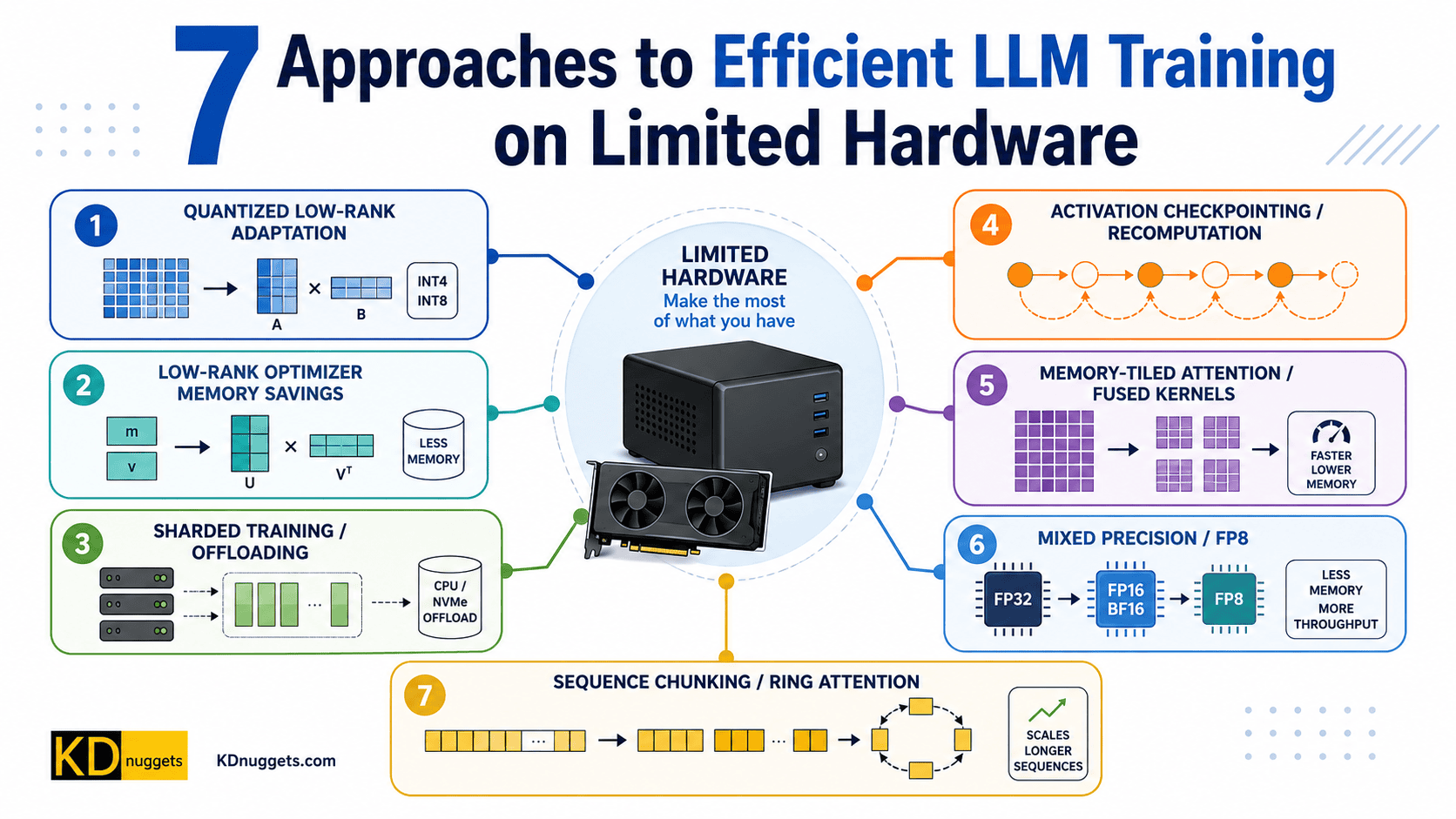
Seven Techniques to Train LLMs on Consumer Hardware
Training a large language model used to mean renting a server farm or settling for someone else's API. This guide challenges that assumption with seven practical engineering techniques for consumer GPUs, proving that memory limits are a constraint to design around, not a wall. It's a grounded, hands-on read for builders who want the control of training their own models.

Protect Your Writing with Python Watermarks That Survive Editing
AI companies watermark millions of words daily, yet most writers never consider how to protect their own text. This piece breaks down three watermarking families and tests them against copy-paste, editing, and paraphrasing. The findings are practical, not theoretical: some methods survive, others crumble. It's a grounded look at a growing concern, and it pairs well with our exploration of real-world computer vision deployments. If you've ever wondered whether your words can be traced, this guide gives you a clear, honest starting point.
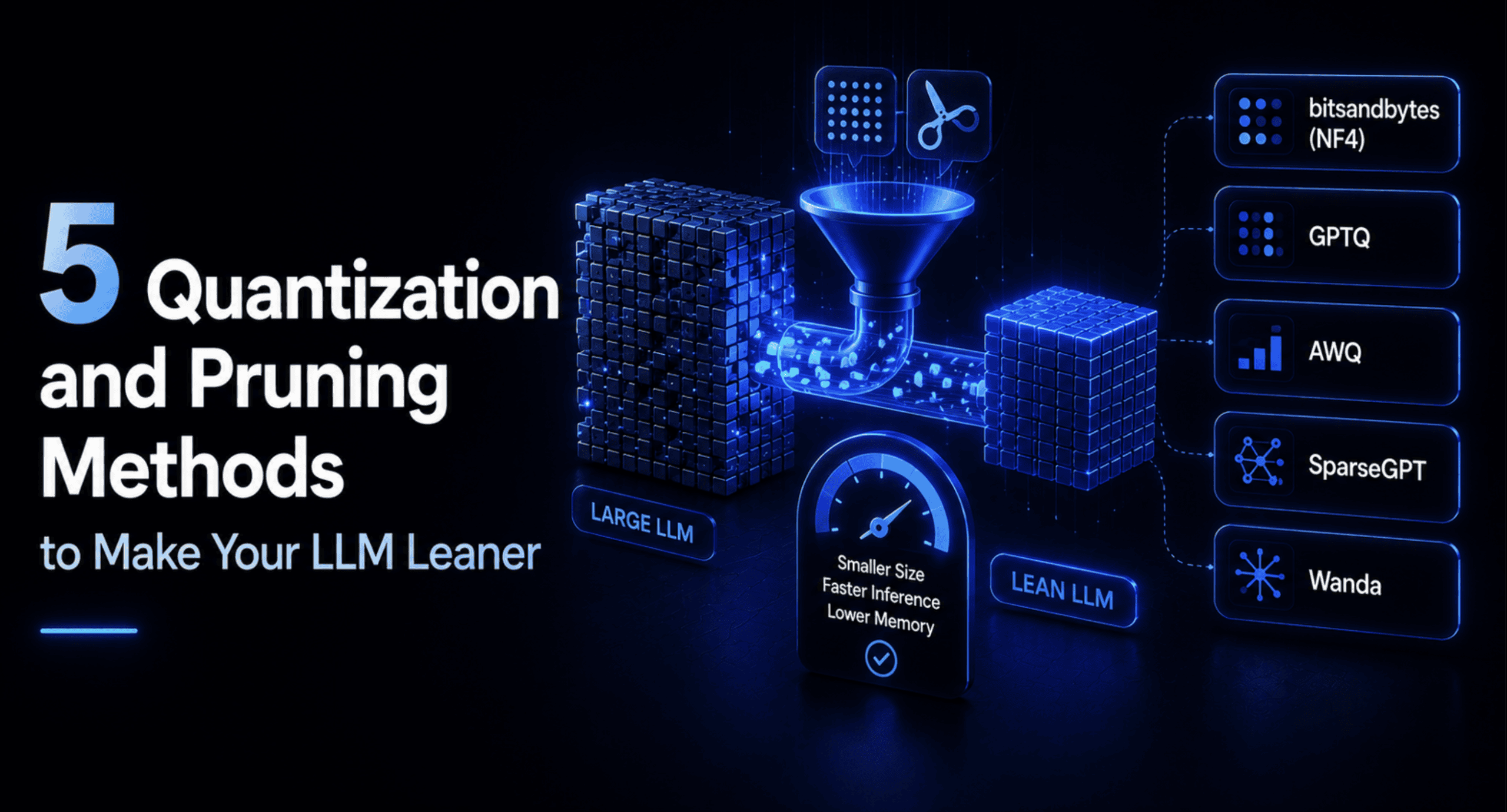
Five Production Methods to Make Your LLM Leaner and Faster
Every parameter in your model costs money, and too many of them mean your inference bill climbs with every prompt. Quantization and pruning are how you cut that weight without gutting performance, and skipping them leaves you paying for latency you do not need. Quantization and pruning cut model weight without gutting performance, and five production methods demonstrate how. If you are still unpacking how distributed systems shape model training, our guide to distributed algorithms pairs well with this one.
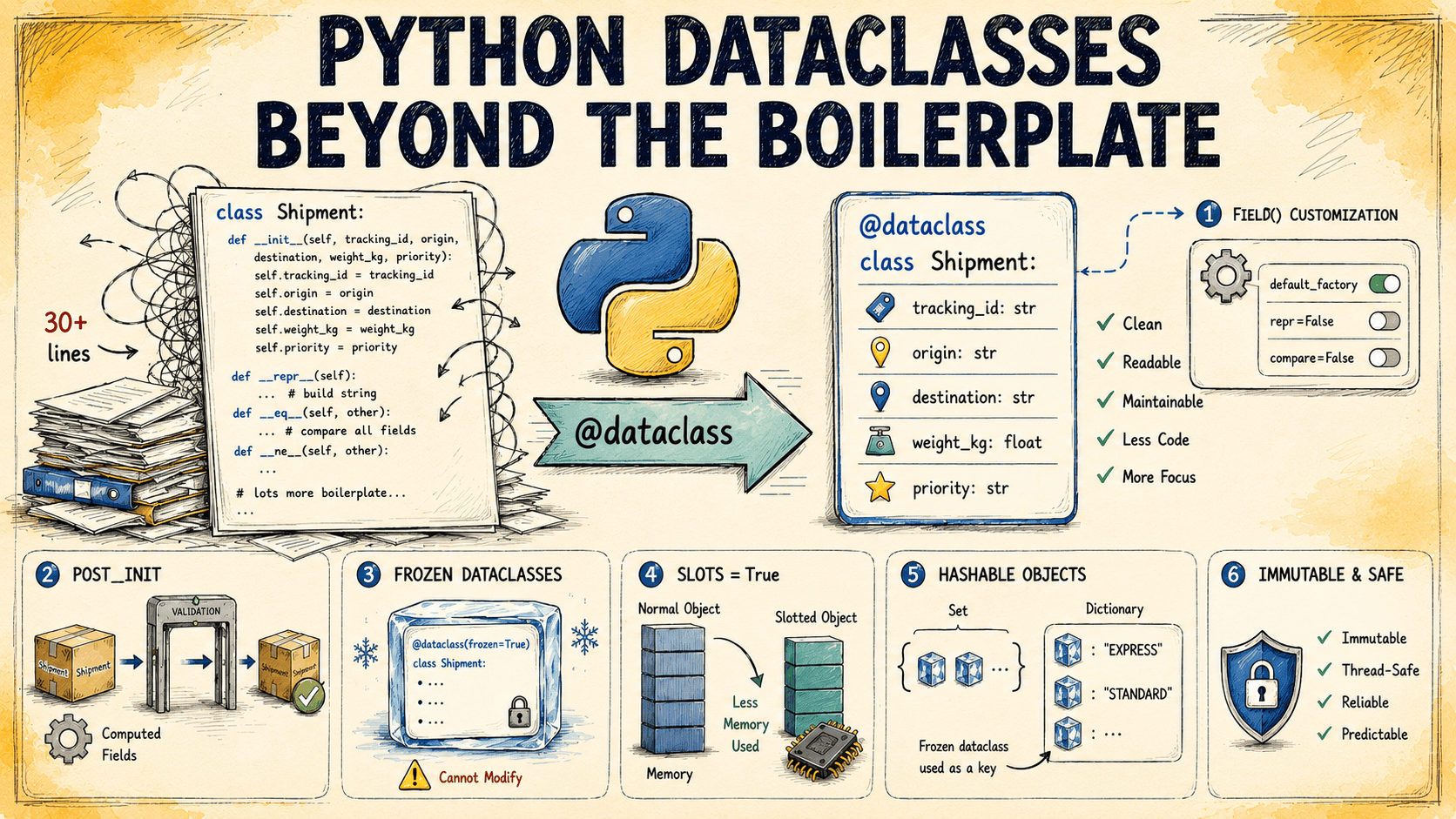
Discover how Python dataclasses transform code with validation and computed fields.
Most developers treat dataclasses as a shortcut for writing `__init__` and `__repr__`. That's only the surface. Custom fields, validation, and computed attributes turn dataclasses into a real tool for modeling data. Immutability and memory optimization get attention too. If you're already exploring smarter Python techniques, "Unlock Python's Potential: Advanced Techniques for Smarter Coding" pairs well with this deeper look. The goal isn't less code. It's better structure.

Bring Structure to Local LLMs with a Practical Implementation Guide
Structured output turns a local LLM from a clever autocomplete into a dependable tool for real workflows. It's not about caging the model; it's about giving it guardrails so answers arrive clean and usable. The implementation is straightforward once you map your schema, and when things break, you debug with validation errors instead of guesswork. That practical edge makes it worth the setup. For another angle on AI's limits, "Verify Your AI's Understanding: A Simple Check for Tax Season" pairs nicely with this.