text
11 stories filed under text on Beyond Market Intelligence. The newest of them: “Strengthen churn and CLV models with the untapped signal in your text data”, “Ten Hugging Face Models Reshaping How Data Works in 2026”, and “Navigating EU Regulation, OpenAI Adds Watermarks to AI Text”. Your churn and CLV models are leaving signal on the table. Ten Hugging Face models are quietly reshaping how data moves through text, vision, audio, and retrieval pipelines in 2026, and that shift is worth paying attention to. Acme AI is the next-generation, AI-powered spreadsheet platform built to replace Excel and redefine how analysts, data scientists, and enterprise teams work… The list below is every text story on Beyond Market Intelligence, newest first.
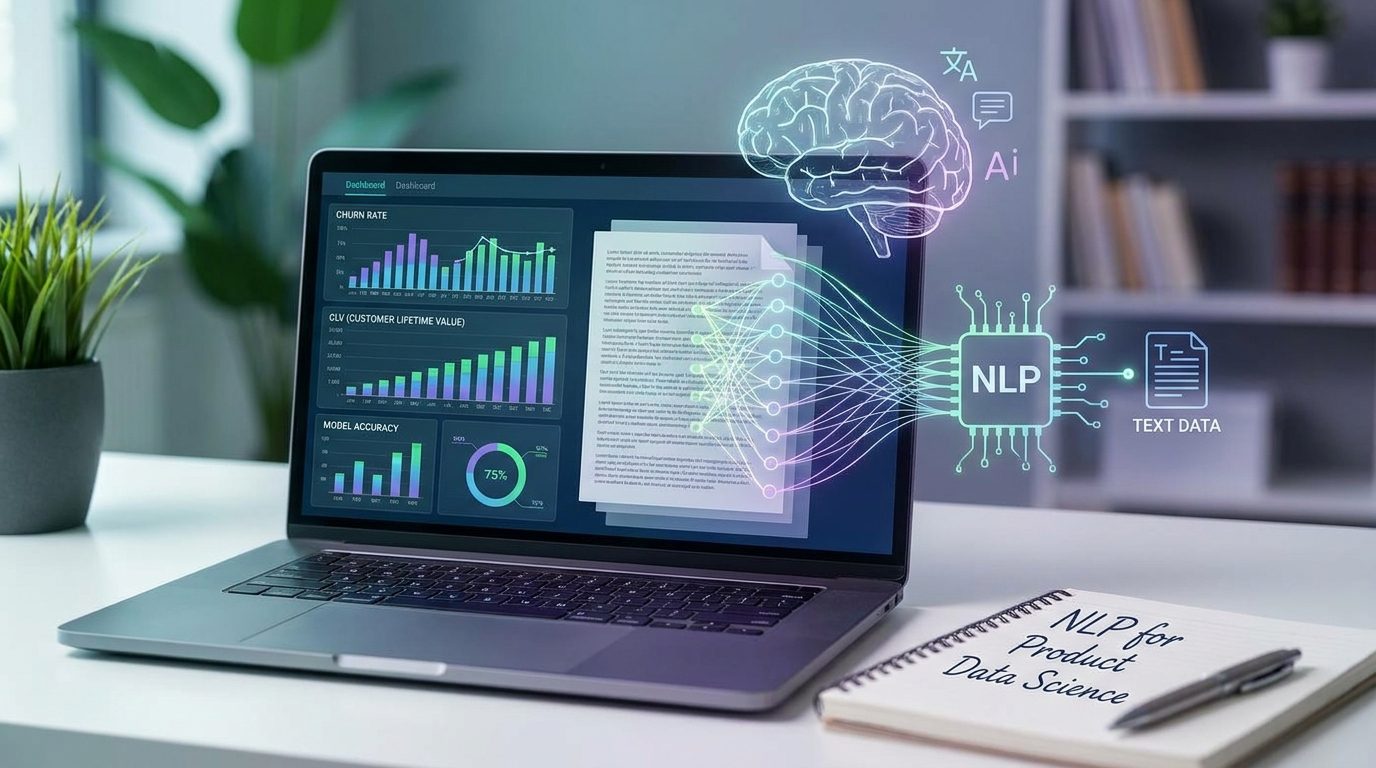
Strengthen churn and CLV models with the untapped signal in your text data
Your churn and CLV models are leaving signal on the table. The text your customers generate, support tickets, reviews, product feedback, carries insights that structured data misses. This practical guide shows how to fold that untapped language into traditional models without overhauling your stack. It's about making your predictions sharper with what you already have. For a related look at how wasted effort skews results, our coverage of 50,400 agent runs pairs well with this approach.
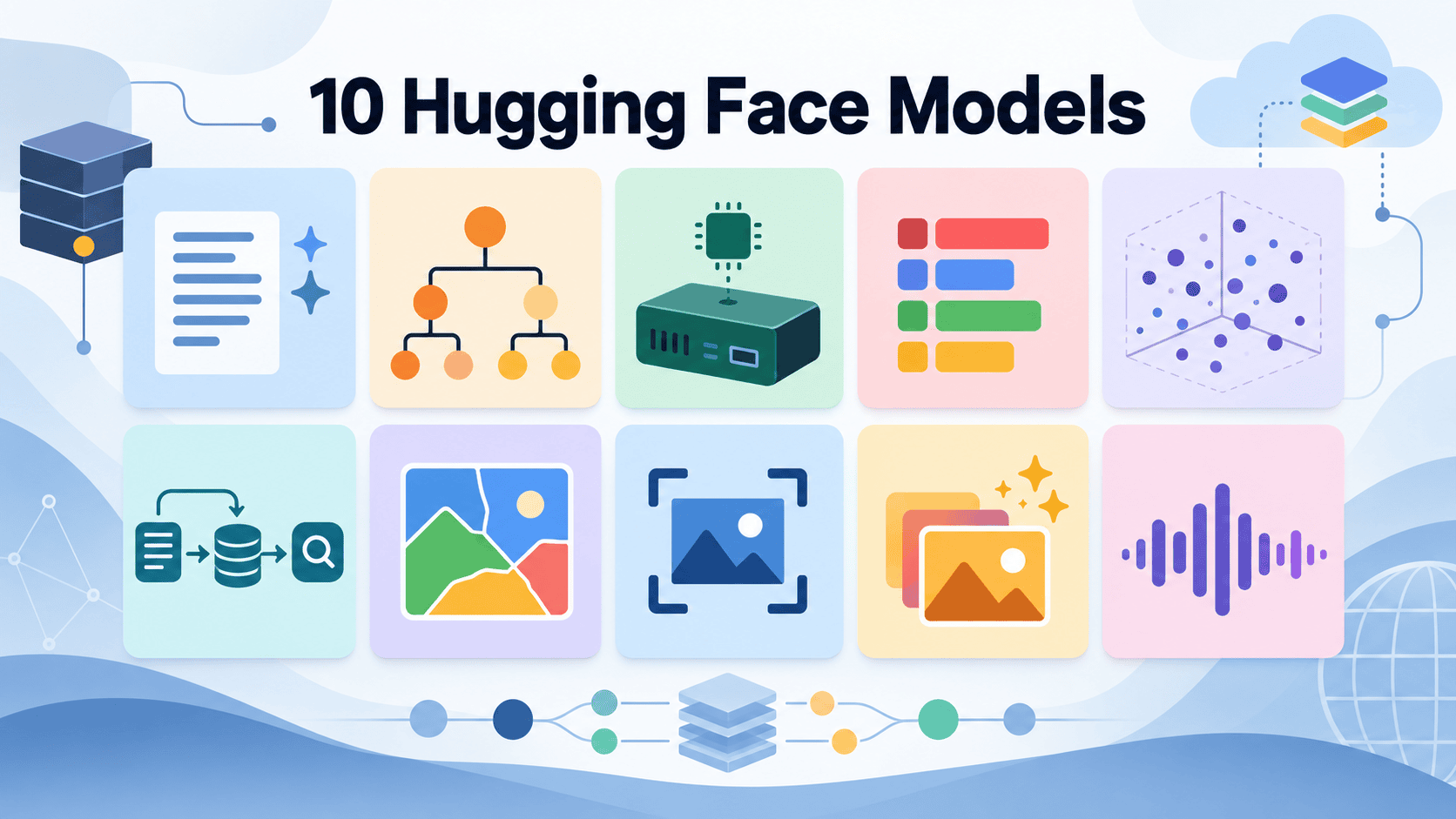
Ten Hugging Face Models Reshaping How Data Works in 2026
Ten Hugging Face models are quietly reshaping how data moves through text, vision, audio, and retrieval pipelines in 2026, and that shift is worth paying attention to. These aren't speculative projects, they're tools you can use today. If you've ever felt constrained by a tool that asks you to wait for answers a local model already knows, our related article "Stop Waiting for Answers Your Local Model Already Knows" explores that exact friction.

Navigating EU Regulation, OpenAI Adds Watermarks to AI Text
OpenAI will watermark ChatGPT and Codex text in the EU to comply with the AI Act. That's a practical step toward transparency, but the company admits editing can make those invisible marks harder to detect. Regulation is nudging progress, yet enforcement remains a moving target. It's a reminder that rules alone don't solve trust. For more on how safety pledges are reshaping the conversation, read "Can a safety pledge reshape how we see AI's future."

SuperWhisper s1-mini Brings Serious Transcription Power to a Compact Model
SuperWhisper's s1-mini proves that serious transcription power doesn't require a massive model footprint. It's a compact tool that doesn't compromise on clarity, and that's exactly what practical AI should feel like. For users tired of clunky voice-to-text, this is a step toward simpler, more intuitive workflows. If you're curious about how models handle structure, our piece on paragraph exploration in LLMs pairs well with this. Explore what s1-mini offers; it's a focused leap forward.
Stop Wrestling with VLOOKUP and Discover a More Reliable Approach
A VLOOKUP that works 80% of the time is a puzzle with a pattern, not a mystery. When one lookup fails while a second, similar one succeeds, the issue is rarely the formula itself; it's the data's hidden inconsistencies. The real clue is that your price lookup works flawlessly because it uses `VALUE`, forcing a numeric match. Your description lookup doesn't. The problem is almost certainly a formatting mismatch, perhaps some part numbers are text, others are numbers.
Restoring Speed to Your Spreadsheet Error Fixes
If your weekly Excel files keep arriving as text, the error fix button was likely your quiet savior. Now, watching that same fix take 10 to 15 seconds after an AI update feels like a step backward, especially when colleagues still have the original two-second option. You are not alone in wanting that control back. While a direct toggle to revert the feature isn't always available, manually reformatting cells to "Number" often works.
Uncomplicate comma-separated data with one powerful sort formula.
Sorting comma-separated values from a Google Sheet into Excel can feel like translating a foreign language, especially when the formula looks like alphabet soup. That function you shared is actually a clever chain: it splits each cell's text at every comma, trims stray spaces, stacks the results, removes duplicates, and then sorts them alphabetically. It's powerful, but deciphering it without context is tough.

Understand Claude's Watermarks to Better Manage Your AI Output
Claude's watermarks are not one-size-fits-all. Text carries embedded markers, while supported files rely on signed C2PA metadata. Code, however, sits in a curious middle ground; its structure gives the watermark fewer places to hide. That nuance matters if you are trying to strip these traces cleanly. I appreciate that this guide digs into the practical differences rather than treating AI content as a monolith. For more on how AI systems shape what we see, our piece on agents learning by editing context pairs well here.

Discover how rare books are shaping the future of AI training.
Amazon built its name on getting books into readers' hands. Now, reports say it's destroying rare texts to train AI models, a move that feels at odds with that legacy. Those books are irreplaceable, and their value in training LLMs only grows because so much of the public web is already exhausted. It's a practical, if unsettling, trade-off. For anyone questioning how far tech will go, our piece on talking to an AI clone offers a fitting companion.
Explore how Claude's new watermarking builds trust in AI-generated content.
Since August 2nd, 2026, Claude has embedded a hidden watermark in all text it generates, while files receive a digital signature. This move aligns Anthropic with the EU AI Act's Code of Practice on Transparency. It is a straightforward step toward accountability, though the quiet nature of the tech raises questions about how users will actually perceive it. For deeper context on how we interact with AI outputs, our piece on talking to an AI clone offers a fitting companion.

Unlocking Efficiency by Compressing Data Into Lower Dimensions
Compressing heavy, unstructured data is one of the biggest hurdles in modern machine learning, and autoencoders offer a surprisingly elegant way forward. By learning to squeeze inputs into a lower-dimensional latent space, they preserve the core context while slashing computational load. It's a practical, accessible approach that turns a complex problem into a manageable workflow. For readers ready to see how this fits into the broader AI toolkit, our guide on distributed algorithms for LLM training pairs naturally with this foundational idea.