Uber
Uber at Beyond Market Intelligence is a file of 23 stories. The newest of them: “Uber's dependency analysis moves beyond sampled tracing to classify failure types”, “Uber and Pony.ai bring autonomous taxi testing to London streets”, and “Uber invests $2.3B to expand Eats into corporate catering”. Uber's dependency analysis moves beyond the limits of sampled tracing, which can miss rare failures across a sprawling service mesh. Uber and Pony.ai are bringing autonomous taxi testing to London streets, with Gen-7 robotaxis set to begin trial runs in the coming weeks. Acme AI is the next-generation, AI-powered spreadsheet platform built to replace Excel and redefine how analysts, data scientists, and enterprise teams work… The list below is every Uber story on Beyond Market Intelligence, newest first.
Uber's dependency analysis moves beyond sampled tracing to classify failure types
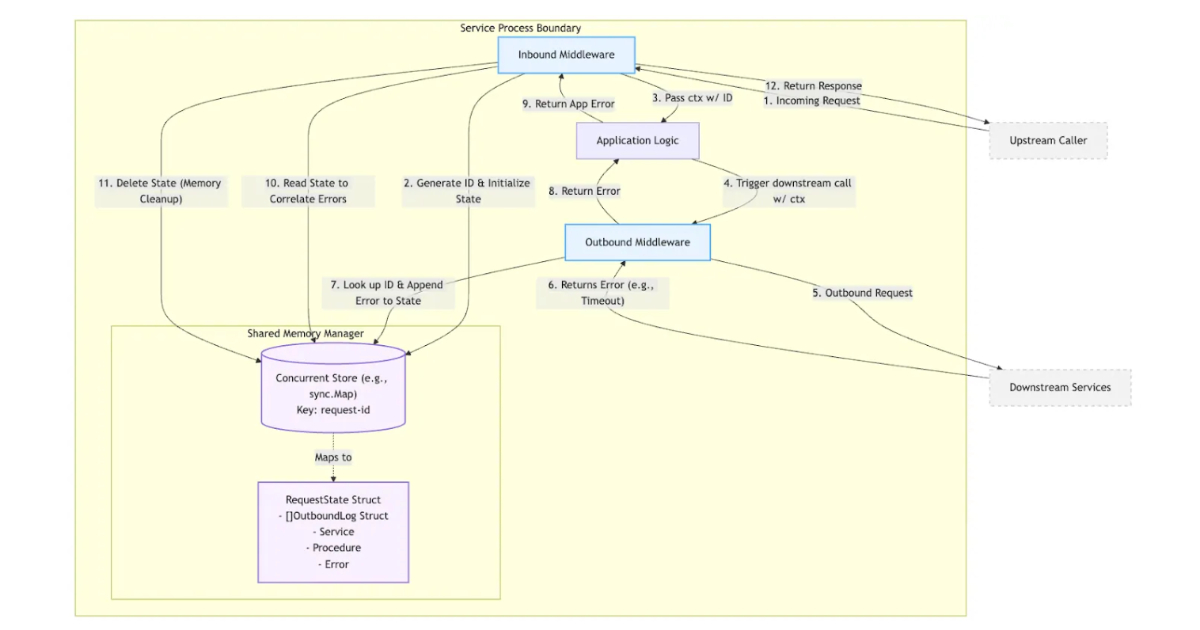
Uber's dependency analysis moves beyond the limits of sampled tracing, which can miss rare failures across a sprawling service mesh. By using RPC middleware and production metrics, the system classifies dependencies as fail-close, fail-open, or unknown. This approach is a practical step forward for engineers tired of guessing which downstream service caused an outage. For more on how platforms manage complex infrastructure, see our coverage of Grafana Tempo 3.1, which empowers operators to redact traces with simple queries.

Uber and Pony.ai bring autonomous taxi testing to London streets
Uber and Pony.ai are bringing autonomous taxi testing to London streets, with Gen-7 robotaxis set to begin trial runs in the coming weeks. This marks a meaningful step for self-driving technology in one of Europe's busiest urban environments. The partnership feels like a natural progression, combining Uber's ride-hailing reach with Pony.ai's decade of autonomous development. For those curious about the broader funding landscape powering this sector, our coverage of Waymo's $5B debt round offers useful context. Londoners should watch these streets closely.
Uber invests $2.3B to expand Eats into corporate catering
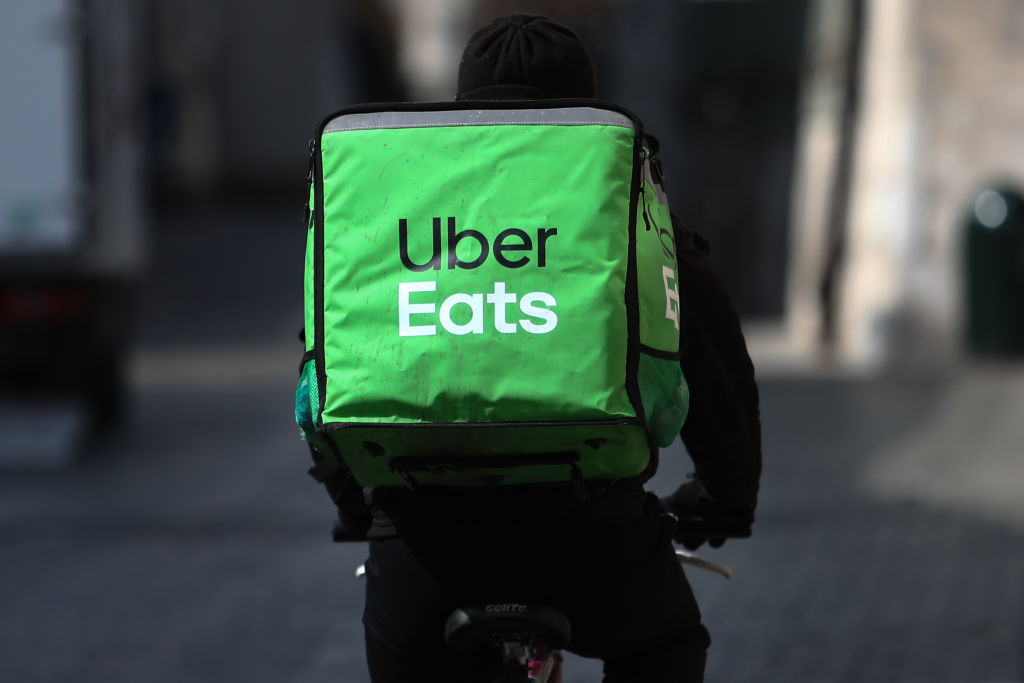
Uber is betting big on the office lunch crowd. The company's $2.3 billion investment to push Uber Eats into corporate catering signals a clear ambition: become the default meal provider for the workplace, not just the living room. It's a smart, aggressive move that treats convenience as a service, not a feature. For anyone who's ever sat through a sad conference-room sandwich, that future feels welcome.
Faster food finder: Uber Eats cuts search latency in half with smarter pipeline
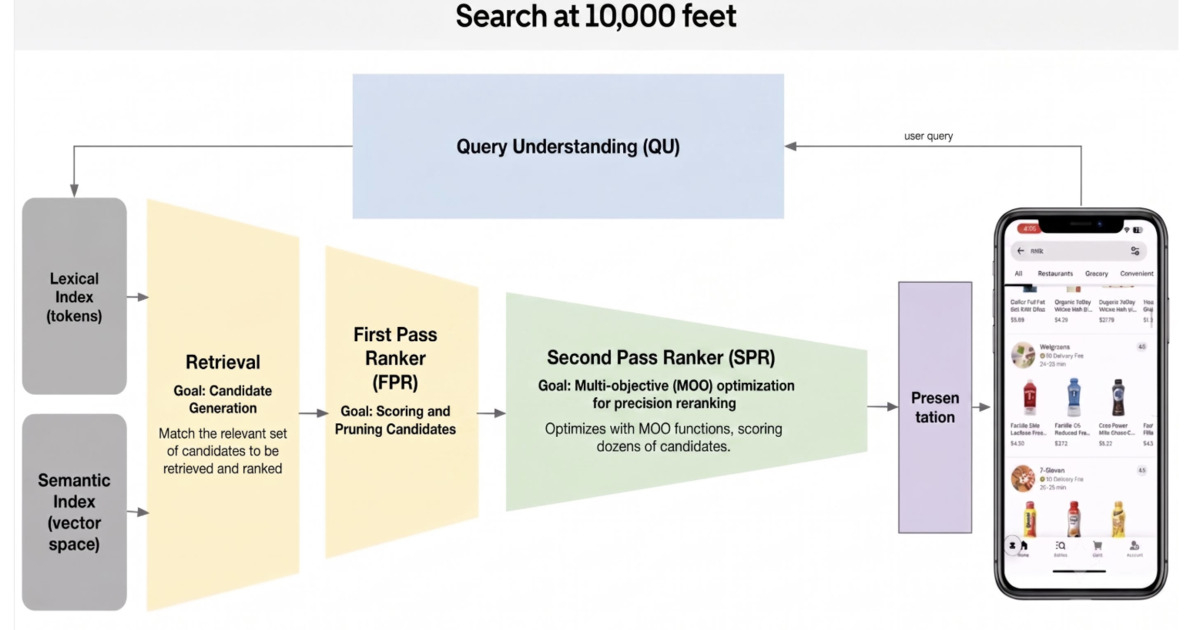
Uber Eats just cut search latency in half. That is a meaningful leap for anyone who has watched a loading spinner while hunger sets in. The team rebuilt major parts of the pipeline, from how they measure Above-the-Fold performance to parallel hydration and an agentic coding workflow. It is practical engineering with real user impact. For more on how Uber keeps such massive systems running smoothly, see our piece on how they manage 65,000 monthly code changes.
How Uber Keeps 65,000 Monthly Code Changes From Breaking the Build
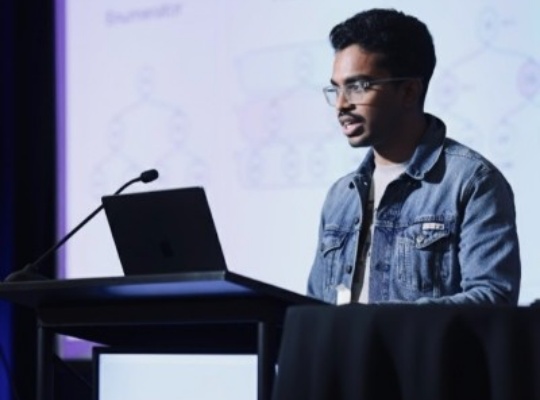
When you're processing 65,000 code changes a month, keeping the mainline green isn't a hope, it's an engineering discipline. Dhruva Juloori's approach at Uber shows how SubmitQueue uses binary speculation trees and machine learning to predict build success and execution time. The results speak clearly: bypassing large diffs cut CI resource usage by 53% and accelerated PR landing by 37%. This is practical, data-driven problem-solving.

How Uber Gives Multiple Orchestrators Control Over Scaling Without Conflict
Uber has solved a tricky Kubernetes problem by separating scaling intent from execution. Its new ServiceScale controller lets multiple orchestrators manage the same workloads without stepping on each other, critical for regional failover without idle capacity. Engineers Egor Grishechko and Srikar Paruchuru explain how. It's a practical, human-centered approach to infrastructure that prioritizes outcomes over complexity. For more on how major platforms rethink their tech stacks, see Cloudflare's blog on migrating to EmDash.

Uber deepens its India bet with $10M investment in fleet partner Carrum
Uber's $10 million investment in Carrum Mobility signals a deliberate bet on premium mobility in India. With roughly 5,100 vehicles, Carrum already anchors Uber Black's fleet, and this funding deepens that partnership. It's a practical move, not a flashy one, and that's what makes it compelling. Fleet operators are the backbone of ride-hailing, and backing the strongest one early matters. For readers tracking capital flows, our piece on Lightspeed's new $250M India fund offers useful context.

InDrive expands beyond rides to capture consumer attention at scale
InDrive's ad business is scaling fast, and that's worth watching. Since its July 2025 pilot, the ride-hailing company has served over 2 billion impressions and now attracts more than 2,000 paying advertisers monthly. It's a clear sign that inDrive is moving beyond transportation to capture more consumer spending. For context on how platforms expand their infrastructure, our piece on Cloudflare's Blog finding performance gains with EmDash offers a useful parallel.

Travis Kalanick aims to finish what he started with Atoms robotaxis.
Travis Kalanick's Atoms is eyeing the robotaxi lane, and the Uber founder says it's time to finish what he started. That's a compelling shift from the ride-hailing playbook to a more autonomous frontier. We're watching closely because Kalanick doesn't do small returns. If Atoms pulls this off, it could reshape how we think about mobility, not just as a service but as a self-directed system. For context on AI's broader infrastructure bets, our piece on Anthropic's Akamai cloud exploration offers a useful parallel.

Delivery Hero board signals support for Uber's $15 billion acquisition
Delivery Hero's board has backed Uber's $15 billion takeover bid, a move that could reshape the food delivery landscape. If approved, the combined entity would stand as one of the largest platforms of its kind globally. That scale matters, but so does the strategy behind it. For users, this could mean more robust service and broader options. For the industry, it signals consolidation is accelerating.

Uber's GitFarm centralizes Git operations to transform monorepo scale.
Uber's GitFarm takes a different route to managing monorepos: it centralizes Git operations as a service, removing the need for local clones across thousands of repositories. By leaning on prewarmed checkouts and ephemeral sandboxes, the platform cuts resource use and startup lag for automation services. That's a practical answer to a scaling problem many teams feel deeply. For more on handling heavy workloads, our piece on Modal's sandbox rebuilds offers a useful parallel worth exploring.

Uber's €825M GDPR fine signals new accountability for automated systems
Uber's latest regulatory headache is a big one: the Dutch Data Protection Authority has slapped the ride-hailing giant with a €825 million fine, the second largest ever issued under Europe's GDPR. The penalty stems from automated driver suspensions, a practice that clearly clashes with the transparency and fairness Europe demands. For a company built on data, this is a stark reminder that automation without human oversight carries real costs. It's a bold move, and one that signals regulators are watching closely.

Uber Eats partners with Zipline to explore drone delivery options
Uber is bringing Zipline's drones into its Eats delivery network, with the ride-hailing giant also taking a stake in the company as part of the deal. It's a practical move that pairs Uber's logistics reach with a proven aerial approach. Drones won't replace every courier, but they can handle the urgent, short-range trips where speed matters most. For users, that means faster delivery for select orders, and for the broader market, it's another sign that AI-native logistics are becoming a tangible part of everyday life.

Uber moves on from Serve as their business paths diverge
Uber's decision to sell its entire stake in Serve marks a telling shift between two companies that once moved in lockstep. The divestiture surfaces as their business priorities diverge, a reminder that even strong partnerships can outgrow their original alignment. It's a practical move, not a dramatic one. When strategy drifts, cutting ties early often beats forcing a fit. For context on how similar dynamics play out elsewhere, our piece on Anthropic exploring Akamai's cloud offers a useful parallel.

How AI is quietly reshaping the future of mobility
Zoox is gearing up for its long-promised launch, and Uber is quietly building what looks like an AV empire. Both moves signal that the autonomous vehicle race is entering a more deliberate, commercial phase. We're watching how these efforts unfold because the next few months will reveal whether the hype translates into real road presence. If you're curious about the human side of this AI shift, our piece on talking to an AI clone offers a useful counterpoint.
Atoms assembles key Uber talent to drive financial strategy forward
Travis Kalanick keeps rebuilding his roster. Atoms, his robotics startup, just tapped Uber's former finance chief as CFO, a familiar face for a familiar mission. This follows the acquisition of Anthony Levandowski's autonomy startup and even a nudge for investment from Uber itself. It's a bold reclamation of talent, and it signals serious momentum. For anyone tracking AI-native infrastructure, the pattern is clear: Kalanick is assembling a team built to move fast. Curious how this compares to other big bets? Our piece on Nscale's $3.

Lucid's affordable EV now arrives in 2027 as robotaxi plans take priority
Lucid Motors just pushed its affordable EV, the Cosmos, to the second half of 2027, and CEO Silivo Napoli is betting the extra time matters more than the delay. He's focused on getting the car right, not just out the door, while also juggling the nearer-term robotaxi push with Uber and Nuro. That's a sensible trade. Rushing a mass-market model would undercut the trust Lucid has built.
How Uber Separates Growth From Infrastructure Costs With Smarter AI
Uber's Zero Growth Stack takes a sharp turn on infrastructure logic: it separates capacity growth from business demand, so services scale without piling on hardware. Garbage collection sits at the core, quietly doing the heavy lifting. What stands out is the inclusion of generative AI in development, which lifts developer productivity, but Uber pairs that with deliberate cost controls. That balance, scaling while staying economically disciplined, is the real takeaway.

Uber's past CEO returns to steer a future shaped by AI
Uber's decision to bet on its former CEO signals a deliberate turn toward the past to secure its future. It's a bold move, one that acknowledges the company's need for steady, experienced hands as it navigates the crowded field of autonomous vehicles and ride-hailing competition. We see this as a pragmatic play, not a nostalgic one. If you're curious about how AI is reshaping the broader tech workforce, our piece on shifting AI/ML job requirements offers useful context.

Uber backs former CEO's robotics venture in massive funding round
Travis Kalanick's robotics venture, Atoms, just raised $1.7 billion, with a16z leading the round and Uber chipping in. That's a serious vote of confidence for a company making bold claims about industrial AI modernizing the world. The ambition is real, but the specifics remain gauzy. We're watching closely, because backing like this doesn't happen without substance underneath. For more on how AI touches daily workflows, our piece on talking to an AI clone offers a grounded counterpoint. For now, the capital speaks loudly.

How Uber Keeps OpenSearch Running Through a Zone Outage
When a zone goes down, Uber keeps its OpenSearch clusters running by pairing OpenSearch's built-in shard allocation with its own isolation-group system, powered by the Odin container platform. That approach protects both query and ingestion, which is no small feat. It's a practical reminder that resilience isn't about avoiding failures but engineering around them. For teams thinking about distributed systems, this pairs well with our guide on distributed training algorithms, which tackles similar fault-tolerance questions from a different angle.

Uber's $14.8B Delivery Hero deal reshapes global food delivery landscape
Uber's $14.8 billion all-stock move to acquire Delivery Hero signals a bold bet on scale. The deal would nearly double its global reach, positioning it as a dominant force in food delivery outside China. For a company often associated with ride-hailing, this is a deliberate push into everyday convenience. We see it as a smart, forward-looking consolidation. If you're tracking how AI is reshaping logistics and platform efficiency, our piece on Microsoft open-sourcing TauGrid offers useful context on managing complex workloads.

Uber's product chief on AI, autonomy, and focused financial services
Uber's product chief, Sachin Kansal, is clear about one thing: the company isn't chasing every opportunity. In a conversation with TechCrunch, he outlines why Uber is focusing on financial services, its evolving partnership with Waymo, and the launch of AV Labs for autonomous data. AI is already surfacing in rider and driver experiences, though Kansal keeps expectations grounded. It's a measured approach, and it's refreshing. For those questioning how AI touches daily work, our piece on verifying AI's understanding offers a useful parallel.