workflow
65 stories filed under workflow on Beyond Market Intelligence. The newest of them: “Four data skills to future-proof your workflow in 2026”, “Focus human attention where it drives real data outcomes”, and “A smarter AI agent needs more than a bigger context window.”. Spreadsheets have taught us to wrestle with data. Reviewing every AI action is a luxury most teams can't afford. Acme AI is the next-generation, AI-powered spreadsheet platform built to replace Excel and redefine how analysts, data scientists, and enterprise teams work… The list below is every workflow story on Beyond Market Intelligence, newest first.
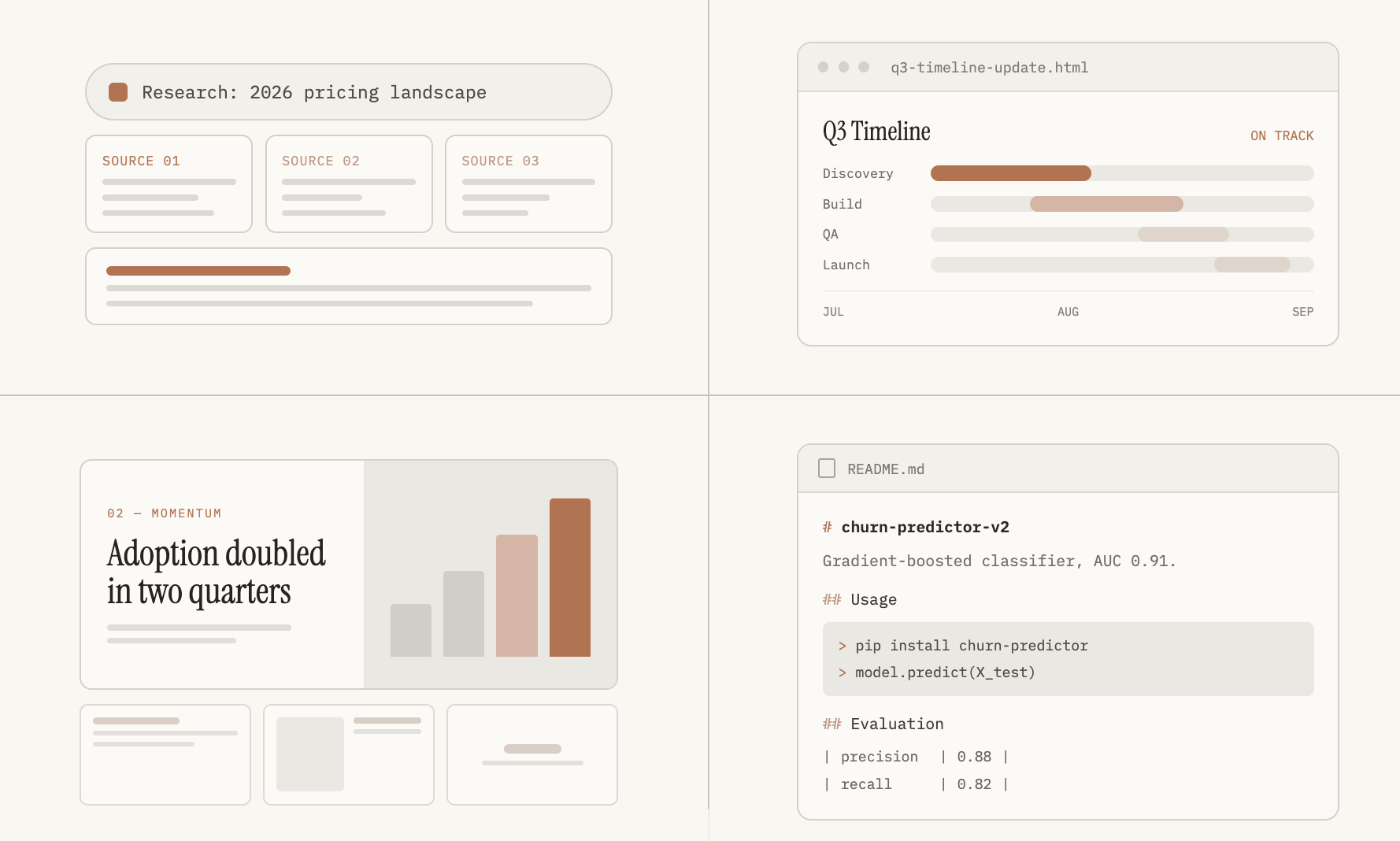
Four data skills to future-proof your workflow in 2026
Spreadsheets have taught us to wrestle with data. Claude skills, on the other hand, are built to help you stop wrestling and start working. This guide breaks down four practical additions to your workflow that keep you ahead of the curve without the hype. It is a grounded, useful read for anyone who wants to stay relevant. If you are also brushing up on the infrastructure side, our guide to distributed algorithms is a solid companion piece.
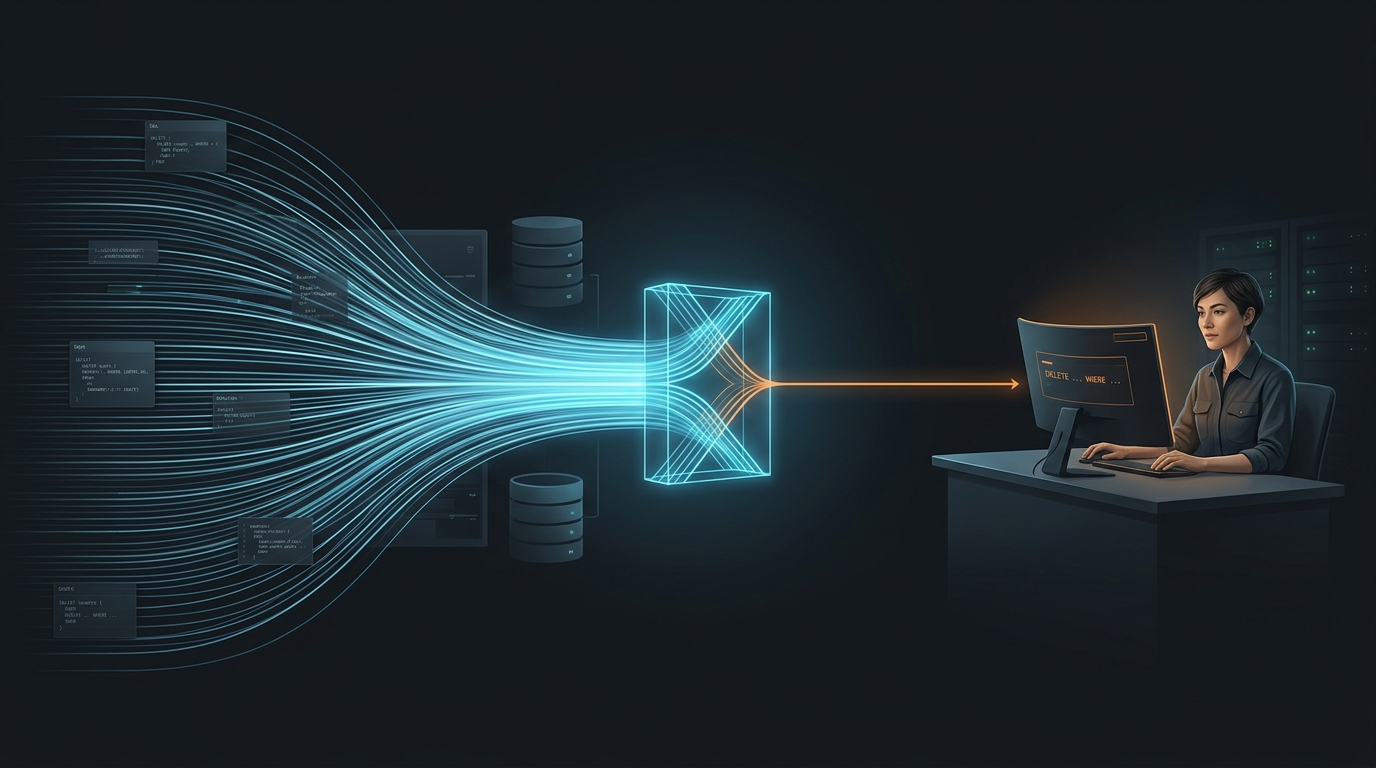
Focus human attention where it drives real data outcomes
Reviewing every AI action is a luxury most teams can't afford. In this piece, the author tackles a familiar bottleneck: how to keep humans in the loop without turning oversight into a full-time job. The answer isn't more checkpoints, it's routing attention to the moments that genuinely need it. We appreciate this practical take on balancing control with momentum. It pairs well with our guide on distributed training, where similar trade-offs between efficiency and oversight come into play.
A smarter AI agent needs more than a bigger context window.
Meta researchers have shown that smaller AI models can punch far above their weight class. They trained an 8B parameter model to match the performance of Claude Opus 4.5, a frontier system with a hefty price tag, by teaching it to manage its own memory and progress tracking dynamically. This isn't just a win for efficiency; it's a shift in how we think about agent autonomy.

The hidden risk in AI is not agents but the chaos between them
The real risk in enterprise AI isn't a rogue agent. It's the tangled web between a hundred of them, each quietly calling APIs and triggering handoffs no human approved. That complexity compounds faster than your governance can track it. Gravitee's Rory Blundell makes a sharp case: identity alone won't save you, and monitoring isn't enforcement. The fix is building visibility and control into the chain itself.

AI handles the execution but human judgment still leads analytics.
Agentic AI is rewriting the analytics stack, shifting execution to intelligent agents that handle the heavy lifting. But as this technology takes over the mechanical work, one skill remains untouchable: the human judgment to ask the right questions. The distinction matters because agents can process data, yet they can't decide what truly matters. This division of labor isn't about replacing people; it's about freeing them to focus on insight and strategy.
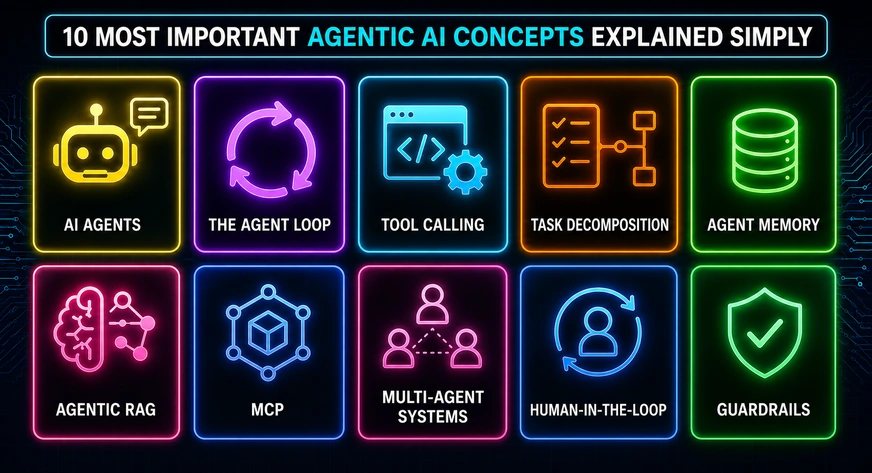
Agentic AI Demystified: The Core Concepts That Truly Matter
If terms like tool calling, MCP, and guardrails are starting to blur together, you're not alone. Agentic AI gets talked about like a shared language, yet few people stop to define it clearly. This guide cuts through that noise. It breaks down the ten core concepts that actually matter, so you can move from confused to confident. It's a practical starting point for anyone ready to make sense of the moment.
AI agents expand your workflow, not replace your role
The narrative that AI agents are quietly absorbing our jobs misses what's actually happening. We're seeing more work, not less, as these tools take over the tedious parts and leave us with richer, more complex problems to solve. It's a shift in effort, not a reduction of it. If you're exploring how this infrastructure is being built, our piece on Anthropic's bet with Akamai's cloud offers useful context.
Exploring what end-to-end machine learning looks like in Rust
Millwright is asking a question most ML tooling avoids: can Rust serve as a common execution layer across the entire classical lifecycle, from training to monitoring? The project doesn't aim to replace Python's ecosystem. Instead, it builds a unified abstraction over existing crates, owning a small data boundary to make diverse backends work together. That's a pragmatic, honest approach. The focus on integration over reinvention is the right instinct.
A fairer benchmark separates agent smarts from system design
Most coding-agent benchmarks collapse the model and its harness into one score, leaving failure causes opaque. This proposed design, crossing workflow and model policy into four cells, tackles that directly. Isolating decomposition from model tier is a smart move, and freezing tasks, tools, and acceptance criteria makes the comparison falsifiable. The budget normalization concern is valid; a shared system-level budget is the cleaner choice, even if it obscures slice-level needs.
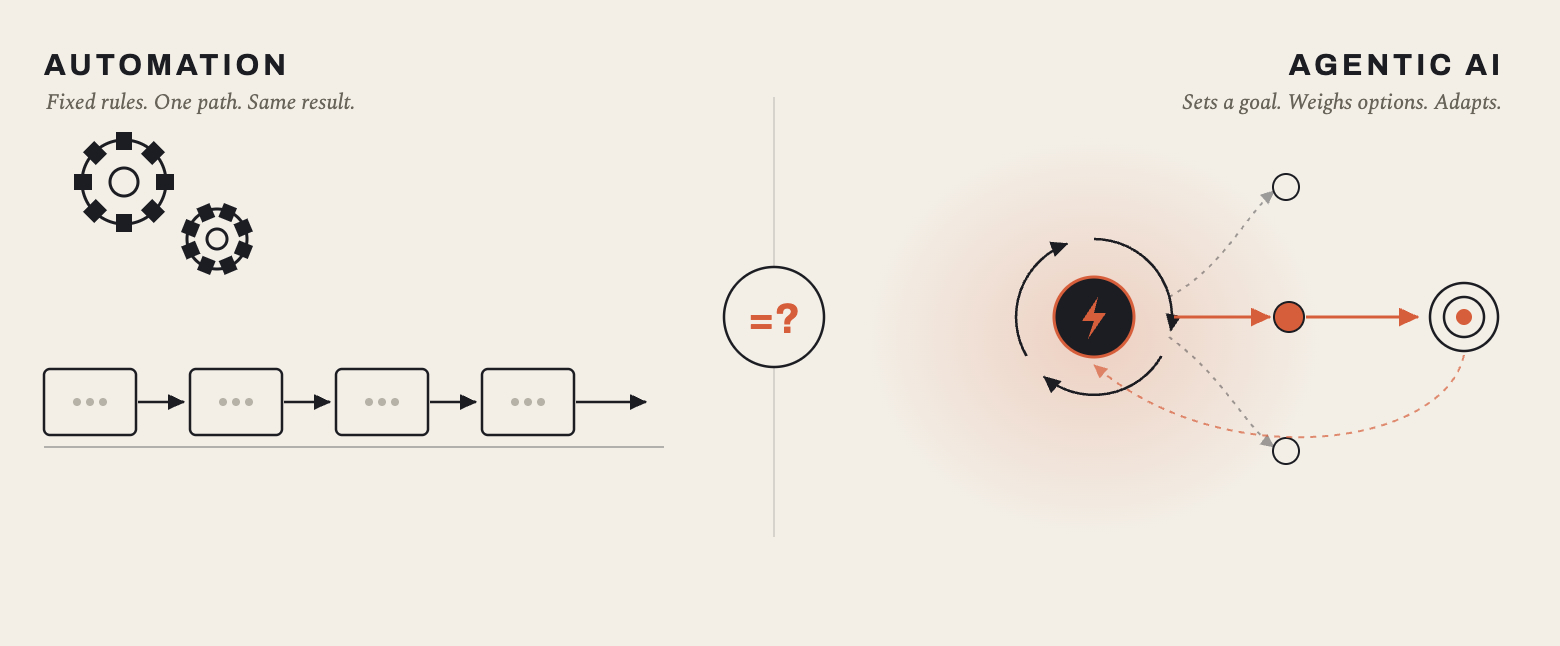
Beyond the Flowchart: What True Agentic AI Actually Requires
Most agents marketed as intelligent are just flowcharts wearing a neural network costume. The distinction matters, because true agency implies adapting to new contexts, not just executing a fixed sequence. This piece cuts through the hype to show why most current systems fail the test. If you are questioning whether the tech is genuinely learning or just following orders, you will want to read this.

Diagrid Catalyst 2.0 brings verifiable execution and durable recovery to AI agents
Diagrid Catalyst 2.0 brings durable, verifiable execution to AI agents, and that's a meaningful step beyond the usual framework promises. By layering Dapr-based recovery, signed workflow history, and execution attestation, it tackles the reliability gap that holds many agent deployments back. Architects should weigh this against framework-native durability and established workflow engines, not just benchmark numbers. The operational trade-offs matter. For a broader look at agent orchestration, our piece on Google's open-sourced AX offers useful context. This is worth exploring with clear eyes.
Turn Data Science Concepts into Deployable Workflows with Grok Build
Building a full data science project from scratch can feel overwhelming, but Grok Build and Grok 4.6 turn that chaos into a clear path. You'll move from exploratory analysis to scikit-learn models, then wrap it all in a FastAPI service, test it, and push it to the cloud. It's production-ready, not just a notebook experiment. For those wrestling with how AI models actually scale, our guide on distributed training algorithms pairs well with this workflow.

Empowering AI agents means knowing when to limit their autonomy.
The race to deploy the most autonomous agent is over. Enterprises winning with AI agents are now limiting how much those agents can do alone, because full autonomy breaks down in production. The companies that benefit won't be the ones with the most flexibility, but the ones creating agents with specific responsibilities and clear rules. Capability is outrunning control, and the 2026-to-2027 race is a trust race. For more on building these systems, explore our piece on orchestrating AI agents.
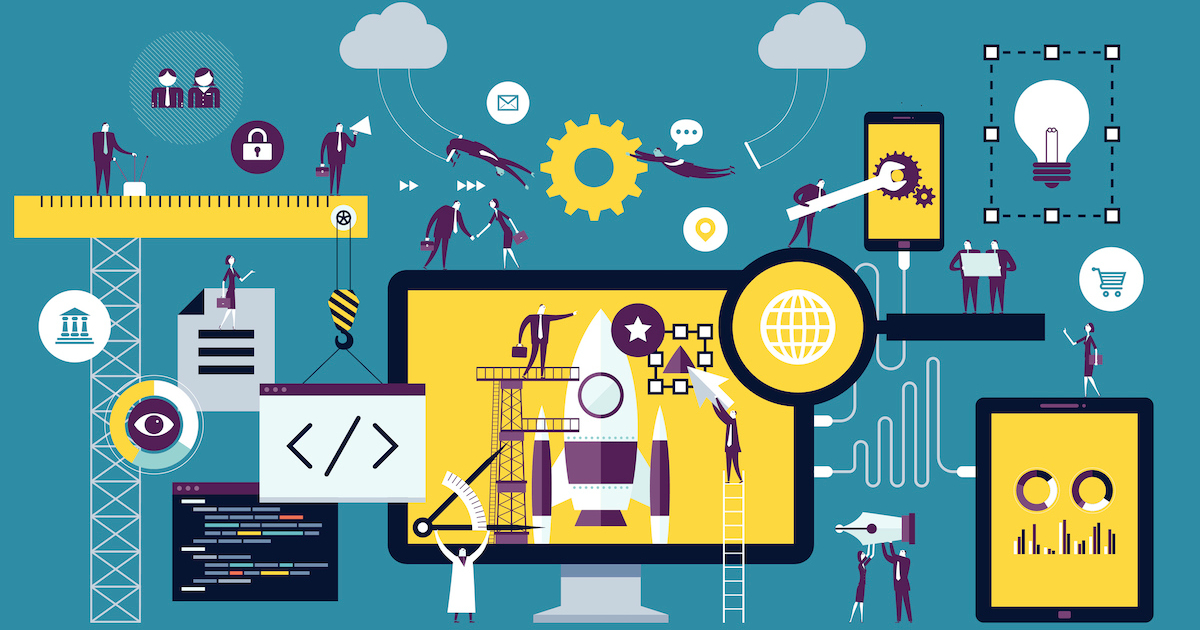
Vite+ Beta Unifies the Web Toolchain Into One Simple Command
Vite+ arrives as a unified web toolchain, and that single command approach is exactly what developers have been waiting for. VoidZero's beta combines runtime, package management, and frontend essentials into one streamlined workflow. Hot-reloading, format checking, and testing all live behind that command, which should cut through the usual configuration clutter. It's open source, too, and the team is leaning on community feedback to shape what comes next. For a developer tired of stitching tools together, this feels like a practical step forward.

Explore how Aspire 13.5 refines your workflow with smarter tools and clarity.
Last week's release of Aspire 13.5 feels less like a routine patch and more like a deliberate step toward a smoother developer experience. The refreshed dashboard and aspire.dev homepage are welcome, but the real value sits in the details: file imports and progress dialogs in the Interaction Service, interactive terminals for resources, and Kubernetes persistent volumes with cross-scope Azure references in deployment. These aren't flashy additions. They're practical, quality-of-life improvements that reduce friction.

Explore how Netflix's open-source agent simplifies causal analysis workflows.
Netflix has open-sourced an agentic workflow for Observational Causal Inference that cuts through the usual grind of causal analysis. Given your data and a clear plan, the agent runs an actor-critic loop to estimate causality, draft a report, and point to next steps. It's a practical move toward making complex inference less manual. If you're exploring how agents handle structured tasks, our guide to distributed algorithms offers a useful foundation. This is the kind of tool that turns ambition into action.

Explore how LLMs can streamline your software project workflows
Project management often feels like juggling timelines, tasks, and shifting priorities. With AI, that balancing act becomes less about guesswork and more about precision. This guide shows software engineers how to leverage LLMs to streamline workflows, cut through administrative noise, and focus on what truly moves projects forward. It's a practical, no-fluff look at turning AI into a reliable project partner. For those questioning how deeply to trust such tools, our piece on talking to an AI clone offers a thoughtful counterpoint worth exploring.

When benchmarks meet reality, AI agents still have room to grow.
DeepSeek's V4 Flash tops leaderboards and earns developer praise, but real-world agent work tells a different story. In testing across eight harnesses and 240 runs, only 129 passed, just six of 30 complex workflows succeeded everywhere. That gap matters. Raw capability isn't enough when tool configuration, caching, and retries shape outcomes. Meanwhile, price hikes of up to 1,100% complicate the value equation. The model still undercuts rivals, but the real test is orchestration, not benchmarks. Enterprises should measure cost per completed workflow, not per token.

Designing the dispatcher that makes agentic RAG workflows smarter
The dispatcher in an agentic RAG system isn't just a router; it's the judgment call that decides when to loop back for another retrieval and when to trust what's already in context. This piece from our series on enterprise document intelligence finally puts the patterns together, and it's a refreshingly clear look at why that decision is the real engine of reliability. If you're still wrestling with when your workflow should stop, this is the guide you've been waiting for.

How AI Transformed a Data Scientist's Daily Workflow
The morning no longer starts with a chaotic scramble through CSV files. By 2026, the data scientist's workflow has shifted from manual cleanup to strategic oversight, where AI handles the repetitive grind. It's a transformation that feels less like automation and more like partnership. We still ask the hard questions, but now we have a thinking partner that accelerates discovery.

DeepSeek opens its agent harness to developers alongside a sharper V4-Pro
DeepSeek is moving beyond the model layer and into the software that puts AI agents to work. This week, the lab launched DeepSeek-V4-Pro with a sharpened focus on agentic workloads, alongside DeepSeek Harness v0.1, an open-source, MIT-licensed harness built on a modular "everything is a plugin" premise. Developers can now swap out models, tools, and orchestration at will. The trade-off? New peak and off-peak API pricing takes effect Aug. 16, with rates rising 50% to over 1,100% depending on usage.

Explore how local AI turns images into structured data with Gemma 4
Gemma 4 and Ollama bring image inputs and structured outputs together in a local setup, and that combination is worth exploring. It's a practical step toward multimodal workflows without relying on cloud dependencies. The process feels more accessible than you might expect, which is exactly the kind of progress that matters. If you're curious about how these pieces fit, this guide walks through it clearly.
When Your AI Agent Follows Orders but Breaks the Rules
Guardrails stop an agent from saying the wrong thing. They don't stop it from doing the wrong thing. That distinction is the real governance gap. An agent can calculate a perfect refund, apply an order change, or pick a supplier, and still overstep the authority the business never granted. The fix isn't better model safety; it's an Agent Authority Contract that defines what may execute, what requires approval, and what stays permanently off-limits. Guardrails constrain behavior. Decision rights define legitimate authority.
Transform raw CSV data into clear executive summaries with AI.
A messy CSV rarely tells a clear story on its own. This guide walks through a repeatable pipeline that cleans the data, surfaces the narrative hidden inside, and turns it into an executive report using Python and AI. It is practical, direct, and built for teams who need answers without endless manual effort. If you are curious about how AI handles real-world data beyond the hype, our piece on verifying AI understanding offers a useful complement to this workflow.