workflow
65 stories filed under workflow on Beyond Market Intelligence. The newest of them: “How JioHotstar Coordinates Distributed Systems for Real-Time Ad Selection”, “Explore Abacus AI's unified ecosystem for smarter, simpler workflows.”, and “Wispr Flow expands capabilities with upcoming AI meeting notetaker”. When a video streams, the ad request behind it is a distributed engineering feat. Abacus AI isn't just another AI toolkit; it's a serious answer to the chaos of juggling multiple subscriptions. Acme AI is the next-generation, AI-powered spreadsheet platform built to replace Excel and redefine how analysts, data scientists, and enterprise teams work… The list below is every workflow story on Beyond Market Intelligence, newest first.
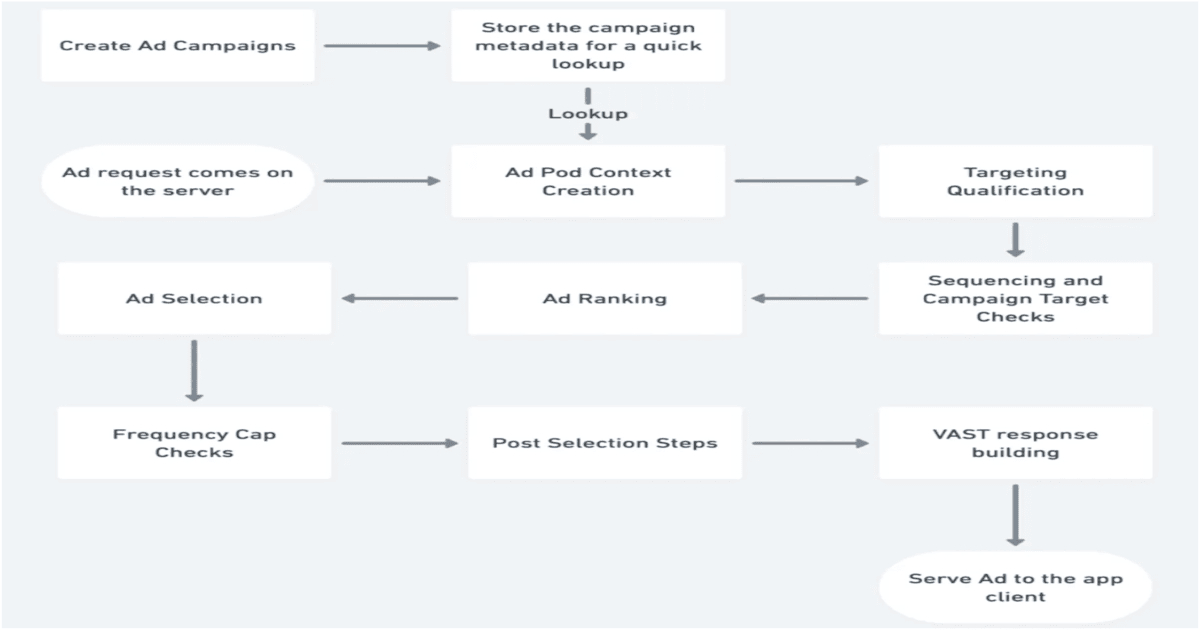
How JioHotstar Coordinates Distributed Systems for Real-Time Ad Selection
When a video streams, the ad request behind it is a distributed engineering feat. JioHotstar's Leela Kumili breaks down the real-time workflow, from ad decisioning and waterfall tiering to pacing algorithms and latency optimization. It's a clear look at how service coordination selects personalized ads without stalling playback. For more on how modern systems handle scale, our piece on the Stateless Model Context Protocol offers a useful counterpoint. This is practical, forward-looking engineering worth your attention.
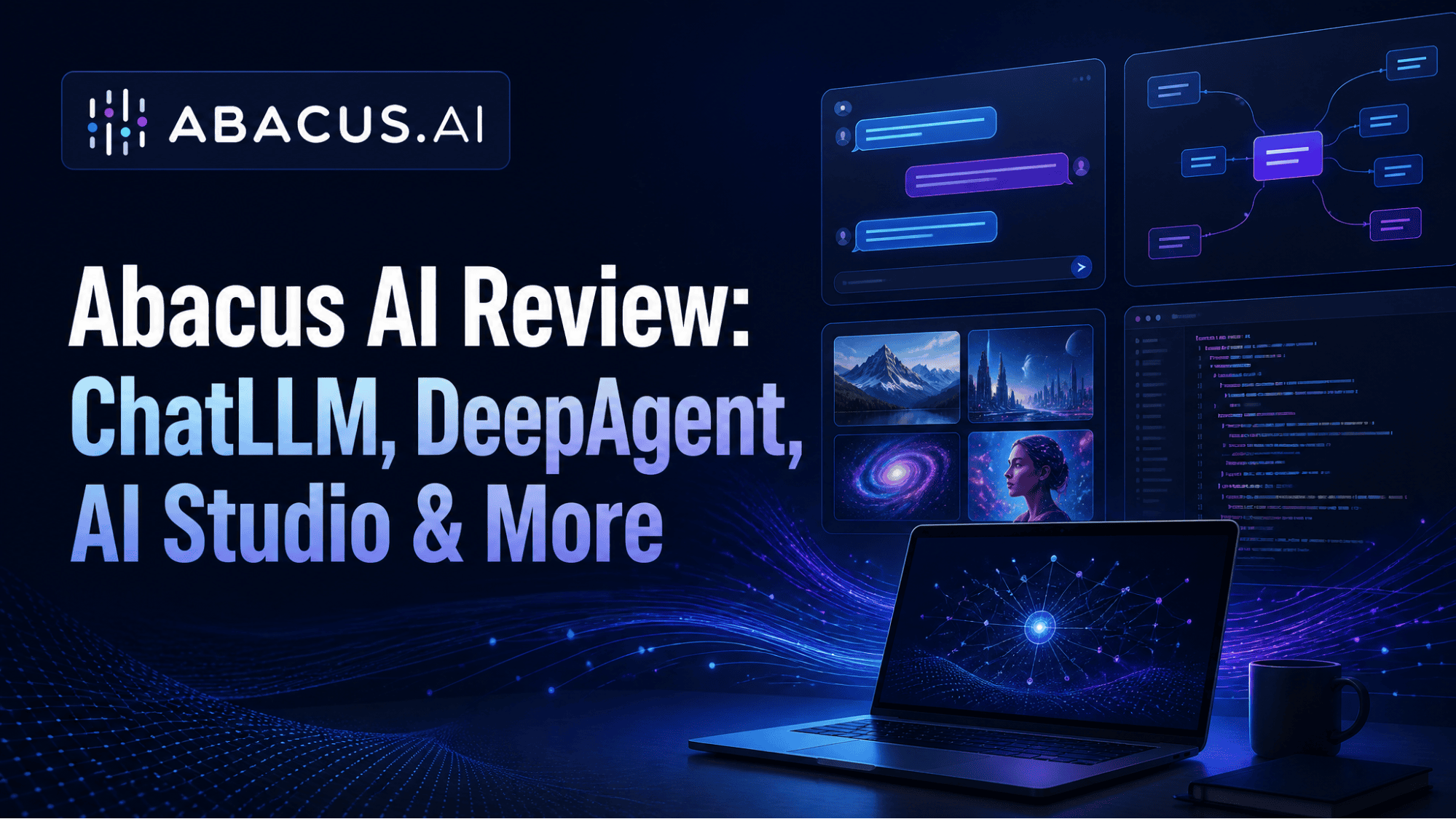
Explore Abacus AI's unified ecosystem for smarter, simpler workflows.
Abacus AI isn't just another AI toolkit; it's a serious answer to the chaos of juggling multiple subscriptions. This review breaks down how its ecosystem, from ChatLLM to DeepAgent, consolidates over 100 models and a full developer suite into one workflow. We're impressed by the focus on cost-effectiveness for teams, and the depth here invites real exploration. For a broader perspective on how AI tackles complex problems, our piece on AI Models Complete Turing's Codebreaking Legacy offers a fascinating parallel.

Wispr Flow expands capabilities with upcoming AI meeting notetaker
Wispr Flow's updated terms point to a new notetaker designed to turn meetings into summaries and action items. That is a practical step toward reducing the busywork that follows every call. We are encouraged to see the company extend its focus from dictation to follow-through, where so many workflows stall. For readers tracking similar productivity shifts, our piece on Muju Earth Technologies' soil aeration pod shows how simple tools can deliver outsized results. This move feels like a natural next chapter for Wispr Flow.

Build a stateful support agent to transform a 15-minute booking into seconds.
Fifteen minutes to book an appointment is fifteen minutes too many when you know the process can be automated. This guide walks through building a stateful customer support agent with Python, LangGraph, and Langfuse, showing exactly how to replace a tedious workflow with something that actually works. It's a practical, hands-on look at what AI-native tooling can do for everyday tasks. For more on the human side of these systems, check out "Talking to My AI Clone Taught Me to Question the Tech."
Why I Stopped Installing Skills and Found a Smarter Workflow
There's a quieter path past the constant churn of installing Claude Skills. I stopped adding them to my workflow, and the shift has been liberating. Instead of stacking tools, I'm focusing on direct conversations with the model, letting it adapt to my specific needs in the moment. It feels less like managing a toolbox and more like collaborating. If you're curious about the limits of this kind of interaction, our piece on talking to an AI clone offers a useful counterpoint.

Why AI pipelines stumble and how DataFlow-Harness restores their power
AI coding agents write clean one-off scripts, but hand them a full data pipeline and the output often falls apart. That gap between free-form code and production-ready workflows is real, and researchers are finally attacking it. DataFlow-Harness, an open-source framework from Peking University and collaborators, steers LLMs toward structured, visual pipeline graphs instead of disposable scripts. The results speak for themselves: a 93.3% pass rate, 72.5% lower API costs, and pipelines engineers can actually audit.
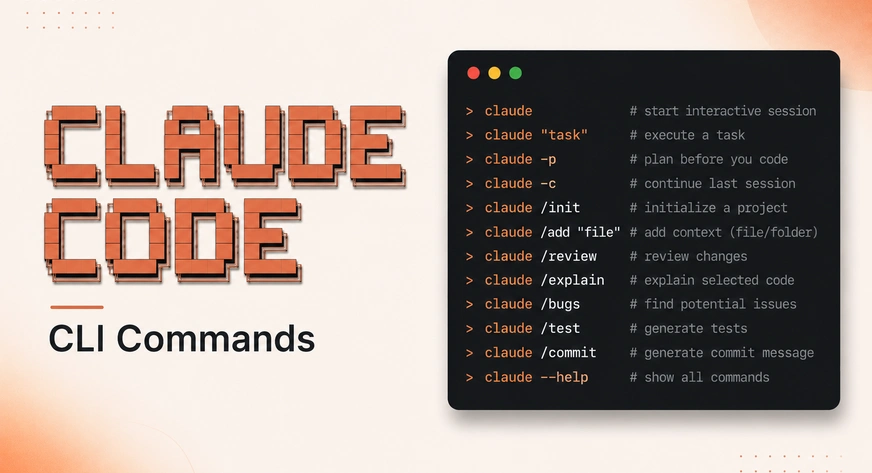
Unlock Hidden Commands to Transform Your CLI Workflow
Months of daily use, and the real power of Claude Code only surfaced by accident. This author kept restarting sessions, re-explaining the same project structure, simply because `claude --help` hides the full picture. It's a familiar frustration, and their discovery of a deeper CLI reference is a practical win for anyone tired of repetitive setup. Digging past the surface reveals a smoother workflow. For more on questioning AI's limits, our piece on talking to an AI clone offers a fitting follow-up.

Streamline Your Coding Agent Workflow for Smarter Task Management
If you're juggling multiple coding agents, the chaos of scattered tasks can quickly become its own project. This guide cuts through the noise, offering a practical way to organize every request and keep your workflow moving. It's a straightforward approach for anyone tired of losing track of what each agent should be doing. For more on how AI handles structured work, our related piece on paragraph structure is worth a look.
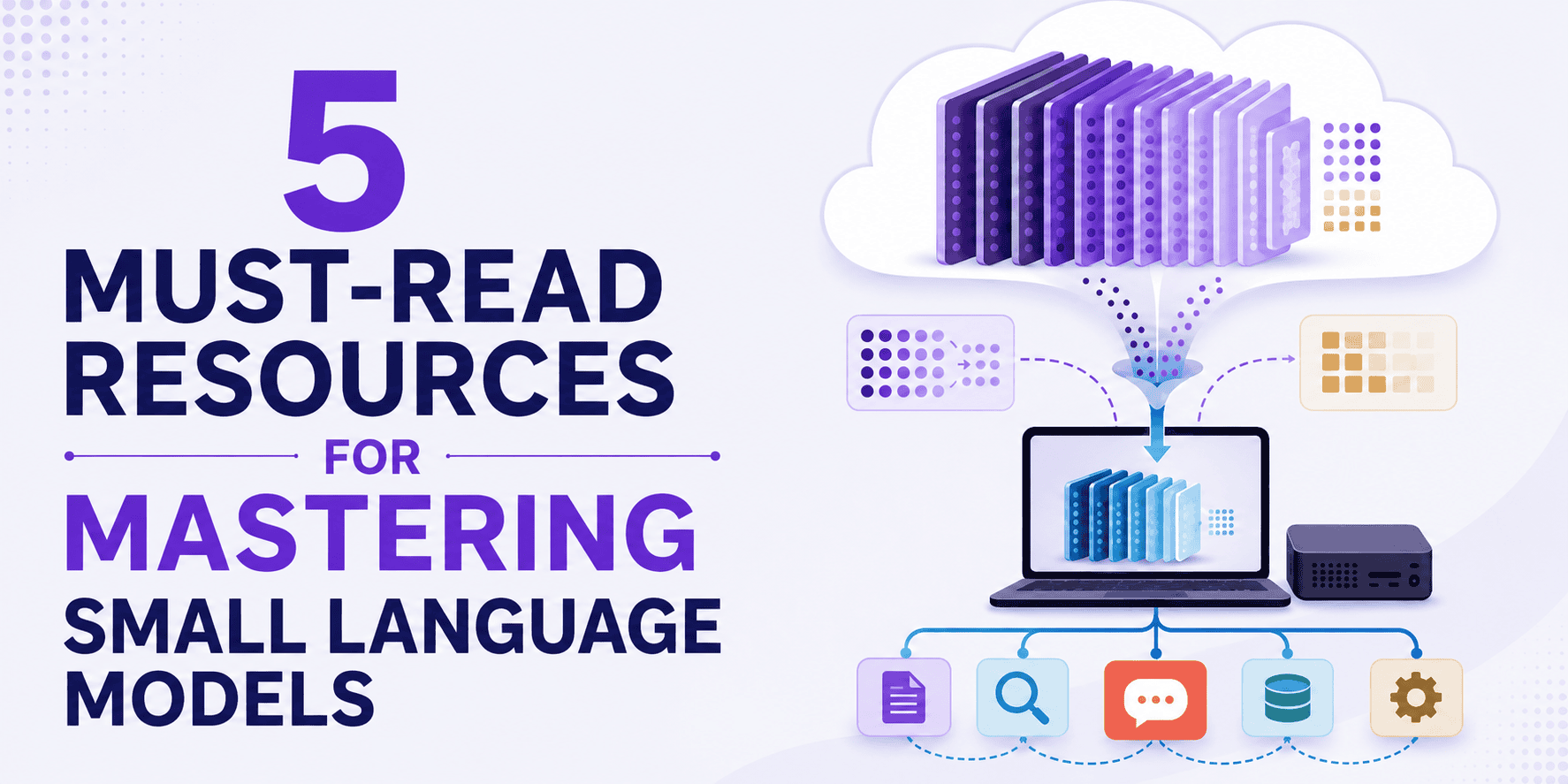
Explore practical resources to master small language models
Small language models are quietly reshaping what's possible for data professionals, and this guide cuts straight to the resources that matter. We've curated five essential reads that cover architecture, fine-tuning, agentic workflows, and local deployment, giving you a practical path forward without the fluff. If you're ready to move beyond theory, these picks will help you build real skills. For a deeper look at how AI systems truly behave, our piece on talking to an AI clone offers a thought-provoking companion.
Let AI handle your most tedious recurring tasks and reclaim your time.
Most of us have that one task we dread, the recurring drain on our week. I handed mine to an AI agent, and it cleared 60% of it without breaking a sweat. That is not hype; it is relief. We are moving past building tools that merely assist, toward agents that actually own the work. If you are curious about where this hands-on autonomy leads, our related piece, "Bridging Retrieval and Action: A New Approach to AI Tasks," explores the mechanics behind the magic.
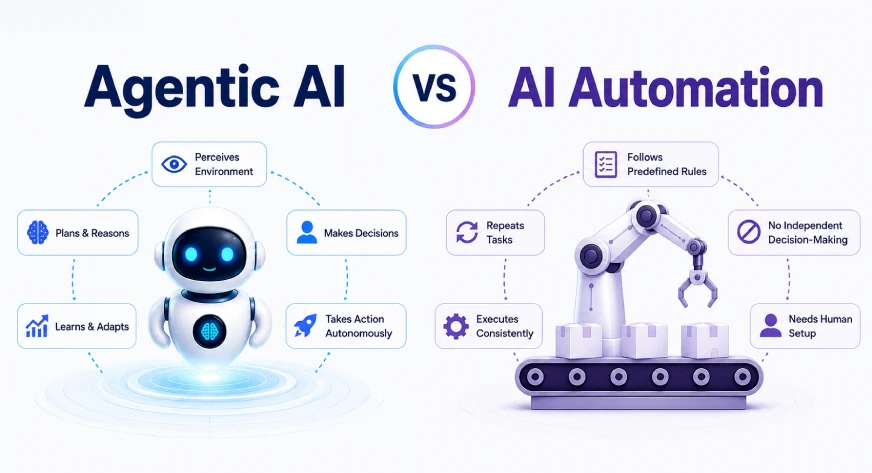
From Demos to Production: Building AI That Handles the Unexpected
A team wraps a few LangChain calls in a loop, adds tools, and calls it an agent. The demo impresses. Then production hits an unexpected input, and the workflow breaks. That is not agency; that is automation wearing a costume. The real difference is adaptability, and confusing the two costs you in downtime. For a deeper look at how agents truly learn, check out our piece on editing context instead of weights.

Bring clarity and control to your ML experiments with simpler tracking.
Loose notebooks, half-remembered parameters, and that one model you swear performed better last Tuesday. It's a familiar chaos. This hands-on guide cuts through the noise, offering a practical path to tracking experiments, logging models, and reproducing results with MLflow. It's the structure your workflow has been missing. For those also wrestling with scale, our guide on distributed algorithms is a natural next step. But first, get your experiments in order.
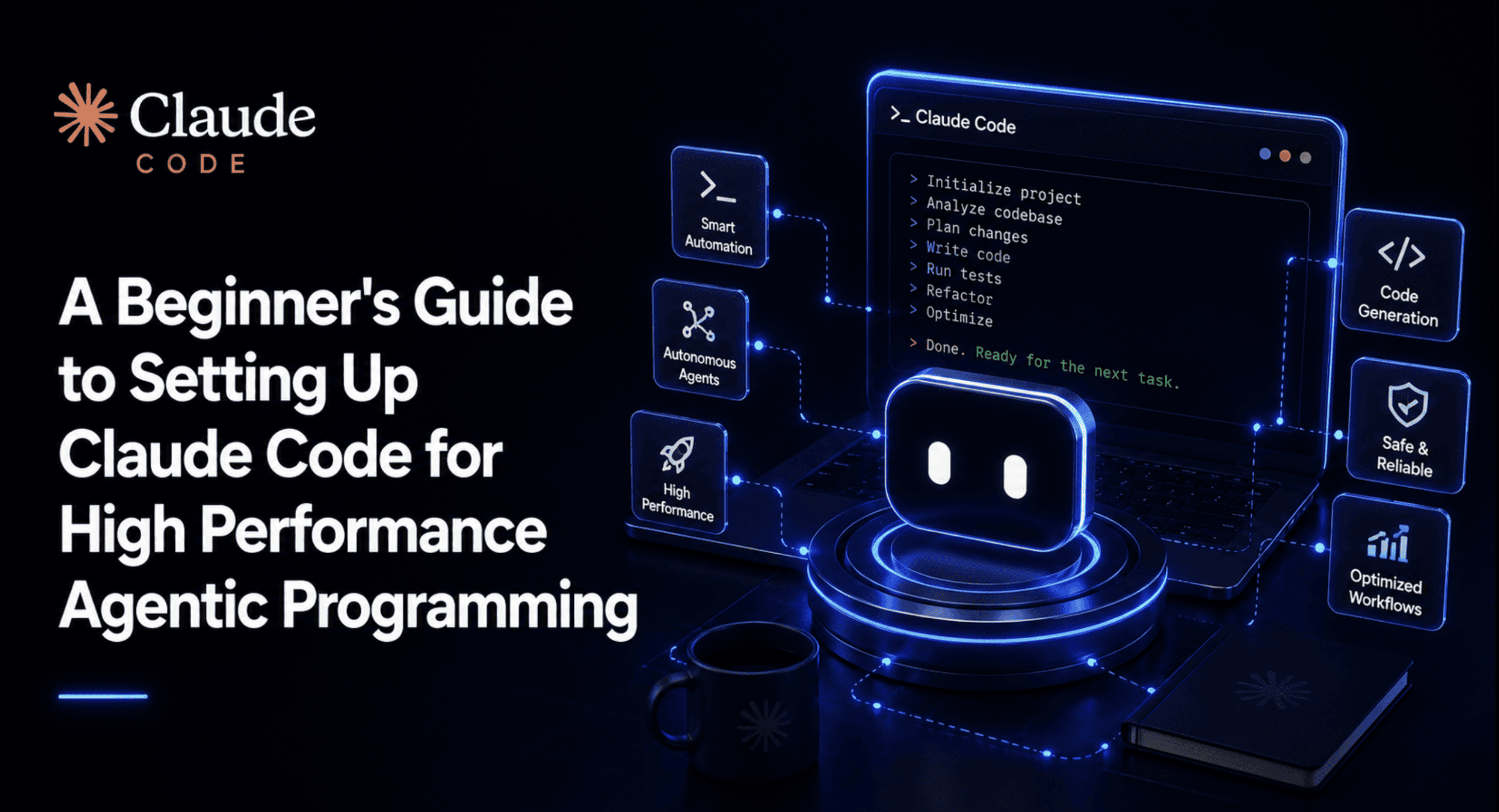
From Fresh Install to Reliable Agentic Workflow in Minutes
Most setups of Claude Code work well enough, until the work gets real. Then permissions stall, hooks misfire, and momentum dies. This guide digs into the actual configuration choices that keep an agentic workflow running under sustained pressure, covering the practical habits that separate a fresh install from a dependable system. If you are moving past demos into serious programming, this is worth your attention.

Five Assets to Define Before Scaling Your AI Workflows
Preparing your AI agents for more responsibility starts long before you hand over the work. This guide focuses on the practical assets that matter: defining recurring tasks, giving AI the right context, clarifying what quality looks like, and knowing where human judgment stays essential. It's a grounded, actionable read for anyone feeling the squeeze of scaling automation. If you're ready to move beyond theory, this is the kind of foundation that makes the leap feel less daunting.
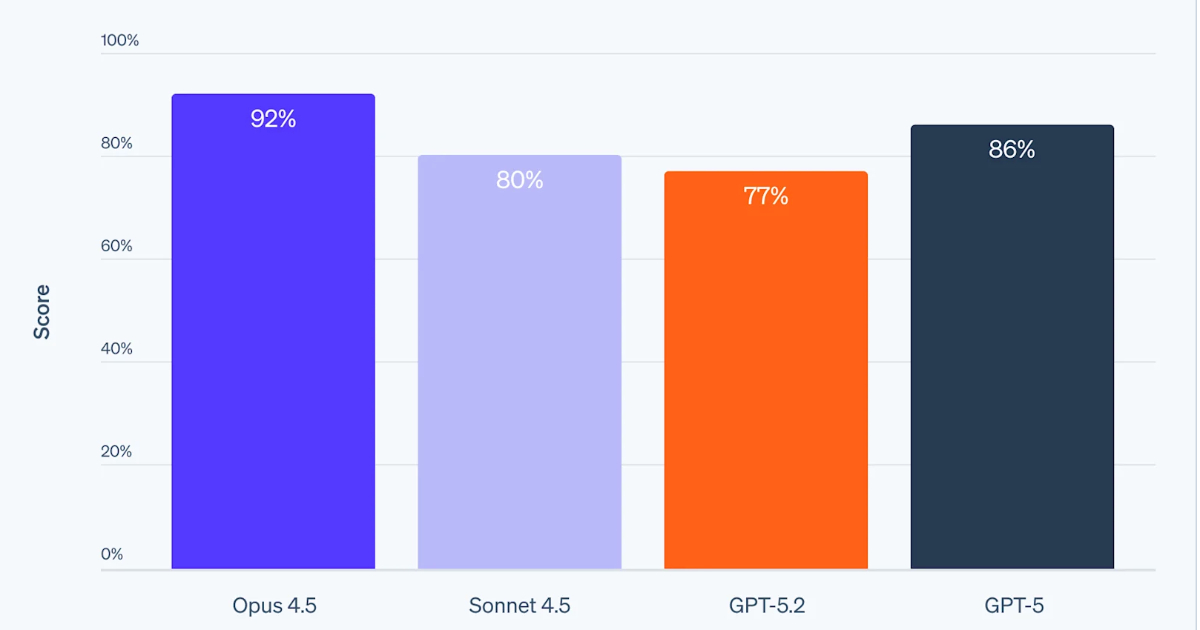
Stripe's New Benchmark Tests If AI Agents Can Actually Build Integrations
Stripe's new benchmark suite cuts straight to a hard truth: AI agents can build integrations, but they stumble when it's time to validate them. That gap between execution and testing is where real-world reliability lives, and Stripe is right to put it under the microscope. We're not talking about toy demos here; these are production-like constraints that expose weaknesses. It's a useful reality check for anyone convinced agents are ready to run unchecked.

Continuous Evaluation Keeps Your RAG Systems Reliable and User-Ready
A production RAG system isn't a set-and-forget deployment. It's a living thing, and like any living thing, it drifts. That's why this practical guide focuses on building an evaluation workflow that catches retrieval failures, hallucinations, and performance drift before they ever reach your users. It's about moving from hoping your system works to knowing it does. For those ready to go deeper into the underlying mechanics, our guide on distributed training offers a solid foundation. But start here, where trust is built continuously.
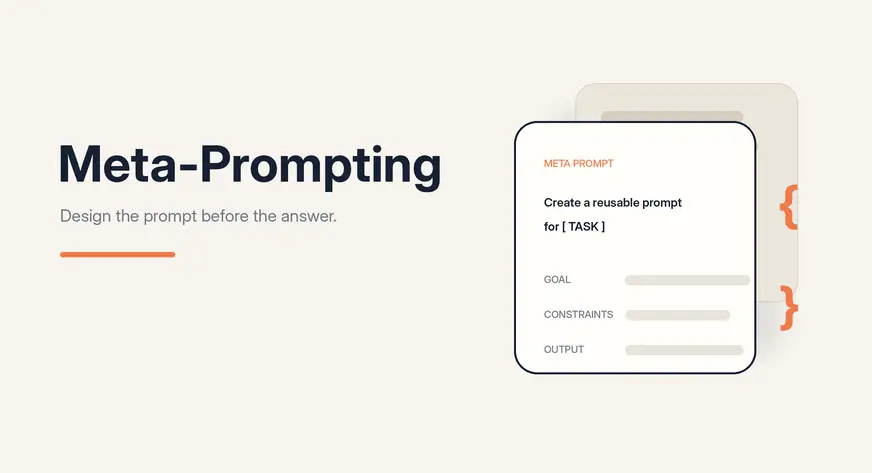
Design Smarter Prompts by Letting AI Build Its Own Workflow
Prompts are the quiet force behind every useful interaction with a large language model, yet they often fail when consistency matters most. Meta-prompting changes that by asking the model to build its own reusable prompt, template, or workflow before diving into the task. It's a smarter approach for teams that need the same output format again and again. If you're tired of vague results, this technique deserves your attention.