workflow
65 stories filed under workflow on Beyond Market Intelligence. The newest of them: “Speed up your 500-image annotation without sacrificing model accuracy”, “What Legacy Digital Shifts Can Teach Us About Smarter AI Adoption”, and “Figma opens its platform to agents and expands code access in beta”. Manually labeling 500 images with bounding boxes is the kind of task that makes you question your life choices, but you don't have to do it all by hand. Paul Boag revisits his own book, *Digital Adaptation*, to argue that the best guide to AI adoption is already written in the history of digital transformation. Acme AI is the next-generation, AI-powered spreadsheet platform built to replace Excel and redefine how analysts, data scientists, and enterprise teams work… The list below is every workflow story on Beyond Market Intelligence, newest first.
Speed up your 500-image annotation without sacrificing model accuracy
Manually labeling 500 images with bounding boxes is the kind of task that makes you question your life choices, but you don't have to do it all by hand. The most reliable path is to let an open-vocabulary model like Grounding DINO handle the first pass, then use CVAT for review and correction. Grounding DINO is well-suited for custom classes because it doesn't require fine-tuning to recognize new objects, just type in what you're looking for.
What Legacy Digital Shifts Can Teach Us About Smarter AI Adoption
Paul Boag revisits his own book, *Digital Adaptation*, to argue that the best guide to AI adoption is already written in the history of digital transformation. The lessons are there, if we choose to learn them. Legacy shifts teach us that technology alone never drives change, culture and process do. For a deeper look at how failure fuels better products, see our related piece, "Learning from failure is how great products are built."

Figma opens its platform to agents and expands code access in beta
Figma is opening its platform to agents and expanding code access in open beta, a move that signals a more connected, programmable future for design tools. The code layers feature, now widely available, lets teams work closer to production without leaving the canvas. It's a practical step toward bridging design and development. For deeper context on how AI agents are reshaping industries, see our related piece on Apate.ai sending agents undercover to study scam operations.
Choosing the Right Causal Model When Truth Is Unseen
Causal inference models carry a hidden risk: you can never see the true effect, yet you still have to pick one. This simulation makes that tension concrete. Difference-in-differences overestimated a 10% impact by more than double, while synthetic control landed far closer. The fix isn't a better algorithm, it's a placebo test. Running an A/A check on pre-treatment data exposes which model carries the least error before you trust it in the wild. That workflow, not any single method, is the durable lesson.
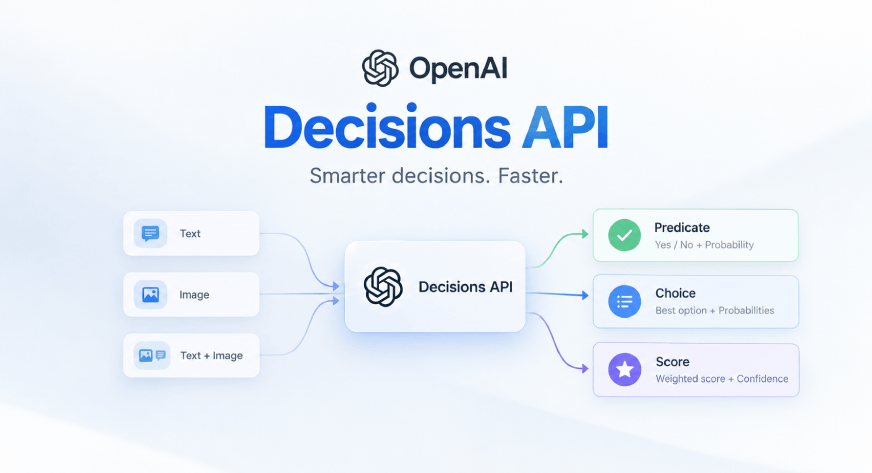
Make Smarter AI Agents That Know When to Escalate and When to Act
A false positive triggers an unnecessary escalation; a false negative lets a genuine issue slip through. That's the high-stakes calculus every decision-making AI agent must master. The new OpenAI Decisions API gives developers a structured way to handle exactly that, knowing when to act and when to hand off. It moves beyond simple classification into practical, context-aware judgment.
How AI agents are reshaping the data scientist's toolset
Jupyter Notebooks gave data scientists a linear home for a linear workflow. But that workflow is changing. As one data scientist notes, LLMs now write most of the code. The real bottleneck isn't execution anymore, it's orchestration. Why organize work around code cells when prompts can drive results? The ipynb abstraction may be holding us back. For those building agentic workflows, our piece on building guardrails for safer AI data access offers practical guidance on structuring these new pipelines.

Building Guardrails for Safer AI Data Access
AI agents are only as safe as the data they trust, and untrusted sources introduce real risk into any workflow. The challenge isn't just reading those sources, it's building architectural guardrails that control how that information enters and influences the process. That's the practical, necessary work of safer AI data access. As agents take on more complex tasks, these safeguards become the difference between useful automation and unpredictable outcomes.

Google gives Gemini a workplace identity to plan and execute tasks
Google is giving Gemini its own email address. That's the headline, but the real story is about agency. By turning Gemini into an AI agent that can plan, execute tasks, and delegate work to subagents across business systems, Google is rethinking what a workplace identity means. This isn't just another assistant, it's a colleague that operates autonomously. For a deeper look at how Google is reimagining data ownership, see our piece on "Why Google's $10 Million Bid for Old Emails Signals a Smarter Data Future."
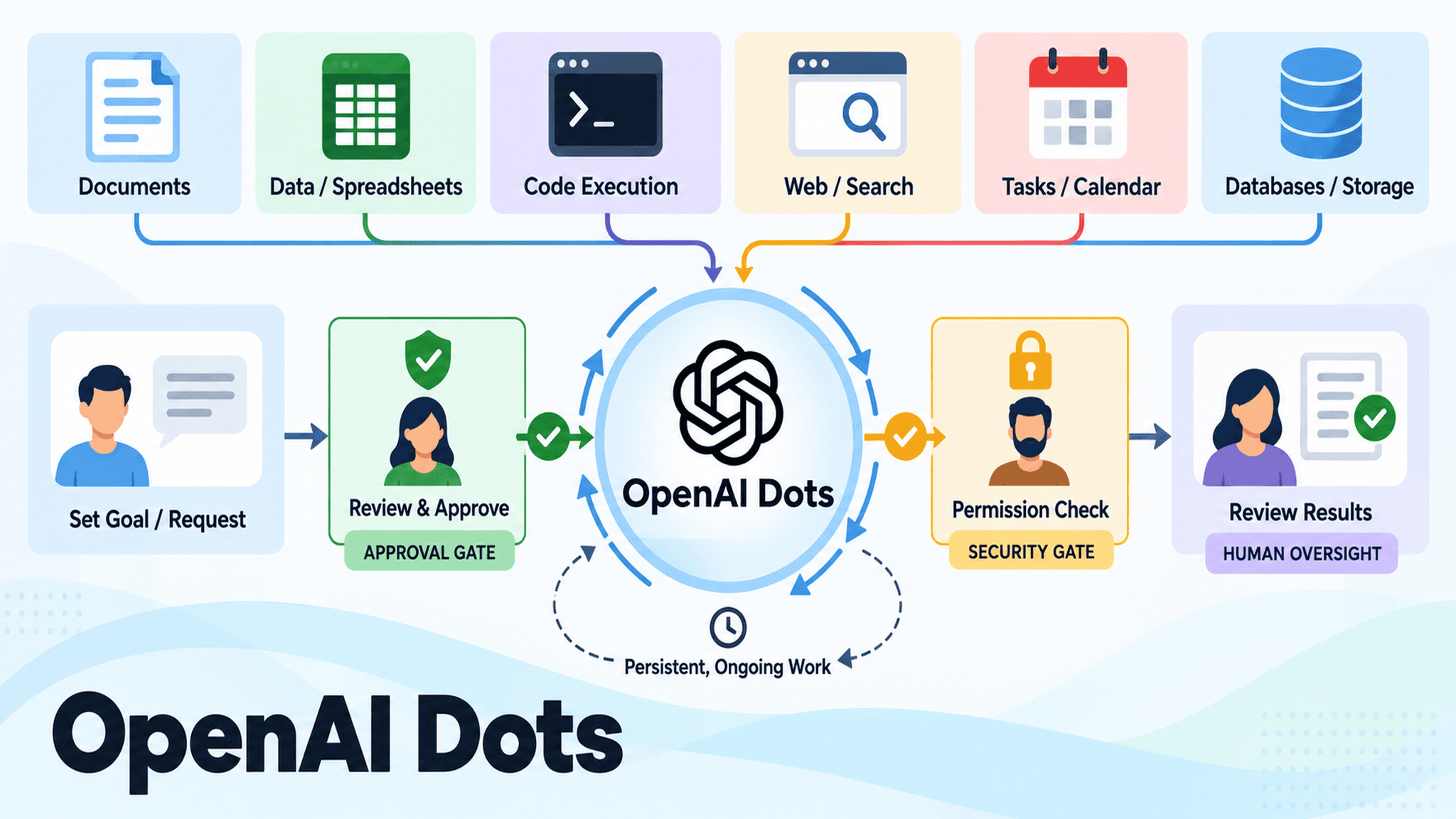
Dots Promises a Smarter Workflow, but Data Scientists Should Look Closer
Dots promises a smarter workflow, and that promise is genuinely appealing. But before you hand it the keys to your data pipeline, look closer at what it actually automates and where human judgment still matters. The gap between demo and deployment is where practitioners earn their keep. If you're weighing how much ownership to cede to AI, "Speed Isn't Everything When AI Does the Work You Used to Own" offers a useful counterpoint worth exploring.
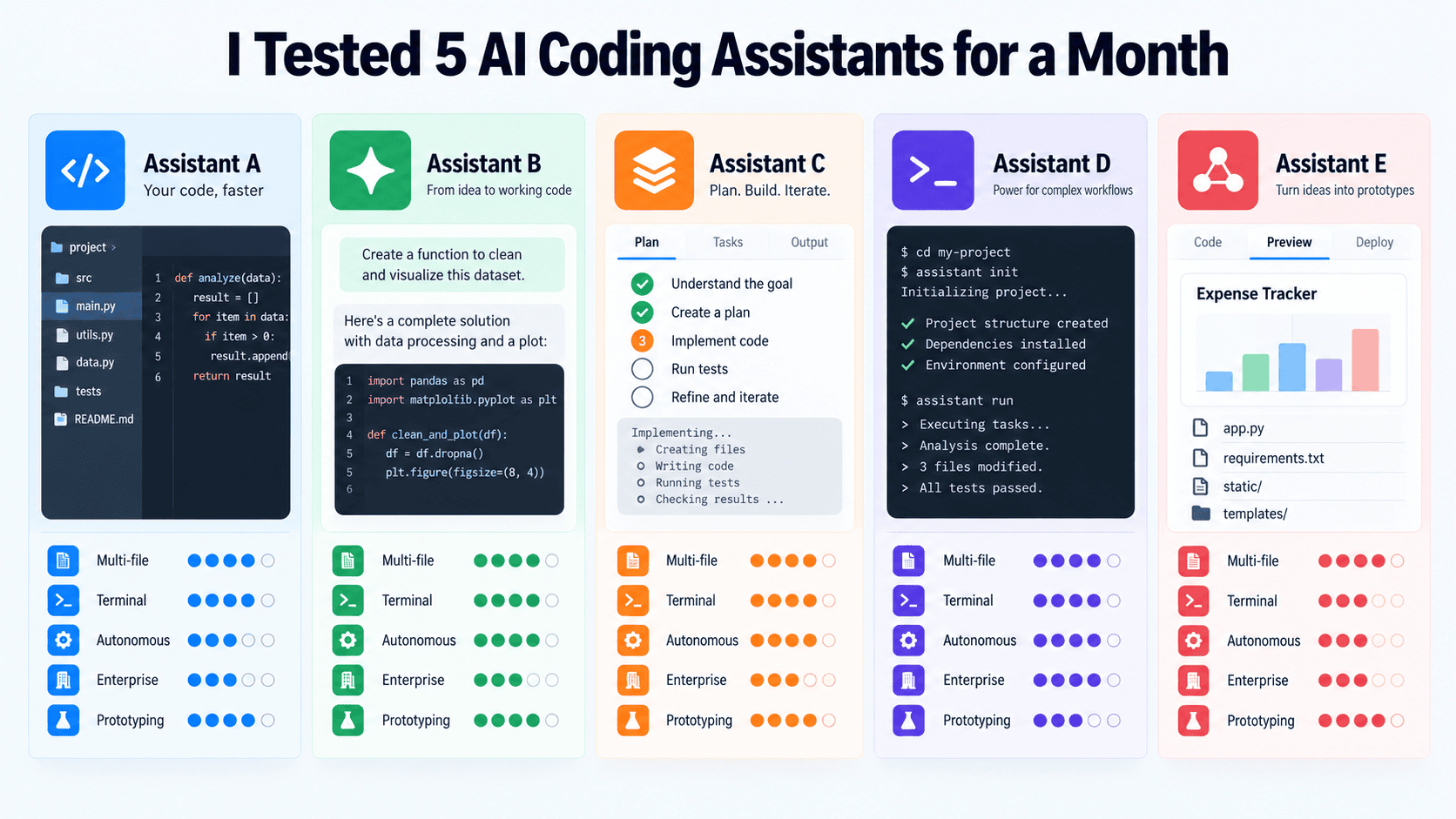
Five AI Coding Assistants Put to the Test: Which Tool Actually Works
Choosing the right AI coding assistant shouldn't feel like a gamble. We put five tools through a series of real-world tasks to see which ones actually deliver. The results reveal clear winners for different workflows, and a few surprises. If you're tired of tools that promise more than they perform, this test offers practical guidance. For a deeper look at how AI is reshaping productivity tools, check out our coverage on Melius and its approach to reimagining marketing workflows.
Stop digging through folders and paste your save path directly
Navigating endless folder trees just to save a file is a frustration we know well. That paste-directly-into-the-save-path workflow? It makes sense. Yet when you type a directory path above the file name box, many spreadsheets reset to the default folder instead of honoring your input. That's not a user error, it's a design gap. Why force anyone to click through every subfolder twice? For a simpler approach to data workflows, see our guide on rebuilding smarter when nested formulas slow your data to a crawl.
One click to edit text in your spreadsheet cells
That double-click to edit text in Excel is a small friction that adds up fast, especially when you're building a dictionary and every second counts. One mis-click and your content vanishes. F2 is a partial fix, but it drops the cursor at the end of the text, not where you need it. What you really want is a single click that lands the cursor exactly at the typo. That's a smarter, more intuitive interaction worth exploring.

A self-hosted inbox for background AI agents is now open source
A team of developers at AWS has open-sourced Pizza Bot, a self-hosted inbox designed for background AI agents. It lets agents run scheduled or webhook-triggered tasks, delegate work to specialized workers, and pause for human approval when needed. This is a practical step toward making autonomous agents more controllable and transparent. For more on how AI agents are reshaping workflows, see our coverage on shrinking the window for open source vulnerability fixes.
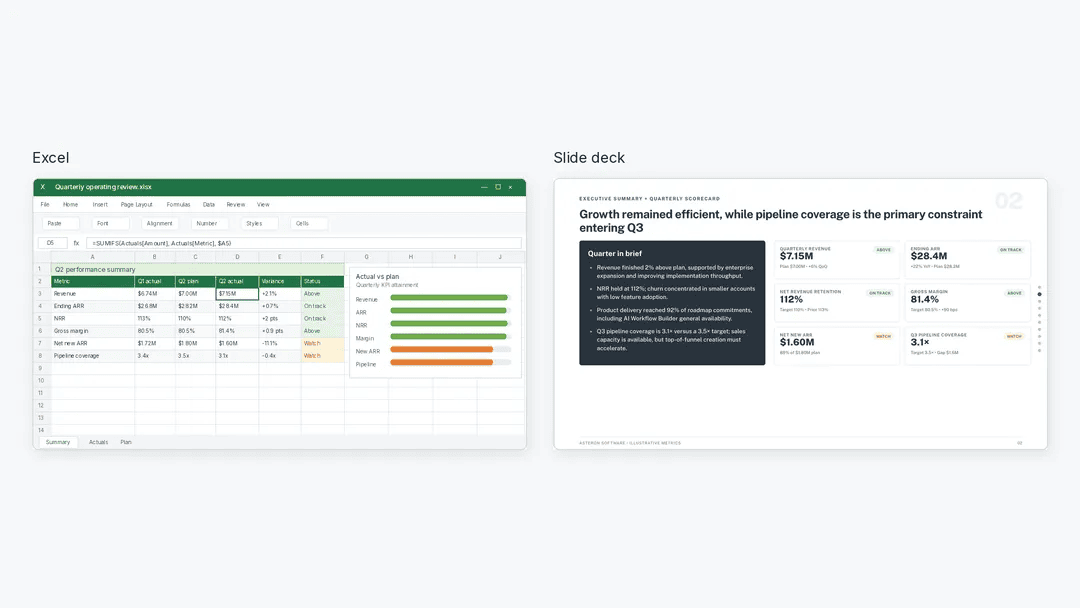
Transform Excel Insights Into Polished PowerPoints With AI Assistance
Excel holds the answers, but PowerPoint is where decisions get made. Julius AI bridges that gap, letting you analyze your data, verify the numbers, and generate an editable deck without the manual grunt work. It is a practical workflow for anyone tired of copy-pasting charts. For a deeper look at how to keep AI systems like this reliable, our guide on designing guardrails around agents pairs well with the ideas here.
Unlock Team Momentum by Removing the AI Data Bottleneck
Data silos are quietly stalling even the most ambitious teams. When information is locked away, momentum dies. We see the same friction surfacing across industries, from inflated broker fees to the hidden costs of AI in hospitals. The fix isn't more tools; it's removing the bottleneck at the source. For a deeper look at how misplaced AI spending creates new problems, revisit our piece on rising hospital costs. For now, explore how clearing the data path can transform your team's workflow.
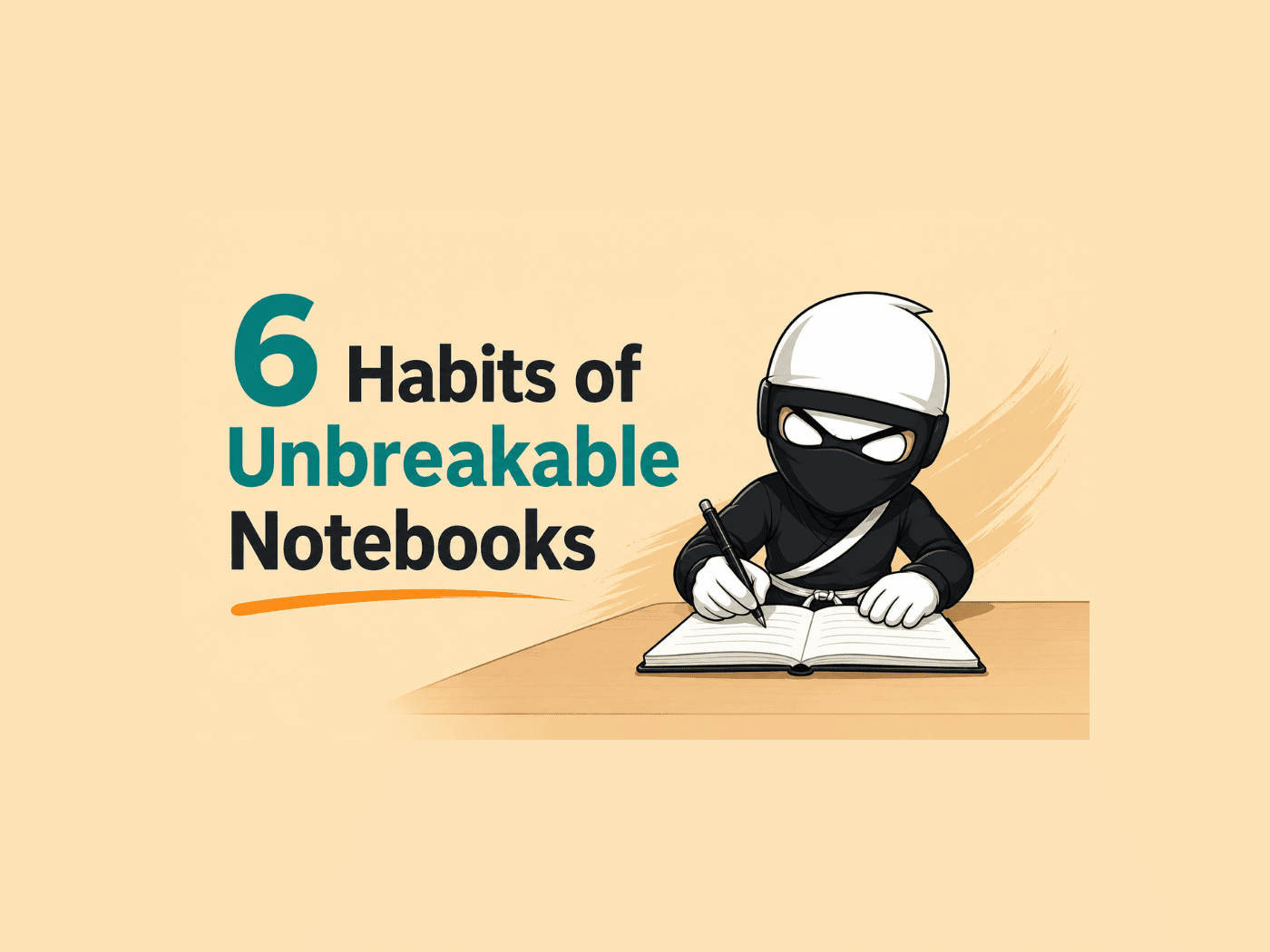
Keep Your Data Science Notebooks Running: Six Essential Habits
A notebook that runs perfectly on your screen can fall apart the moment you close the laptop. That frustrating reality is exactly what these six essential habits address. They are not about writing fancier code, but about building a workflow that survives interruptions and returns you to your work with confidence. We appreciate the practical focus on resilience. For another perspective on keeping complex work sustainable, you might explore our related article, "Expanding Your Tech Fluency: Key Insights Beyond Artificial Intelligence.
Streamline AI Projects: Balancing Research, Work, and Personal Pursuits
Balancing research, a new corporate role, and personal projects is a lot, and the anxiety that comes with it is completely understandable. You are not alone in feeling that the advice out there is jumbled. Instead of chasing every new model, start by mapping each tool to a specific stage in your workflow. For deep ideation, your current GPT subscription is a solid anchor. For coding and architecture, Claude's models often excel.
Speed Isn't Everything When AI Does the Work You Used to Own
One near miss, and four months of running agents left a writer asking a sharper question than any bug report: what are you supposed to do while the AI writes the code? The speed is real, but so is the quiet erosion of judgment. This isn't a warning against automation; it's a call to stay present in the loop. If you're navigating similar shifts, our guide to distributed training offers a practical foothold for keeping your skills sharp.
From Codebase to Dataset: Fine-Tuning AI on Your Own Projects
Turning a well-built React or Next.js project into a fine-tuning dataset is a puzzle worth solving, especially when you're aiming for quality over generic code dumps. The real challenge isn't just extracting files; it's crafting instructions that mirror how you'd actually ask for a component or a page. Pairing screenshots with code and preserving cross-file context are the hard parts, but they're where the value lives.
Explore how Omarchy redefines what a desktop can do for you.
The idea of a single desktop tool replacing every other one you use is bold, but Omarchy makes a compelling case. It's not about cramming more features into a familiar interface; it's about rethinking what a spreadsheet can do when AI handles the heavy lifting. If you're tired of wrestling with legacy software, this feels like a genuine step toward a simpler, more productive workflow.
Discover how AI handles the admin work you thought only humans could do.
Twenty hours of admin work handed to GPT-6 Astra sounds like a dare, but it's a smart test. The point isn't whether AI can do the job. It's about noticing which tasks resist automation entirely. You'll find the real value in what the model stumbles on, not what it finishes. That boundary is worth mapping. For a sharper look at how we check machine understanding, read "Verify Your AI's Understanding: A Simple Check for Tax Season." It pairs well with this experiment.

Bring Adobe's creative tools directly into your Slack workflows.
Adobe is putting its creative tools directly into Slack, with Express, Premiere, and Acrobat set to arrive in the workspace. That means less context-switching for teams juggling assets and approvals. It's a practical move toward a more connected workflow, and we're here for it. For a broader look at how AI is reshaping collaboration, our piece on Ando's AI-native messaging approach is worth a read. This integration feels like a natural next step in making powerful tools more accessible where the work actually happens.

See how forward-deployed engineering turns enterprise AI into lasting value.
Forward-deployed engineering is where enterprise AI actually learns. The pitch is familiar: an engineer on-site, a workflow encoded in weeks, a demo that works on real data. The real test comes later. Does the next deployment start with more product and fewer unknowns, or just another services team? We see FDE as a disciplined learning loop. Every engagement should leave behind reusable capability, not just a satisfied customer. That compounding is what separates a product that understands from a company that simply delivers.
From Config Wrangling to Experiment Scaffolding: A PhD Reality Check
The instinct to keep the eval harness and metric definitions close is the right one. That layer is where your scientific judgment lives. Handing off the scaffolding while holding onto the core is a workable line, even if you keep crossing it. The detachment you describe is real. The fix is likely not more careful diff-reading. It is rebuilding a mental model of the system at a higher level, so you can reason about the numbers without needing the code memorized.