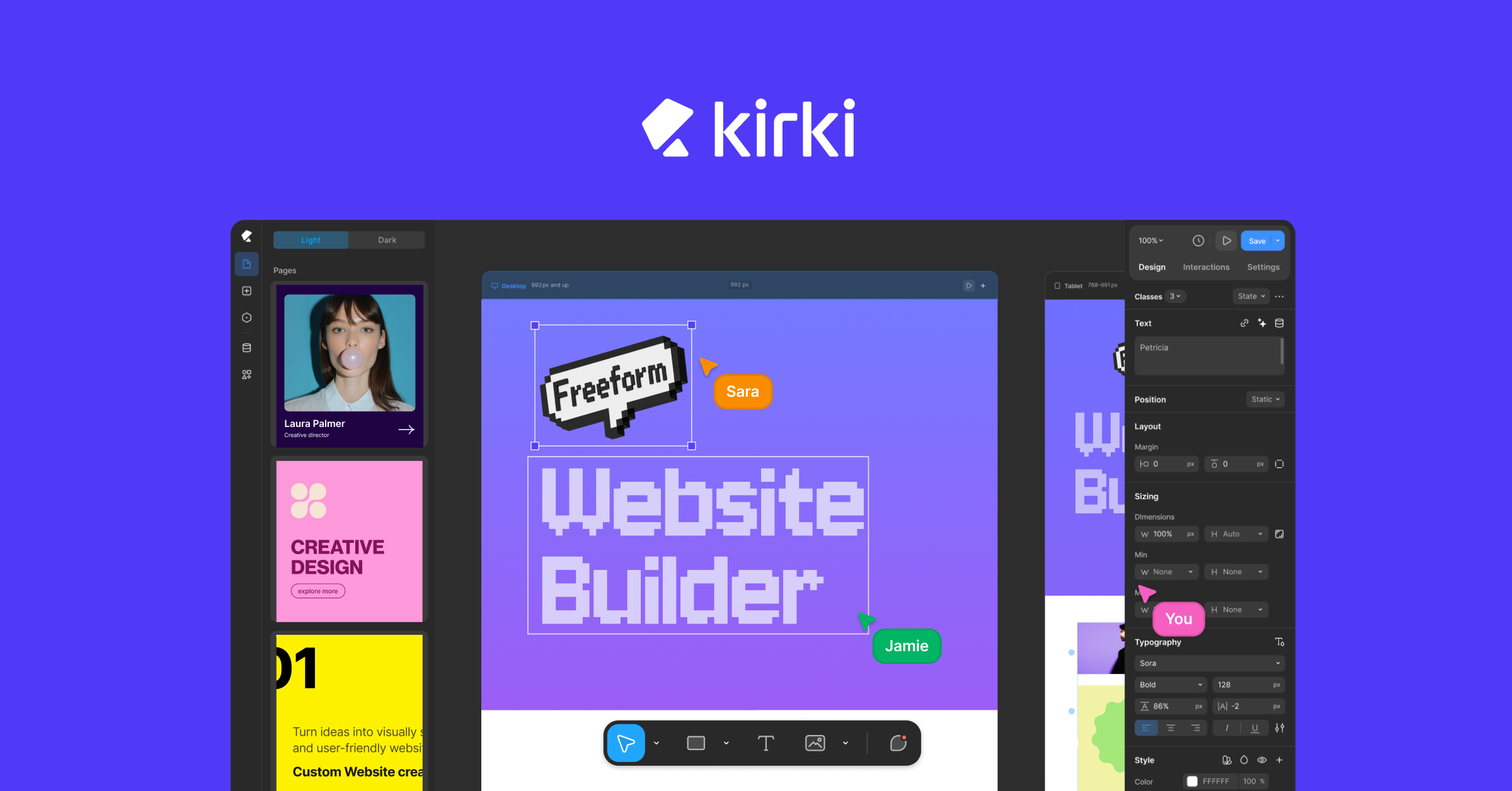
The WordPress ecosystem has long grappled with the tension between accessibility and performance when it comes to website building. Traditional page builders, while democratizing web design, have often introduced compromises – bloated code, plugin dependencies, and rigid layouts that ultimately hindered site speed and developer flexibility. It’s encouraging to see solutions like How HubSpot Scaled Semantic Search to 20 Billion Vectors demonstrating how substantial scaling of complex systems can be achieved, and Kirki’s approach to visual building seems to be thinking about similar principles – efficiency and foundational strength. The introduction of Kirki, WordPress’s first visual builder with an infinite canvas, represents a significant shift in this paradigm, offering a genuinely innovative approach to website creation that prioritizes both design freedom and clean performance. The promise of a zero-plugin dependency is particularly compelling, addressing a major pain point for many WordPress users who find themselves burdened by the overhead of managing numerous plugins just to achieve a desired design.
Kirki’s core differentiator – the infinite canvas – moves away from the confining grid structures of conventional page builders, allowing designers to truly break free and create layouts that feel more organic and dynamic. This isn’t merely about aesthetic flexibility; it’s about empowering developers to build truly bespoke experiences without being constrained by pre-defined templates or limitations. Considering the ongoing evolution of Node.js, as described in Node.js 26: Temporal API Enabled by Default, V8 14.6, and a Round of Deprecations, the emphasis on efficient code and core functionality resonates; Kirki appears to be mirroring that philosophy by minimising unnecessary dependencies and optimizing for performance. The fact that it's freeform, doesn’t dictate structure, yet allows for intricate design, positions it as a potent tool for both seasoned developers and those seeking greater creative control. It’s a refreshing contrast to the often-overwhelming complexity of some competing solutions.
The implications of Kirki extend beyond individual website design. A shift towards leaner, more efficient WordPress building tools could have a broader positive impact on the entire WordPress ecosystem. Reduced plugin dependency translates to improved security, faster load times, and a more stable platform for everyone. This aligns with the broader industry trend of prioritizing performance and developer experience, as evidenced by advancements like those detailed in AWS Expands DevOps Agent with AI-Powered Release Management, where automated validation and streamlined release processes are becoming increasingly critical. The ease of integration and the promise of a cleaner codebase could also encourage more developers to contribute to the WordPress core, furthering its evolution and strengthening its position as a leading content management system. It’s a move that prioritizes the underlying architecture, which is a welcome change.
Ultimately, Kirki’s emergence challenges the established norms of WordPress visual building. It suggests a future where design freedom and performance are not mutually exclusive, but rather complementary aspects of the website creation process. The question now is whether this model will gain widespread adoption and inspire other developers to rethink the limitations of traditional page builders. Will Kirki spark a broader movement towards more lightweight, flexible, and performant WordPress development tools, or will it remain a niche solution for those seeking ultimate creative control? Only time will tell, but the initial signs are certainly encouraging for a more innovative and efficient future for WordPress.