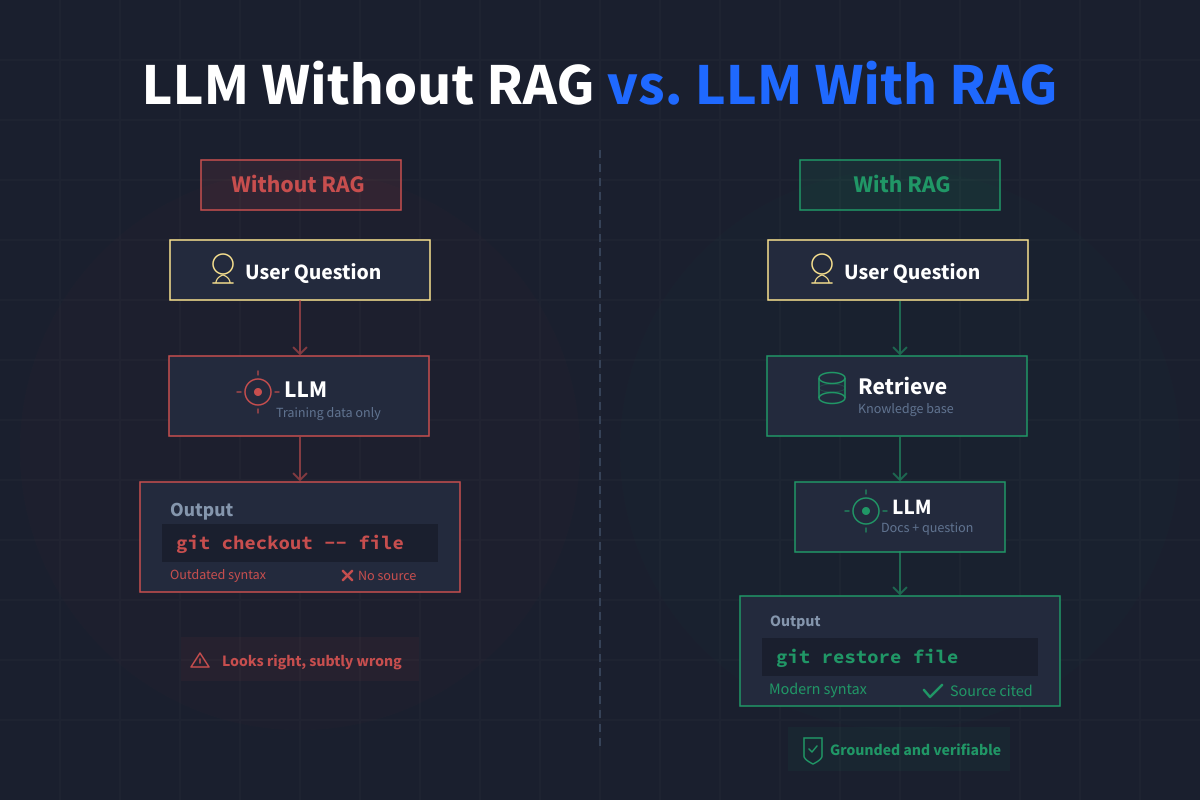
Building a RAG system from scratch is the kind of exercise every team should do at least once, and this team's GitQuest project proves why. By stripping away every abstraction, no LangChain, no LlamaIndex, they forced themselves to confront the messy reality that frameworks often sweep under the rug. That decision alone is worth examining, because it reveals something practical about how we should think about AI development today.
The lesson is that abstractions are not enemies, but they are liabilities when you don't understand what they hide. This team discovered that truth the hard way: they ran into "sticky situations" that changed how they think about grounding AI answers in real documentation. When you build without a framework, you see every decision, how chunks are split, how vectors are stored, how retrieval confidence is measured. You feel the weight of each API call. You learn why "I don't know" is a feature, not a bug. For anyone building AI tools that must cite sources and stay honest, that hands-on knowledge is the difference between a demo and a product that works in production.
What this means for the rest of us is straightforward: before you reach for a framework, consider building one small thing from scratch. Not because you should never use tools, you should, but because the understanding you gain will make you a better user of those tools. You will know when an abstraction is saving you time and when it is hiding a problem that will surface later. The GitQuest team now carries that insight into every future project. They know what retrieval actually costs, what format a good chunk looks like, and why a model will confidently hallucinate if you let it.
The concrete takeaway is this: invest a few days in the raw version of the problem you are trying to solve. Write the Python, make the API calls, build the vector store by hand. You will find the cracks in your own assumptions before they become cracks in your product. That is the kind of learning no framework can give you, and it is the only way to build systems that earn the trust they ask for.