natural language processing
206 stories filed under natural language processing on Beyond Market Intelligence. The newest of them: “Discover how AI is translating the hidden electrical language of plants”, “From 719 Math Papers: Data Science Gets Smarter at Matching Messy Data”, and “Explore Scikit-LLM for Practical Few-Shot Text Classification”. Plants speak, and we're finally learning to listen. OpenAI tackled 719 math papers to prove that AI can reliably match messy data, choose representative examples, and generate comparison sets. Acme AI is the next-generation, AI-powered spreadsheet platform built to replace Excel and redefine how analysts, data scientists, and enterprise teams work… The list below is every natural language processing story on Beyond Market Intelligence, newest first.

Discover how AI is translating the hidden electrical language of plants
Plants speak, and we're finally learning to listen. Electric Plant has built an AI-powered translator that deciphers the subtle electrical signals coursing through stems, turning a hidden biological language into something humans can understand. It's a genuinely progressive take on data, nature's own data. This isn't science fiction; it's an invitation to explore a new way of connecting with the living world. For more on how AI is reshaping interaction, see our coverage of "When Robotics Gets Its ChatGPT Moment, Assembly Becomes Play."
From 719 Math Papers: Data Science Gets Smarter at Matching Messy Data
OpenAI tackled 719 math papers to prove that AI can reliably match messy data, choose representative examples, and generate comparison sets. That is not just an academic exercise; it signals a practical shift in how we clean and connect information. Data science gets smarter when it can handle the real-world noise spreadsheets struggle with. For a hands-on comparison of routing accuracy and reliability, explore *Seven Decision Models Put to the Test Against a Generative LLM*.
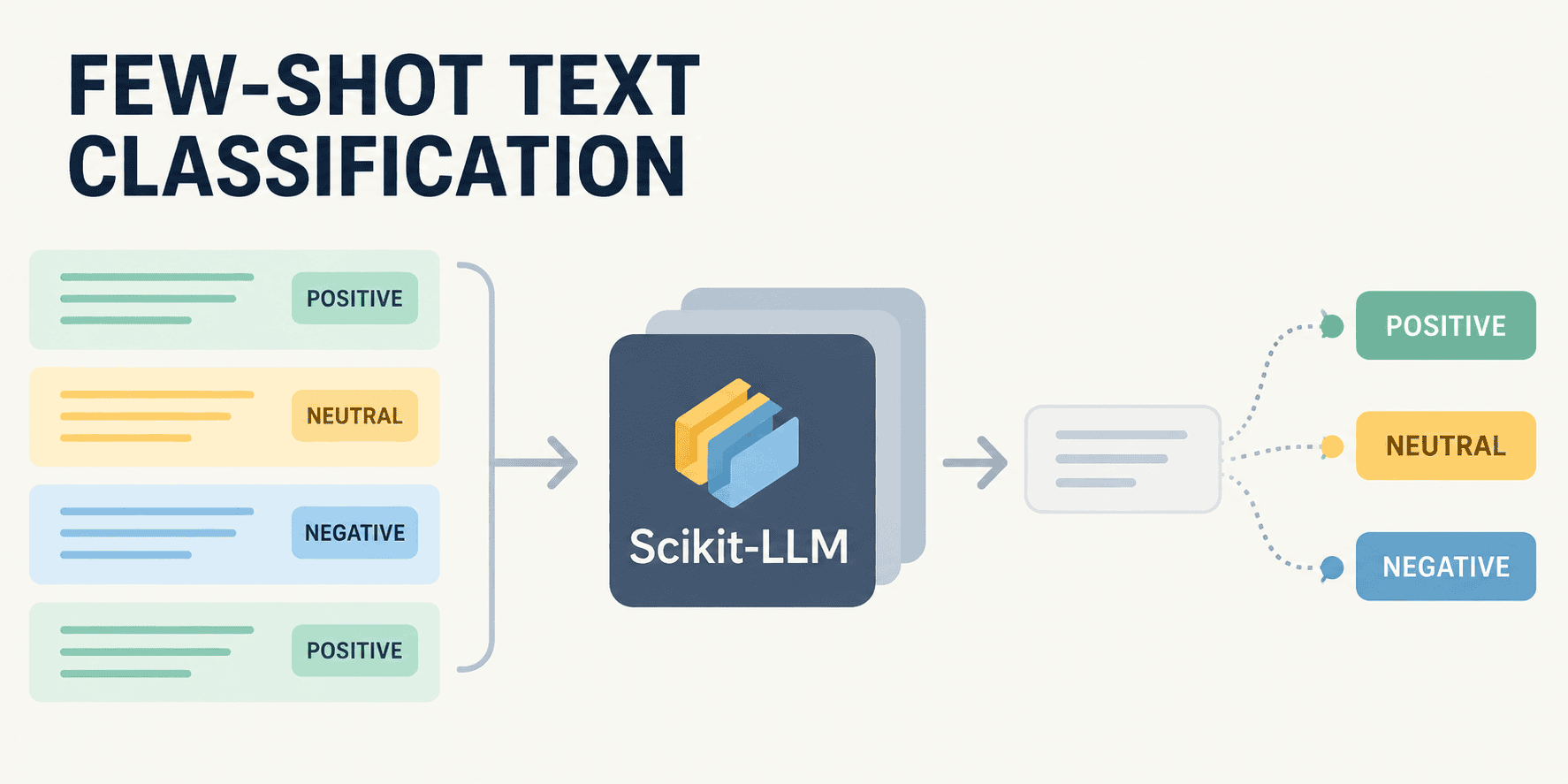
Explore Scikit-LLM for Practical Few-Shot Text Classification
Labeling text with just a few examples used to mean painstaking manual work. Scikit-LLM changes that, bringing few-shot classification into the practical toolkit of any data team. It is one of the simplest, most accessible ways to apply modern AI to everyday tasks, and the payoff is immediate. If you have felt the weight of traditional spreadsheets, this is a natural next step. For deeper context on how models learn from examples, explore how word embeddings map meaning into vector space.
Explore How Word Embeddings Map Meaning Into Vector Space
Words don't just sit in a dictionary; they live in a space where meaning is measured by distance. That's the idea behind word embeddings, and it's a powerful one. By mapping words into a learned vector space, we can see how "king" relates to "queen" the same way "man" relates to "woman." It's elegant, intuitive, and deeply practical. For a deeper look at how text can transform your data work, check out our guide on strengthening churn and CLV models with NLP.
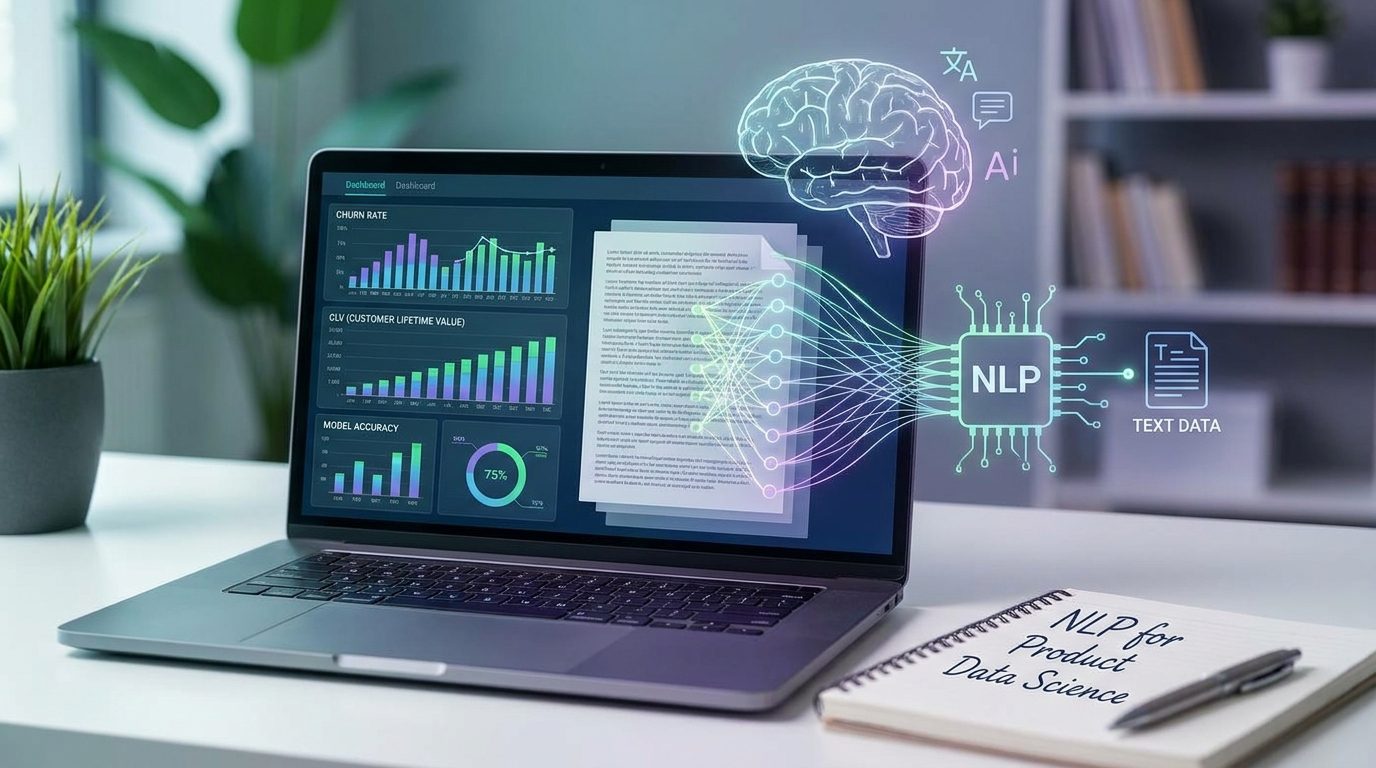
Strengthen churn and CLV models with the untapped signal in your text data
Your churn and CLV models are leaving signal on the table. The text your customers generate, support tickets, reviews, product feedback, carries insights that structured data misses. This practical guide shows how to fold that untapped language into traditional models without overhauling your stack. It's about making your predictions sharper with what you already have. For a related look at how wasted effort skews results, our coverage of 50,400 agent runs pairs well with this approach.
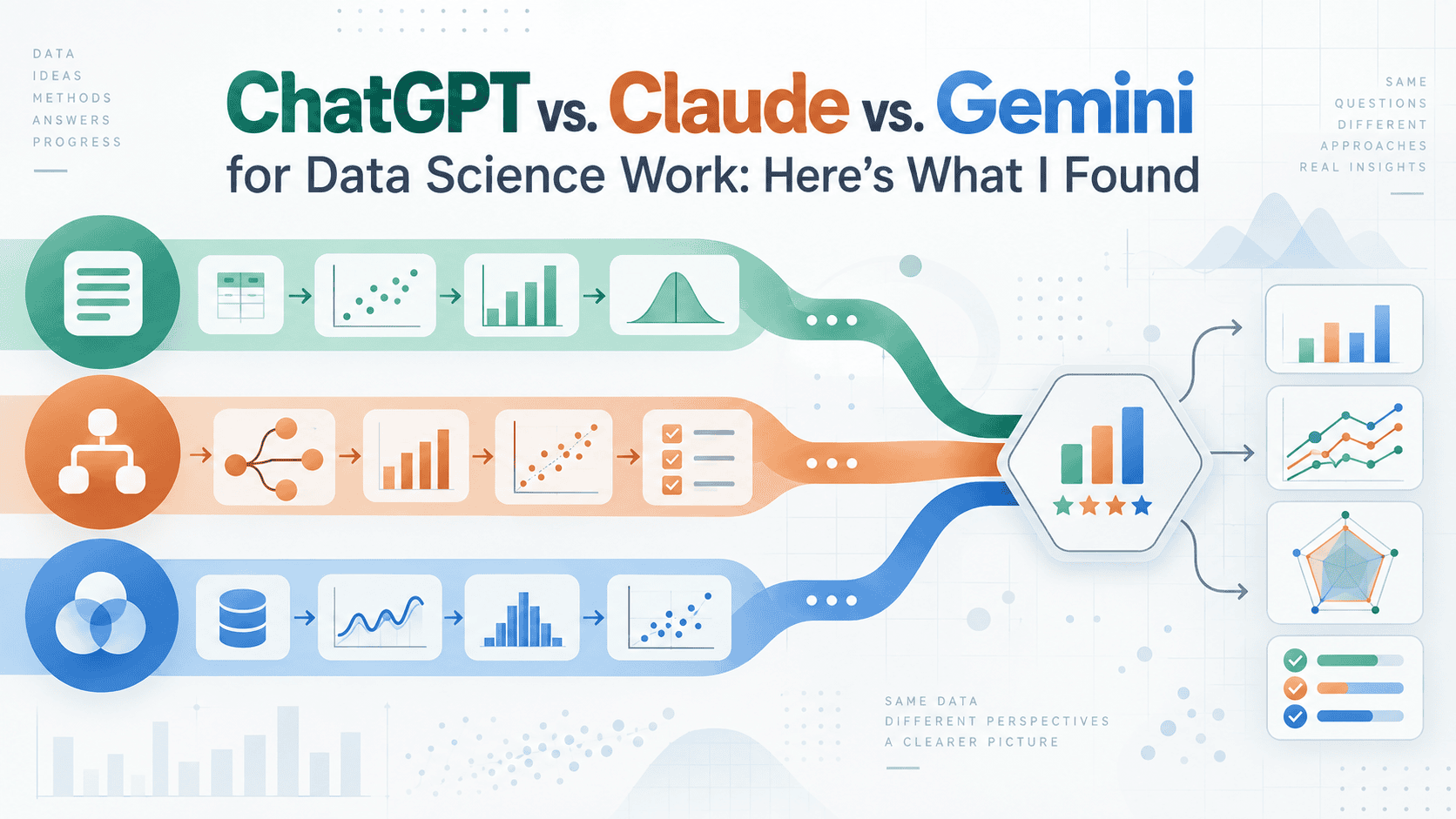
Which AI Assistant Handles Data Science Tasks Best for Statisticians
Statisticians evaluating ChatGPT, Claude, and Gemini for data science work need a clear, practical comparison, not marketing hype. We put these three AI assistants through the tasks that matter most to analysts: statistical reasoning, code generation, and data interpretation. The results reveal meaningful differences in accuracy and approach. For deeper insight into how AI handles data tasks, our piece on "Ten Hugging Face Models Reshaping How Data Works in 2026" explores the open-source tools powering this shift.
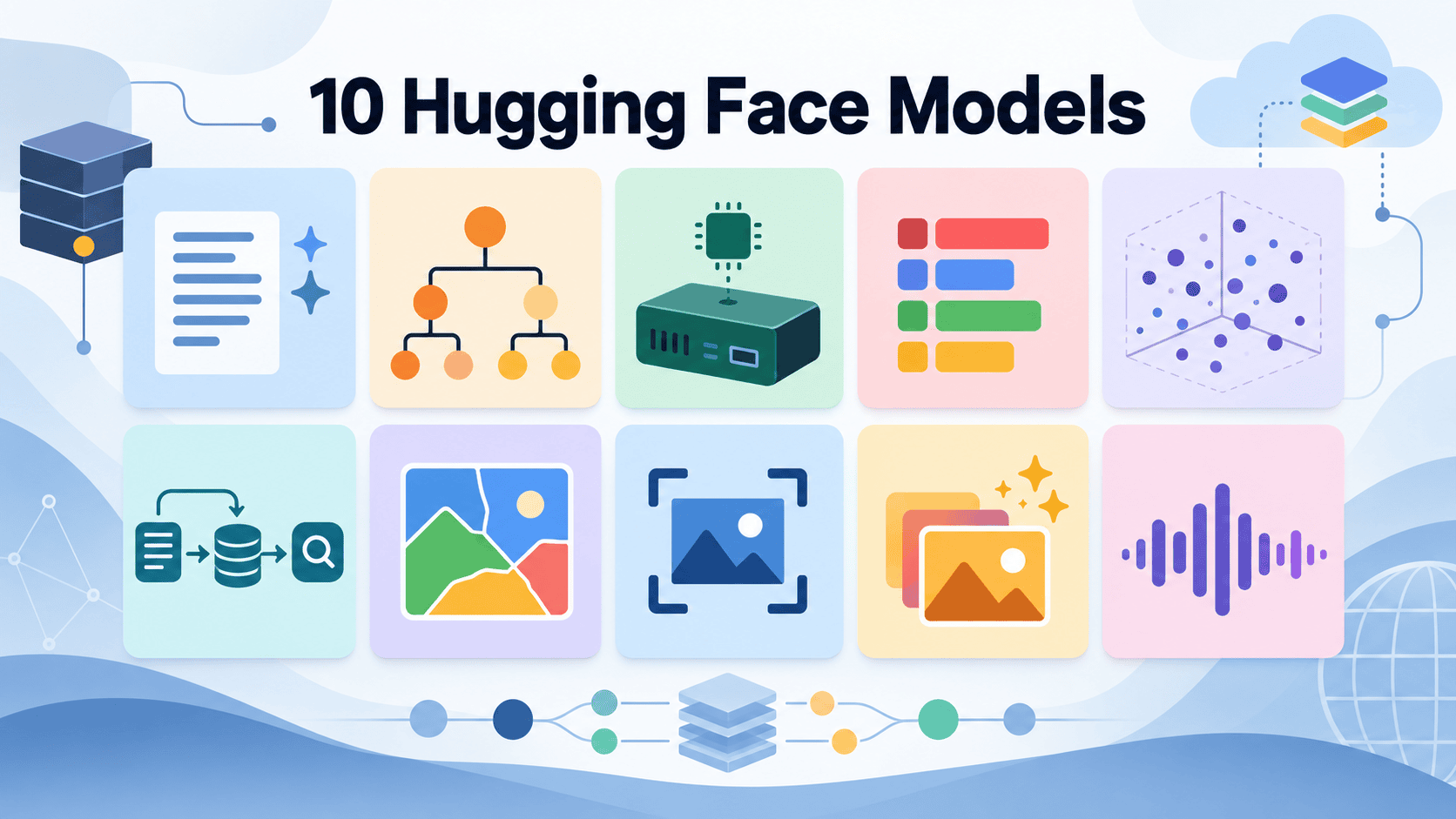
Ten Hugging Face Models Reshaping How Data Works in 2026
Ten Hugging Face models are quietly reshaping how data moves through text, vision, audio, and retrieval pipelines in 2026, and that shift is worth paying attention to. These aren't speculative projects, they're tools you can use today. If you've ever felt constrained by a tool that asks you to wait for answers a local model already knows, our related article "Stop Waiting for Answers Your Local Model Already Knows" explores that exact friction.

Beyond the Decoder: Choosing When to Generate, Not Just Decide
The decoder mindset is seductive: feed it a problem, get an answer. But generation is a different beast. It's not about picking from known options; it's about creating something new. We agree, and we think that distinction is where the real value lies. Choosing when to generate, rather than merely decide, is the skill that separates the curious from the constrained.

Explore how 90 languages and voice cloning now fit in a 10-second clip
Voice cloning used to require hours of studio time. ElevenLabs v4 now pulls it off from a ten-second clip, while supporting 90 languages. That is a meaningful drop in the barrier to entry. If you are wondering where synthetic media detection fits into this picture, our coverage of Modulate's recent funding round offers a clear look at the other side of the coin. This is a tool that rewards exploration, not hype.
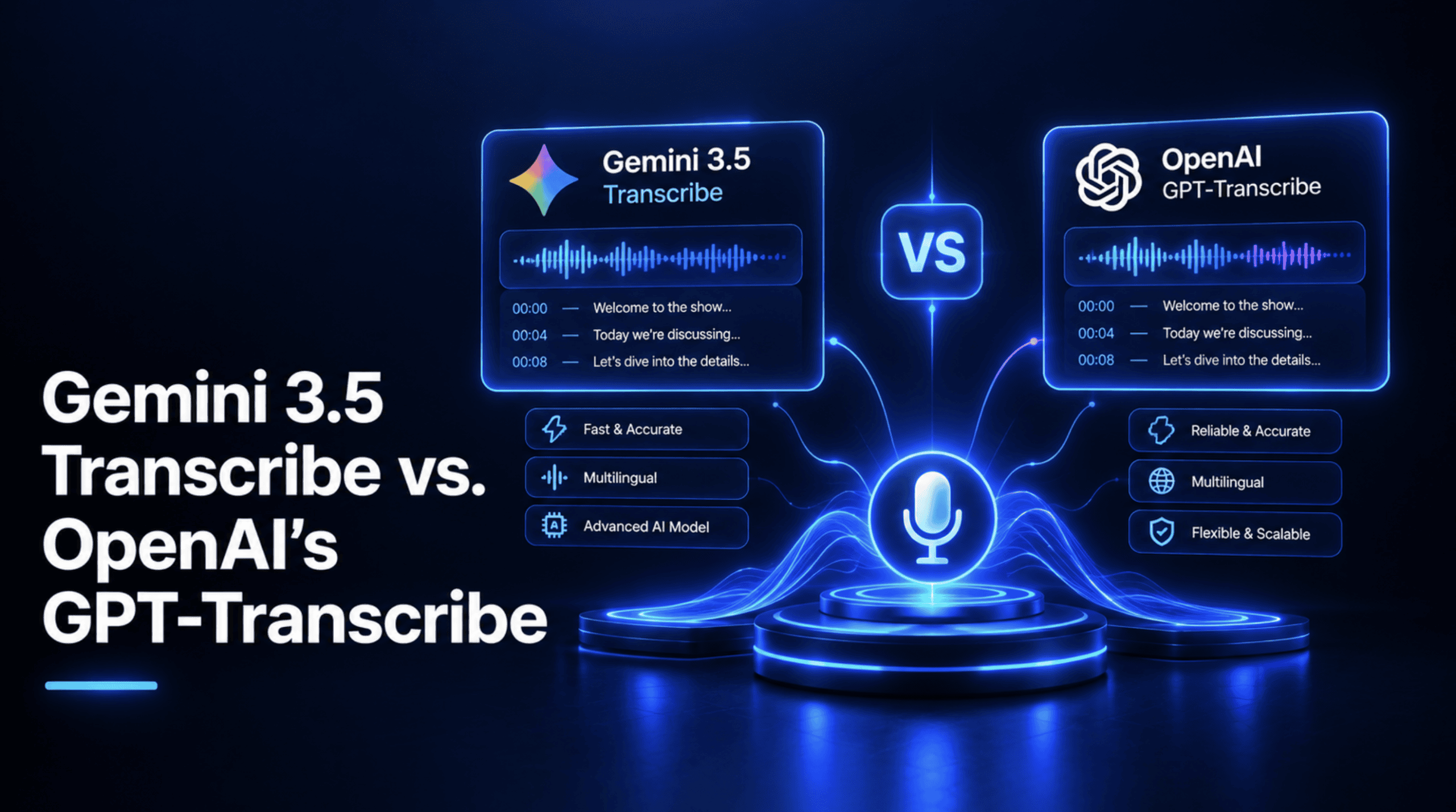
Two AI transcribers compared: real performance where the numbers count
You've read the benchmarks, but what happens when two AI transcribers face real-world data? We pushed them past marketing claims to see where the numbers actually land. The comparison walks through each model's background, a concrete use case with working code, and a side-by-side comparison of the metrics that determine productivity. If you appreciated our breakdown of Qwen3-VL's struggles with dates, this follow-up answers a practical question: which tool earns its place in your workflow?
Exploring Smarter Paths to Text Clustering With Large Language Models
Traditional clustering methods like K-means and DBSCAN often reduce documents to word-by-word matching, leaving procedural similarities undiscovered. That is the exact gap this researcher is targeting by turning to large language models for text clustering. It is a practical reframing of an old problem, and the ambition is clear: group documents by meaning, not just vocabulary. For anyone wrestling with messy, template-heavy datasets, this exploration feels timely. It may not promise perfection, but it points toward a smarter path worth watching.
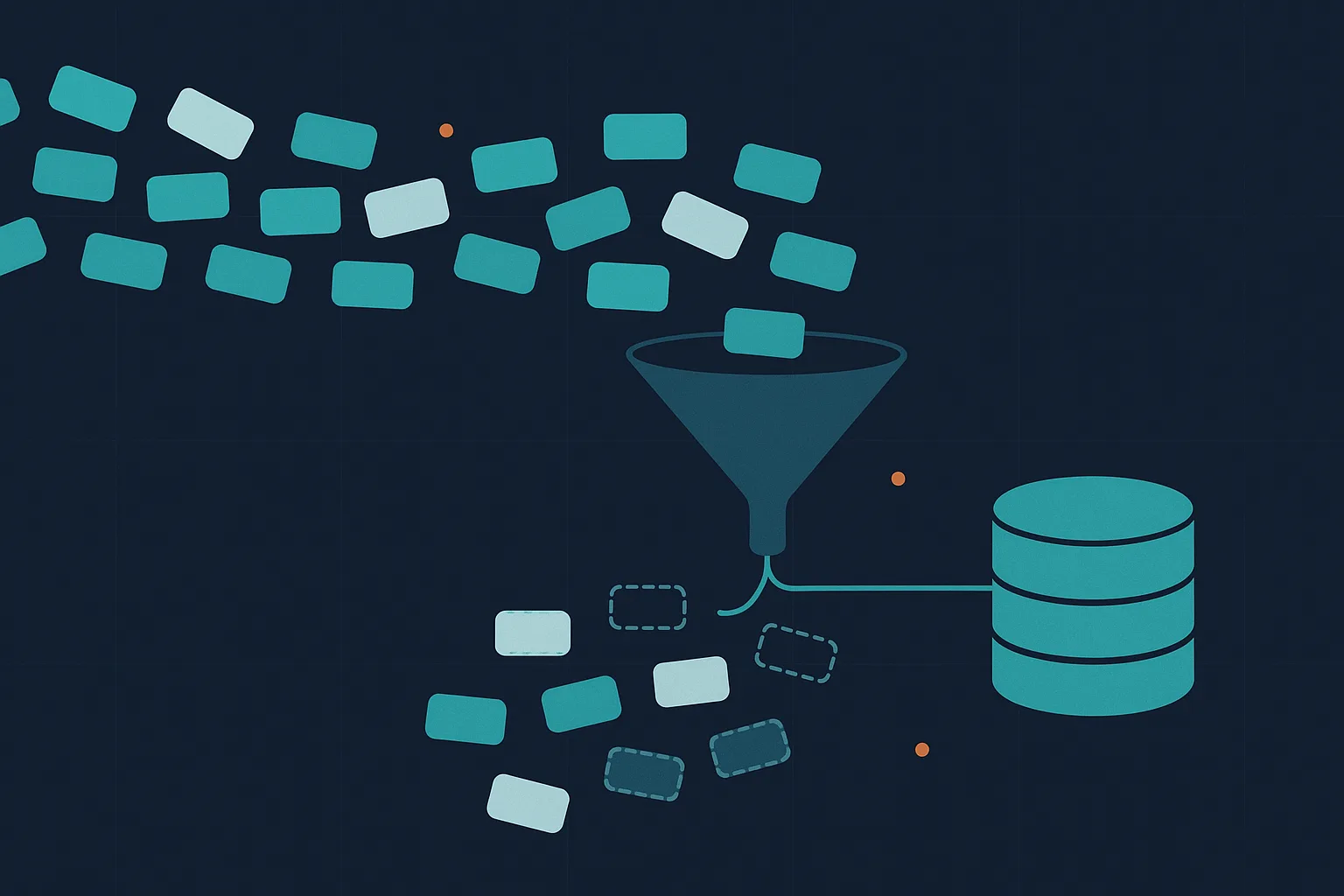
Clean Data Starts With Catching AI Slop Before It Skews Your Model
Cleaning your training data isn't just about removing obvious junk. When my AI detectors flagged plenty of genuine reviews, filtering them out actually made the sentiment model less accurate. That's the trap: overcorrecting for AI slop can skew your results in the opposite direction. This piece tests three practical ways to spot that noise without tossing the signal. It's a useful, grounded look at a problem many teams will face soon. If you're building models on messy text, this is worth your time.

Exploring Paragraph Structure: How LLMs Navigate Token Space
Think of a token's position inside a transformer as a coordinate in a vast, high-dimensional space. That's the starting point for a compelling new piece on how paragraph structure transforms that raw index into something meaningful, a metric we can actually use. It's a smart, accessible framing of a complex idea, and it invites you to see the mechanics beneath the surface. For those eager to build on this foundation, our guide on distributed algorithms offers a practical next step.
Unlock ChatGPT for Work: A Practical Guide to Getting Started
Most spreadsheet users hit the same wall: asking for help feels like learning a second language. This guide cuts through that friction, showing how to frame prompts that turn ChatGPT into a practical work partner. It's not about hype; it's about clear, repeatable steps. For a deeper look at the underlying mechanics, our piece on distributed training algorithms offers useful context. Start where you are, and let this walk you toward sharper, more efficient workflows.

Transparency in AI Voice: ElevenLabs CEO on Disclosure and the Future
ElevenLabs CEO is making a straightforward call: businesses should tell you when that helpful voice on the line is an AI. It's a practical stance, grounded in the idea that disclosure matters until machine voices become the expected norm. We think that's the right instinct. Transparency isn't just ethical; it's how you build trust with people who are already navigating enough complexity. For more on how AI systems are being deployed in the real world, check out our piece on real-world computer vision.

Unlocking Text's Potential: Exploring Vector Spaces and Classification
Text classification only works when words become numbers. That transition, from raw text into vector space, is where the real thinking happens. TF-IDF and the mechanics of turning language into something a model can actually use are walked through. It's a clear, grounded explanation of a step most people skip. If you're ready to move past the basics, this is a solid next stop. And for a different angle on machine learning, check out "Exploring Real-World Computer Vision" for more hands-on lessons.

Unlock New Reasoning Power: A Deep Dive into Claude Opus 5.5
Claude Opus 5.5 reasons on every request, responds faster, and costs less to run. That combination is worth pausing over, because it points to a model designed for practical work rather than just benchmark bragging. Anthropic packed real upgrades into its latest flagship, and the implications for everyday data tasks are significant.
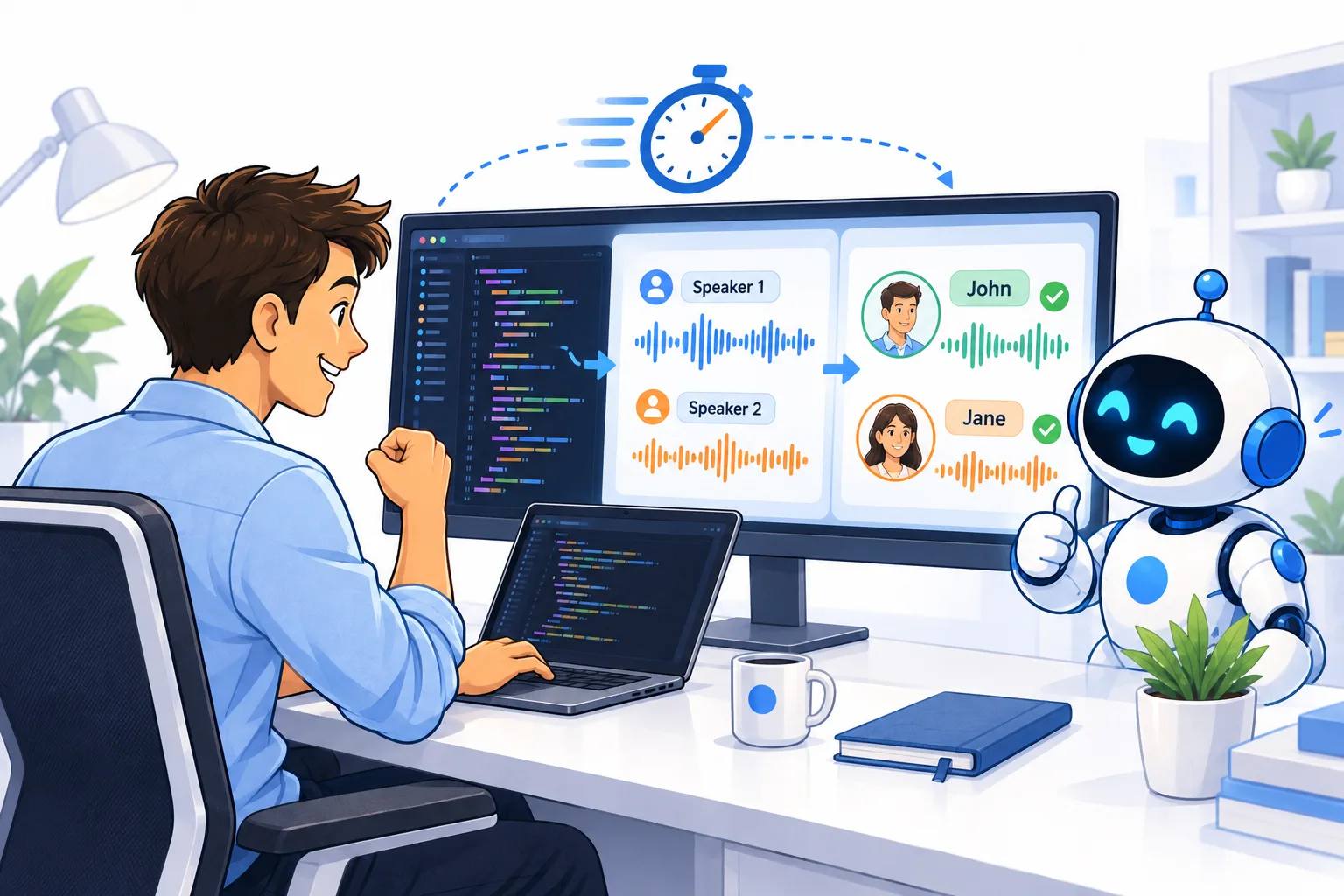
Code an Internal Speaker Recognition Tool with Claude
If you've ever wrestled with identifying who's speaking in a meeting recording, building a speaker-recognition tool from scratch can feel like a heavy lift. This guide walks through coding one internally with Claude, turning a complex audio challenge into a practical, hands-on project. It's a smart, accessible approach for teams ready to move beyond manual transcription. For a broader look at how AI handles real-world inputs, you might also enjoy *Exploring Real-World Computer Vision*, it pairs nicely with the concepts here.

Describe a task in English and let AI compile it into a local program.
Describing a function in English and watching it become a reusable neural program that runs locally, no cloud dependency, is a meaningful step past the usual demo cycle. ProgramAsWeights, an open-source project from the University of Waterloo, separates compilation from inference: a larger model writes the task-specific weights, while a smaller interpreter executes them repeatedly. It works on a CPU, compiles in seconds, and even outperforms direct prompting of a much larger model on FuzzyBench.

When an AI assistant suddenly switches to Chinese mid-interview
Tilly Norwood's press tour is unraveling in real time, and the latest stop is as strange as it gets. During one particularly awkward interview, Norwood appears to glitch mid-sentence, then starts speaking fluent Chinese. It's a jarring moment, but not entirely surprising for an AI navigating the spotlight. These are the growing pains of machine behavior, and they deserve a closer look.
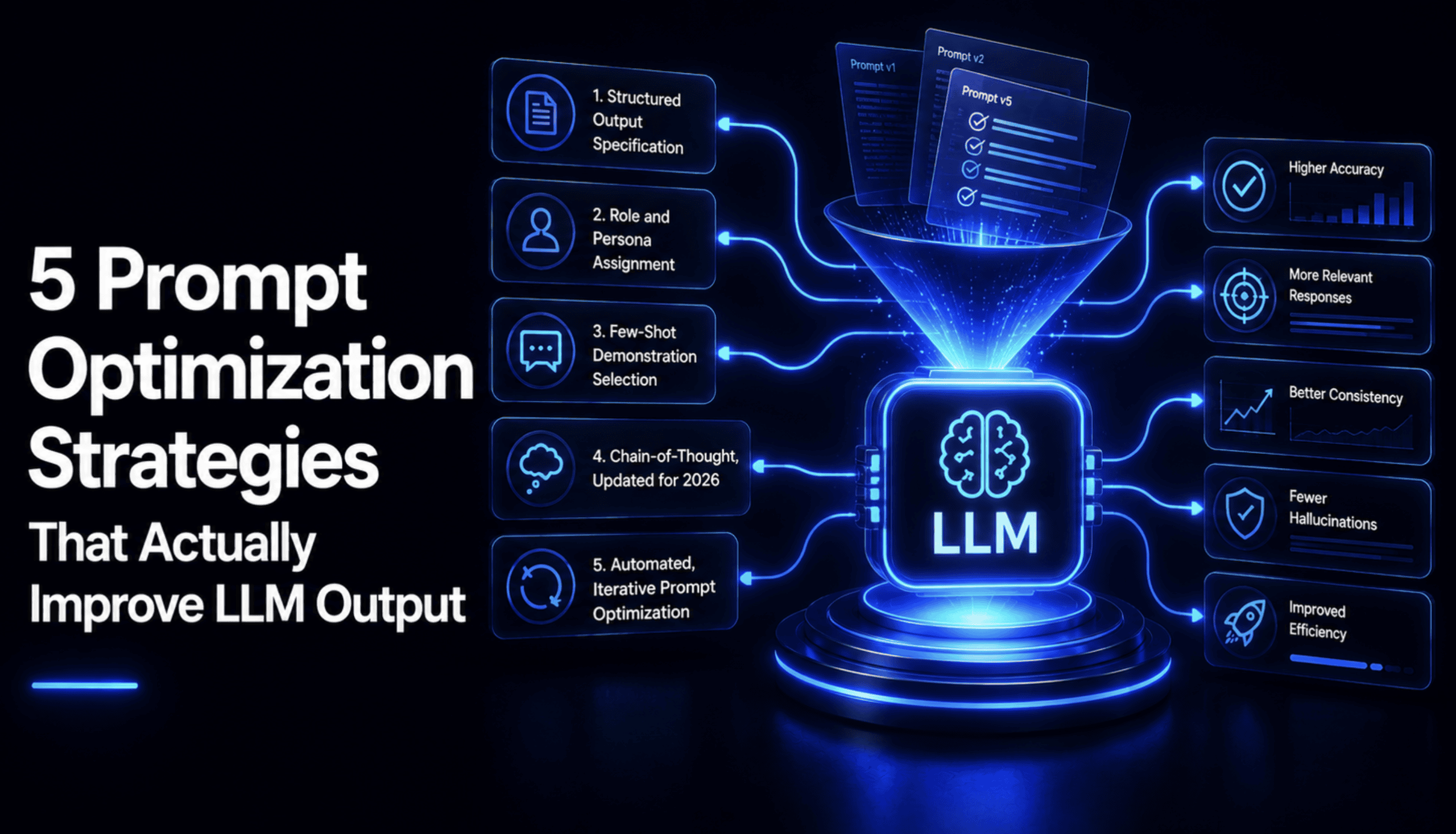
Five Strategies to Sharpen Your Prompts for Better LLM Results
Struggling to get consistent, high-quality responses from your LLM? You're not alone. The difference between vague answers and sharp insights often comes down to how you ask. This piece breaks down five practical strategies, from few-shot prompting to chain-of-thought, that genuinely move the needle. It's about making structured outputs feel natural, not forced. For a deeper look at the underlying mechanics, our guide to distributed training is a solid companion. Ready to refine your approach? Let's get into it.

Cut Through the ML Paper Clutter with AI-Powered Research.
Reading papers as they drop sounds noble until you're drowning in arXiv alerts and can't tell a novel method from a rehash. This developer felt that pain and built an AI agent to handle the grunt work: filtering, deduping, ranking against your interests, and producing a structured report in English and Portuguese. It's refreshingly practical. The scheduler is a smart touch, too. For anyone tired of the research grind, this feels less like another tool and more like a relief.
Unlock ChatGPT Work's Potential: A Clear-Eyed Look at Strengths & Limits
ChatGPT Work gets credit where it's earned, but a clear-eyed look matters more than hype. It's a capable tool that simplifies real workflows, yet its limits are just as instructive as its strengths. The models behind it hold their own in many comparisons, but honest assessment beats blind praise. For anyone weighing adoption, this piece cuts through the noise. Curious how verification fits into that picture? Check out "Verify Your AI's Understanding: A Simple Check for Tax Season" for a practical angle.

Choosing the Right AI Agent Shape for Your Data Work
Choosing between a single model and a team of agents isn't about picking a winner. It's about matching the shape of the tool to the shape of the problem. Codex fits cleanly when the problem is well-defined, Claude Code makes more sense for open-ended exploration, and splitting five specialist agents across dense AI capacity work handles complex, multi-step tasks. It's a practical, grounded look at decision-making that most teams face too early. If you're weighing similar trade-offs, this offers a clear framework worth exploring.