Cloudflare Identifies Race Condition in hyper’s HTTP/1 Implementation
Our take
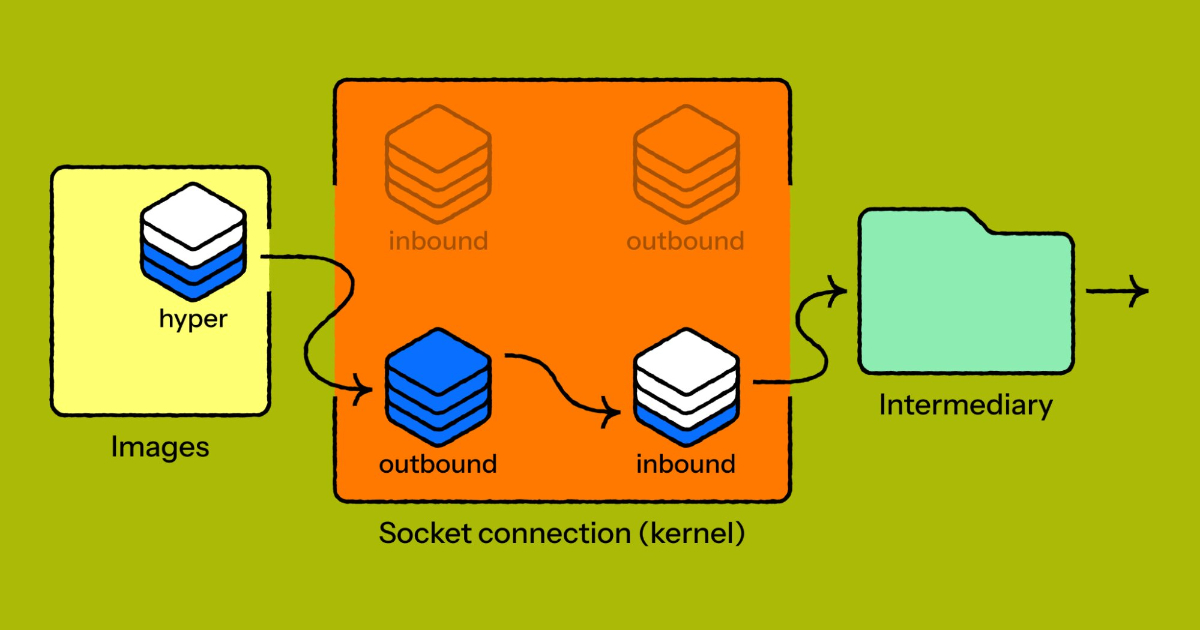
The recent disclosure by Cloudflare regarding a race condition bug in the hyper HTTP/1 library is a compelling reminder of the complexities inherent in even the most widely used and scrutinized software components. The fact that this issue, capable of silently truncating HTTP responses, persisted for years undetected highlights a fundamental challenge in modern software development: the sheer scale and interconnectedness of systems mean that subtle vulnerabilities can remain hidden for extended periods. This isn’t a condemnation of hyper or its developers; rather, it’s a testament to the difficulty of achieving perfect code, especially within the nuanced realm of network protocols and asynchronous operations. It also underlines the importance of continuous auditing, even of libraries considered stable and reliable, as demonstrated by Cloudflare's proactive investigation. The discovery and remediation of this bug further emphasize the ongoing need to improve tooling and techniques for identifying and mitigating concurrency issues, a topic we’ve explored previously in articles like Handling Imbalanced Classification: What Works Better Than SMOTE, where the complexities of asynchronous processing and data integrity are similarly vital.
The insidious nature of the bug – its reliance on specific timing conditions to trigger the truncation – makes it particularly concerning. A successful 200 OK response provides no indication that the data delivered is incomplete, potentially leading to corrupted data downstream without any immediate error signals. This could have far-reaching consequences for applications relying on the integrity of the received data, from financial transactions to data-intensive scientific simulations. The situation also echoes the challenges faced in evaluating Retrieval-Augmented Generation (RAG) pipelines, as discussed in RAG Evaluation Frameworks Compared: RAGAS vs TruLens vs DeepEval – ensuring the completeness and accuracy of retrieved information is paramount, and the absence of readily apparent errors can mask underlying issues. Cloudflare's thorough documentation of the bug and its remediation provides a valuable learning opportunity for the broader Rust and HTTP communities, demonstrating a commitment to transparency and collaborative security. The thoroughness of their analysis demonstrates the value of having teams consistently reviewing core dependencies.
The incident also serves as a useful case study in the evolving landscape of software security. While the traditional focus has often been on overt vulnerabilities like SQL injection or cross-site scripting, this race condition highlights the importance of addressing subtle concurrency bugs that can arise in complex, asynchronous systems. Modern software architectures, increasingly reliant on distributed systems and asynchronous communication patterns, exacerbate these challenges. The fact that such a critical bug could exist in a widely used library like hyper underscores the need for a shift in mindset, moving beyond reactive security measures to proactive, continuous auditing and testing strategies. Even seemingly minor code paths can harbor significant vulnerabilities, and a deep understanding of the underlying system is essential for identifying and mitigating them. It's a reminder that security isn't a one-time fix, but an ongoing process of vigilance and adaptation, much like ensuring a consistent and reliable user experience – a refreshing contrast to the often-hyped promises of revolutionary technology, as shown in articles like This slushie machine was a lifesaver during NYC’s heat wave, where simple, reliable solutions often provide the greatest value.
Looking ahead, the Cloudflare/hyper incident raises a crucial question: how can we better equip developers and security teams to identify and address these subtle concurrency bugs before they impact users? The development of more sophisticated static analysis tools, coupled with improved testing methodologies that specifically target race conditions and other timing-dependent vulnerabilities, will be essential. Furthermore, fostering a culture of open collaboration and vulnerability disclosure, as exemplified by Cloudflare’s actions, is critical for ensuring the ongoing security and reliability of the software ecosystem. The challenge will be to balance the need for robust security with the desire for rapid innovation, ensuring that the pursuit of new features doesn’t come at the expense of fundamental data integrity.
Cloudflare recently documented how its development team identified and fixed a rare bug in the widely used Rust HTTP library hyper that could silently truncate large HTTP responses while still returning a successful 200 OK status. The issue had existed for years, was triggered only under specific timing conditions, and has now been fixed upstream.
By Renato LosioRead on the original site
Open the publisher's page for the full experience