Cloudflare Introduces Cache Response Rules for Post-Origin Cache Control
Our take
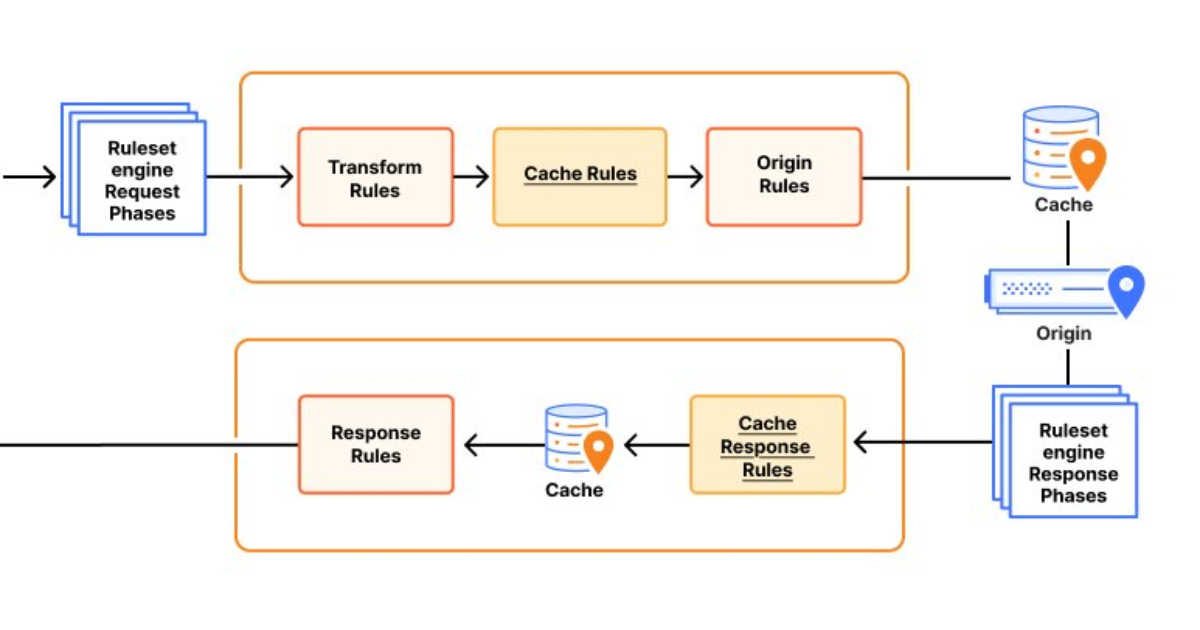
Cloudflare’s introduction of Cache Response Rules marks a significant evolution in content delivery network (CDN) capabilities, moving beyond reactive request-based caching to a more proactive, response-aware model. This shift allows for far greater control over what actually gets cached, a critical consideration in today’s increasingly dynamic web landscape. Previously, Cache Rules operated solely on request attributes – things like the user's location, browser type, or requested URL – meaning decisions about caching were made *before* the origin server even responded. Now, with Cache Response Rules, Cloudflare can evaluate the response itself – its headers, body, and status codes – before committing it to the cache. This is especially pertinent when considering the growing complexity of modern web applications and the prevalence of personalized content and dynamic data, as highlighted by Cloudflare’s recent migration of cdnjs to its Developer Platform Cloudflare Migrates JavaScript CDN Serving 9B Requests a Day to Its Developer Platform. The ability to inspect the response allows for granular control, ensuring that only valid, appropriate content is cached and served, reducing wasted bandwidth and improving overall performance.
The implications of this change extend far beyond simple performance gains. Consider scenarios where an origin server returns different responses based on A/B testing, user authentication, or even temporary errors. Without response-level caching rules, these variations could inadvertently pollute the cache with outdated or incorrect content. Cache Response Rules provide the mechanism to filter out these unwanted responses, ensuring that users always receive the intended and accurate content. This also ties into Cloudflare’s broader efforts to provide observability and control, evidenced by their recent agent tracing updates Cloudflare Adds Agent Tracing, with Truncation Limits and Uneven Payload Defaults. The ability to trace requests and responses in conjunction with these new caching rules provides a powerful debugging and optimization toolset for developers. The shift also reflects a broader trend in the industry towards more intelligent and adaptable CDNs, moving away from simple caching mechanisms towards systems that can understand and react to the nuances of web traffic and application behavior. We’ve seen similar considerations in the conversation around data usage and consent, as exemplified by Amazon’s recent changes regarding Twitch streamer data Amazon will train on Twitch streamers’ content by default, unless they opt out, demonstrating the growing need for fine-grained control over data processing and distribution.
The introduction of Cache Response Rules effectively empowers developers to build more robust and resilient web applications. It allows for sophisticated caching strategies that were previously impossible, such as selectively caching responses based on content type, header values, or even specific patterns within the response body. This opens the door to advanced use cases like personalized caching, where different users receive different cached content based on their profiles, and dynamic content optimization, where content is cached in different formats or versions based on device capabilities. The rules engine itself provides a flexible and programmable interface, allowing developers to tailor caching behavior to their specific needs. It’s a move that demonstrates Cloudflare's commitment to providing not just a fast CDN, but a comprehensive platform for optimizing web performance and security. The ease with which these rules can be implemented and managed within the Cloudflare dashboard further solidifies its appeal to a broad range of users, from small businesses to large enterprises.
Looking ahead, the convergence of Cache Response Rules with Cloudflare's other services—Workers, Firewalls, and Load Balancers—promises even greater possibilities. Imagine, for example, using Workers to dynamically modify responses before they are cached, or leveraging Firewalls to selectively cache responses based on security policies. The potential for creating highly customized and automated caching workflows is immense. The key question now is how developers will leverage this new level of control to unlock new levels of performance, personalization, and resilience for their applications. It will be fascinating to see the creative solutions that emerge as users begin to fully explore the capabilities of Cache Response Rules.
Cloudflare recently introduced Cache Response Rules, a rules engine that operates after an origin server responds but before content is written to Cloudflare's cache. Previously, Cache Rules operated only on request attributes. Cache Response Rules add a response phase that evaluates origin responses before they are cached.
By Renato LosioRead on the original site
Open the publisher's page for the full experience