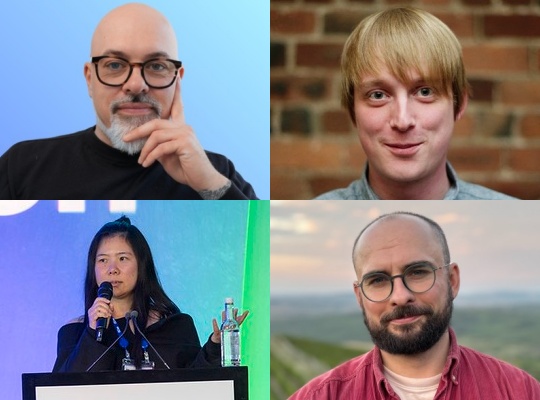
AI-assisted coding is no longer a curiosity for frontend teams, it is a daily reality that is reshaping engineering workflows, role definitions, and the very guardrails teams rely on. Our view is clear: the conversation led by Luca Mezzalira, James Hall, Danielle An, and Ivan Zarea confirms that the real challenge isn't whether AI can write code, but how human engineers adapt their practices to stay in control. This is not about replacing developers; it is about redefining what development means when machines generate the first draft.
The panel's insights on evolving junior developer roles strike us as especially urgent. As AI tools handle boilerplate and routine patterns, the traditional path from writing simple features to understanding architecture may need to be redesigned. Junior engineers risk missing foundational learning if they lean too heavily on generated code without grasping why it works. This connects directly to a point we made recently in Three Ways to Stay in Control When AI Writes Your Code: the ability to review, question, and override AI output is becoming a core competency, not a nice-to-have. Meanwhile, the fatigue of reviewing AI-generated pull requests is a real and growing pain point, teams need new processes, not just more hours, to handle the volume.
Architectural guardrails are another area where the panel's thinking deserves attention. Designing systems that work well for autonomous agents, as they discuss, means moving beyond human-centric assumptions about how code is written and maintained. This is a socio-technical challenge, not a purely technical one, a theme we explored in Software Architecture Thrives When Tech Meets Team Culture. When AI agents navigate your codebase, the boundaries you set, through linting, testing, and architectural patterns, become the only thing standing between coherence and chaos. The panel's emphasis on enforcing these guardrails suggests that teams should invest in automated validation early, rather than relying on manual oversight that scales poorly.
The economic shifts in open-source sustainability, raised by the panel, add a longer-term dimension. If AI tools increasingly generate code that mimics or repackages open-source work, the incentives for maintainers to keep contributing may weaken. This is a structural risk that frontend and mobile teams should watch closely, as their toolchains often depend on community-maintained libraries. Our takeaway is direct: start treating AI-generated code review as a discipline, not a chore. Build explicit review checklists, set time budgets for AI-assisted work, and invest in automated guardrails that catch architectural violations before they reach human reviewers. The teams that get this right will not only ship faster, they will preserve the engineering judgment that AI tools cannot replace.