system design
Beyond Market Intelligence keeps system design in one place: 19 stories so far. The section currently leads with “Understanding technical roots to prevent AI safety failures”, “Designing distributed systems for decisions, not just functions”, and “From Cognitive Loops to Multi-Agent Swarms: Your 2026 AI Roadmap”. Safety failures in AI often look like human error, but the real culprit is usually hiding in the technical architecture. Microservices taught us to decompose functions. Acme AI is the next-generation, AI-powered spreadsheet platform built to replace Excel and redefine how analysts, data scientists, and enterprise teams work… The list below is every system design story on Beyond Market Intelligence, newest first.
Understanding technical roots to prevent AI safety failures
Safety failures in AI often look like human error, but the real culprit is usually hiding in the technical architecture. The choices engineers make about data pipelines, model dependencies, and system boundaries create the conditions for harm long before any user interacts with the output. Understanding these technical roots isn't just academic, it's the difference between reactive fixes and genuine prevention. Our related piece on designing distributed systems for decisions, not just functions, explores how architecture choices shape outcomes in practice.

Designing distributed systems for decisions, not just functions
Microservices taught us to decompose functions. Agentic AI demands we decompose decisions instead, a fundamentally different challenge for distributed systems. Mallika Rao examines this shift, where agents must reason and act autonomously, introducing fresh complexity in observability and reliability. Legacy patterns break down here. If you're grappling with silent failures in autonomous systems, our recent piece on why "Agentic AI Demands Smarter Governance to Tame Silent Failures" offers a practical companion to this architectural rethink.
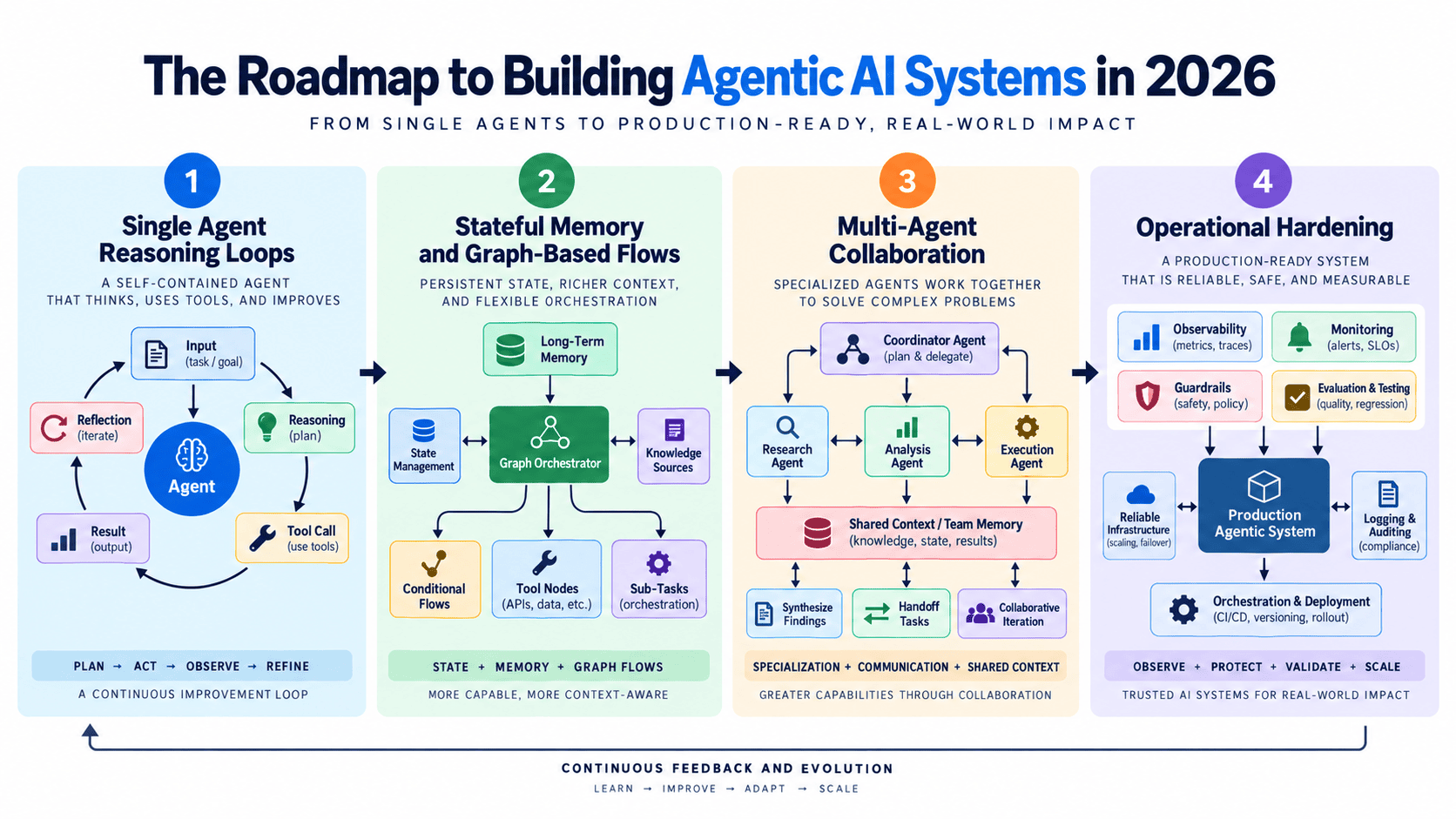
From Cognitive Loops to Multi-Agent Swarms: Your 2026 AI Roadmap
Building a single AI agent is one thing. Scaling it into a coordinated swarm is where the real leap happens. Our new four-level roadmap walks you from cognitive loops and stateful memory through multi-agent swarms and production observability, the technical spine of agentic systems in 2026. Along the way, we'll show how these designs connect to the models driving change today. Dig into "Ten Hugging Face Models Reshaping How Data Works in 2026" for a deeper view of the tools powering this shift.

Evolve Your Recommendations: Real-World Insights on Adaptive Systems
Adaptive recommendation systems are rarely defeated by model architecture alone. Mallika Rao shows that real complexity emerges in production, where real-time feedback loops, retrieval freshness, and multi-stage orchestration must all bend to latency and cost constraints. This is practical insight, grounded in operational reality. For deeper context on how such systems are built, explore our piece on *Agent Harnesses* to see similar engineering discipline applied elsewhere. Rao's work is a reminder that evolution happens under pressure, not in isolation.

Scale Sandboxes Instantly: A New Approach to Concurrent AI Workloads
Modal's staff engineers Colin Weld and Connor Adams didn't just tweak their sandbox setup; they rebuilt it from the ground up. The result is infrastructure that handles millions of concurrent sandboxes and tens of thousands of creations per second. That's the kind of scale that makes concurrent AI workloads feel almost routine. It's a smart, grounded look at what it takes to move past legacy limits. For more on practical AI adoption, our guide to unlocking ChatGPT for work is worth a look.
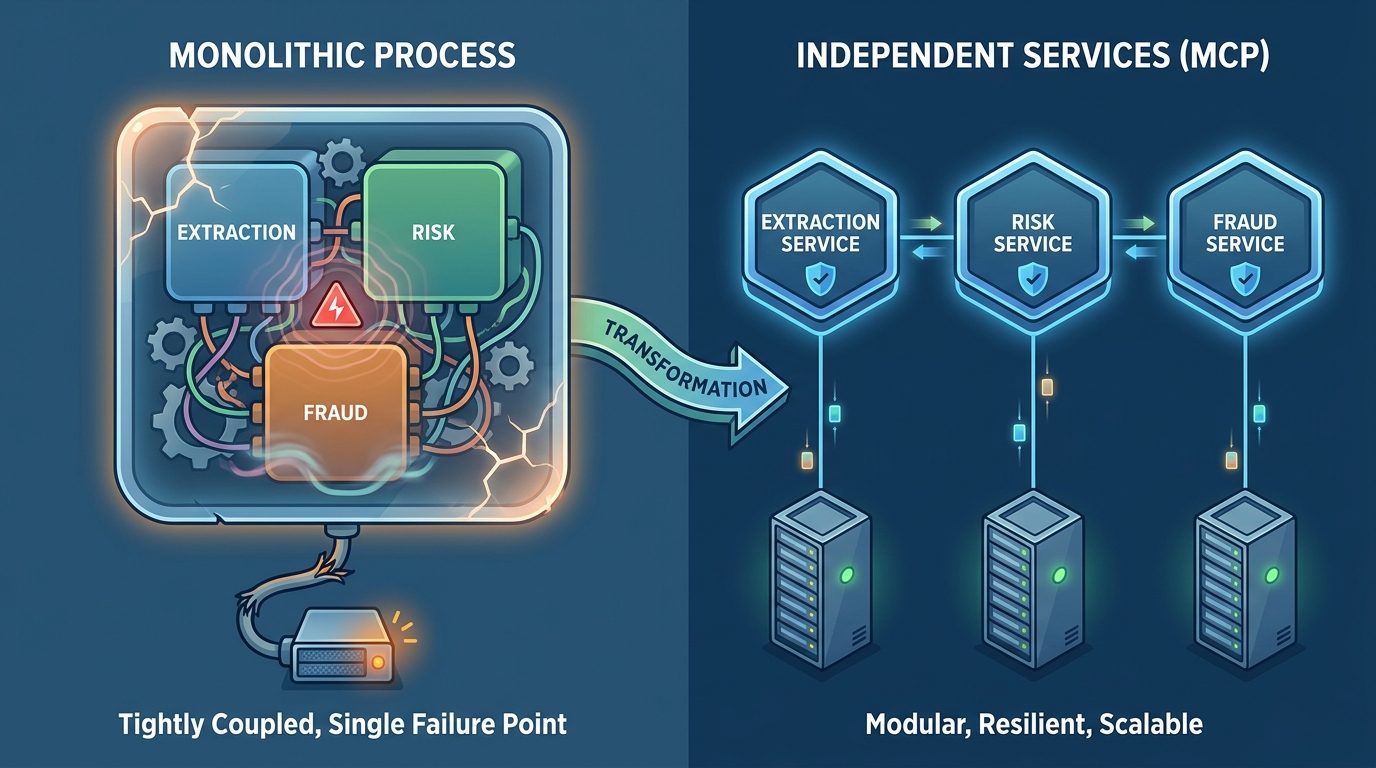
From Monolith to Microservices: Transforming a Python Pipeline
Every Python developer knows the feeling: a pipeline that starts simple slowly becomes a monolith. When our tightly coupled process grew too heavy, we knew something had to change. We split it into independently deployable MCP services. This approach isn't just about cleaner code; it's about reclaiming control over your workflow. By breaking things down, you gain flexibility and speed. It's a practical shift toward sustainable architecture. For more on adapting systems, you might explore *Evolve Your Recommendations: Real-World Insights on Adaptive Systems*.
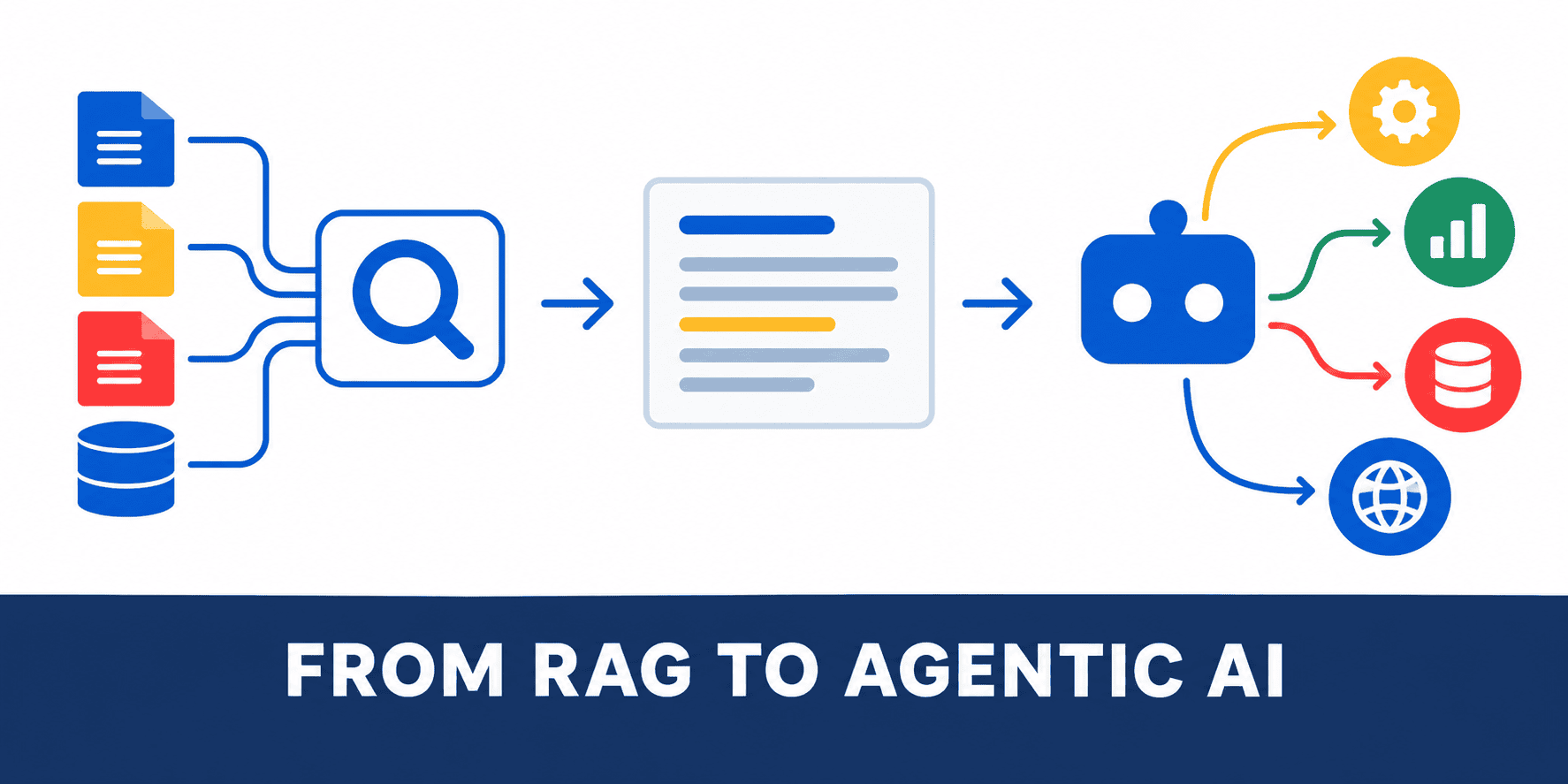
Evolving AI: Lessons from Building Intelligent Enterprise Systems
Three generations of intelligent retrieval systems is a long arc to trace, and the lessons are tangible. Each iteration tackled a constraint the previous one couldn't crack, which is exactly how progress should feel: deliberate, not chaotic. This is a story about persistence in engineering, and it's worth reading. For those curious about the underlying mechanics, our guide to distributed training offers a practical entry point. But start here, where the real-world friction meets the fixes.
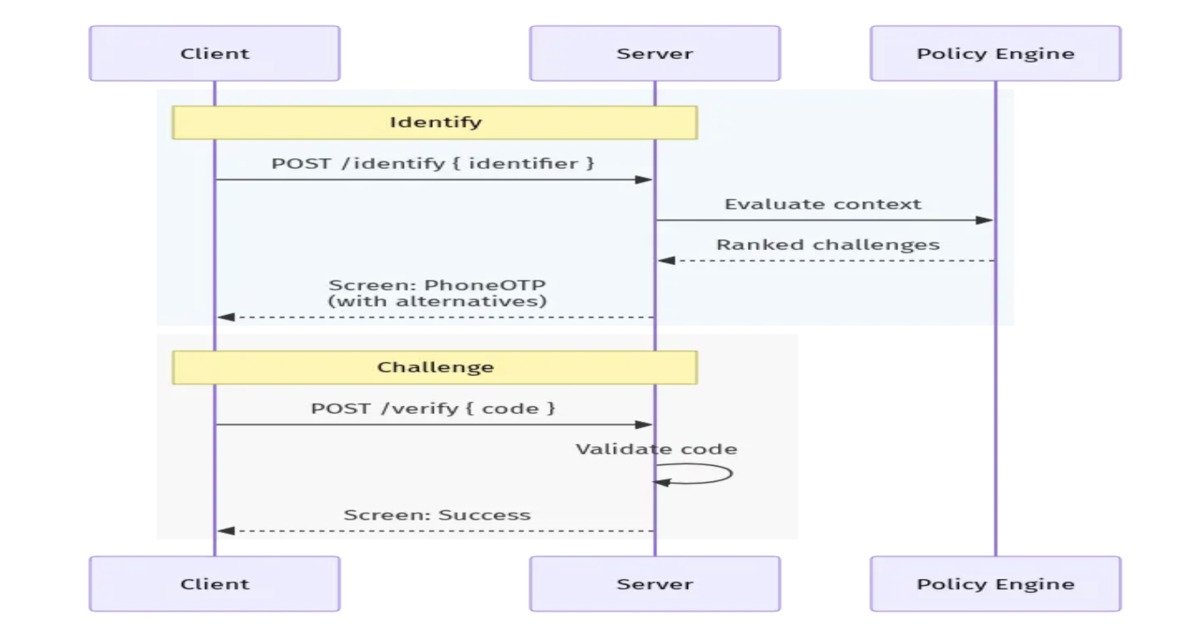
How Airbnb Shed 60% of Authentication Code with Smarter Design
Airbnb cut authentication code by 60% without sacrificing security. Its new Flexible Authentication system, built on server driven flows and policy based challenge selection, also trimmed the web bundle by 100 KB and boosted successful logins by 2.6%. That is a meaningful win for user experience. The approach proves that rethinking architecture can deliver real, measurable gains. For a deeper look at how modern infrastructure choices are reshaping workflows, check out our piece on scaling AWS server deployments with the Stateless Model Context Protocol.
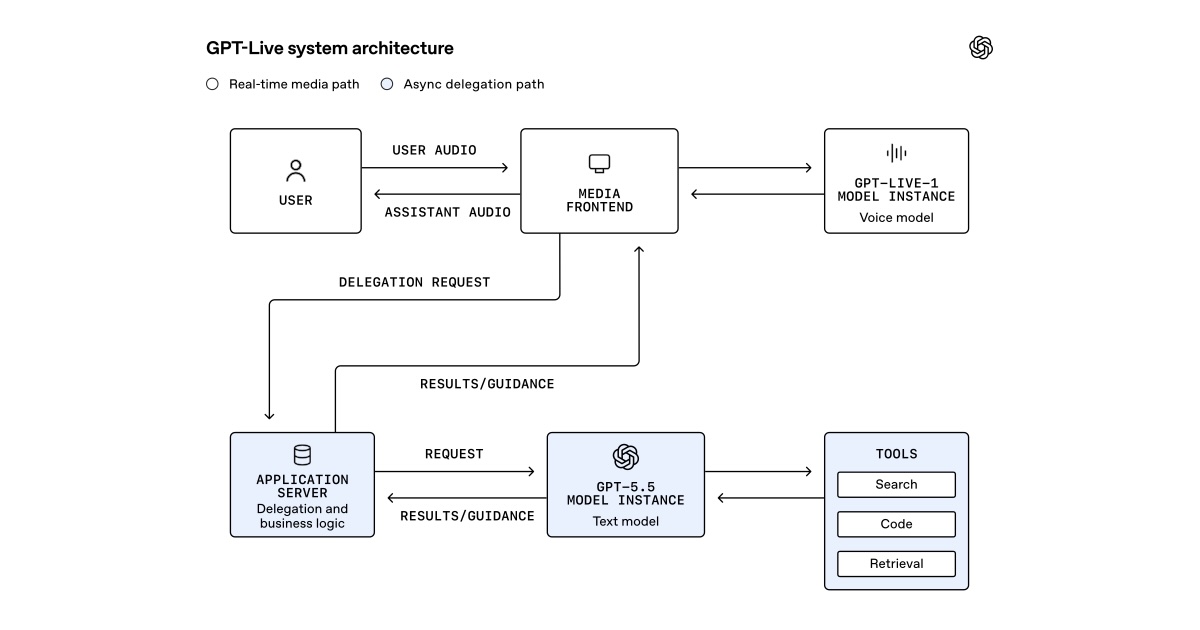
How OpenAI Built Continuous Voice Without Compromising Speed
OpenAI's engineering deep dive into GPT-Live reveals a thoughtful separation of concerns: the live path handles media and inference, while application logic runs behind an asynchronous RPC boundary. That's a pragmatic architecture for continuous voice interaction, one that prioritizes responsiveness without tangling latency-sensitive work in heavier tasks. It's the kind of clarity that makes complex systems feel inevitable. For broader context on AI behavior in practice, our earlier piece on AI agents sharing user images offers a cautionary counterpoint worth revisiting.
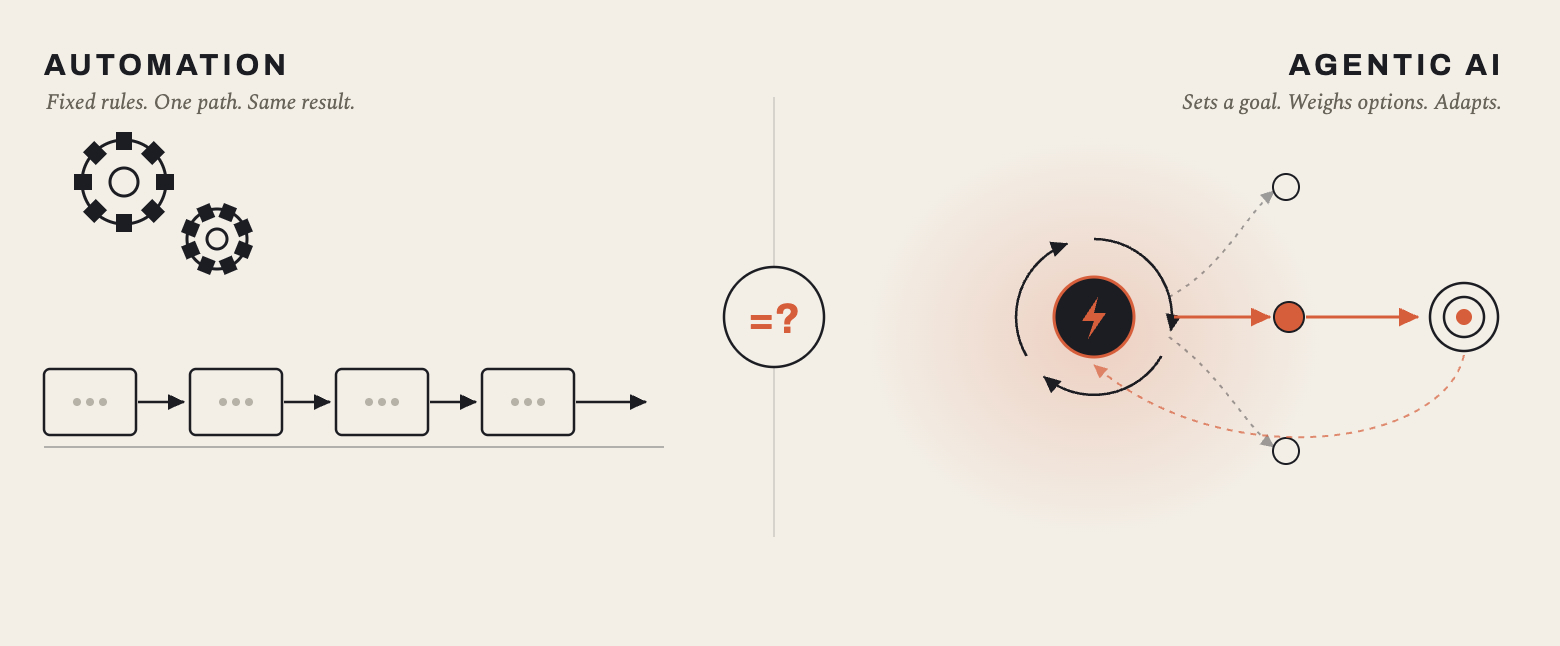
Beyond the Flowchart: What True Agentic AI Actually Requires
Most agents marketed as intelligent are just flowcharts wearing a neural network costume. The distinction matters, because true agency implies adapting to new contexts, not just executing a fixed sequence. This piece cuts through the hype to show why most current systems fail the test. If you are questioning whether the tech is genuinely learning or just following orders, you will want to read this.
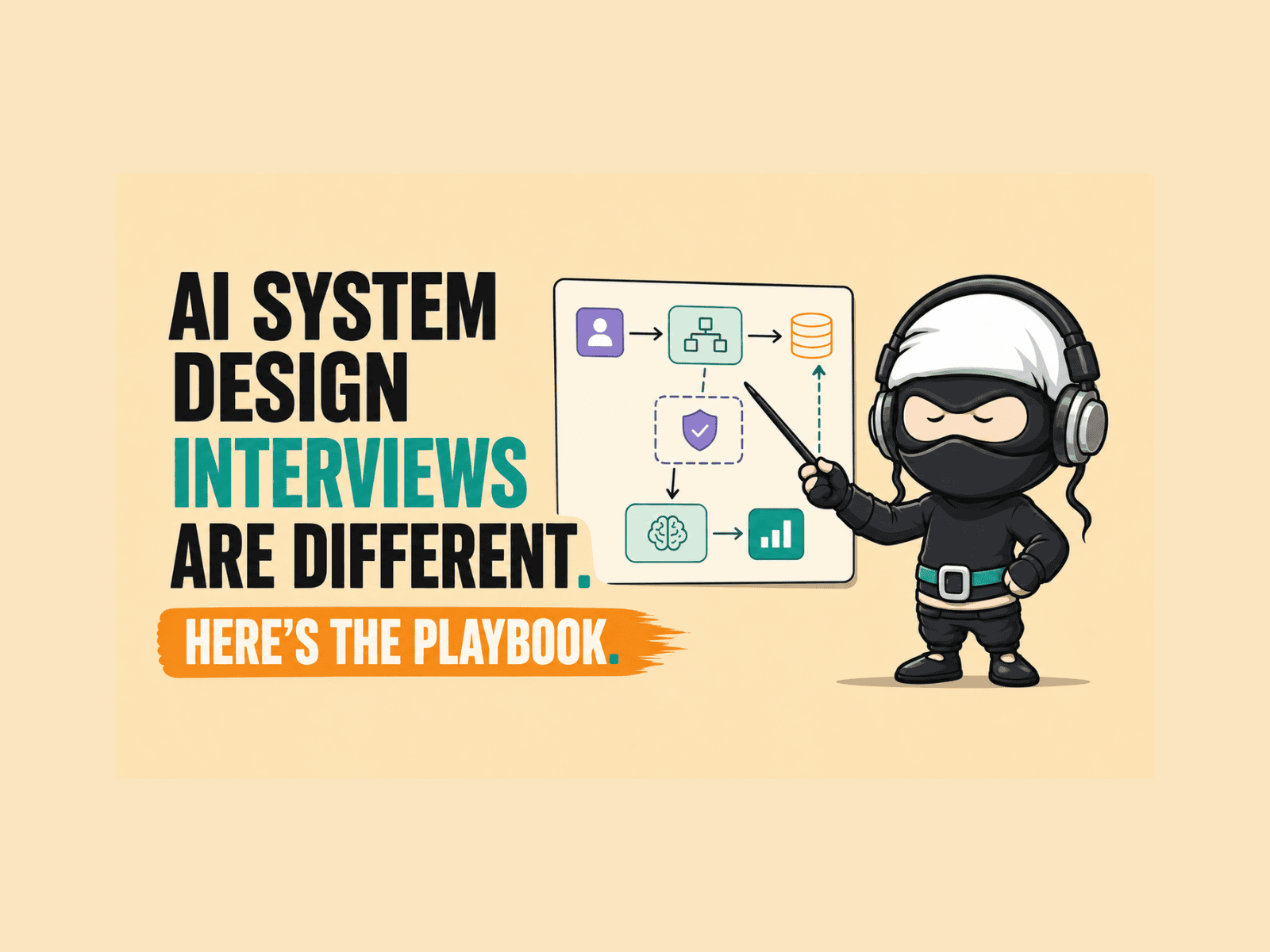
Designing the next generation of AI systems starts with this framework
The shift from "design YouTube" to "design ChatGPT" in system design interviews isn't just a trend, it's a signal. Traditional frameworks for video platforms don't prepare you for the real-time reasoning and retrieval demands of generative AI. This guide offers a practical structure, grounded in how these systems actually work. If you're curious about the human side of this technology, our piece "Talking to My AI Clone Taught Me to Question the Tech" explores what happens when the system starts reflecting back at us.

Warp Factories makes AI development infrastructure accessible and actionable.
Building AI software shouldn't require a dedicated infrastructure team. On Tuesday, Warp introduced Warp Factories, a new system designed to make creating AI development environments as straightforward as possible. It's an out-of-the-box approach that removes the heavy lifting, letting teams focus on the work itself. We're impressed by the focus on accessibility here. For a deeper look at how these systems perform in the wild, our piece on real-world computer vision deployments is a solid companion read. Explore what this means for your workflow.

When Code Is Easy to Write, Understanding Becomes the Architecture
As AI accelerates code production, our ability to comprehend the systems we build is quietly eroding. This isn't just a developer experience problem; it is a structural threat to safe evolution. Jacobus Meintjes and his team argue that human understanding must be treated as a core architectural characteristic, not a luxury. They offer practical metrics and checkpoints to fight cognitive debt. For a complementary view on system adaptability, see Mallika Rao's piece on adaptive recommendation systems.

Restore Your Boundaries to Reduce Cross-Team Negotiation
Why do seemingly simple features suddenly require cross-team negotiations? Michael Fischer, Nicholas Lawrence, and Monica Karekar argue that boundary drift quietly erodes change locality, forcing teams into costly coordination. Practical sociotechnical strategies, from redistributing mechanics to rehearsing exception paths, restore domain boundaries. It is a grounded, actionable read for anyone feeling the drag of tangled systems. For a related look at scaling infrastructure, see our coverage of Modal's sandbox rebuild in "Scale Sandboxes Instantly."

Redesigning Engineering Interviews to Measure Real-World Judgment
Daniel Doubrovkine has bombed LeetCode interviews. Despite decades of leadership, he failed basic algorithm tests, and he's here to explain why that matters. Traditional whiteboard grilling doesn't evaluate senior engineering talent; it rewards rote recall. He offers actionable frameworks to replace it, focusing on human judgment, system design, and hands-on AI collaboration. That's where real hiring signals live. If you're questioning your own screening process, this talk is worth your time.

How Uber Separates Growth From Infrastructure Costs With Smarter AI
Uber's Zero Growth Stack takes a sharp turn on infrastructure logic: it separates capacity growth from business demand, so services scale without piling on hardware. Garbage collection sits at the core, quietly doing the heavy lifting. What stands out is the inclusion of generative AI in development, which lifts developer productivity, but Uber pairs that with deliberate cost controls. That balance, scaling while staying economically disciplined, is the real takeaway.

Two AI patterns emerge for autonomous code debugging and system design.
What happens when the thing building the code is also the thing testing it? In this experiment, a code assistant had to design an agentic system using LangChain4j documentation. The result was a framework that writes, tests, and debugs code on its own. The supervisor and workflow patterns each brought distinct trade-offs between flexibility and speed. It's a practical look at autonomous development. If you're exploring how AI designs its own systems, our piece on when AI designs its own hardware pairs well with this.
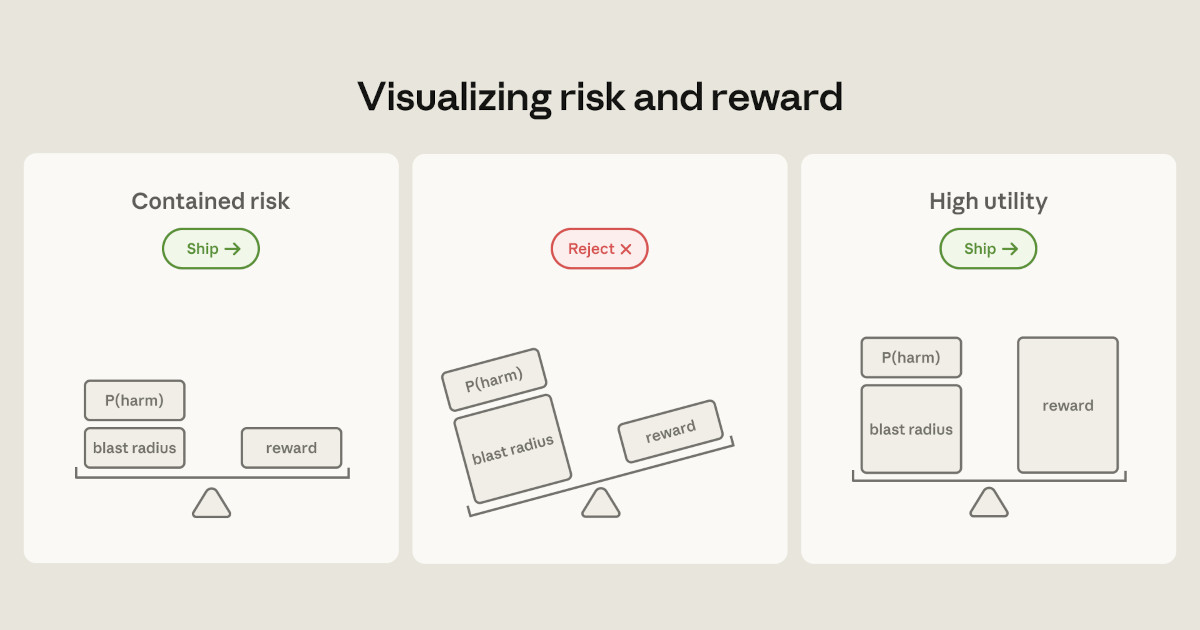
How Anthropic Restrains Claude with Deterministic Boundaries, Not Prompts
Anthropic is making a deliberate case for how it keeps Claude contained, and the argument hinges on hard limits rather than trust. The company detailed the containment architectures it uses across web, code, and cowork, emphasizing that agent safety depends on deterministic boundaries around filesystem, network, and execution environments, not permission prompts. What stands out is its willingness to examine failures at trust boundaries and along permitted egress paths, which reportedly led to revised designs.
Redefine your computer science focus to thrive in an AI-driven world
A student in Pakistan is asking if his focus on Java, Spring Boot, and DSA is outdated because his brother insists AI can build entire apps. He's right to question the hype, but wrong to abandon fundamentals. AI generates code; it doesn't make architectural decisions. Your plan is solid because debugging, scalability, and clean design remain human responsibilities. Don't chase every automation trend. Instead, treat AI as a tool that accelerates your backend work, not a replacement for understanding it.