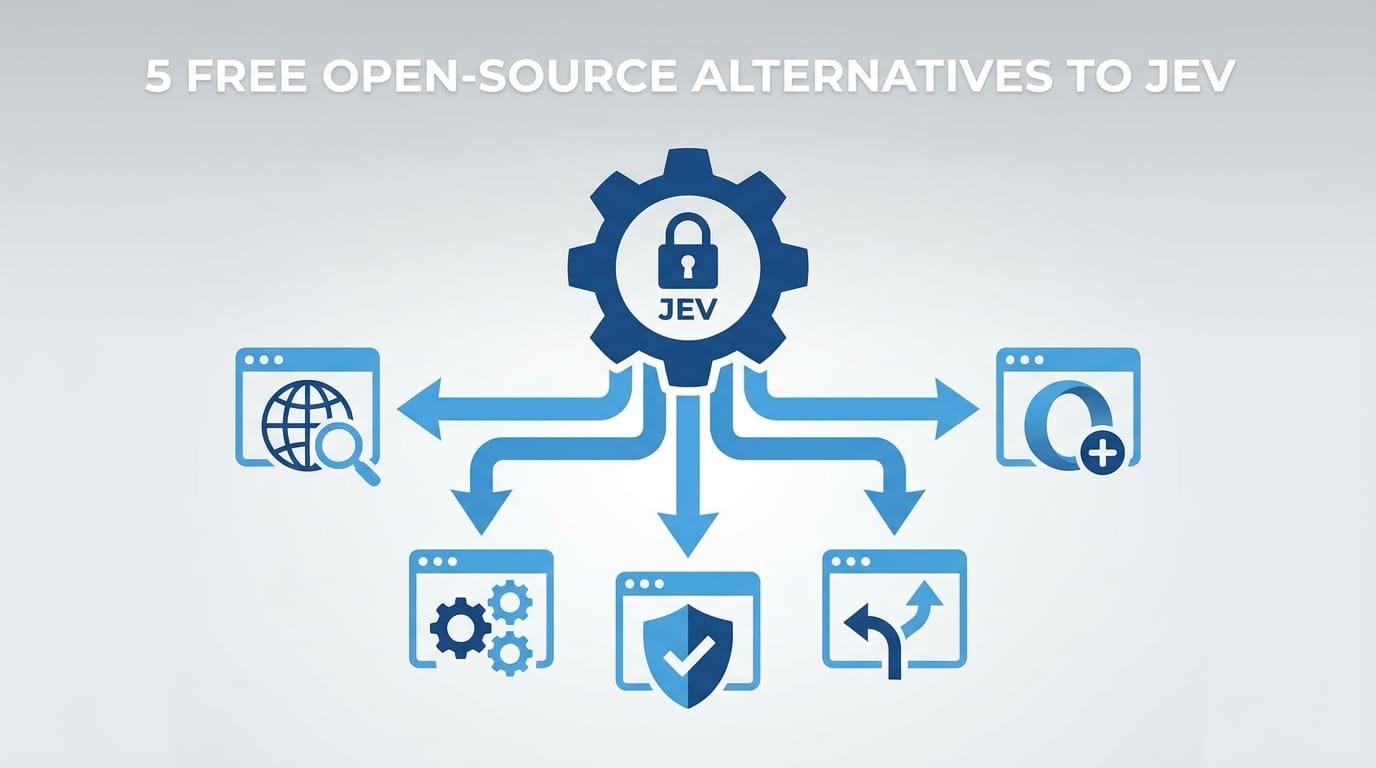
The move toward open-source decision models that run locally is not just a technical curiosity, it is a practical shift that puts real power back into the hands of teams building AI agents. When you can choose from high-accuracy models or lightweight alternatives that operate on your own hardware, you are no longer locked into a single vendor's pricing or data policies. This is the kind of freedom that transforms how quickly you can experiment, iterate, and deploy. It pairs naturally with the kind of operational depth that Netflix Builds a Knowledge Graph to Give AI Agents Deeper Operational Insight demands, where agents need local context and fast reasoning rather than relying on a remote API call for every decision.
What makes these open-source options genuinely useful is their range. Some models prioritize accuracy for complex, multi-step reasoning tasks, while others are stripped down to run on modest hardware for real-time agent actions. That spectrum matters because most real-world deployments are not one-size-fits-all. As we saw in Beyond the Perfect Demo: Testing AI Agents with Real Enterprise Data, agents that shine in a controlled demo often stumble when faced with messy, enterprise-scale data. Running decision models locally gives you the ability to customize, test, and iterate without the latency or cost constraints of a cloud dependency. It is a pragmatic foundation for agents that actually work outside the demo environment.
The open-source nature of these models also introduces a layer of transparency that proprietary alternatives cannot match. You can inspect the logic, adjust the weights, and understand exactly why an agent chose one path over another. That is critical when you are building agents that handle operational decisions or customer-facing interactions. Contrast this with the uncertainty raised by Nvidia's open source AI future faces new questions after Huang's exit, where leadership changes can shift commitments to open-source development. Relying on a local, community-maintained model insulates your agent architecture from that kind of strategic drift.
The concrete takeaway is this: if you are building AI agents today, start by selecting a decision model that matches your actual runtime constraints, not the one with the flashiest benchmark score. Run it locally from the first prototype. That single choice will force you to confront the real trade-offs between accuracy, speed, and hardware cost long before you scale. The open-source ecosystem gives you the tools to make that trade-off intelligently, and the freedom to change your mind later without renegotiating a contract.