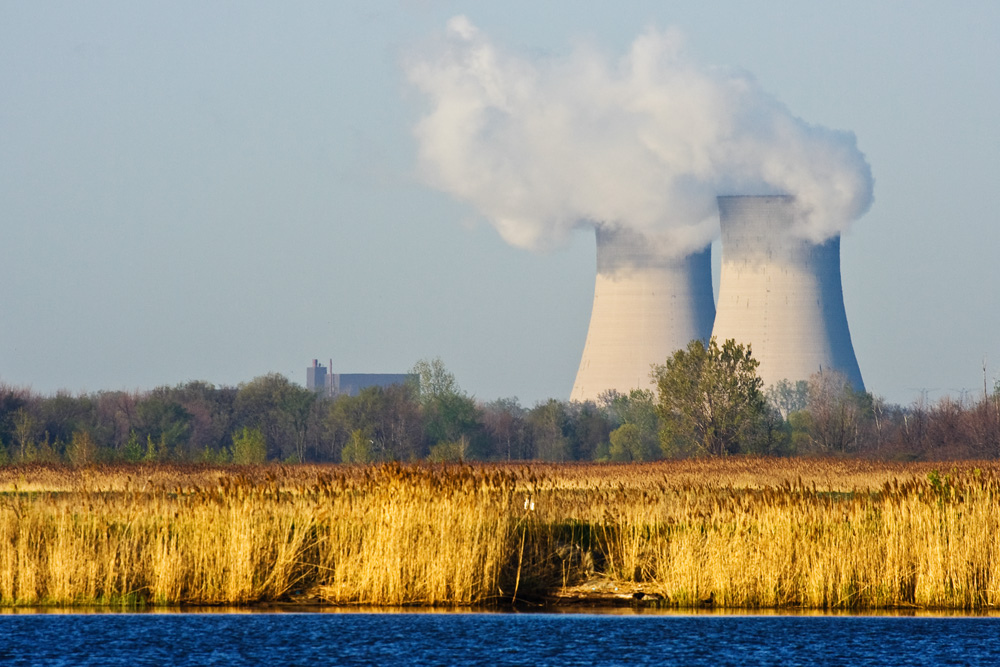
Three months is a long time to run a company without a permanent leader, especially one in the high-stakes business of AI-powered nuclear energy. Fermi has finally filled that void by promoting Lee McIntire from independent board member to CEO, a move that signals continuity rather than a dramatic pivot. The company fired co-founder Toby Neugebauer from the top post back in the fall, and the search since then has been quiet, which is often the case when a board is trying to figure out whether to fix the culture or fix the product. Bringing in someone who already knows the board's dynamics suggests Fermi wants stability, not a shakeup, and that is a reasonable bet for a firm that cannot afford to look distracted while the world watches the intersection of AI and energy.
This moment reminds me of the unease I felt when I spent time with my own interactive avatar, as I wrote in Talking to My AI Clone Taught Me to Question the Tech. The technology we build is only as trustworthy as the people steering it, and a leadership vacuum is the kind of thing that erodes confidence faster than any technical bug. McIntire is not a founder, not an AI researcher, and not a nuclear engineer. He is a board member with a mandate to steady the ship. That is fine, but it raises a practical question for anyone watching Fermi: what exactly is this company optimizing for? If the goal is to get a reactor design approved and deployed, then an experienced operator makes sense. If the goal is to keep pushing the boundaries of what AI can do for energy modeling, then the board just told you that management experience matters more than technical vision.
There is a useful parallel here with how we evaluate AI tools in everyday work. Just as you would not trust a spreadsheet model that cannot explain its assumptions, you should not trust a company that cannot explain its leadership changes. The related piece on Verifying Your AI's Understanding makes the point that we need simple checks to confirm an AI actually grasps a task before relying on it. Fermi's board just ran a version of that test on its own organization. They looked at the gap between the founder's vision and the company's execution, and they decided a change was necessary. Now they have chosen a leader who represents the opposite of a gamble. McIntire is the safe pick, and in a field where the difference between a safe pick and a visionary one can determine whether you light up a city or just a press release, that is worth watching.
For our readers, the takeaway is direct: leadership changes in deep-tech companies are rarely about the person and almost always about the product's timeline. If you are evaluating Fermi as a potential partner or employer, ask what McIntire's appointment means for the next twelve months. Is he there to cut costs, to push a specific regulatory pathway, or to prepare the company for acquisition? The answer will tell you more than any mission statement. A CEO who steps in after a founder's exit has one job: to reduce uncertainty. McIntire has the board's trust already, which is a head start. But trust only gets you so far when the clock is ticking on a nuclear timeline. We would tell any reader to watch how quickly Fermi moves from internal reorganization to external milestones. That is the real test of whether the new leadership is a fix or just a placeholder.