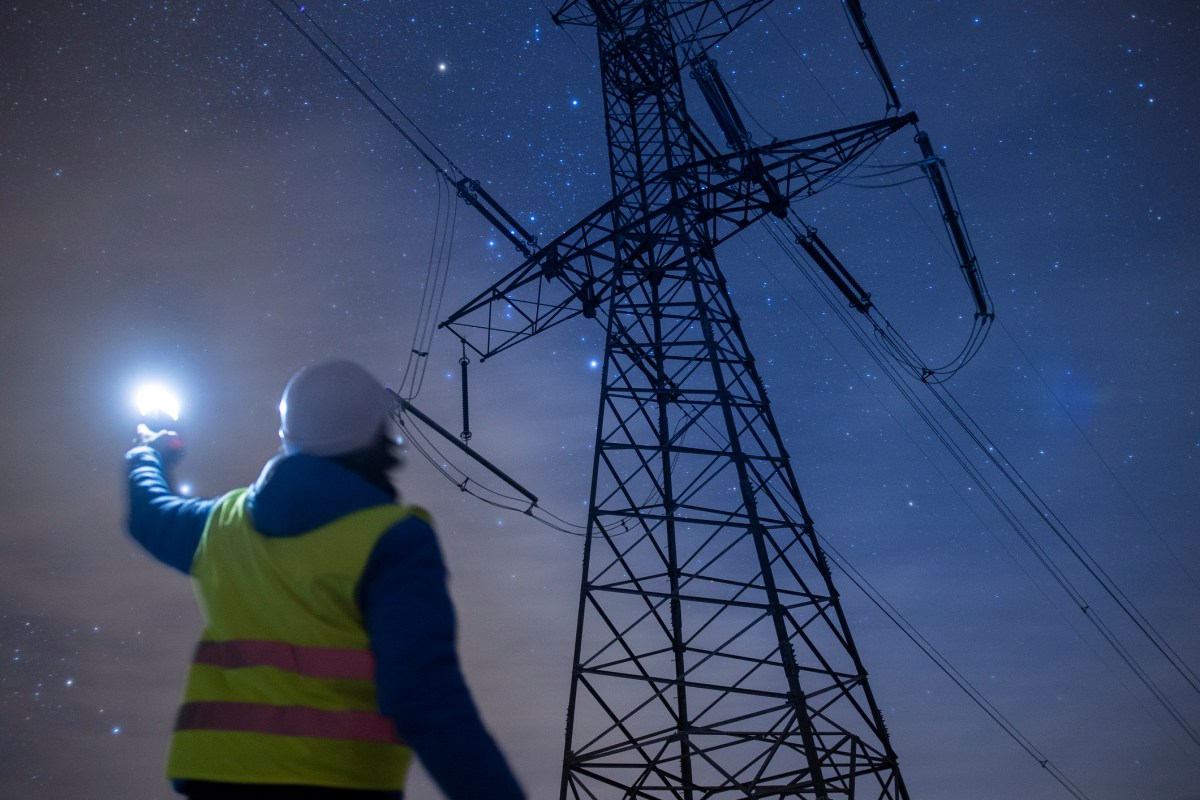
The coordinated power drops that have been disturbing grids worldwide are not the work of a sophisticated cyberattack or a rare natural phenomenon. A team of German researchers has traced the global disturbances to a single cause: the simultaneous charging of electric vehicle batteries. When thousands of EVs plug in at roughly the same time, often right after peak commuting hours, they create a massive, synchronized load that legacy grid infrastructure was never designed to handle. This finding reframes a persistent mystery as a predictable, solvable engineering problem, and it carries direct implications for anyone working with data-intensive systems.
For our readers who are building and scaling AI-native workflows, this story should land as both a cautionary tale and a practical signal. The grid's fragility mirrors a challenge you already face: the tension between isolated, uncoordinated actions and the need for shared, scalable systems. Just as individual EV owners charging their cars in isolation can destabilize a continent-wide grid, isolated AI agents or data processes running without coordination can create bottlenecks and failures that look like external attacks but are actually internal design flaws. This is precisely why the move from isolated agents to shared team workflows that actually scale is not just a productivity upgrade, it is a resilience strategy. The grid problem was solved by tracing a pattern back to its root; your data workflows deserve the same diagnostic rigor.
The researchers' discovery also forces a harder look at the physical infrastructure that powers our digital ambitions. Data centers, the engines behind modern AI, are already straining against grid limitations. The fact that some operators are now exploring retired jet engines to bridge the power gap tells you how acute the mismatch has become. If a fleet of EVs can pull the grid out of sync, what happens when a cluster of AI training runs decides to draw peak power simultaneously? The German team's work suggests that the answer is not simply more power, but smarter coordination, whether that means staggering charge times, distributing workloads across time zones, or designing systems that self-regulate their demand.
The specific takeaway here is direct: if you are building tools that depend on shared resources, electricity, compute, or data, you must treat coordination as a first-class design requirement, not an afterthought. The German researchers did not discover a new kind of threat; they discovered that the existing system had no mechanism to negotiate a common load. Your spreadsheets, your agents, and your pipelines are no different. Until you build in that negotiation layer, you are one synchronized spike away from a mystery of your own.