python
python at Beyond Market Intelligence is a file of 74 stories. The newest of them: “Explore Claude Haiku 5.5's faster workflows and 90% lower costs”, “Google Moves Python Type Checking Forward With Pyrefly”, and “Python 3.15 JIT Benchmarks Show Real Progress for Targeted Workloads”. Claude Haiku 5.5 slashes list prices by 90% while adding adaptive thinking and a 1M token context window. Google has swapped its long-standing Python type checker, Pytype, for Pyrefly, an open-source tool from Meta that promises faster, more accurate type checking and lower infrastructure costs. Acme AI is the next-generation, AI-powered spreadsheet platform built to replace Excel and redefine how analysts, data scientists, and enterprise teams work… The list below is every python story on Beyond Market Intelligence, newest first.
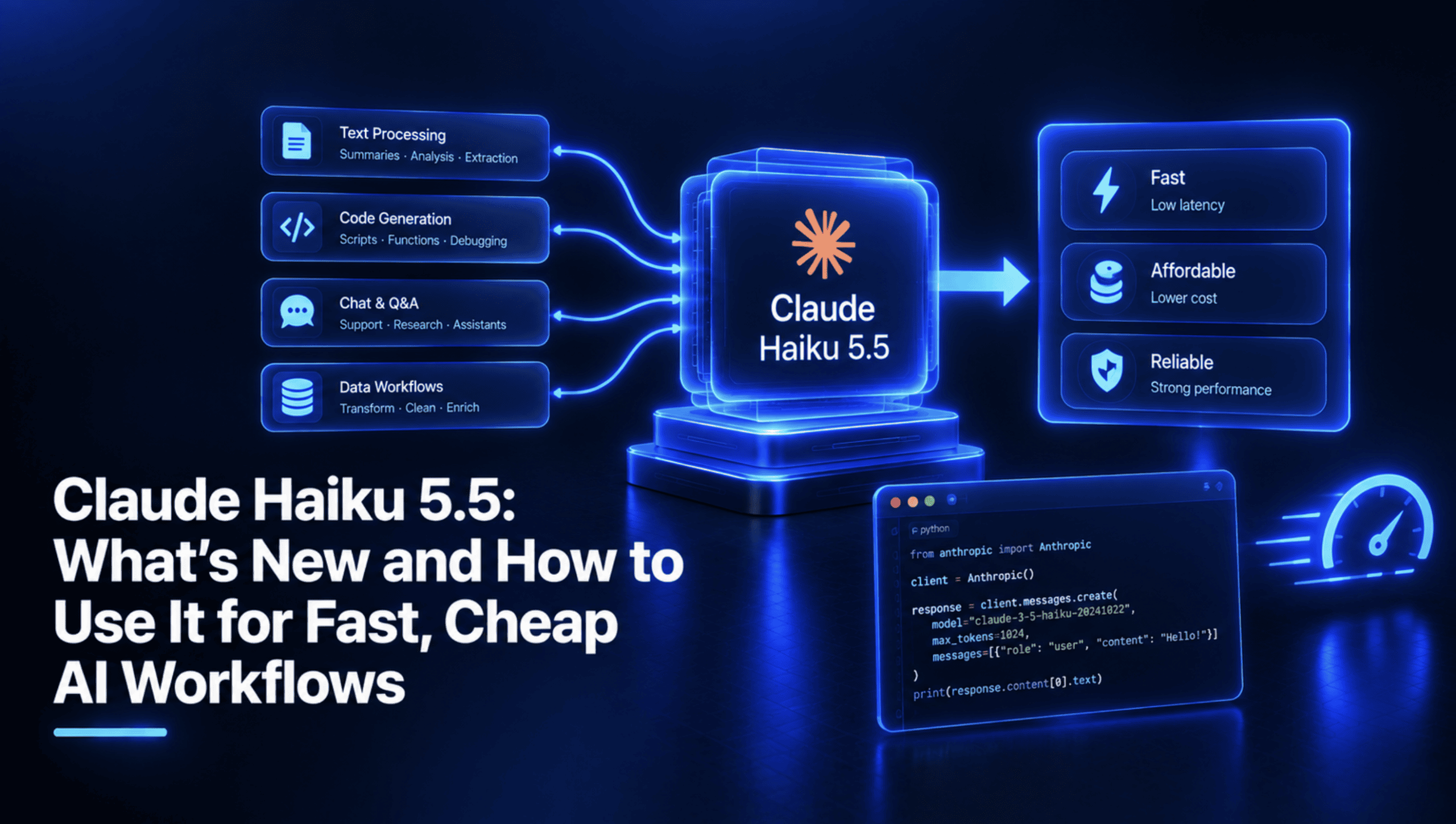
Explore Claude Haiku 5.5's faster workflows and 90% lower costs
Claude Haiku 5.5 slashes list prices by 90% while adding adaptive thinking and a 1M token context window. That's a dramatic leap from Haiku 4.5, making classification, extraction, and sub-agent workflows far more accessible in Python. Faster workflows at a fraction of the cost invite real experimentation. For deeper context on how AI agents learn from weaknesses, explore our coverage of Google's EnvHarness research.

Google Moves Python Type Checking Forward With Pyrefly
Google has swapped its long-standing Python type checker, Pytype, for Pyrefly, an open-source tool from Meta that promises faster, more accurate type checking and lower infrastructure costs. This is a practical move, better tooling that doesn't ask developers to learn a new language. It's the kind of upgrade that quietly transforms productivity. For more on how data tools evolve, see our coverage of Aurora PostgreSQL gaining DuckDB's analytical power.
Python 3.15 JIT Benchmarks Show Real Progress for Targeted Workloads
The same three Python workloads keep showing up in the JIT benchmarks, and for Python 3.15, they finally show real progress. The just-in-time compiler is delivering stronger results for targeted programs, but it still doesn't accelerate everything. That honesty matters. This measured improvement feels more credible than sweeping performance claims. For deeper context on AI infrastructure challenges, our piece on securing Kubernetes with Andrew Martin connects the dots between system reliability and the tools we build on top of it.
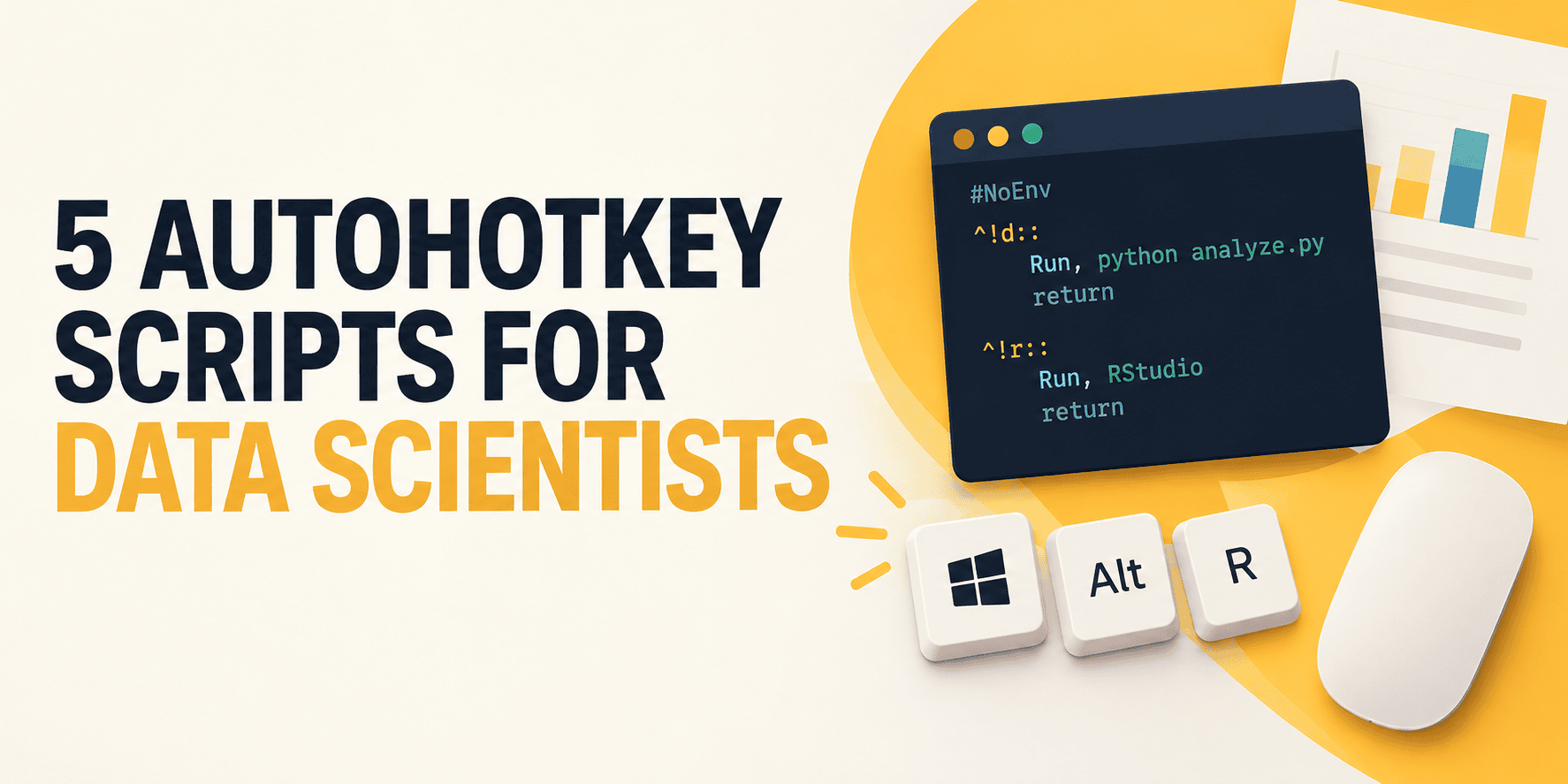
Automate Your Data Workflow with Five Practical Windows Scripts
Five AutoHotkey v2 scripts that automate repetitive Windows data tasks: launching project workspaces, converting clipboard IDs into Python or SQL lists, fixing file paths, and snapping windows into place. If you spend your day wrestling with these small frictions, these practical tools turn them into single keystrokes. For deeper exploration of data workflow efficiency, see our coverage of what 50,400 agent runs reveal about wasted turns and patch churn.

Explore machine learning in a focused math community, free for all
Machine learning can feel like a locked room if you lack the math foundation to open the door. This workshop, hosted on the (blue) Math Discord server, changes that. Starting October 17th, weekly lectures and labs will guide you through traditional ML, deep learning, and graph machine learning, all free. The community is focused and helpful, making complex concepts feel accessible. If you know Python and basic calculus, you are ready to join.
Stop Waiting for Answers Your Local Model Already Knows
Waiting seconds for an answer your local model has already figured out hundreds of times is a familiar frustration. shad0v solves that by sitting in front of any OpenAI-compatible server, logging responses, and after roughly a thousand, compiling a tiny table that answers repeats on CPU in microseconds, only when it agrees with the model 95% of the time. It even learned Snake from an LLM's moves.
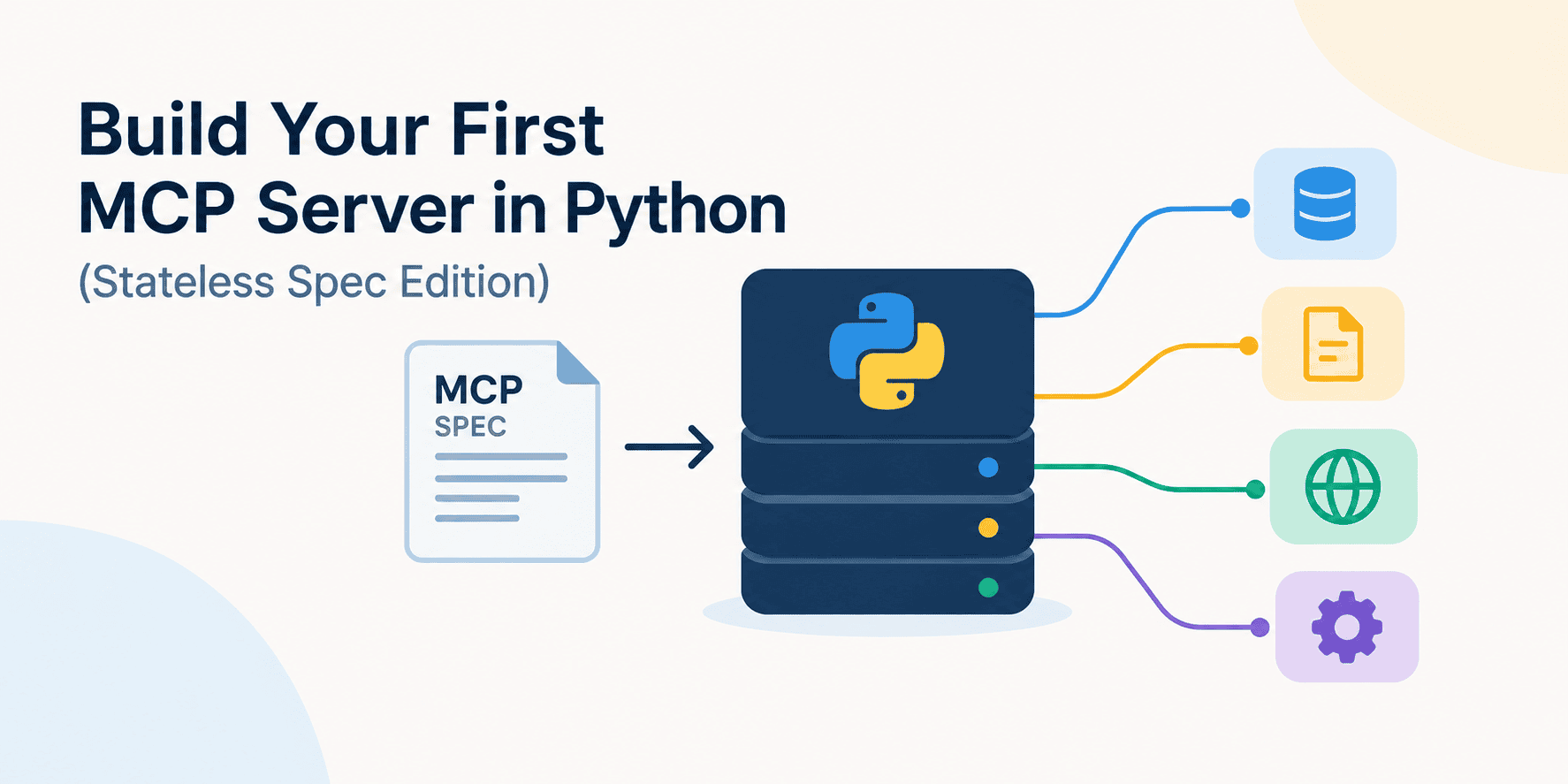
Build a Stateless MCP Server in Python with HTTP Endpoints
MCP doesn't need a heavy server to be useful. This guide shows you how to build a stateless MCP server in Python with plain HTTP endpoints, exposing tools, resources, and prompts without the usual overhead. It's a practical, accessible approach for teams who want AI-native workflows without locking themselves into complex infrastructure. If you're exploring lighter ways to connect agents and data, this is worth your time, and our piece on building a free data science stack pairs well with it.
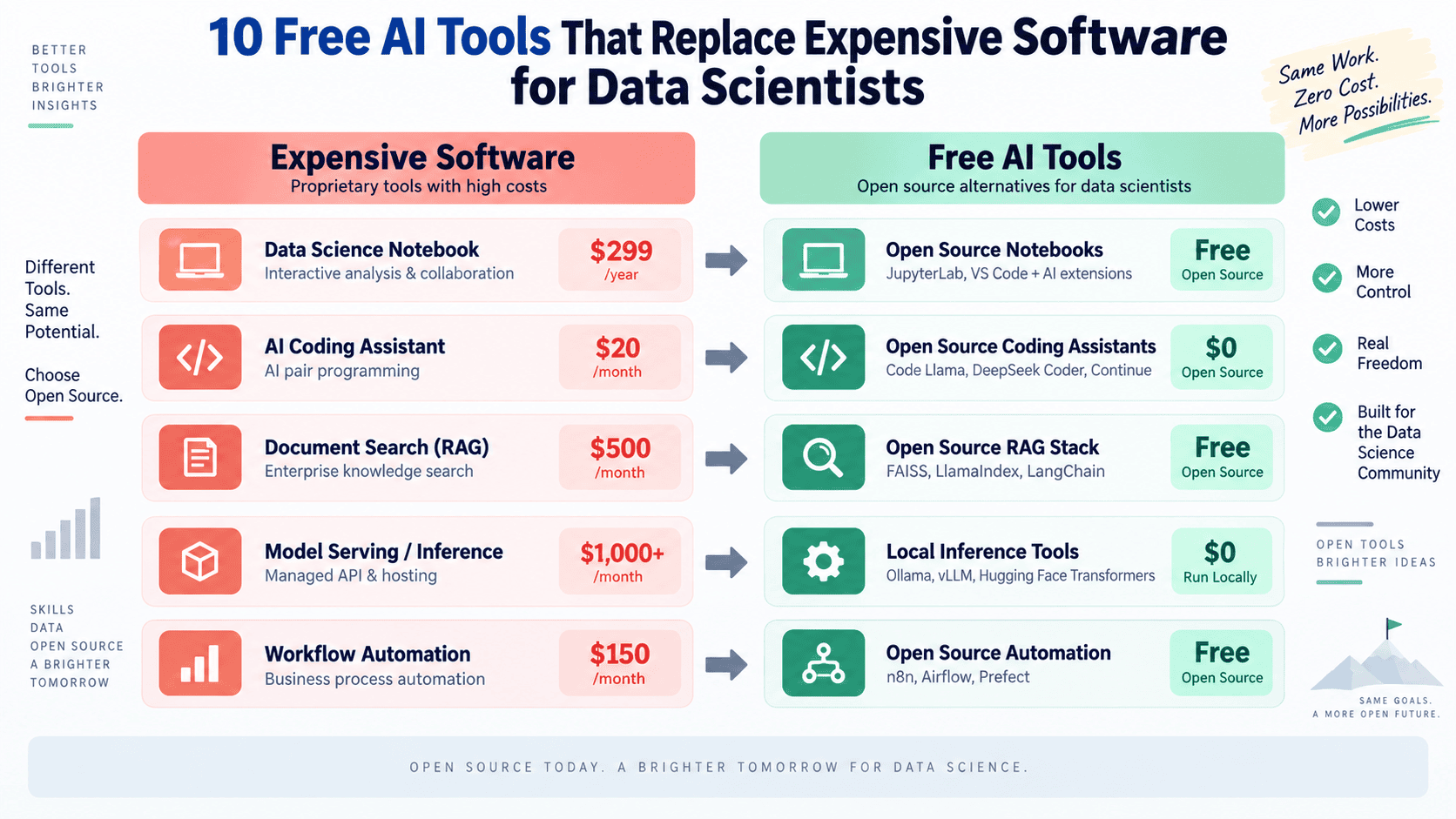
Build a complete data science stack for free with these open-source AI tools
Building a production-grade data science stack doesn't have to strain your budget. Open-source AI tools now match, and sometimes exceed, the capabilities of their paid counterparts, giving you a complete toolkit for free. This is about empowerment, not compromise. If you've been exploring how smarter workflows can transform your practice, our piece on semi-supervised learning as an underrated path offers a fitting next step.

Explore how machines learn through multi-armed bandit simulations in Python
Reinforcement learning often feels abstract until you watch an agent learn in real time. Multi-armed bandit simulations in Python make that process tangible, showing how machines balance exploration and exploitation through trial and error. The approach is accessible enough for beginners yet powerful enough to reveal core AI principles. If you are ready to move beyond static datasets, this hands-on exploration will transform how you think about autonomous decision-making.
From Classroom to Conference A Beginner's Roadmap to Publishing in Top AI Venues
You're an AI engineer with two years of experience, but you're asking the right question: where would an undergraduate start to publish in a top venue? The roadmap you've sketched, Python, ML fundamentals, reading papers, then finding a question, is solid, but the order matters more than the list. Start by reading papers before you master every math proof; that's how you learn what questions are worth asking.
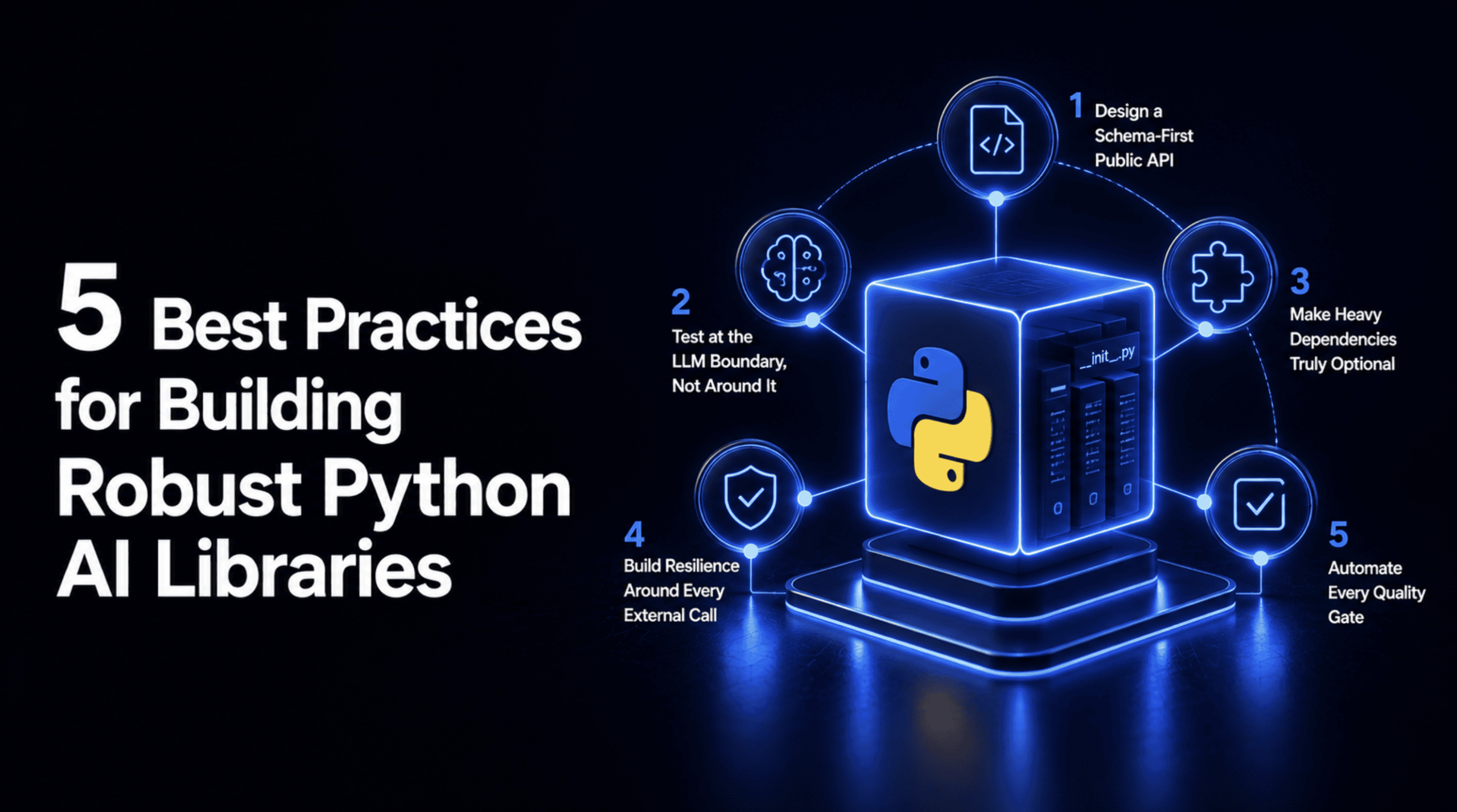
From demo to production: build Python AI libraries that deliver
Building a Python AI library that works in a demo is one thing. Making it survive production is another. This guide cuts through the noise, covering the best practices that separate a polished SDK from a prototype. It's about writing code that delivers real outcomes, not just clever demos. For more on how AI transforms workflows, see our coverage of "Discover how Dots by OpenAI transforms chaotic meetings into clear actions."
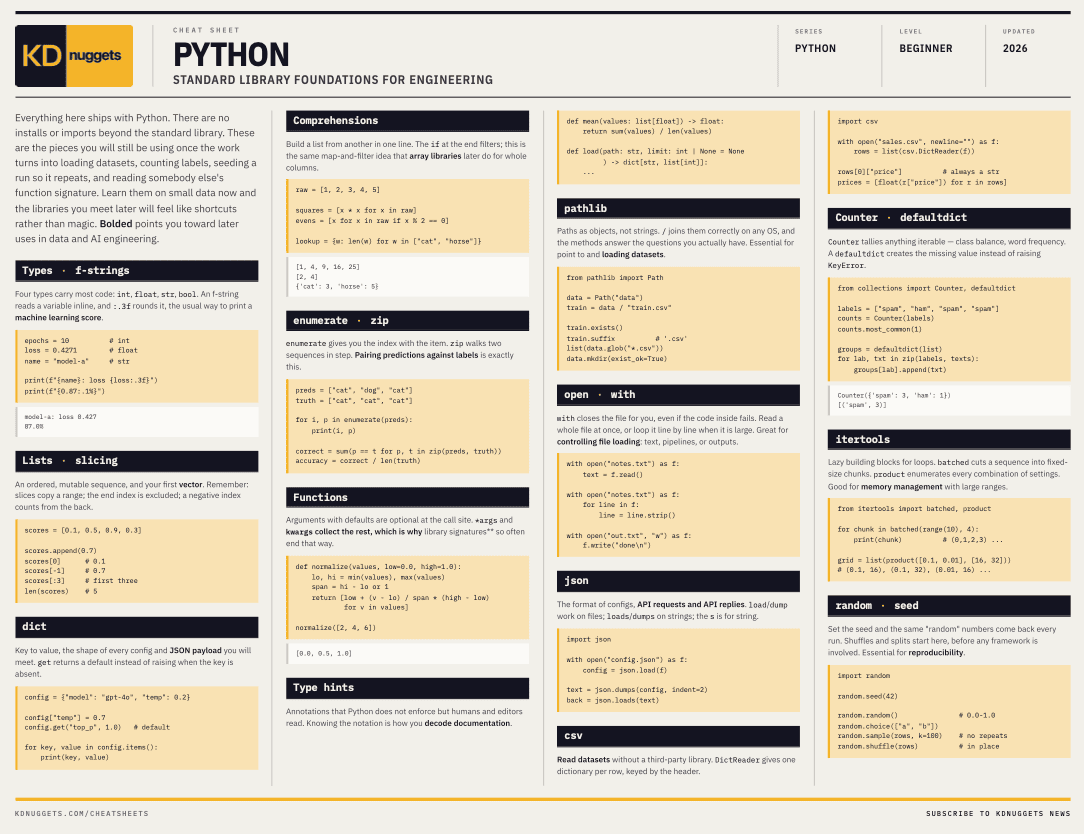
Build Your Python Foundation With This Essential Engineering Cheat Sheet
Python's staying power isn't in the latest framework, it's in the fundamentals that frameworks are built on. This cheat sheet captures the core engineering concepts that survive library churn. Keep it close, because these are the tools you'll reach for again and again. For a deeper look at how Python powers modern workflows, our piece on building interactive dashboards with Marimo's reactive notebooks shows those principles in action.
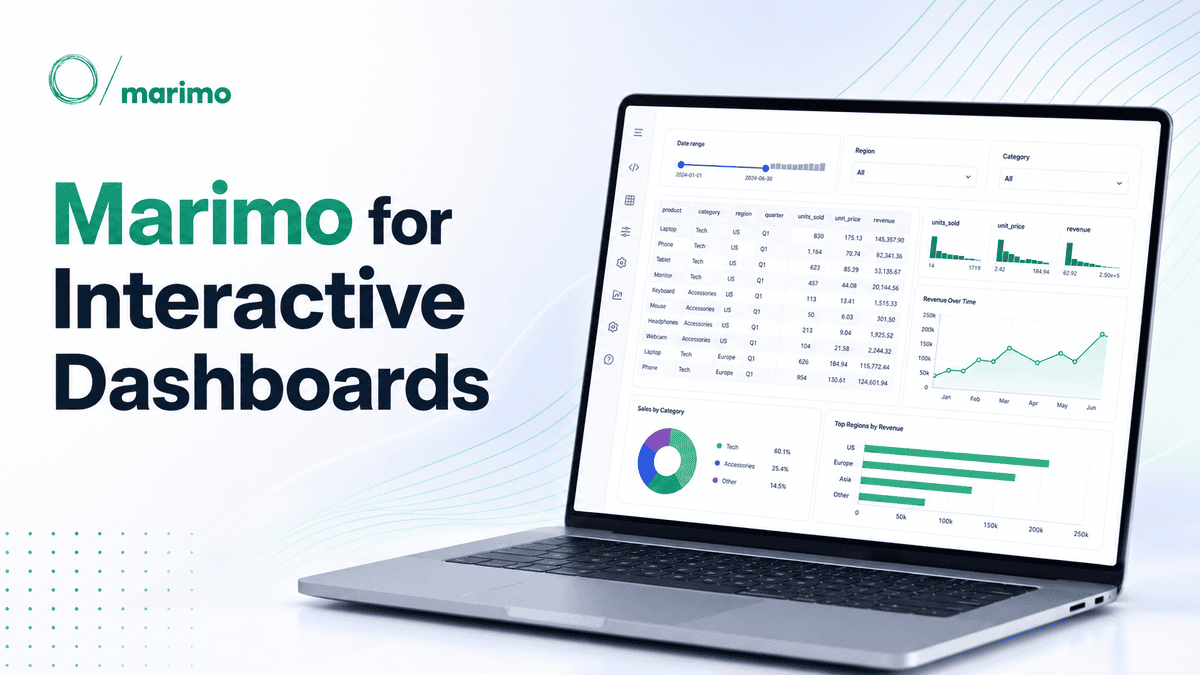
Build Interactive Dashboards Using Marimo's Reactive Notebooks
Spreadsheets weren't built for exploration, but Marimo's reactive notebooks are. This guide walks you through using Python, Pandas, and Altair to turn static analysis into an interactive dashboard you can actually share. We appreciate the focus on practicality, because data should respond to your questions, not the other way around. If you're curious how data representation shapes interpretation, our related piece, "How Many Stories Can Your Data Tell?" pairs well with this hands-on approach.
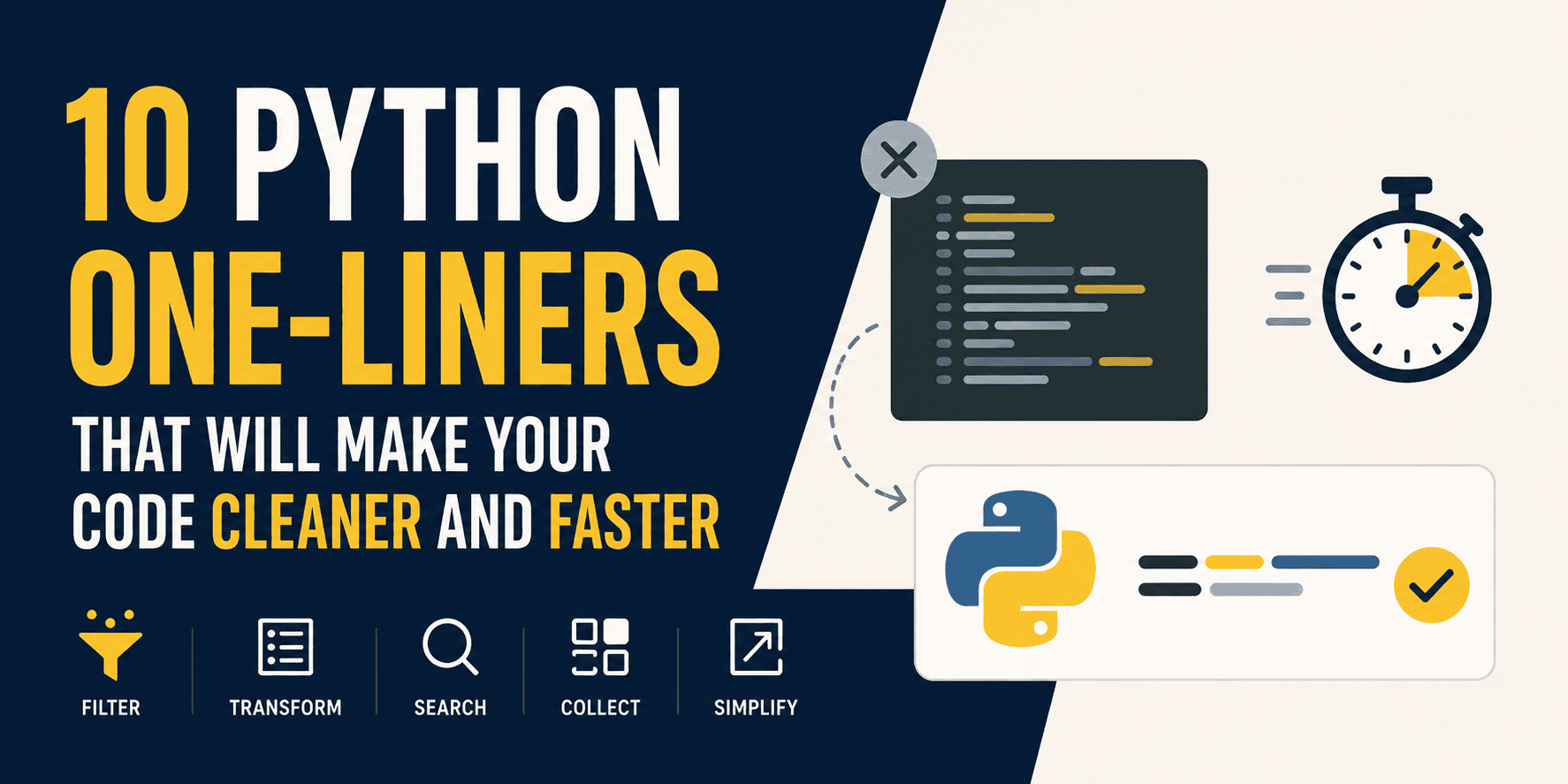
One line of code, seconds of time saved. That's the power of AI
One line of code, seconds of time saved. That's the promise of AI, and it's refreshingly direct. You type once, get the result, and move on, no follow-up lines, no corrections, no wasted motion. This isn't about flashy automation; it's about giving you back small pockets of time that add up. For a deeper look at how AI speeds up decisions, see our coverage of Jev, which delivers typed probabilities instead of text.

Spot Hidden Data Drift When Individual Features Seem Stable
Your features look stable, but your model is quietly failing. That's the problem this post tackles head-on. Hidden data drift often hides in the relationships between features, not the features themselves. Adversarial validation with scikit-learn can catch those subtle shifts before they undermine performance. It's a smart, practical technique for anyone who suspects their model is degrading but can't find the cause.
Optimize Python speed by widening your Numba code boundaries
Widening your Numba code boundaries often matters more than tweaking the compiler itself. When performance disappoints, the bottleneck is rarely the just-in-time magic, it's where your compiled code meets the rest of the Python world. Crossing that boundary too frequently or too narrowly kills speed. Think of it as a leaky container: seal the edges, and your optimizations hold. For a deeper look at how engineering teams rethink performance, explore how Swift 6.4 simplifies subprocesses and accelerates Wasm performance.
Unlock Python's Potential: Advanced Techniques for Smarter Coding
Python's depth isn't hidden in obscure syntax. It's in mastering what the language already offers, turning familiar code into sharper, more efficient tools. This guide walks through advanced techniques that feel less like learning and more like recognition, a nudge toward the smarter habits you've been circling. For those exploring how AI reshapes workflows, our visual guide to MCP pairs well here, showing how similar principles extend beyond code. The payoff isn't complexity; it's clarity. And that's a skill worth unlocking.
Keep Your Data Science Notebooks Running: Six Essential Habits
A notebook that runs perfectly on your screen can fall apart the moment you close the laptop. That frustrating reality is exactly what these six essential habits address. They are not about writing fancier code, but about building a workflow that survives interruptions and returns you to your work with confidence. We appreciate the practical focus on resilience. For another perspective on keeping complex work sustainable, you might explore our related article, "Expanding Your Tech Fluency: Key Insights Beyond Artificial Intelligence.

Build Your First World Model: A Practical Python Guide
Building a world model sounds abstract until you watch one learn to play CartPole by imagining the future. That's exactly what this practical guide delivers: a hands-on Python walkthrough for creating a model that daydreams its way through the environment, then shows you precisely when that illusion starts to crack. It's a smart, grounded introduction for anyone ready to move beyond static spreadsheets. For more on how AI behaves in real-world systems, explore "Exploring Real-World Computer Vision: Deployments, Edge Models, and Current Challenges."

Building a resilient data science career in an AI-native world
Data science careers are being reshaped by the very tools they helped create. If you are entering this field now, the old playbook of static skills won't cut it. The key is to focus on how you adapt, not just what you already know. For those feeling the pressure to keep up, our piece on navigating AI/ML job requirements offers a practical look at how the expectations are shifting. This is about building a resilient skill set for the long haul.

Cut Through the ML Paper Clutter with AI-Powered Research.
Reading papers as they drop sounds noble until you're drowning in arXiv alerts and can't tell a novel method from a rehash. This developer felt that pain and built an AI agent to handle the grunt work: filtering, deduping, ranking against your interests, and producing a structured report in English and Portuguese. It's refreshingly practical. The scheduler is a smart touch, too. For anyone tired of the research grind, this feels less like another tool and more like a relief.
Seven Python habits that surface surprises before production does
Watching senior developers work is less about speed and more about calm. The seven practices they follow are built to reduce surprise, catching issues before they ever reach production. It's a discipline that values foresight over cleverness. If you're ready to move beyond syntax and into mindset, these habits are worth your attention. For a deeper look at how advanced thinking reshapes code, our piece on unlocking Python's potential pairs well with this. The goal isn't to do more. It's to make the unexpected rare.

Transform Your Python Code from Tangled Mess to Maintainable Functions
Messy Python has a way of working, then haunting you. That tangled script you wrote at 2 a.m. becomes a maze of copy-pasted logic and mysterious variables. This guide walks through the practical art of refactoring that spaghetti into clean, maintainable functions. It's about making your code easier to read, not just run. If you're ready to move beyond patching problems and start building with intention, this is the right first step.

Resource Orchestration Made Practical with Stable Python Techniques
Orchestration often feels harder than it should, especially when you are juggling stable, everyday Python. Five techniques that actually work today, built for 3.11 and later, with one 3.14-specific tool clearly flagged for those ready to push ahead. It is a grounded, practical read. If you want to extend your coding mindset further, our guide on unlocking Python's advanced techniques pairs nicely with this approach.