I Asked ChatGPT to Analyze 3 Datasets. It Made the Same Mistakes Every Time
Our take
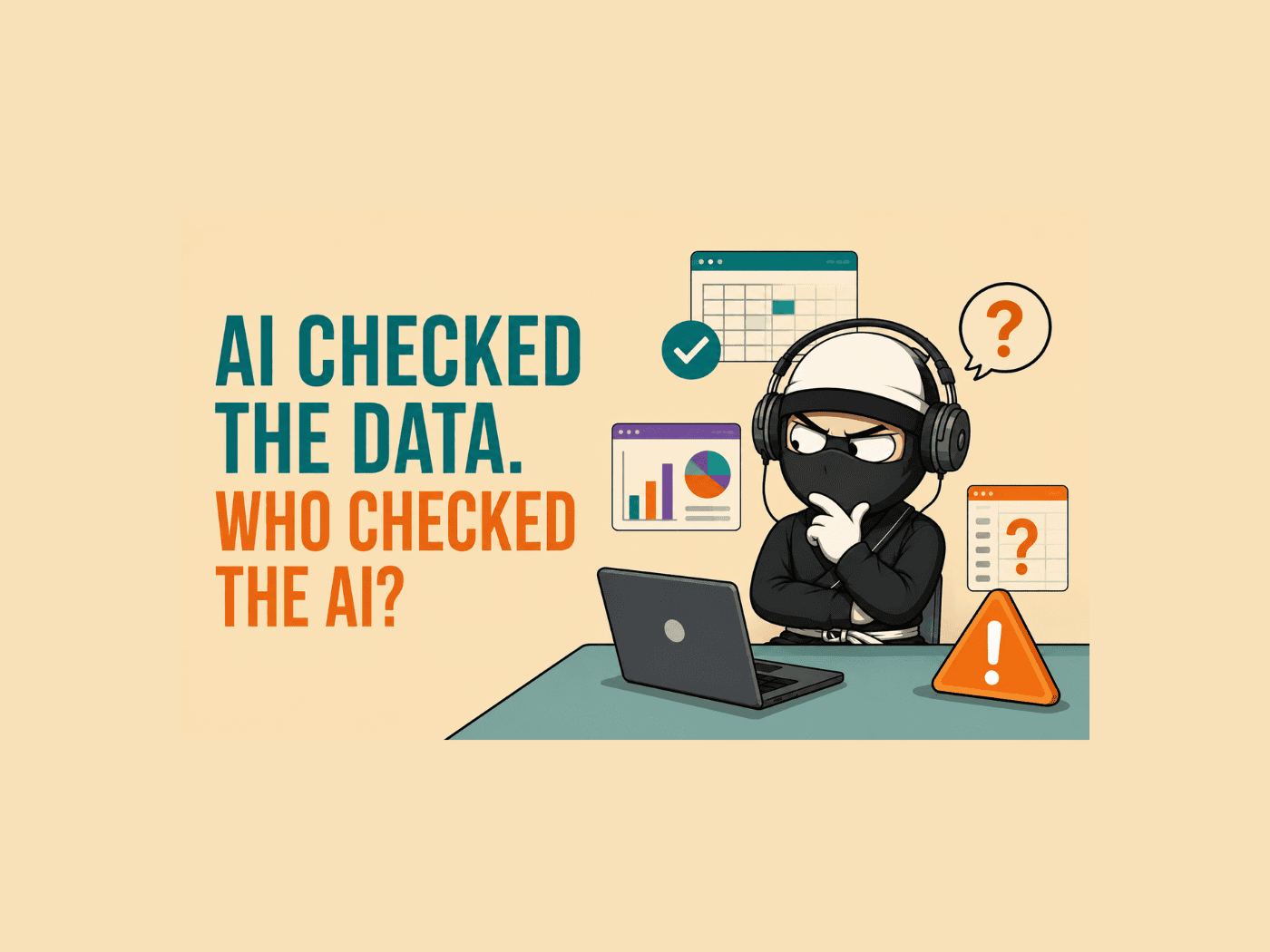
The recent article highlighting ChatGPT’s persistent errors in dataset analysis, specifically noting a corrected row count and the initial acceptance of flawed conclusions, serves as a crucial reminder of the limitations inherent in even the most advanced AI models. It’s a compelling illustration of what we’ve long explored—that simply having access to data doesn't automatically translate to meaningful insight. As we discussed in What We Miss About Missing Values, the assumptions baked into datasets, and the potential for overlooking crucial context, can easily lead to misinterpretations, regardless of the analytical tool employed. The fact that an AI, lauded for its capabilities, made these mistakes underscores the need for continued human oversight and a deeper understanding of the data itself.
This isn't to dismiss the potential of AI in data analysis—far from it. Tools like ChatGPT can significantly accelerate the initial exploration and identification of patterns. However, the error highlighted in the article demonstrates that AI should be viewed as an assistant, not a replacement, for skilled data analysts. It echoes the core message of our piece Quantifying User Behavior Patterns to Build Better Predictive Features, which emphasizes that raw data points, even when accurately processed, often lack the contextual richness necessary for drawing valid conclusions. The issue isn't necessarily the AI’s ability to process numbers, but rather its inability to truly *understand* the underlying phenomenon being represented by those numbers. A simple row count error, followed by the acceptance of incorrect insights, reveals a critical gap between algorithmic processing and genuine data comprehension. Furthermore, considering the complexities inherent in specialized domains, as explored in [Where can I find legally usable datasets for advanced audio chord recognition? [D]]( /post/where-can-i-find-legally-usable-datasets-for-advanced-audio-cmtkekptn01obrged1rdwq7nw), relying solely on AI to analyze nuanced data without expert validation is particularly risky.
The broader significance of this development lies in its impact on the adoption of AI-powered data tools. While enthusiasm for these tools remains high, this incident serves as a valuable cautionary tale. Organizations are increasingly looking to leverage AI to streamline data analysis and gain competitive advantages. However, blindly trusting AI-generated insights without rigorous validation can lead to flawed decision-making and potentially detrimental consequences. It reinforces the importance of investing in human expertise and fostering a culture of critical evaluation, even when utilizing sophisticated AI tools. The focus should shift from simply automating the analysis process to augmenting human capabilities, ensuring that AI serves as a powerful partner rather than a sole decision-maker. The conversation needs to move beyond the hype of “AI-driven insights” and focus on building robust, human-in-the-loop systems that leverage AI’s strengths while mitigating its weaknesses.
Looking ahead, the challenge will be developing AI models that are not only proficient at pattern recognition but also capable of reasoning about the data they are analyzing. This requires incorporating elements of causal inference, domain knowledge, and even common sense reasoning – areas where current AI technology still lags significantly. The ability to identify and flag potential biases, inconsistencies, and limitations within a dataset will be crucial for building trustworthy AI-powered data analysis systems. The persistent errors highlighted in this article are a signal, not a failure. They represent an opportunity to refine our approach to AI integration, emphasizing human oversight, data literacy, and a deeper understanding of the inherent complexities of data itself. The question now becomes: how can we design AI systems that actively *prompt* us to question their conclusions, rather than simply presenting them as definitive truths?
Read on the original site
Open the publisher's page for the full experience