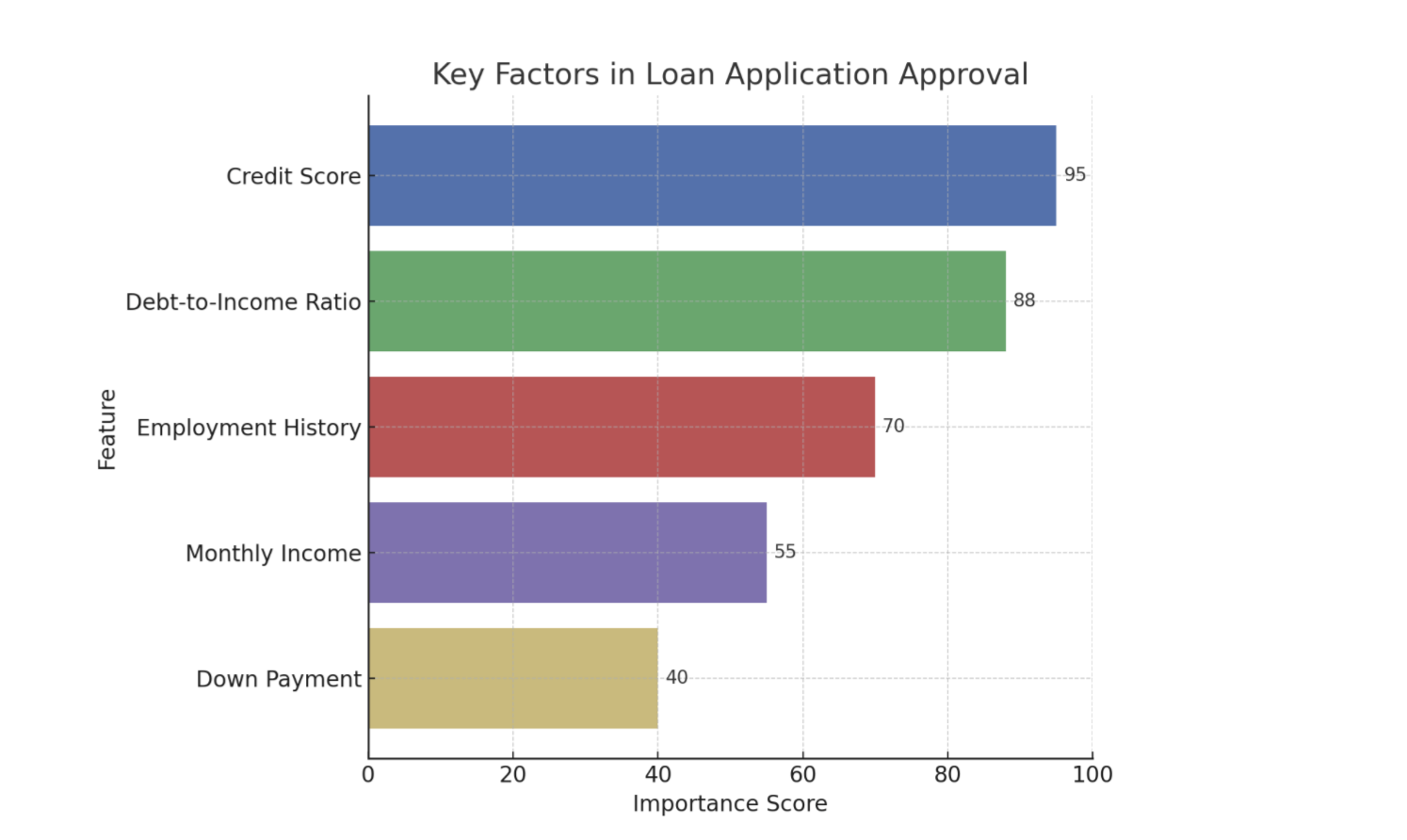
Explainable AI is a design problem before it is a technical one, and treating it as anything less is a failure of product thinking. Victor Yocco's work makes this clear: if users cannot understand why an AI arrived at a decision, they will not trust it, and without trust, adoption stalls. The mortgage example in his excerpt is a perfect demonstration. When an AI denies a loan, the user doesn't need a probability score or a feature importance chart. They need a clear, human-readable reason that respects their situation and gives them a path forward. That is a design challenge, not a code challenge.
For anyone building AI-powered tools today, this reframes the entire development process. You cannot bolt explainability onto a finished model and call it done. It must be woven into the user experience from the first sketch. That means asking questions like: what does the user need to know at this moment? How do we present the AI's reasoning without overwhelming them? What language and visual cues signal that the system is working with them, not against them? Yocco's design patterns give practitioners a starting point, but the deeper lesson is that clarity is a feature, not an afterthought. If your product cannot answer "why" in plain terms, it will never earn the trust that adoption requires.
This is also where the industry often gets it wrong. Too many teams focus on making the AI more powerful, assuming that accuracy alone will win users over. It won't. A model that is 99% accurate but completely opaque will still leave users feeling uneasy when that 1% error affects them. The real measure of a trustworthy AI product is not its precision on a test set, but its ability to communicate its reasoning in a way that feels honest and helpful. That is a human-centered metric, and it belongs in every product roadmap.
The takeaway is concrete: start designing explainability into your product today, not after a user has a bad experience. Map the moments where trust is most fragile, when the AI says no, when it recommends something unexpected, when it makes a mistake, and prototype how you will explain those outcomes. Yocco's patterns are a practical guide, but the principle is simple: clarity builds trust, and trust is the only foundation that lasts.