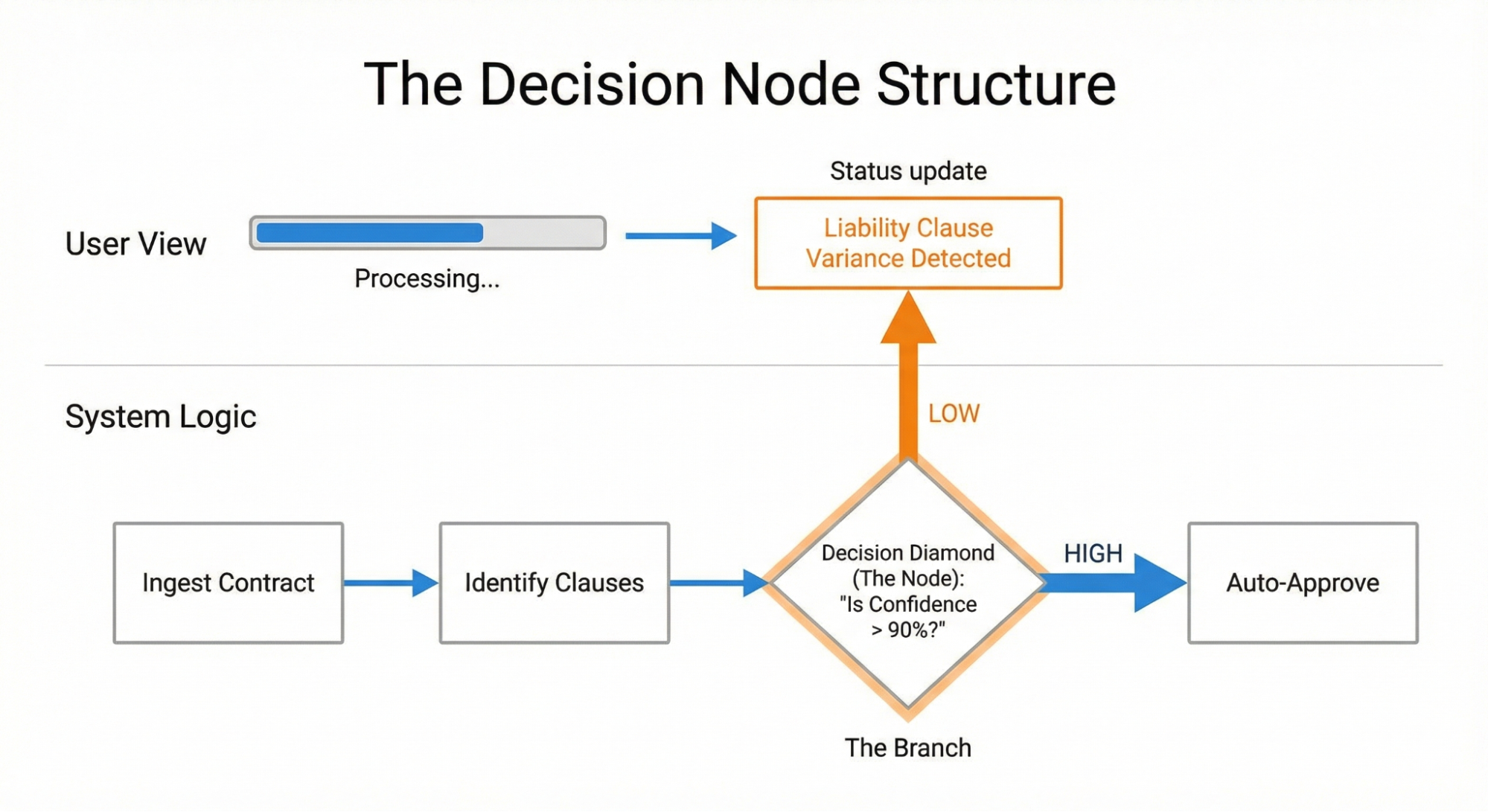
Trust demands more than good intentions. It demands the right transparency at the right moment, and that is a design problem, not a moral one. Victor Yocco's framing of the choice between the black box and the data dump should resonate with anyone who has ever watched an agent work and wondered what it was actually doing. The black box keeps the user comfortable until the moment it fails, and then the comfort evaporates. The data dump overwhelms with raw activity, burying the one insight that matters under a stream of noise. Neither builds trust, because both ask the user to make a leap of faith at the exact moment they need clarity.
The practical takeaway is straightforward: transparency is not a volume setting. It is a timing mechanism. When an agent is executing a well-worn routine, the user does not need a play-by-play. They need a signal that things are on track, and then they need to be left alone. But when the agent hits a decision point, a judgment call with real consequences, that is the moment the interface must speak up. It should say what it is about to do, why it is about to do it, and what it needs from the user. That is not a technical feature. It is a conversational contract.
Yocco's point about mapping decision points is the piece that matters most. You cannot design for trust by accident. You have to look at the workflow, find the junctures where the agent's action could go wrong, and build a checkpoint there. That requires a different kind of design thinking, one that starts with the user's anxiety rather than the system's capabilities. The question is not "What can we show?" but "What does the user need to know right now to feel safe proceeding?" The answer changes at every step. A compliance check before a financial transaction is high-stakes. A background refresh of a cache is not. Treat them the same and you either create unnecessary friction or miss the moment that matters.
The path forward is not a dashboard with more metrics. It is a series of well-placed, well-worded interventions. Each one should confirm the agent's competence without demanding the user's blind faith. Each one should offer a peek under the hood only when the engine might stall. That is how you earn trust: not by showing everything, and not by hiding everything, but by showing the right thing at the moment it counts. Design for that moment, and the trust will follow. Miss it, and no amount of logging will save you.