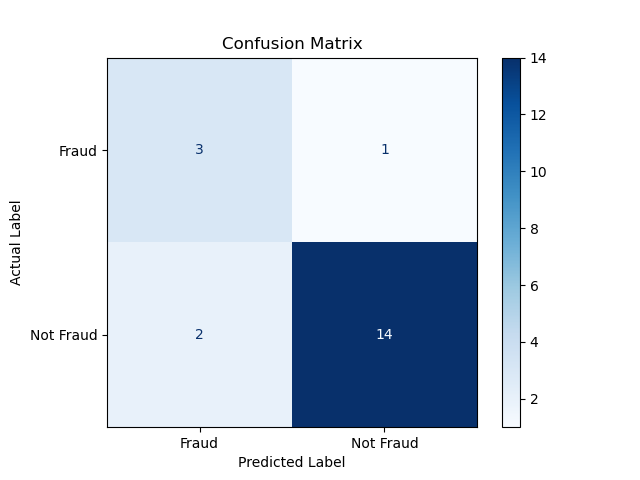
A single accuracy score is a seductive lie, and too many teams are still falling for it. The confusion matrix, by contrast, is the unglamorous truth-teller that separates real progress from statistical theater. In the fraud detection example above, a 98% accuracy rate sounds like a win until you realize the model is just nodding along and approving every transaction. That is not a model; that is a liability wearing a metric as a disguise.
What this means for you is straightforward: if you are not reading the confusion matrix, you are flying blind. The matrix breaks down your model's output into four plain-English categories: true positives, true negatives, false positives, and false negatives. In the fraud scenario, the model's high accuracy is hiding a catastrophic number of false negatives, the fraudulent cases it never flags. Those are the ones that cost real money, erode customer trust, and eventually get someone fired. Accuracy alone cannot show you that. The matrix can, and it takes about thirty seconds to interpret once you know what to look for.
The practical shift here is not about becoming a machine learning purist. It is about asking a better question than "How accurate is it?" Instead, ask "When it is wrong, how is it wrong?" That single pivot changes how you evaluate every model you build. It forces you to weigh the cost of a missed fraud case against the annoyance of a false alert. It turns a vague sense of confidence into a concrete map of your model's blind spots. For anyone who has ever had to justify a model's value to stakeholders, that is the difference between defending a number and explaining a decision.
So stop letting a single percentage point do all the heavy lifting. Open the confusion matrix, look at the cells where the model is failing, and decide if those failures are acceptable for your use case. If they are not, you now know exactly where to focus your next round of tuning. If they are, you have earned the right to call your model good, not just accurate. That is the point where you move from hoping your model works to knowing what it actually gets right.