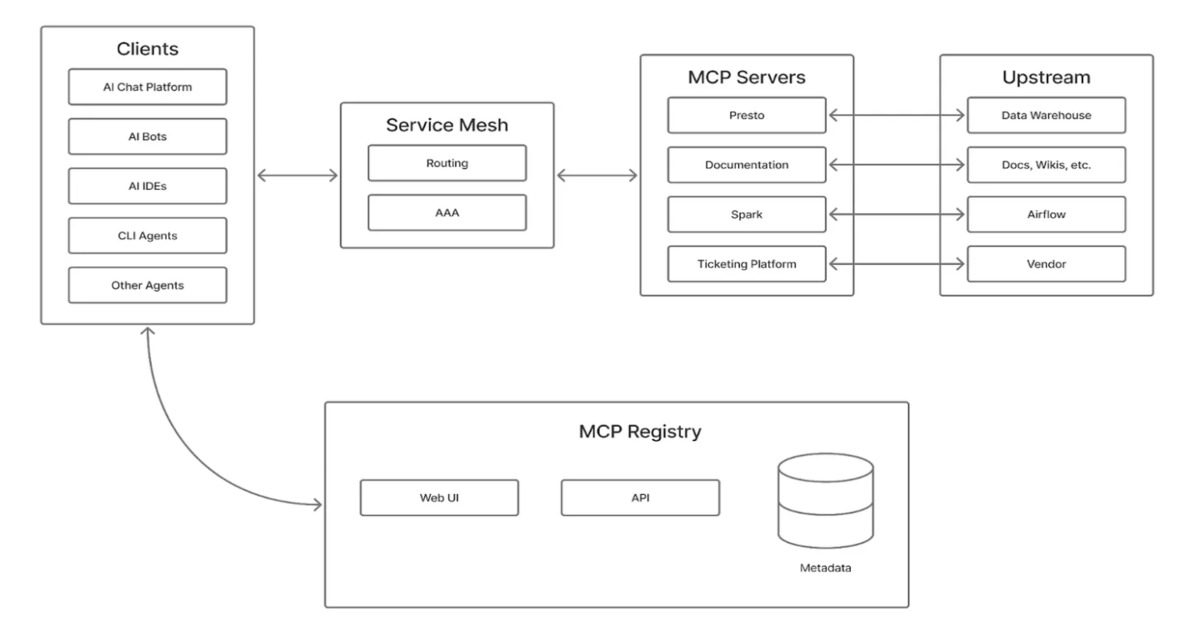
Pinterest's MCP ecosystem is the rare example of an AI infrastructure story that deserves serious attention, not because it is flashy, but because it is practical. By deploying domain-specific MCP servers alongside a central registry and human-in-the-loop approvals, Pinterest has turned a promising protocol into a working system that saves thousands of hours monthly. For engineering leaders, this is not a curiosity; it is a blueprint for how to scale AI agents without losing control.
The practical takeaway is straightforward: governance is not the enemy of automation. Pinterest's approach shows that you can give AI agents meaningful access to internal tools while keeping a human in the loop for decisions that matter. That balance is what makes the difference between a pilot project and a production workflow. If you have been hesitant to let agents touch your codebase or your CI/CD pipeline, this is the model that should change your mind. It addresses the two biggest fears we hear from teams: security and accountability. A central registry means you know what exists, who is using it, and what it can do. Human approval on critical actions means you are not handing over the keys to the kingdom.
What stands out is the emphasis on domain-specific servers rather than a single monolithic agent. This is a mature design choice. It acknowledges that no single AI system can master every internal tool, but a set of focused servers, each trained or configured for a specific function, can work together effectively. For developers, this means less friction when onboarding new tools and a clearer path to automating repetitive tasks. It also signals that MCP is not just a research experiment; it is becoming the connective tissue for real engineering organizations. If you are evaluating whether to invest in MCP, Pinterest's deployment is evidence that the protocol has moved beyond the hype cycle.
The human-in-the-loop component deserves special emphasis. In a field where the default assumption is often full autonomy, Pinterest's choice to keep humans in the approval loop is both pragmatic and reassuring. It does not slow things down; it builds trust. That trust is what will allow your team to expand AI usage over time, because people know there is a safety net. So, the concrete question for you is not whether to adopt MCP, but how quickly you can identify the first three domain-specific servers your team can deploy with confidence. Start there, measure the hours saved, and let the results speak for themselves.