Presentation: Context Engineering at LinkedIn: How We Built an Organizational Context Layer for AI Agents with MCP
Our take
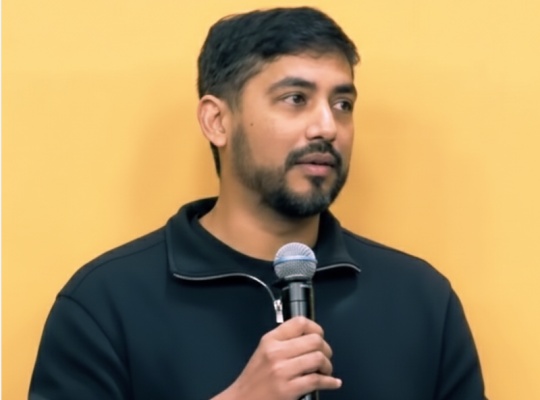
LinkedIn’s approach to integrating AI agents into their development workflow, as detailed by Ajay Prakash, represents a significant step beyond the current hype cycle surrounding coding assistants. The challenges of deploying AI within large, complex codebases are well-documented; simply throwing agents at the problem often results in unpredictable behavior and reliability issues. Prakash’s work on Contextual Agent Playbooks and Tools, built upon the Model Context Protocol (MCP), addresses this head-on, providing a structured framework for delivering procedural memory, code search, and runbooks directly to agents. This resonates with recent explorations of AI agent limitations, as highlighted in articles like Coding Agents Keep Shipping Silent Failures — Here Is How to Catch Them which emphasizes the need for robust verification methods, and Multi-Agent Coding Isn’t Enough — Agents Need a Commitment Layer, which points to communication and commitment as key bottlenecks. LinkedIn's solution doesn't just focus on agent interaction; it’s about architecting a system that provides the necessary context for agents to operate effectively and safely.
The key innovation here is the MCP, acting as a centralized “organizational context layer.” This isn't merely about providing access to documentation; it’s about structuring and delivering the specific, procedural knowledge agents need to navigate LinkedIn’s vast codebase. The 20% productivity boost achieved with zero loss in reliability is a compelling testament to the effectiveness of this approach. It demonstrates that AI-powered assistance, when grounded in a well-defined context and governed by operational guardrails, can genuinely improve developer efficiency without compromising stability. The focus on reliability is particularly noteworthy; many organizations are rushing to adopt AI tools without fully considering the potential risks to their systems, but LinkedIn’s deliberate focus on maintaining reliability suggests a more pragmatic and sustainable approach. The architecture itself—providing specialized playbooks and tools—is a clever way to manage complexity and prevent agents from wandering into areas where they lack sufficient context or authorization.
Beyond the specifics of LinkedIn’s implementation, Prakash’s work highlights a broader shift in how we should think about AI agents in enterprise environments. The initial wave of enthusiasm often centered on replacing developers entirely, but the reality is far more nuanced. The most promising applications of AI lie in augmenting human capabilities, freeing developers from repetitive tasks, and providing them with the information they need to make better decisions. This aligns with the growing recognition that AI agents aren’t autonomous entities, but rather tools that require careful orchestration and oversight. The success of the MCP hinges not just on its technical capabilities, but also on the operational guardrails that ensure it is used responsibly and effectively. It moves the conversation away from “can we use AI?” to “how can we use AI *effectively* and *safely*?”.
Looking ahead, the concept of a standardized "context layer" for AI agents—akin to LinkedIn's MCP—could become increasingly important. As AI models continue to evolve and become more sophisticated, the need for structured contextual information will only grow. The challenge will be developing protocols and architectures that are both flexible enough to accommodate diverse use cases and robust enough to ensure reliability and security. Will we see the emergence of open-source context protocols, or will proprietary solutions like MCP become the norm? And perhaps more fundamentally, how will organizations adapt their internal knowledge management practices to support this new paradigm of AI-powered development? The answers to these questions will shape the future of software engineering.
Ajay Prakash discusses how LinkedIn overcomes AI agent limitations in large codebases. He explains Contextual Agent Playbooks and Tools - built on Model Context Protocol (MCP) - which serves procedural memory, code search, and runbooks directly to coding agents. Prakash shares architectural details and operational guardrails that deliver a 20% productivity boost with zero loss in reliability.
By Ajay PrakashRead on the original site
Open the publisher's page for the full experience