The Power BI Developer's Survival Guide to Microsoft Fabric
Our take
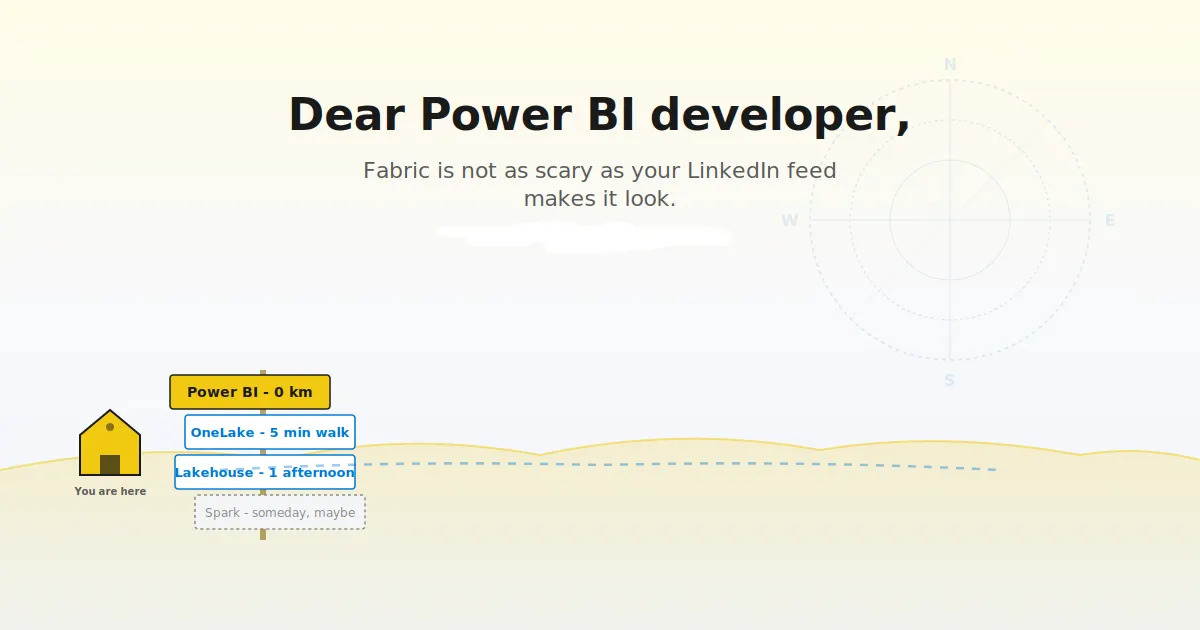
The shift from Power BI Premium to Microsoft Fabric is generating understandable anxiety within the data community, and the recent Towards Data Science piece, The Power BI Developer's Survival Guide to Microsoft Fabric, provides a welcome dose of grounded perspective. It’s a necessary read for anyone currently leveraging Power BI Premium, clarifying what’s changing, what’s remaining, and, crucially, how to navigate this transition without unnecessary stress. The move itself represents more than just a name change; it's a fundamental restructuring of Microsoft’s analytics offerings, consolidating various services—Power BI, Synapse Analytics, Data Factory, and more—under a unified platform. This unified approach promises increased efficiency and integration, but naturally requires developers to adapt their workflows and potentially re-evaluate their existing architectures. This echoes the broader trend of consolidating data platforms, something we’ve been observing as organizations strive for greater data governance and streamlined operations – a sentiment explored in our own piece on How to Solve the Right Problem in the Age of Agentic AI, where defining clear problem statements becomes even more critical within complex, integrated environments.
The article rightly emphasizes that not everything is changing drastically. Existing Power BI reports and dashboards, for instance, will continue to function, mitigating some of the initial disruption. However, the deeper integration of Fabric’s capabilities—particularly its data engineering and data warehousing components—presents a significant opportunity. Developers can now leverage a more comprehensive suite of tools for data ingestion, transformation, and analysis, all within a single environment. This convergence encourages a more holistic approach to data management, moving beyond the traditional siloed nature of business intelligence. Furthermore, the ongoing advancements in AI-powered coding assistance, as highlighted in Copilot Code Review Reaches Azure Repos, Billed Per Review with Reporting Two Days Behind, will undoubtedly accelerate the learning curve and streamline the development process within this new ecosystem. The ability to rapidly review and refine code, particularly within a complex platform like Fabric, is a valuable asset for developers adapting to the changes.
The broader significance of Microsoft Fabric extends beyond individual developer workflows. It signifies a strategic shift towards a more integrated, data-centric cloud platform, positioning Microsoft to compete more effectively with other unified analytics providers. The consolidation of services reduces complexity for end-users, offering a more streamlined experience for accessing and interacting with data. While the transition may require some initial investment in learning and adaptation, the long-term benefits of a unified platform—improved collaboration, enhanced data governance, and increased agility—are likely to outweigh the short-term challenges. This move underscores the increasing importance of embracing cloud-native architectures and adopting a more holistic view of data management, recognizing that data isn’t confined to a single tool or application. The emphasis on integrated data pipelines and analytics capabilities reflects a maturing understanding of how organizations can truly unlock the value of their data.
Looking ahead, the success of Microsoft Fabric will depend on its ability to seamlessly integrate these diverse components and deliver on its promise of a simplified, unified analytics experience. A critical question will be how effectively Microsoft can empower developers to leverage the full potential of the platform, particularly in areas such as data engineering and advanced analytics. The ease of migrating existing workloads and the availability of robust training resources will be key factors in driving adoption and ensuring a smooth transition for the data community. Ultimately, Fabric’s evolution will shape the future of business intelligence and data analytics, and it’s a space worth watching closely.
Power BI Premium is gone. Microsoft Fabric took its place. Here's what actually changed for you, what didn't, and where to start — without the panic.
The post The Power BI Developer's Survival Guide to Microsoft Fabric appeared first on Towards Data Science.
Read on the original site
Open the publisher's page for the full experience