Your AI Adoption Lift Is a Selection Effect
Our take
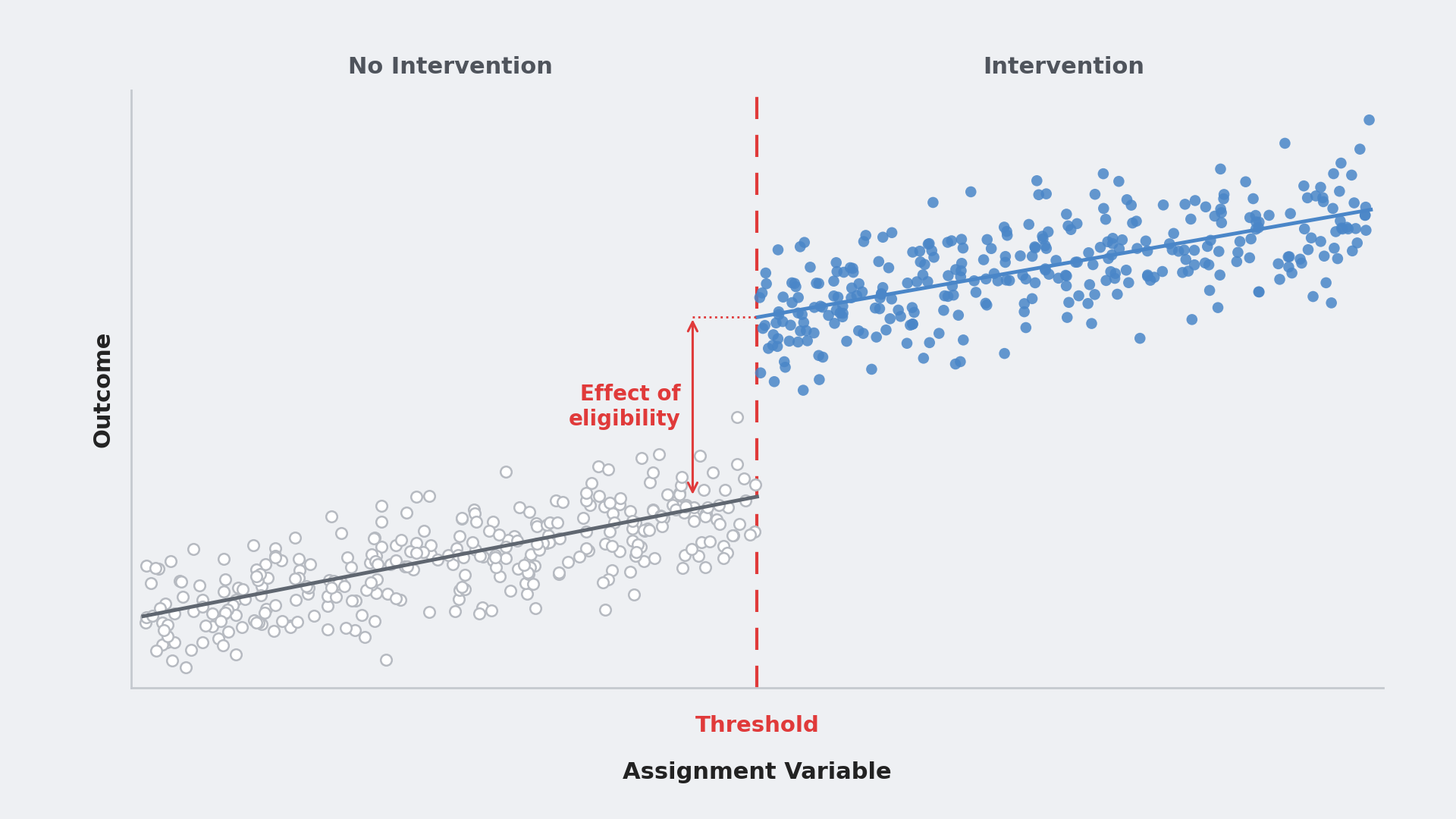
The recent Towards Data Science piece, "Your AI Adoption Lift Is a Selection Effect," strikes a vital chord for anyone rolling out AI-powered features. It’s a pragmatic, practitioner-focused guide to a problem we’re increasingly encountering: how to accurately assess the true impact of an AI feature when randomized controlled trials (A/B testing) aren’t feasible – a surprisingly common scenario. The core argument, that observed improvements might be attributable to user self-selection rather than the AI itself, is a crucial one. We’ve seen similar patterns emerge in our own work, where enthusiastic early adopters, often those already predisposed to efficient workflows, are more likely to opt into new AI tools. Understanding this selection effect is paramount to avoiding inflated performance metrics and misinformed product decisions, and the article rightly highlights the statistical techniques needed to account for it. This connects directly to discussions around responsible AI deployment, echoing concerns raised in "Zachery Lipton: "CS academia broke the system...perhaps all that it takes for the system to rebuild is for it to burn to the ground," Zachery Lipton: "CS academia broke the system...perhaps all that it takes for the system to rebuild is for it to burn to the ground where the pressures of rapid publication can overshadow rigorous methodological evaluation.
The article’s focus on estimation techniques, particularly propensity score weighting and similar methods, is particularly valuable. It moves beyond simply acknowledging the problem to offering concrete steps for addressing it. This is essential because, while randomized trials remain the gold standard, they're often impractical in real-world AI deployments, especially when dealing with opt-in features. The need to consider factors beyond the immediate AI interaction – user demographics, prior spreadsheet usage patterns, even their preferred data visualization styles – adds a layer of complexity, but one that’s unavoidable for generating reliable insights. It’s a reminder that building AI-native tools isn’t just about elegant algorithms; it's about understanding the human context in which those algorithms operate. This challenge of accounting for subtle biases and user behavior is also illustrated in "One Capital Letter Was Silently Breaking My AI Support Bot, and It Wasn't in the New Model," One Capital Letter Was Silently Breaking My AI Support Bot, and It Wasn't in the New Model, highlighting how seemingly minor differences in input can drastically impact AI performance and reveal underlying biases.
The broader significance of this piece lies in its call for increased methodological rigor in evaluating AI adoption. We’re moving beyond the initial hype cycle, where simply deploying an AI feature was seen as a win. Now, there’s a growing recognition that demonstrating *genuine* value requires careful analysis and a willingness to confront uncomfortable truths about selection bias. This is particularly relevant as AI becomes increasingly embedded within everyday productivity tools. If we fail to accurately measure the impact of these tools, we risk over-investing in features that provide marginal improvements, or worse, creating unintended consequences that negatively impact user workflows. The article’s emphasis on practical estimation techniques provides a roadmap for data scientists and product managers to navigate this challenge.
Ultimately, the “selection effect” is a persistent reminder of the inherent complexities in evaluating AI’s impact. While sophisticated statistical methods can mitigate some of the bias, the best approach remains a combination of careful data analysis and a deep understanding of user behavior. The question moving forward isn't simply *can* we deploy AI, but *how* do we ensure that AI delivers meaningful and measurable value, while avoiding the pitfalls of inflated expectations and misleading metrics? This necessitates a shift towards more nuanced evaluation frameworks that prioritize long-term impact over short-term gains and a continued focus on building AI tools that genuinely empower users.
A practitioner's guide to estimating what an opt-in AI feature actually did, when nobody randomized it.
The post Your AI Adoption Lift Is a Selection Effect appeared first on Towards Data Science.
Read on the original site
Open the publisher's page for the full experience