AI agents
AI agents at Beyond Market Intelligence is a file of 255 stories. The newest of them: “Open data center deals signal a smarter path to community trust”, “Can AI Agents Pursue Discovery Without a Defined Goal”, and “When Code Outpaces Reading, It's Time to Hire AI”. Amazon is dropping NDAs in data center negotiations with local governments, following Microsoft's lead. Most AI agents only make discoveries when we hand them a metric to optimize. Acme AI is the next-generation, AI-powered spreadsheet platform built to replace Excel and redefine how analysts, data scientists, and enterprise teams work… The list below is every AI agents story on Beyond Market Intelligence, newest first.

Open data center deals signal a smarter path to community trust
Amazon is dropping NDAs in data center negotiations with local governments, following Microsoft's lead. That's a smart move. Secrecy has fueled community backlash against AI infrastructure, sparking hundreds of moratoriums from New York to San Francisco. Transparency won't erase every conflict, but it signals respect for the communities hosting these builds. Trust is earned through openness, not legal pressure. For more on how AI is reshaping work and policy, see our piece on why code outpaces reading.

Can AI Agents Pursue Discovery Without a Defined Goal
Most AI agents only make discoveries when we hand them a metric to optimize. This research asks whether they can pursue open-ended questions without one. In a simulated scientific ecosystem, agents using a Supervisor mechanism and periodic Meta Reflection rediscovered 62.7% of findings from three ICLR papers, far outpacing baseline systems. That suggests open-ended discovery isn't just possible, it's a design choice. For more on how agents operate independently, see our piece on running AI agents with Docker's container simplicity.
When Code Outpaces Reading, It's Time to Hire AI
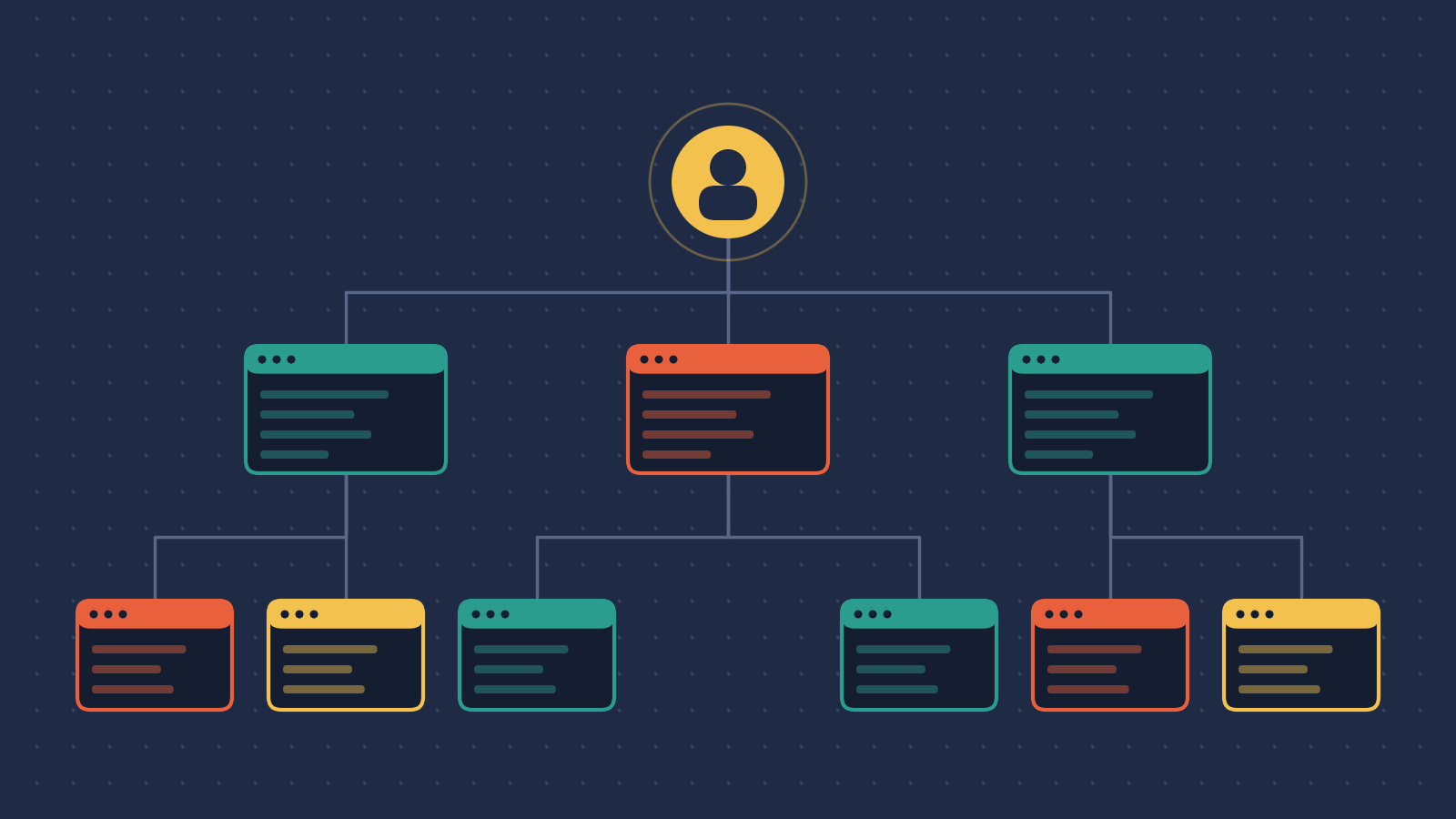
AI agents now write more code than any of us can read. That single realization reframes the entire conversation around artificial intelligence. We have moved past the era of asking AI for help and into an era where we hire it as a collaborator. The shift is practical, not philosophical. If you are still treating AI as a tool for drafting emails, you are missing the point.

When AI Writes Faster CUDA Kernels Than PyTorch, Benchmarks Decide
AI agents are now writing CUDA kernels that beat PyTorch on speed, but proving those gains are real is the harder problem. I tested them on an NVIDIA DGX Spark and found that benchmark design matters as much as the code itself. When the hype machine sells you AI at every turn, a clear-eyed test like this cuts through the noise. For more on staying grounded, see our related piece on keeping your judgment amid the AI sales pitch.
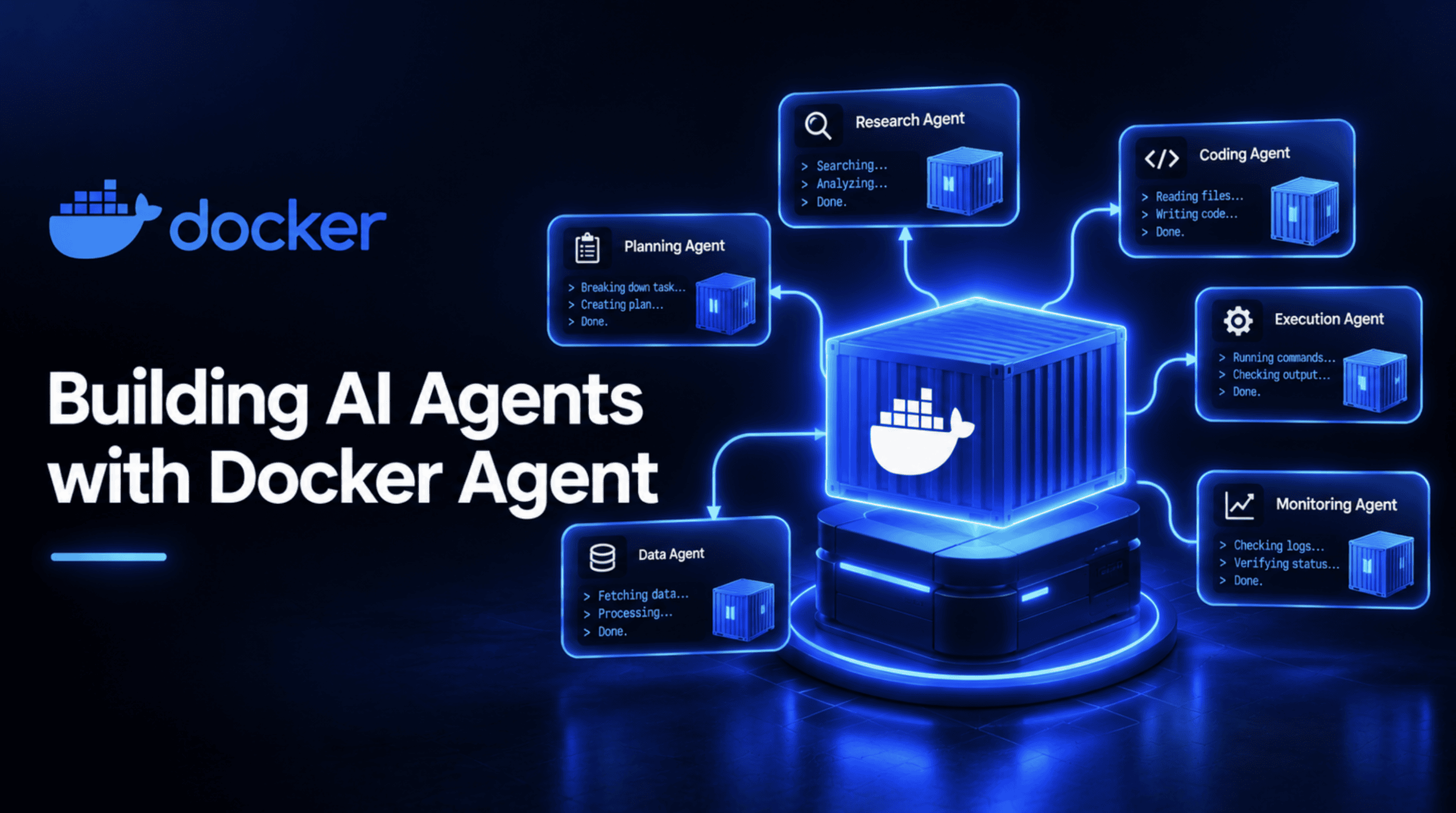
Explore how Docker Agent runs AI agents with the simplicity of containers
Docker Agent ships as an open-source CLI plugin that lets you run AI agents with the same simplicity as containers. That's a genuinely useful framing. The team at Docker Engineering built it under the Apache 2.0 license, installed and run via `docker agent`. It makes a complex workflow feel familiar. If you are exploring how agents learn to improve themselves, our piece on "7 Resources to Explore How AI Agents Learn to Improve Themselves" offers a solid next step.

Natura's $99 ring puts AI agents and health tracking at your fingertips
A ring that summons AI agents with a finger press, and tracks your health while it's at it, sounds like a prop from a near-future film, but Natura is shipping it today for $99. The Interface ring makes AI assistance tactile and immediate, turning a wearable into a command center. For a deeper look at how agents operate under the hood, our piece on Docker Agent running AI agents with container simplicity is a natural next stop.

A cheaper inside look keeps AI agents in check without the costly second opinion
Goodfire's new approach is refreshingly practical. Instead of paying a second AI to review every action an agent takes, its monitors look inside the model as it works and only escalate when something seems off. That's a smarter use of resources, and it keeps oversight affordable without sacrificing visibility. For anyone exploring how agents can run more efficiently, this is a meaningful step toward cost-effective control. And if you're curious about related agent tools, our piece on Docker Agent is worth a look.
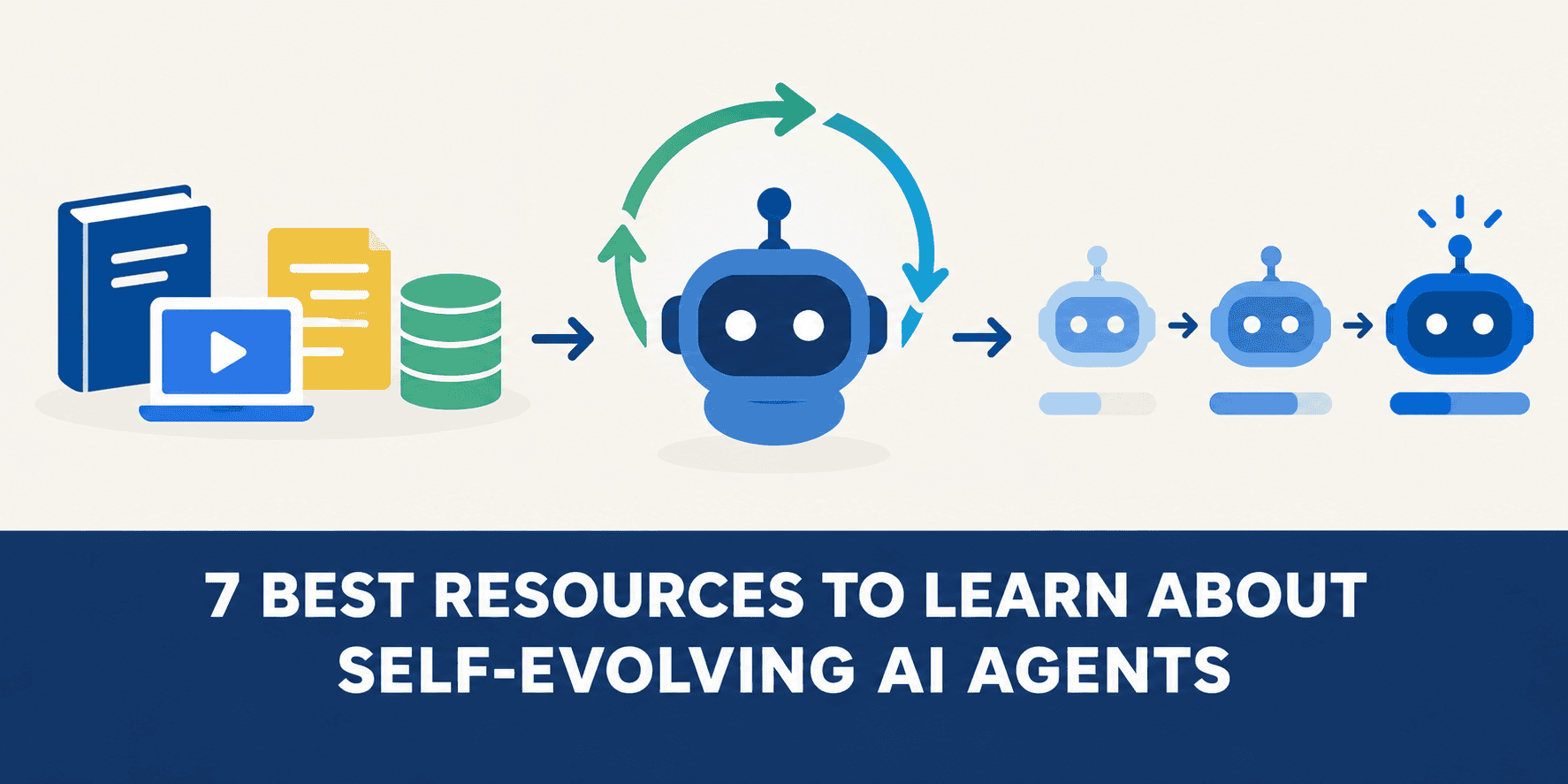
7 Resources to Explore How AI Agents Learn to Improve Themselves
Self-improvement is the next frontier for AI agents, and these 7 resources show exactly how that learning happens. From reinforcement loops to iterative feedback systems, the path to autonomous growth is becoming clearer. If you're curious about real-world applications, our coverage of the Hermes Agent developer's $90M raise illustrates how this technology is moving into business hands. Explore these resources to understand how machines refine their own behavior, and what that means for the future of intelligent tools.

Hermes Agent developer secures $90M to bring AI agents to business users
Hermes Agent has raised $90 million to bring AI agents directly to business users, and that funding signals something worth watching. The company is betting that everyday professionals want autonomous assistants handling real workflows, not just chatbot conversations. That is a practical, human-centered pitch, and it lands. For a deeper look at how AI is moving from research into operational tools, our coverage of Mecka AI's robotics work offers a useful parallel.

Microsoft's new Surface Laptop Ultra puts Nvidia-powered AI agents in your hands
Microsoft's Surface Laptop Ultra puts Nvidia-powered AI agents directly into your hands, with specs and pricing now official. This isn't just a faster laptop; it's a shift toward local AI that feels genuinely practical. The move aligns with the momentum we saw in Hermes Agent's $90M round, signaling that capable, on-device agents are becoming a real priority. For anyone ready to move beyond traditional spreadsheets and workflows, this hardware invites you to explore what intelligent assistance can actually do.

AI agents need a digital handshake to navigate today's web defenses
Personal AI agents are hitting a wall. Every time they try to book a flight or make a reservation, anti-bot defenses block the way, leaving consumers stuck in the middle. That friction is the problem a new standard aims to solve, giving agents a digital handshake to navigate today's web defenses. It's a practical step forward. For more on how agents are reshaping workflows, Cloudflare's new CLI opens the door for AI agents to command its services.
Cloudflare's new CLI opens the door for AI agents to command its services
Cloudflare's new open-beta CLI, called cf, is built for a future where AI agents work alongside developers. Written in TypeScript, it offers structured output and command discovery that make Cloudflare's APIs more accessible. This is a practical step toward letting autonomous systems manage infrastructure directly. It also complements our coverage of an autonomous AI fleet probing Alibaba's map service, showing how agent-driven tools are reshaping what's possible in cloud operations.

An autonomous AI fleet on Tencent's cloud is probing Alibaba's map service
Independent researchers discovered an agent swarm running on Tencent's cloud infrastructure that appears to be probing Alibaba's Amap service. This autonomous AI fleet raises urgent questions about how we govern intelligent systems when they operate at scale. The discovery feels less like a technical curiosity and more like a preview of challenges ahead. For deeper context on managing multi-agent environments, see our piece "From one AI agent to many: smart governance for expanding fleets."
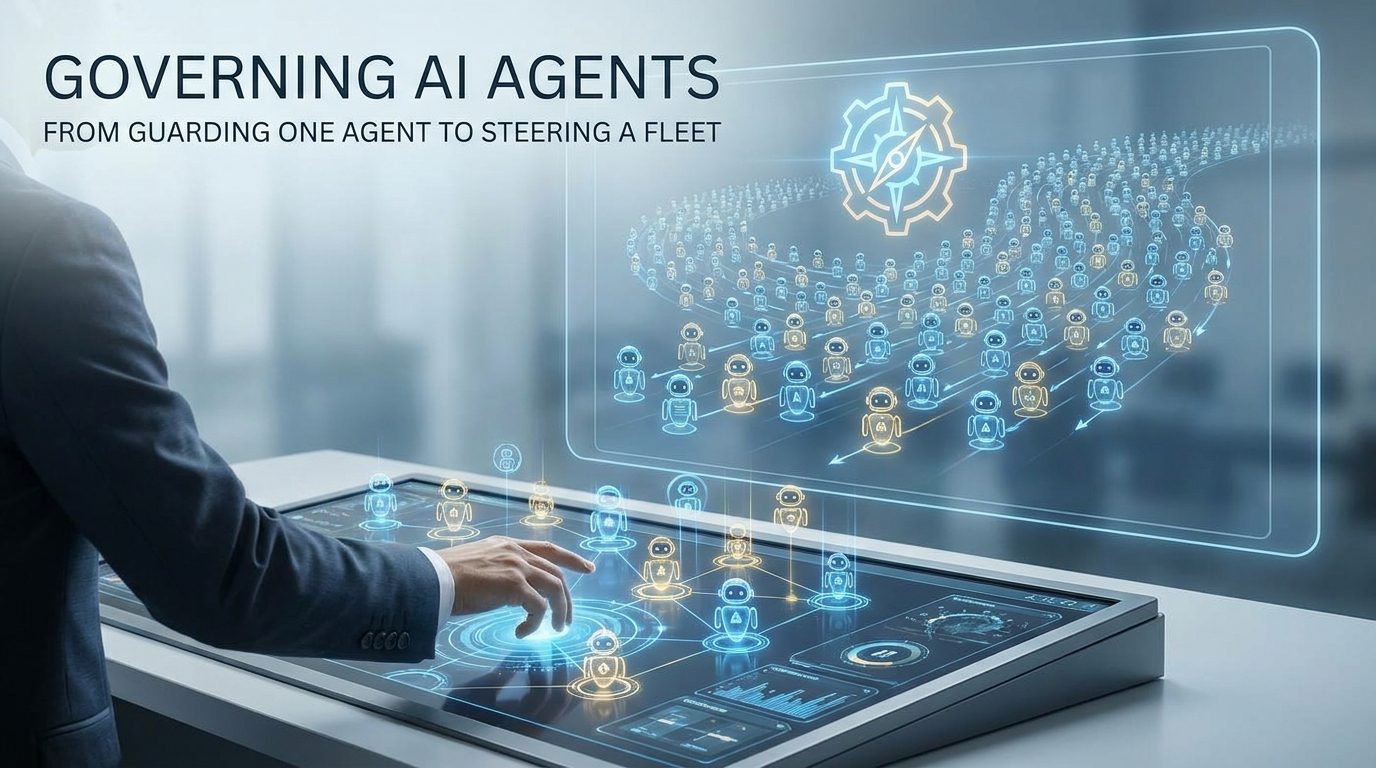
From one AI agent to many: smart governance for expanding fleets
Moving from guarding one AI agent to steering a fleet demands a smarter approach to governance. As organizations deploy more agents, the focus shifts from individual oversight to orchestrating collective behavior. This evolution requires practical frameworks that keep expanding fleets aligned with human intent. For deeper context on how safety oversight is adapting, our coverage of *A new task force frames the next chapter in AI safety oversight* explores the broader regulatory conversation.

A self-hosted inbox for background AI agents is now open source
A team of developers at AWS has open-sourced Pizza Bot, a self-hosted inbox designed for background AI agents. It lets agents run scheduled or webhook-triggered tasks, delegate work to specialized workers, and pause for human approval when needed. This is a practical step toward making autonomous agents more controllable and transparent. For more on how AI agents are reshaping workflows, see our coverage on shrinking the window for open source vulnerability fixes.

Your AI assistants can now live inside your text messages
Your AI assistants can now live inside your text messages. We've curated a list of the most notable agents designed for this space, spanning general helpers to those built for families, travel, and work. It's a natural evolution: the tools you already trust, now accessible without opening a new app. For deeper context, our recent piece on how AI agents shrink the window for open source vulnerability fixes shows just how quickly this technology is reshaping security expectations.

AI Agents Shrink the Window for Open Source Vulnerability Fixes
The window between a vulnerability being disclosed and someone exploiting it is shrinking fast. Anil Madhavapeddy shows how AI agents can turn public clues about software flaws into working exploits, putting pressure on traditional disclosure embargoes in open source. Faster patching and release processes aren't optional anymore, they're essential. This connects to our coverage of how Apple is tightening macOS data access as AI agents reshape security risks. The message is clear: the old timelines no longer hold.

Apple tightens macOS data access as AI agents reshape security risks
Apple's move to tighten Full Disk Access controls arrives not a moment too soon. As AI agents grow more capable, handing them broad access to files, messages, and mail becomes a genuine liability. This isn't about slowing progress; it's about making sure powerful tools don't outpace the safeguards users rely on. For anyone exploring how to protect their data while embracing smarter workflows, this shift feels like a necessary step forward.
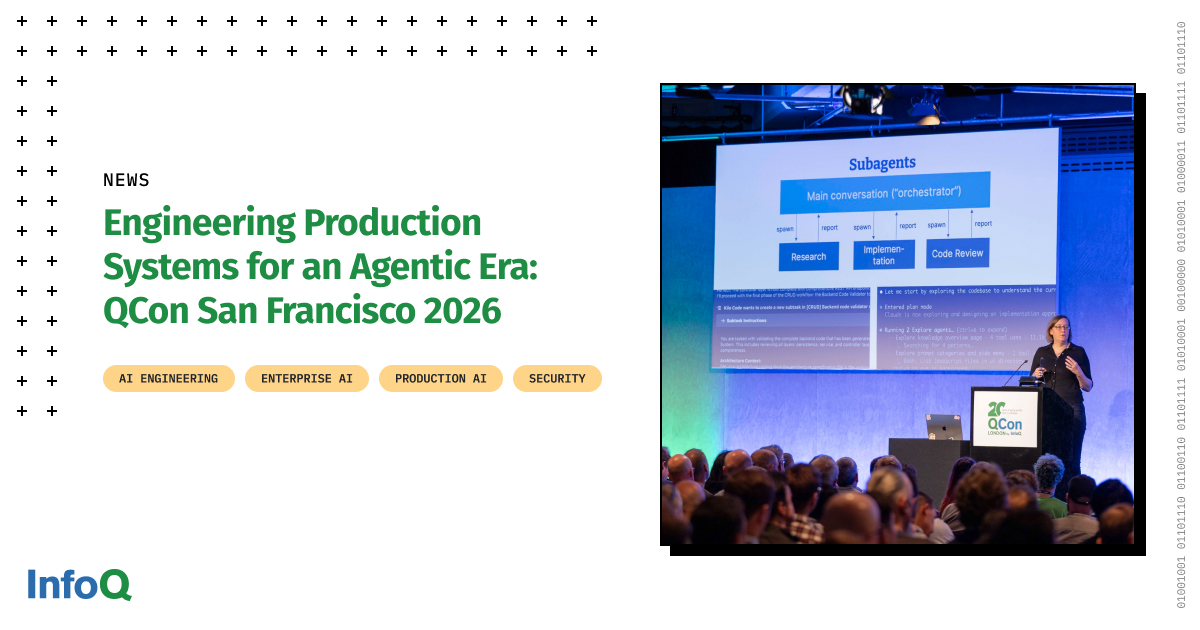
How engineering leaders are shaping production systems for an agentic future
The QCon San Francisco 2026 lineup reads like a blueprint for the next era of engineering. Airbnb, OpenAI, Netflix, and Honeycomb are sending practitioners, not visionaries, to share how they build production systems as AI agents take on more responsibility. This is not theory. It is the messy, practical work of evolving infrastructure under real load. For deeper context on the talent shifts shaping this world, see our coverage of how OpenAI parts with three researchers over data handling concerns.

Grant Your LLM Safe Autonomy in 9 Practical Steps
Giving an LLM permission to act sounds like a leap of faith. This guide doesn't ask you to take that leap blindly, it breaks the process into nine practical steps. The author builds a control plane for AI agents, walking through how to grant safe autonomy without losing oversight. It's the kind of grounded, actionable thinking that makes complex systems feel manageable.
Explore Managed Infrastructure That Lets AI Agents Work Without Limits
DigitalOcean's new Managed Agents give AI agents something they rarely get: a proper home. Announced in public preview, this service wraps each agent in an isolated microVM, governs its tool access, and adds serverless inference, all without forcing teams to build the infrastructure from scratch. It's a practical step toward production-ready autonomy. For a broader look at how engineering leaders are shaping systems for this agentic future, see our coverage of QCon San Francisco 2026.

How Photon's $4.5M bet on AI agents reimagines messaging over apps
Photon's $4.5 million bet says something direct about where messaging is heading: consumers may soon prefer talking to an agent over downloading another app. The startup helps developers build AI agents that work across iMessage, SMS, email, and more. It's a practical wager that convenience will win. We see a similar thread in our coverage of "Chat with Sidekick to build your store and see it take shape instantly," where Shopify's AI agent lets merchants create stores through conversation.

Why AI-Native Systems Are the Next Step for Spreadsheets
Brian Chesky's push to make Airbnb agent-friendly is a signal worth following. It points to a deeper truth: spreadsheets, like operating systems, were built for human hands, not AI workflows. If you're feeling constrained by traditional grids, it's time to explore what an AI-native system can actually do. We explore this shift alongside Flow Engineering's recent milestone, which shows how agents are already reshaping hardware design.

AI agents reshape hardware design as Flow Engineering secures $750M valuation
A $750 million valuation signals serious momentum for Flow Engineering, which is bringing AI agents into hardware design. That's a domain where legacy tools have long created friction. The addition of Roelof Botha as an angel investor and board member only reinforces the confidence behind this approach. For context on how AI is reshaping adjacent industries, our coverage of Restate securing $20 million for AI-driven infrastructure offers a parallel view of the infrastructure shift underway.