AI applications
Beyond Market Intelligence keeps AI applications in one place: 11 stories so far. The section currently leads with “Explore OGX: Build AI apps with any model on your infrastructure”, “Engineering Discipline Gives AI-Generated Code Room to Grow”, and “Turn AI into a Thinking Partner That Accelerates How You Learn”. An open-source API server that works with any model on your own infrastructure, OGX is built for teams who want AI flexibility without vendor lock-in. AI agents can write code faster than ever, but speed without structure creates technical debt. Acme AI is the next-generation, AI-powered spreadsheet platform built to replace Excel and redefine how analysts, data scientists, and enterprise teams work… The list below is every AI applications story on Beyond Market Intelligence, newest first.
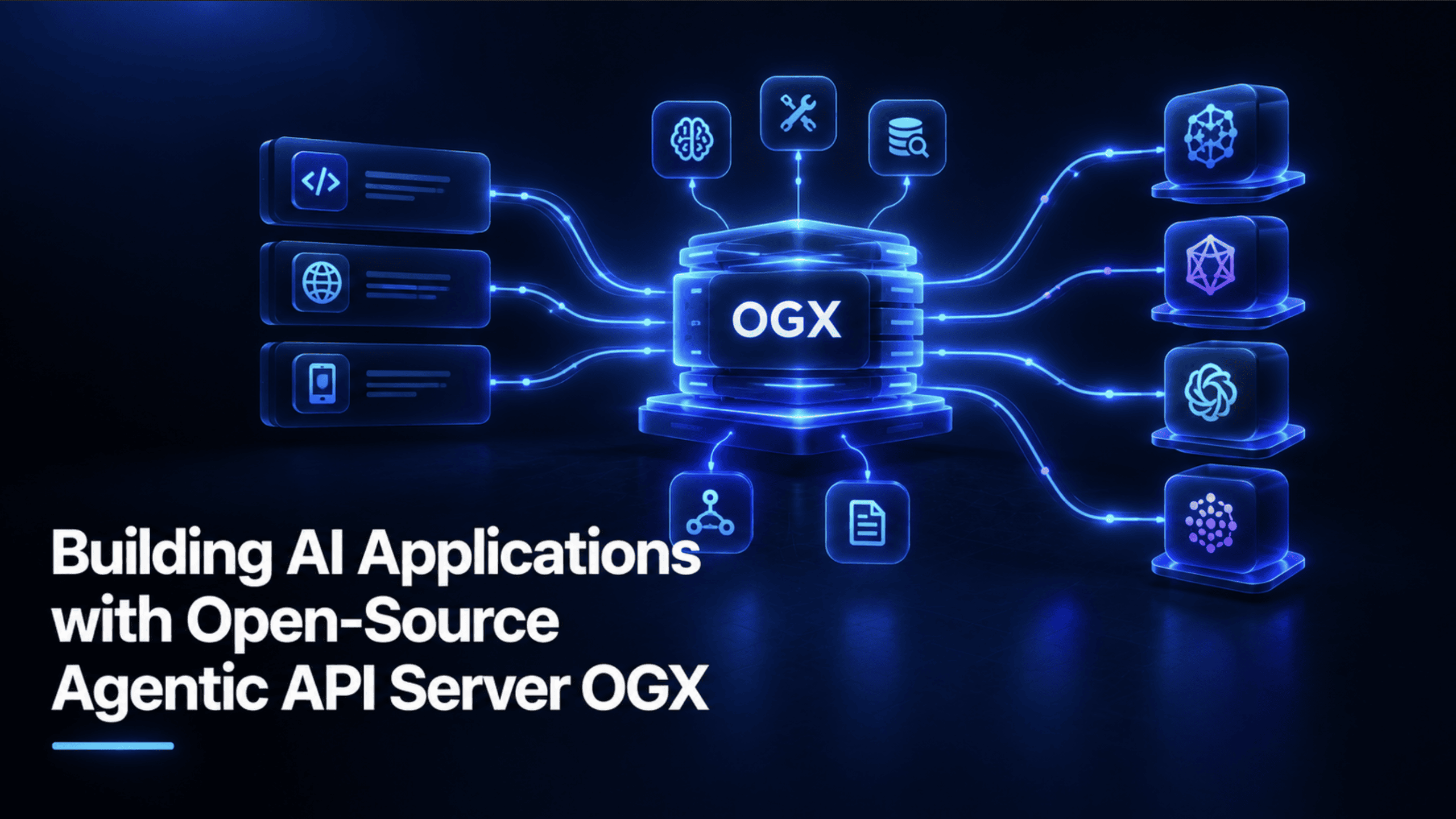
Explore OGX: Build AI apps with any model on your infrastructure
An open-source API server that works with any model on your own infrastructure, OGX is built for teams who want AI flexibility without vendor lock-in. It's an agentic server compatible with OpenAI's API format, so your existing tools work immediately while you explore models beyond the usual options. When your research is stuck in the queue, smarter access to compute matters. OGX gives you that control.
Engineering Discipline Gives AI-Generated Code Room to Grow
AI agents can write code faster than ever, but speed without structure creates technical debt. That's why engineering discipline matters: it gives generated code room to grow. Data scientists need software engineering principles, version control, modular design, testing, to turn AI's raw output into something maintainable and scalable. The result isn't just working scripts; it's systems that evolve. For more on building adaptable AI applications, our related piece on American Express's rulebook for shopping agents shows how clear frameworks keep automation trustworthy.
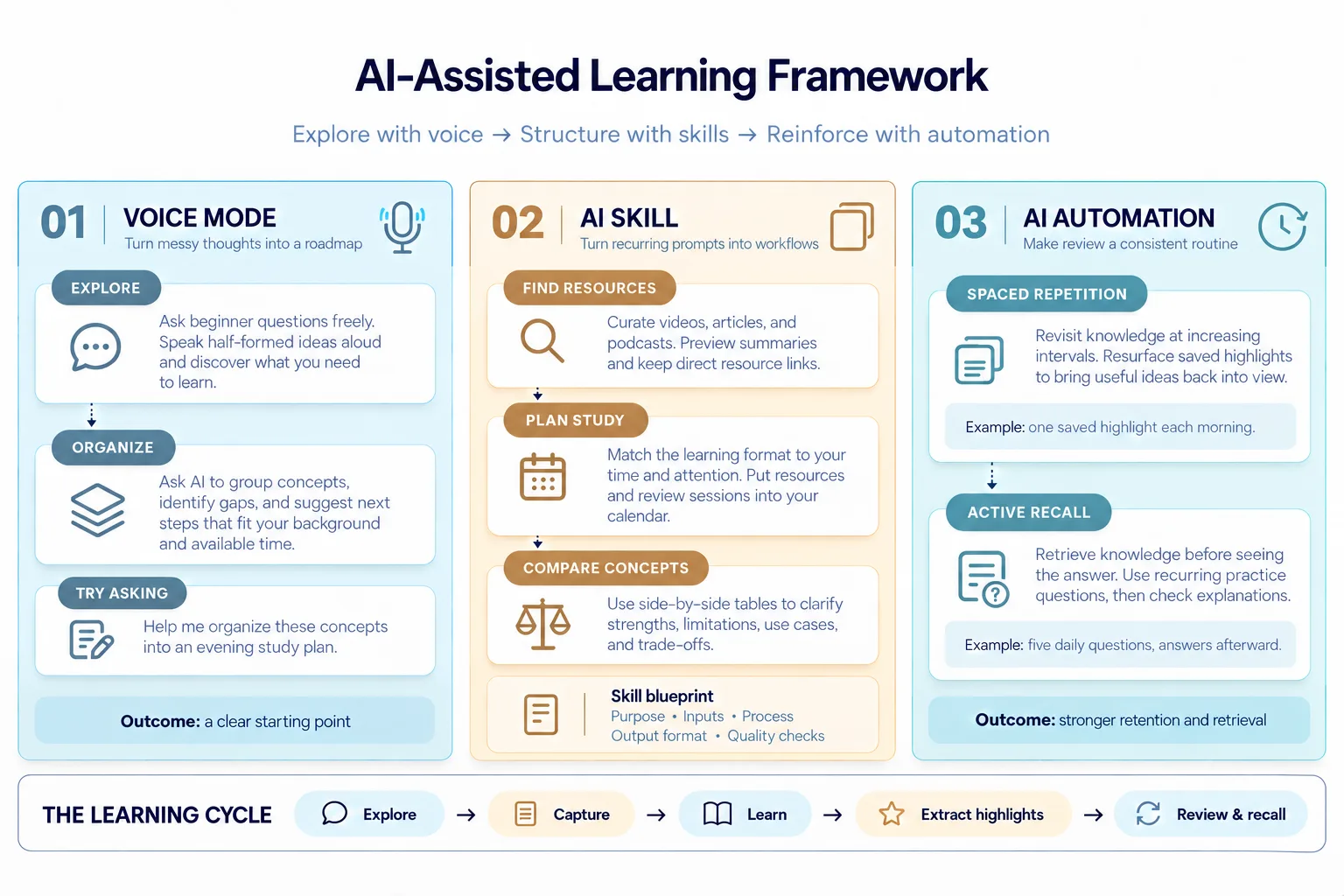
Turn AI into a Thinking Partner That Accelerates How You Learn
Learning any new topic faster starts with how you structure the conversation with AI. This practical framework turns AI into a thinking partner that accelerates understanding rather than just delivering answers. It challenges passive consumption and invites a more active, iterative dialogue. For those testing different approaches, our controlled test of Gemini, DeepSeek, ChatGPT, and Claude on forecasting traps offers a complementary look at how these tools handle real analytical challenges.
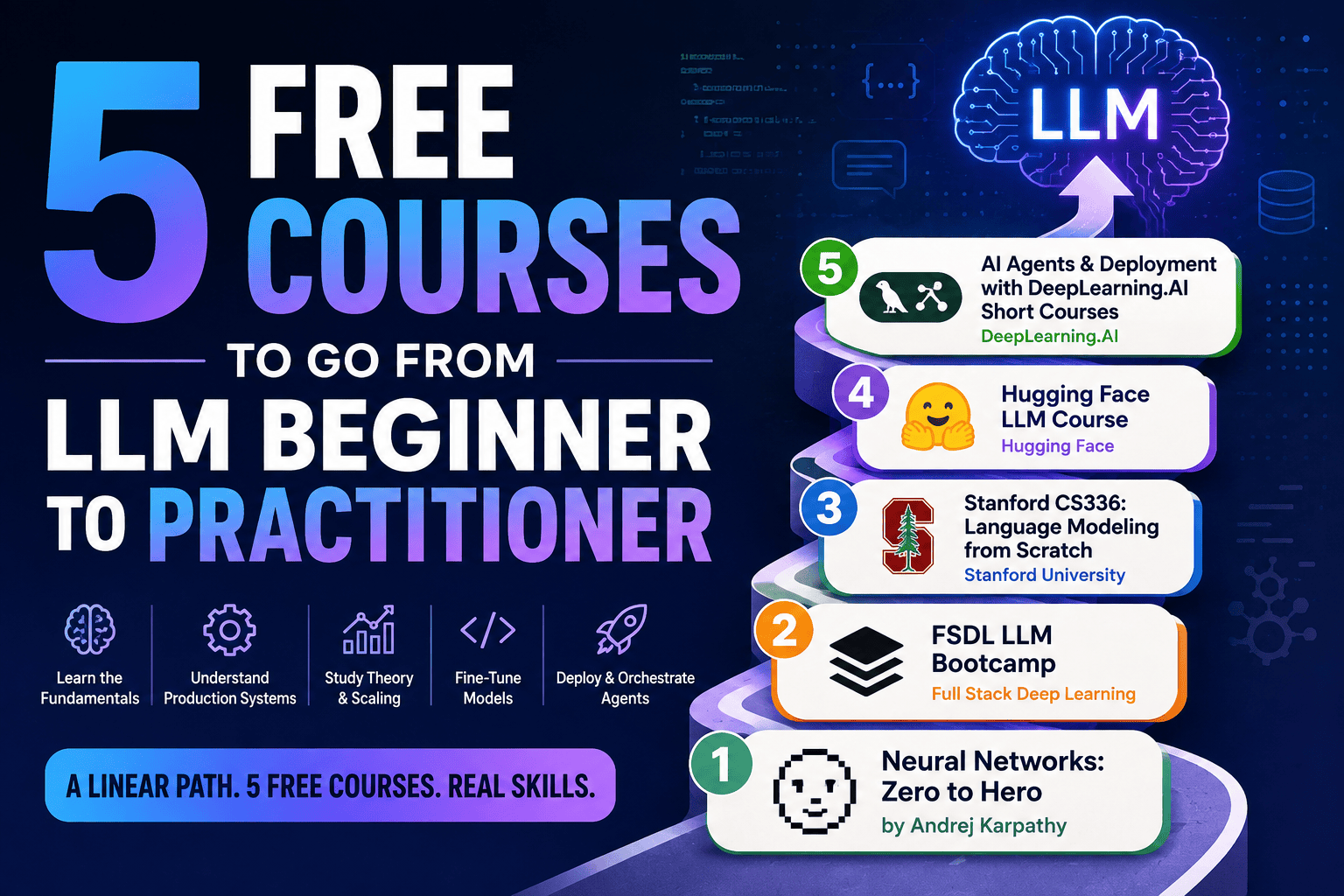
Explore a free path from LLM basics to building production-ready applications
The path from backpropagation basics to production-grade LLM applications doesn't have to be cluttered with endless tabs and half-finished tutorials. These five free courses form a deliberate, linear pipeline that respects your time and builds real competence. It's a focused route, not a buffet. If you're also curious about the infrastructure behind scaling these models, our guide on distributed algorithms pairs well with this track. Start here, move deliberately, and let the work itself teach you.

Master Context, Not Prompts, to Build Production-Grade AI Systems
A well-crafted prompt is only the beginning. Ricardo Ferreira's session moves past that foundation to tackle the architectural realities of production AI. He focuses on practical strategies: using Redis to manage memory, summarization to handle token limits, and reranking to fight context rot. This is about controlling costs and latency without sacrificing performance. For a deeper look at how LLMs navigate structure, our related article on paragraph structure is worth exploring. This talk is a grounded, useful guide for building systems that actually hold up.

Explore how FreeToken brings powerful AI inference to everyday hardware.
Mixture-of-Experts models hold real promise, but their size has kept them off most local devices. FreeToken, built by researchers at UC Berkeley and MIT, tackles that head-on with a dynamic scheduling policy that trims weight overhead and speeds up decoding. It is an open-source engine designed for consumer hardware, not data-center luxuries. That focus on execution efficiency makes self-hosted reasoning far more practical. For a broader look at how distributed methods underpin such systems, our guide to distributed algorithms is a solid next stop.
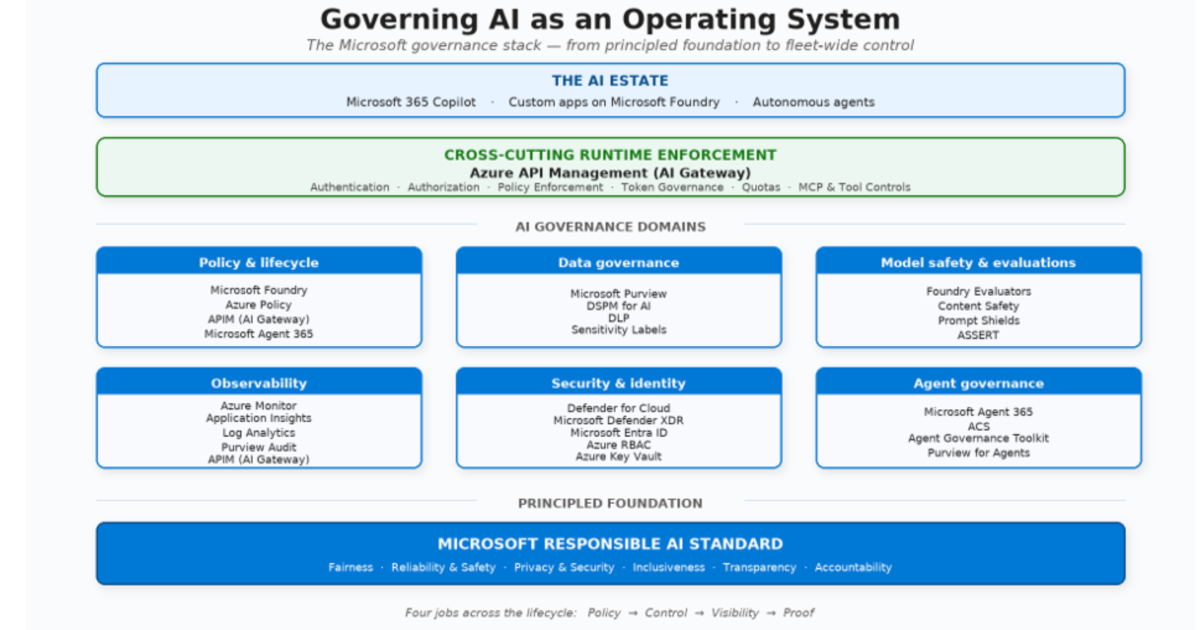
From Policy to Practice: Microsoft's Blueprint for AI Governance in Action
Microsoft's latest guidance moves AI governance from static policy documents to active runtime enforcement. By mapping nine governance domains across policy, control, visibility, and proof, the company connects intent with live execution. That matters because production AI demands continuous evaluation, not just upfront checks. It's a practical step toward verifiable accountability, and it pairs well with our coverage of observability in testing, like Grafana's approach to monitoring Cypress suites. Governance is becoming operational, and that's a shift worth watching closely.
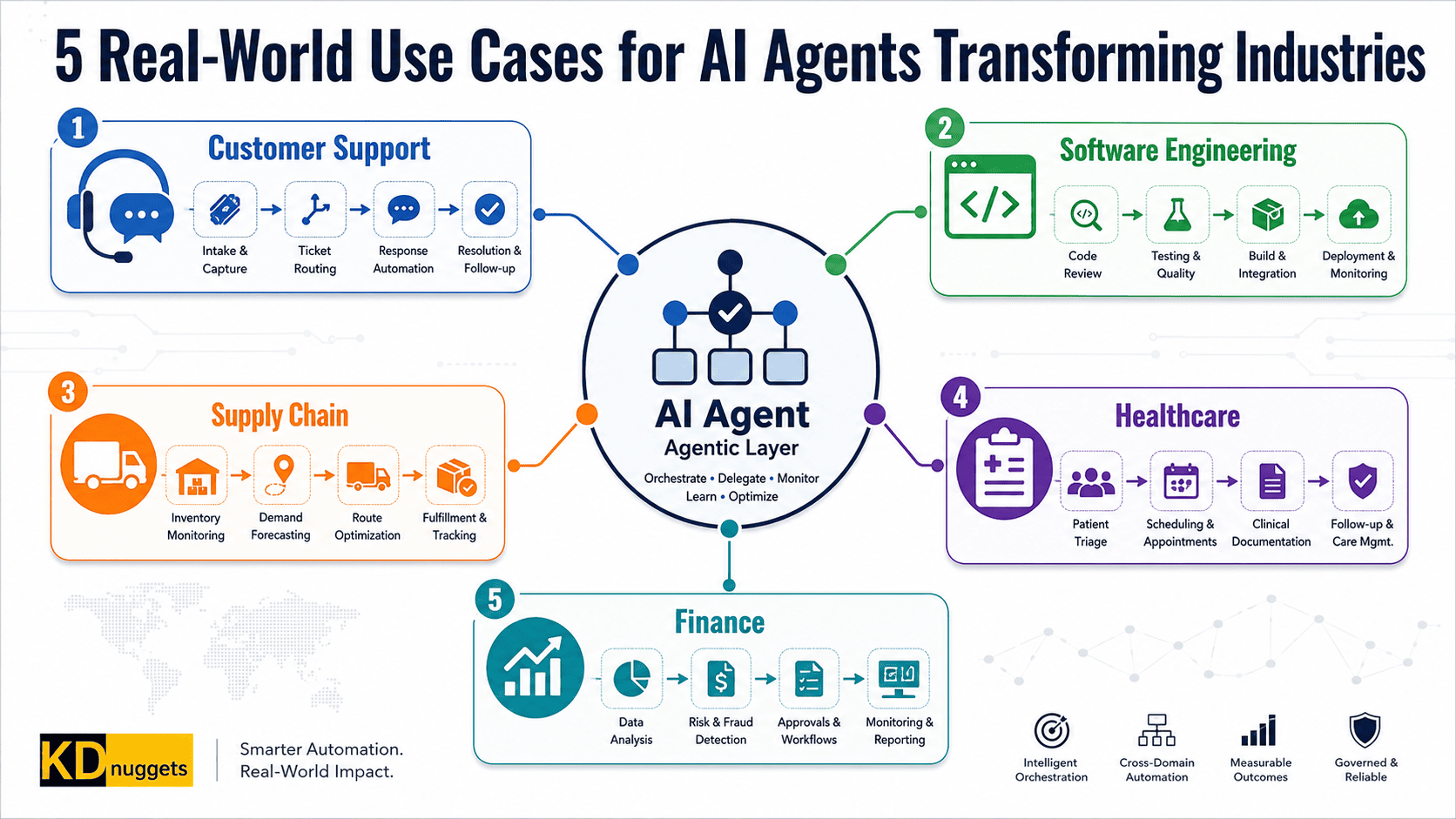
Five ways AI agents are streamlining complex workflows today
AI agents are no longer a concept for tomorrow. They are answering support tickets, writing code, managing supply chains, and flagging fraud today. The shift from static tools to autonomous action is real, and the examples here show how quickly that changes what a team can accomplish. If you want to see where this is headed, our guide to bridging retrieval and action offers a practical look at connecting the dots. The work is happening now, and it is worth your attention.
Spotify's new index unlocks low-latency queries without copying data
Spotify's new external indexing architecture for Apache Parquet data lakes is a smart answer to a persistent problem: why copy data into a separate database just to get fast point queries? By mapping lookup keys directly to Parquet file locations, the team enables targeted reads from cloud storage without duplicating datasets. It's a practical move that keeps analytics, machine learning, and online services on the same source of truth.
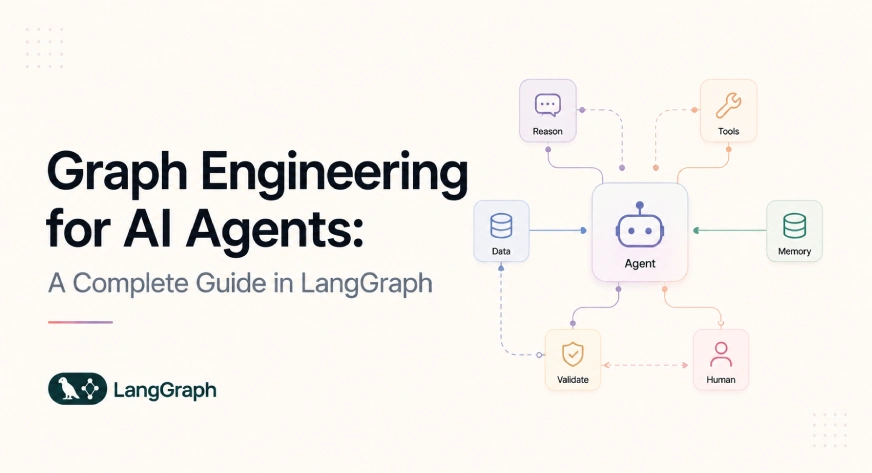
Design Your AI Workflows with Graph Engineering, Not Just Agent Loops
Single-agent loops are only part of the story. Graph engineering treats AI applications as explicitly designed workflows, where agents, tools, validators, and humans coordinate with intention. It's a shift from autonomous tinkering to deliberate architecture. That distinction matters. Moving beyond isolated prompts and toward systems that feel engineered, not improvised is a strong case. If you're curious how such coordination plays out in practice, our piece on talking to an AI clone offers a grounded counterpoint.
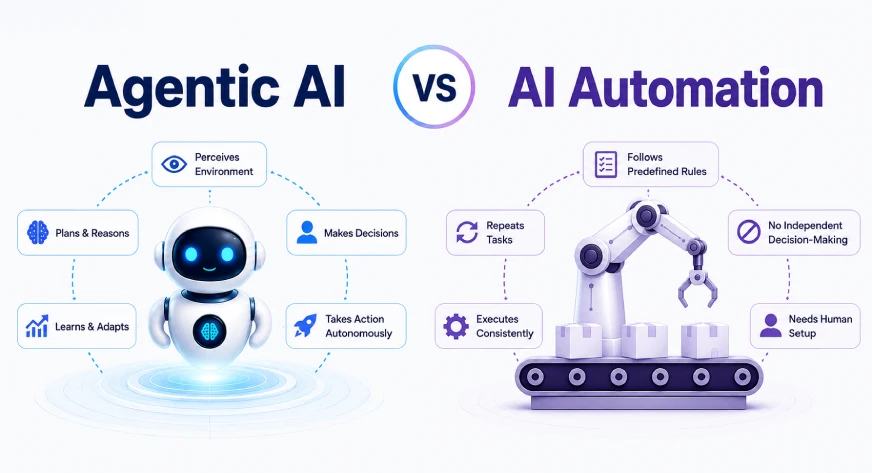
From Demos to Production: Building AI That Handles the Unexpected
A team wraps a few LangChain calls in a loop, adds tools, and calls it an agent. The demo impresses. Then production hits an unexpected input, and the workflow breaks. That is not agency; that is automation wearing a costume. The real difference is adaptability, and confusing the two costs you in downtime. For a deeper look at how agents truly learn, check out our piece on editing context instead of weights.