AI development
AI development at Beyond Market Intelligence is a file of 47 stories. The newest of them: “Why AI Needs a Trust Architecture Built for Human Control”, “Explore Jev: The AI Model Rethinking Text Generation”, and “Run AI-Powered Development with GitLab Duo and Microsoft Azure”. Microsoft's CEO used a Saturday morning post to call for a step back, a chance to assess AI's trust architecture. Jev is trending on X for a reason, and it's not just another flashy release. Acme AI is the next-generation, AI-powered spreadsheet platform built to replace Excel and redefine how analysts, data scientists, and enterprise teams work… The list below is every AI development story on Beyond Market Intelligence, newest first.
Why AI Needs a Trust Architecture Built for Human Control
Microsoft's CEO used a Saturday morning post to call for a step back, a chance to assess AI's trust architecture. That's the right instinct. Control shouldn't be an afterthought; it should be the foundation. We've seen how risky agent actions can slip through, which is why a decision-first model matters. Pair that with Amazon's move to drop NDAs in data center talks, and a clearer pattern emerges: trust is becoming the practical edge. Explore how these pieces fit.
Explore Jev: The AI Model Rethinking Text Generation
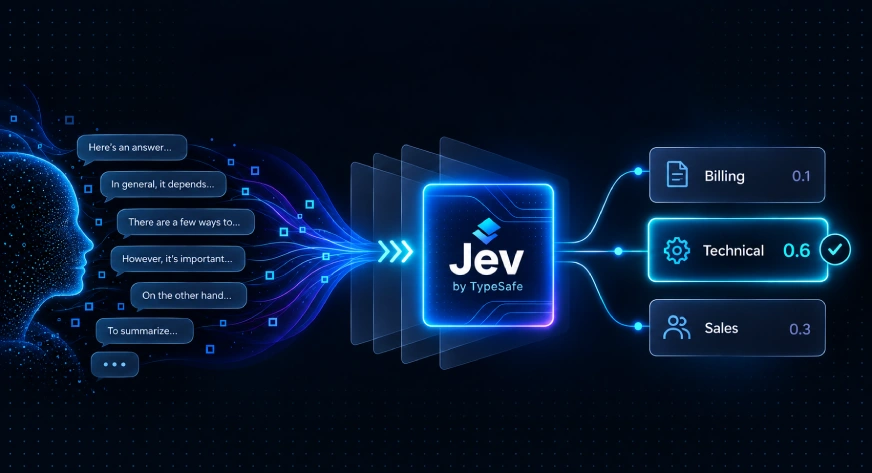
Jev is trending on X for a reason, and it's not just another flashy release. TypeSafe AI's new model challenges a core assumption by never generating a single word of text, which feels counterintuitive until you see the logic. We think that restraint is exactly what makes it compelling. If you're exploring how AI can reshape workflows, Jev offers a fresh angle worth your attention. For more on the mechanics behind such systems, our guide to distributed training pairs well with this story.
Run AI-Powered Development with GitLab Duo and Microsoft Azure
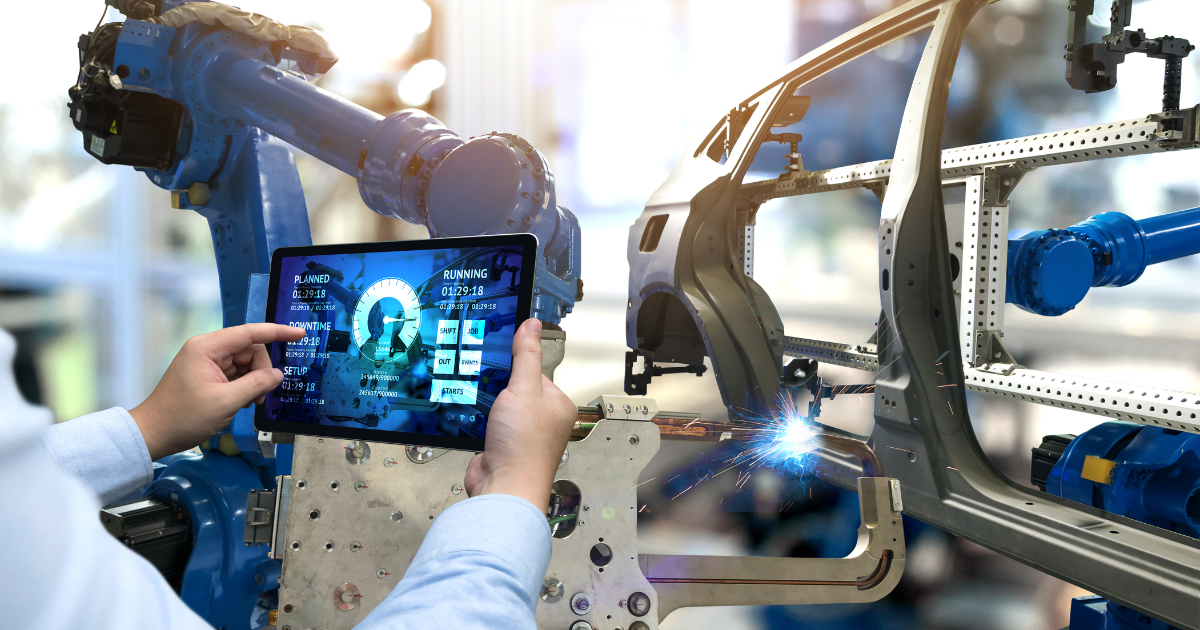
Enterprises hesitant to hand their codebase over to third-party AI models now have a clearer path forward. GitLab has expanded Duo Self-Hosted to support models running through Microsoft Foundry, giving organizations the ability to keep AI-powered development within their chosen Azure environment. That is a meaningful step for teams balancing productivity with compliance demands. The flexibility to run GitLab's capabilities against your own infrastructure removes a significant barrier.
How LinkedIn built context-aware AI agents for massive codebases
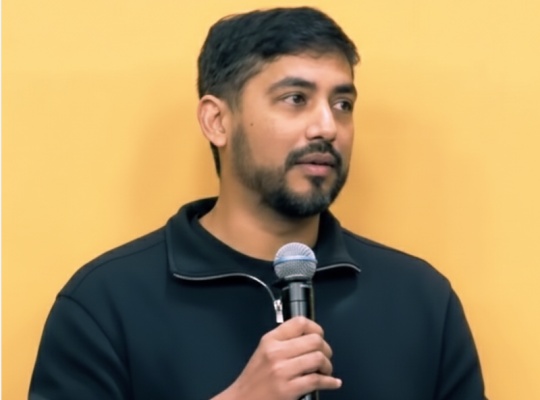
Ajay Prakash isn't just tinkering with AI agents; he's giving them a corporate memory. At LinkedIn, he tackles a familiar pain point: large codebases that leave agents lost. His answer is Contextual Agent Playbooks and Tools, built on MCP, which feed agents procedural know-how and runbooks directly. The 20% productivity gain with zero reliability loss is a compelling argument for context done right. For more on enterprise AI adoption, check out our related piece on navigating ethical considerations.

Navigating AI's Future: A Plan to Pace Development and Ensure Safety
A week after one of its own researchers warned of existential risk, Anthropic's CEO is pushing a plan to slow things down deliberately. Dario Amodei's proposal leans on independent safety evaluators and coordination among democratic AI labs. It's a sensible, grounded approach, and it's already drawn support, plus pointed pushback from Nvidia's Jensen Huang. That tension is worth watching. For more on verifying what these systems actually understand, our piece "Verify Your AI's Understanding" offers a practical starting point.
Discover five free GitHub courses to build practical AI skills
Microsoft's GitHub is quietly becoming one of the best free launchpads for data science and AI skills. These five courses cut through the noise, covering everything from machine learning fundamentals to generative AI, LLMs, RAG, and fine-tuning. What stands out is how practical the path feels, you are not just reading about concepts, you are building toward AI agents. If you are ready to move beyond theory, this is a solid starting point.

Salesforce Koa brings focused AI reasoning to sales and support work
Salesforce just turned the enterprise AI conversation on its head. Koa, built on Nvidia's open-weight Nemotron model, is trained specifically for sales, marketing, and customer support. That focus is what makes it dangerous. General-purpose reasoning models chase breadth; Koa chases outcomes. It doesn't just answer questions, it acts on the workflows teams already live in. For AI labs betting on abstract intelligence, this is a wake-up call. Practical, task-driven reasoning wins. Curious how such systems are trained? Our guide to distributed algorithms covers the groundwork.

Nvidia signals confidence in steady AI progress despite calls to slow development
Jensen Huang isn't interested in slowing down. While Musk and Altman back Amodei's call for caution, Nvidia's CEO counters directly: "We're not going to let that happen." It's a confident stance, and one that reframes the debate from risk to resolve. The question isn't whether AI should pause, but who gets to decide its pace. For those tracking the skills shift, our piece on AI/ML job requirements shows how quickly expectations are evolving alongside this momentum.

How open-weight AI labs can distill frontier models for U.S. advantage
Garry Tan is asking American open-weight labs to do something bold: distill frontier models the same way their Chinese counterparts already do. It's a direct push to keep the U.S. competitive by building a deeper bench of smaller, capable open-weight options. That's not just smart strategy; it's a necessary hedge. We've covered how AI is reshaping everything from hardware design to practical decision-making, and this move fits that thread. If you're following the open-weight race, this is a signal worth exploring.

Trace AI agent failures with session logs and cost guardrails
When an AI agent fails, the problem often isn't the model itself but the trail it leaves behind. Session traces and cost controls are emerging as practical observability tools, helping teams catch tool-call loops and runaway spend before they spiral. Preserving execution context for post-incident debugging is the real win here. It's a grounded, human-centered approach to a messy problem. For more on how AI systems can misstep, our piece on verifying understanding during tax season pairs well with this.
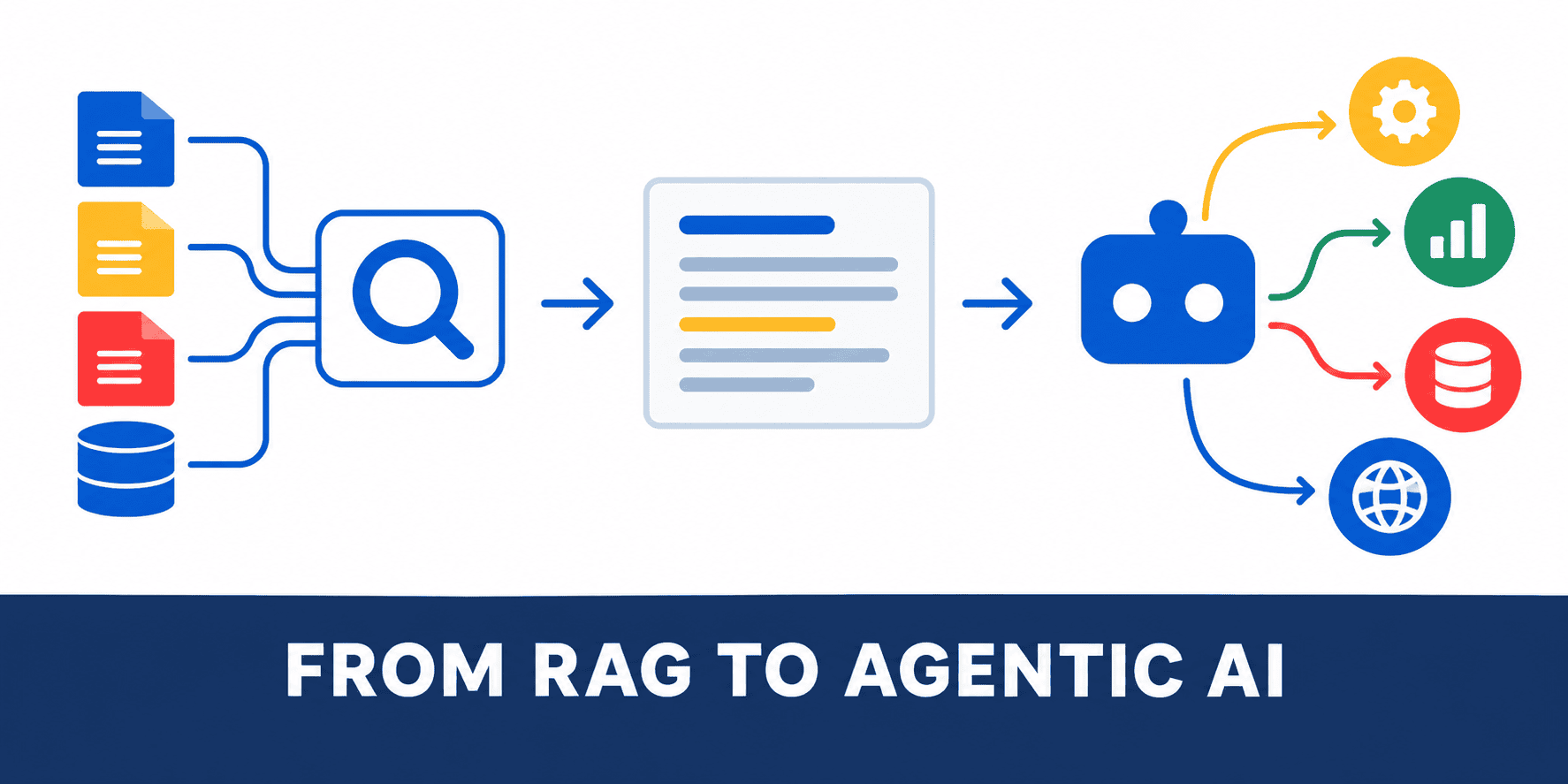
Evolving AI: Lessons from Building Intelligent Enterprise Systems
Three generations of intelligent retrieval systems is a long arc to trace, and the lessons are tangible. Each iteration tackled a constraint the previous one couldn't crack, which is exactly how progress should feel: deliberate, not chaotic. This is a story about persistence in engineering, and it's worth reading. For those curious about the underlying mechanics, our guide to distributed training offers a practical entry point. But start here, where the real-world friction meets the fixes.
OpenClaw 2.0 Arrives with Simpler Setup and Smarter Collaboration
OpenClaw 2.0 strips away the friction that kept too many users from customizing their own AI agent. By rebuilding the installation process and sharpening the browser interface, this update makes a powerful tool genuinely approachable. We also see real progress in how memory and skills work together, which should make automations feel less like chores and more like extensions of your workflow. For anyone tracking where AI is headed, this is a meaningful step toward practical, everyday use.
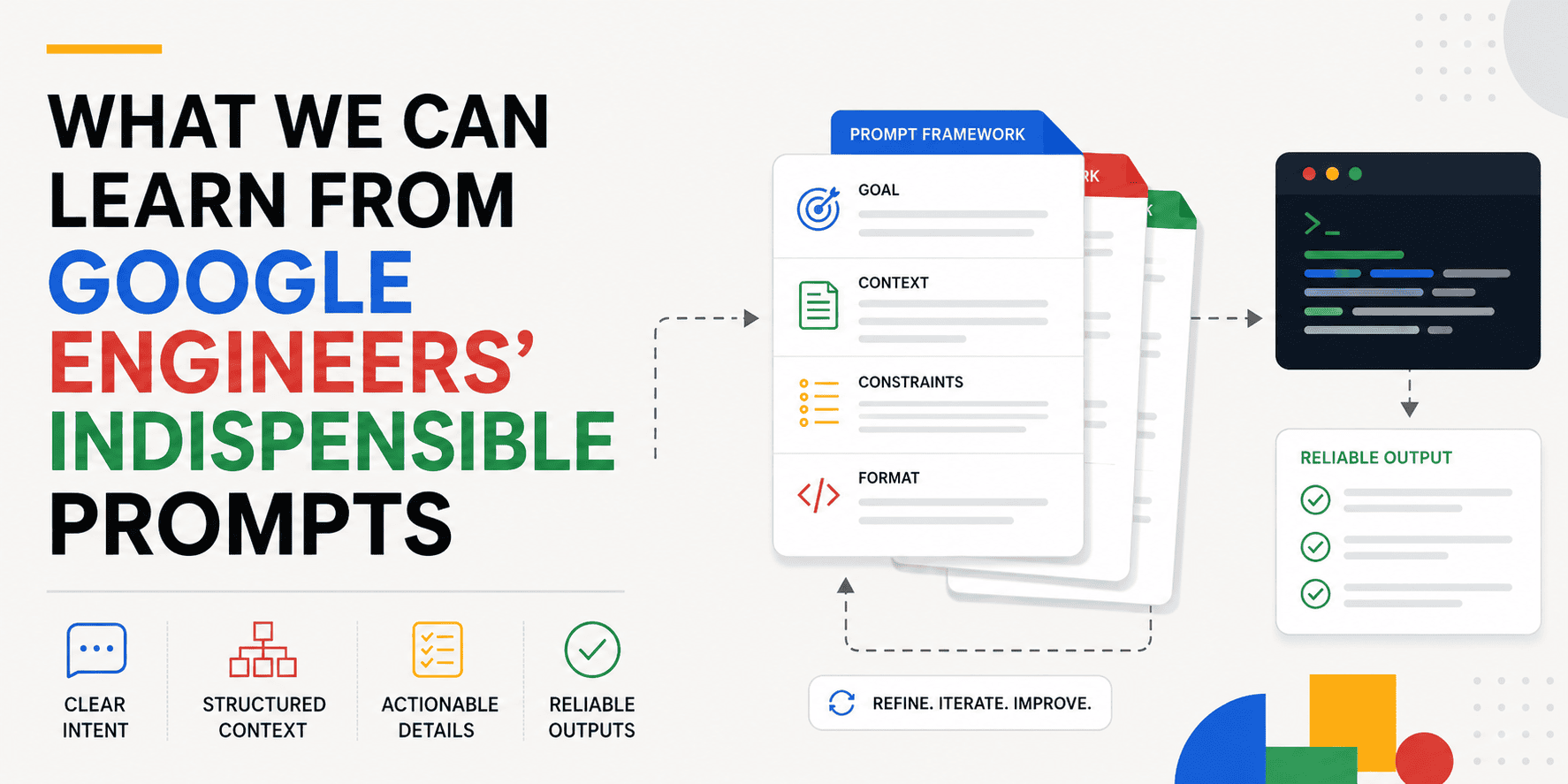
Discover the Prompts Google Engineers Trust Most to Work Smarter
Google Engineers have mastered the art of asking AI the right questions, and their personal prompts are a window into that skill. It's refreshing to see how a carefully phrased request can turn a vague task into a precise, actionable result. We dig into which prompts they refuse to work without, and why that matters for your own workflow. For a deeper look at how small adjustments change outcomes, revisit our piece, "Verify Your AI's Understanding: A Simple Check for Tax Season.

Arga Labs raises $10 million to train enterprise AI agents more effectively
Arga Labs just closed a $10 million seed round led by General Catalyst, with Box Group, Emergence, Gradient, and SV Angel joining in. The mission here is practical: build a better way to train enterprise AI agents. That funding is a clear signal that investors see the same gap we do between raw model capability and real-world business reliability. Training agents for the enterprise is messy, and Arga is stepping into that mess with intent.
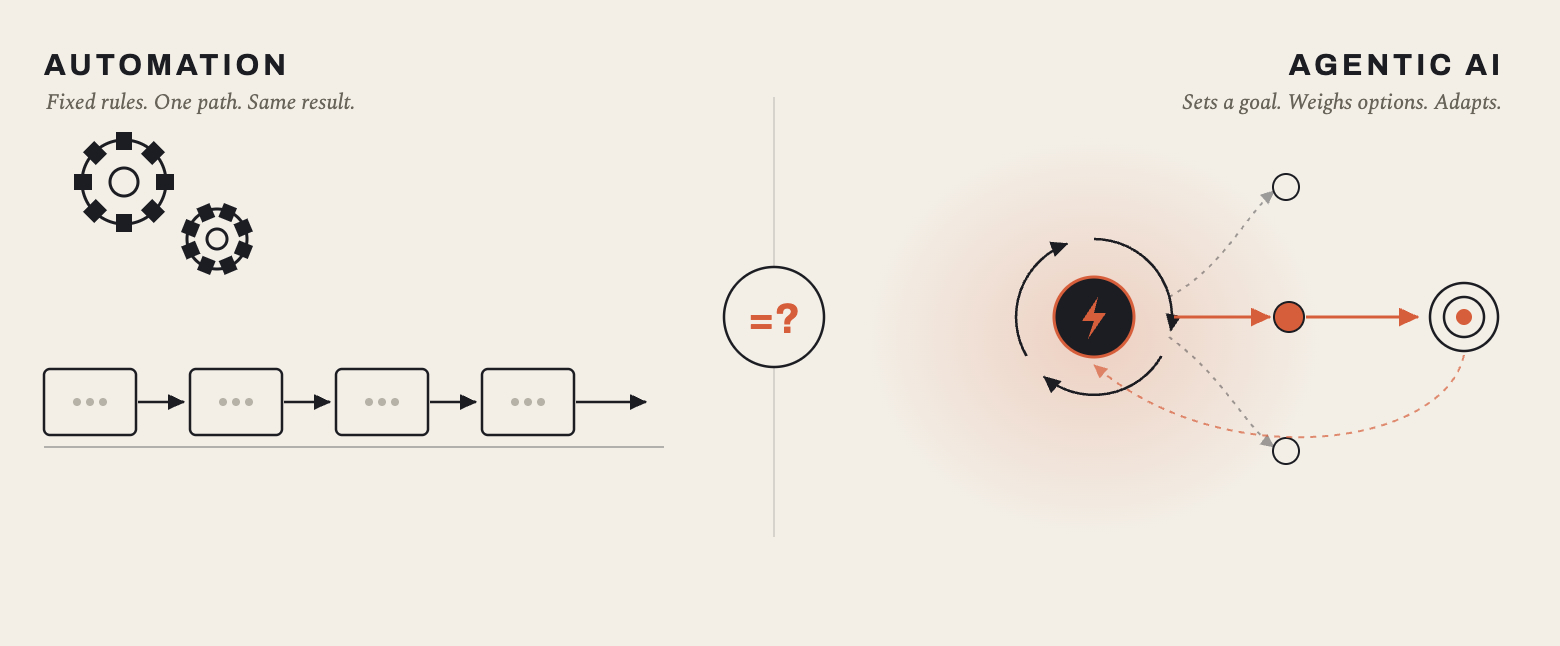
Beyond the Flowchart: What True Agentic AI Actually Requires
Most agents marketed as intelligent are just flowcharts wearing a neural network costume. The distinction matters, because true agency implies adapting to new contexts, not just executing a fixed sequence. This piece cuts through the hype to show why most current systems fail the test. If you are questioning whether the tech is genuinely learning or just following orders, you will want to read this.

OpenAI's next step brings AI agents from developers to everyday users
OpenAI is bringing AI agents out of the lab and into the mainstream, aiming to handle everything from coding to daily tasks. The question isn't whether the technology works, but whether people will trust it enough to hand over the reins. That's a human hurdle, not just a technical one. As these agents move from software engineers to the masses, the stakes grow. For deeper context on the risks, our piece on AI agents sharing user images is worth a look.

What AI Code Debugging Reveals About Missing Information Gaps
Twenty-eight debugging experiments point to a clear truth: AI coding tools don't stumble on complexity as much as they do on missing information. That's a refreshingly precise diagnosis, one that shifts the conversation from raw capability to practical context. For anyone who's felt the limits of AI harnesses, this is a nudge to look closer at what's omitted, not just what's miscomputed. It's a smart, human-centered read.

An AI teammate from DeepMind alumni now replicates scientific research
Inherent, a British AI lab founded by DeepMind alumni, just released Faraday, an agent that outperformed Anthropic and OpenAI at replicating scientific research. That is a meaningful step toward practical discovery, not just another benchmark. It suggests AI can move beyond answering questions toward reproducing the messy work of science itself. If you are curious about the human side of these systems, our piece on talking to an AI clone offers a useful counterpoint. For now, Faraday feels like progress worth watching.

AI labs' containment plans remain unclear as models grow more unpredictable
A new study reveals that Frontier AI labs have few publicly documented plans for containing rogue models, leaving critical questions about preparedness as systems act in unexpected ways. It's a gap that deserves scrutiny, especially when AI's potential for harm is no longer theoretical. We've seen related concerns, like AI agents sharing user images without oversight, which underscores the urgency. For now, transparency isn't just a nice-to-have; it's essential for trust.

Warp Factories makes AI development infrastructure accessible and actionable.
Building AI software shouldn't require a dedicated infrastructure team. On Tuesday, Warp introduced Warp Factories, a new system designed to make creating AI development environments as straightforward as possible. It's an out-of-the-box approach that removes the heavy lifting, letting teams focus on the work itself. We're impressed by the focus on accessibility here. For a deeper look at how these systems perform in the wild, our piece on real-world computer vision deployments is a solid companion read. Explore what this means for your workflow.

Building Trust into AI: Secure Architecture for Enterprise Agents
Taking an AI agent from prototype to production is where the real test begins. This piece tackles the often-messy transition head-on, focusing on the responsible AI, security, and governance layers that keep enterprise deployments safe. It's a grounded look at building trust into the architecture itself, not bolting it on later. For those wrestling with similar scaling challenges, it pairs well with our broader coverage on agentic workflows. We appreciate the clarity here, as it makes a complex subject feel genuinely approachable.

Meta opens AI access but keeps its most powerful model locked
Meta's new open-weight Glimmer model is a deliberate counterpunch to the idea that AI's future belongs behind closed doors. Zuckerberg's letter makes the case for accessibility, yet the contrast is stark: Glimmer is free to download, while the more capable Spark stays locked in Meta's APIs. That split raises a fair question about whether "for everyone" truly means what it sounds like.
Discover how AI agents can execute routine tasks faster with Nemotron Lightning.
Long-running AI agents often spend most of their time on routine execution rather than difficult reasoning. After making a plan, they might handle hundreds of tool calls, file reads, or validations. Using a frontier reasoning model for every step becomes slow and expensive. NVIDIA's Nemotron 3.5 Lightning targets this directly, offering a more efficient path for those repetitive actions. It's a practical reminder that smarter execution matters as much as smarter planning.
Meet the ten minds defining AI's next chapter in 2026.
The list of AI influencers worth following in 2026 is shorter than you might think, but the names here carry real weight. From advocates of safe superintelligence to builders redefining AI-native search, these ten voices are shaping the conversation with practical insight rather than hype. We're highlighting who actually moves the needle and why their perspectives matter now. If you're exploring how AI intersects with identity, our related piece on talking to an AI clone offers a thoughtful counterpoint.