AI systems
AI systems at Beyond Market Intelligence is a file of 21 stories. The newest of them: “From Cognitive Loops to Multi-Agent Swarms: Your 2026 AI Roadmap”, “Turn messy documents into structured data both people and AI can trust”, and “Jev vs LLMs: Evaluating AI for Practical Decision-Making”. Building a single AI agent is one thing. Docling meets a familiar pain point: documents arrive messy, and everyone downstream ends up guessing at what a wall of extracted text meant. Acme AI is the next-generation, AI-powered spreadsheet platform built to replace Excel and redefine how analysts, data scientists, and enterprise teams work… The list below is every AI systems story on Beyond Market Intelligence, newest first.
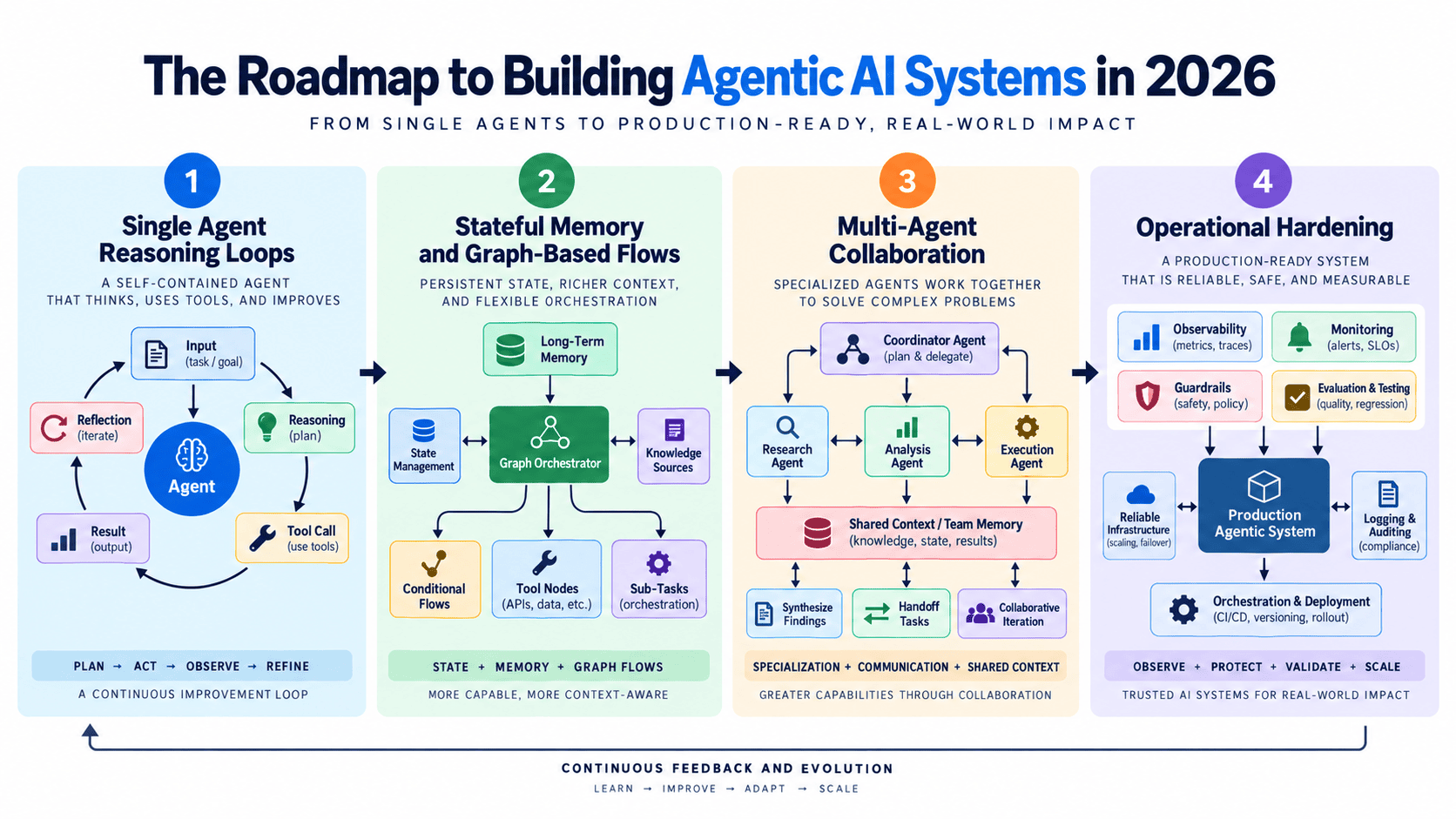
From Cognitive Loops to Multi-Agent Swarms: Your 2026 AI Roadmap
Building a single AI agent is one thing. Scaling it into a coordinated swarm is where the real leap happens. Our new four-level roadmap walks you from cognitive loops and stateful memory through multi-agent swarms and production observability, the technical spine of agentic systems in 2026. Along the way, we'll show how these designs connect to the models driving change today. Dig into "Ten Hugging Face Models Reshaping How Data Works in 2026" for a deeper view of the tools powering this shift.
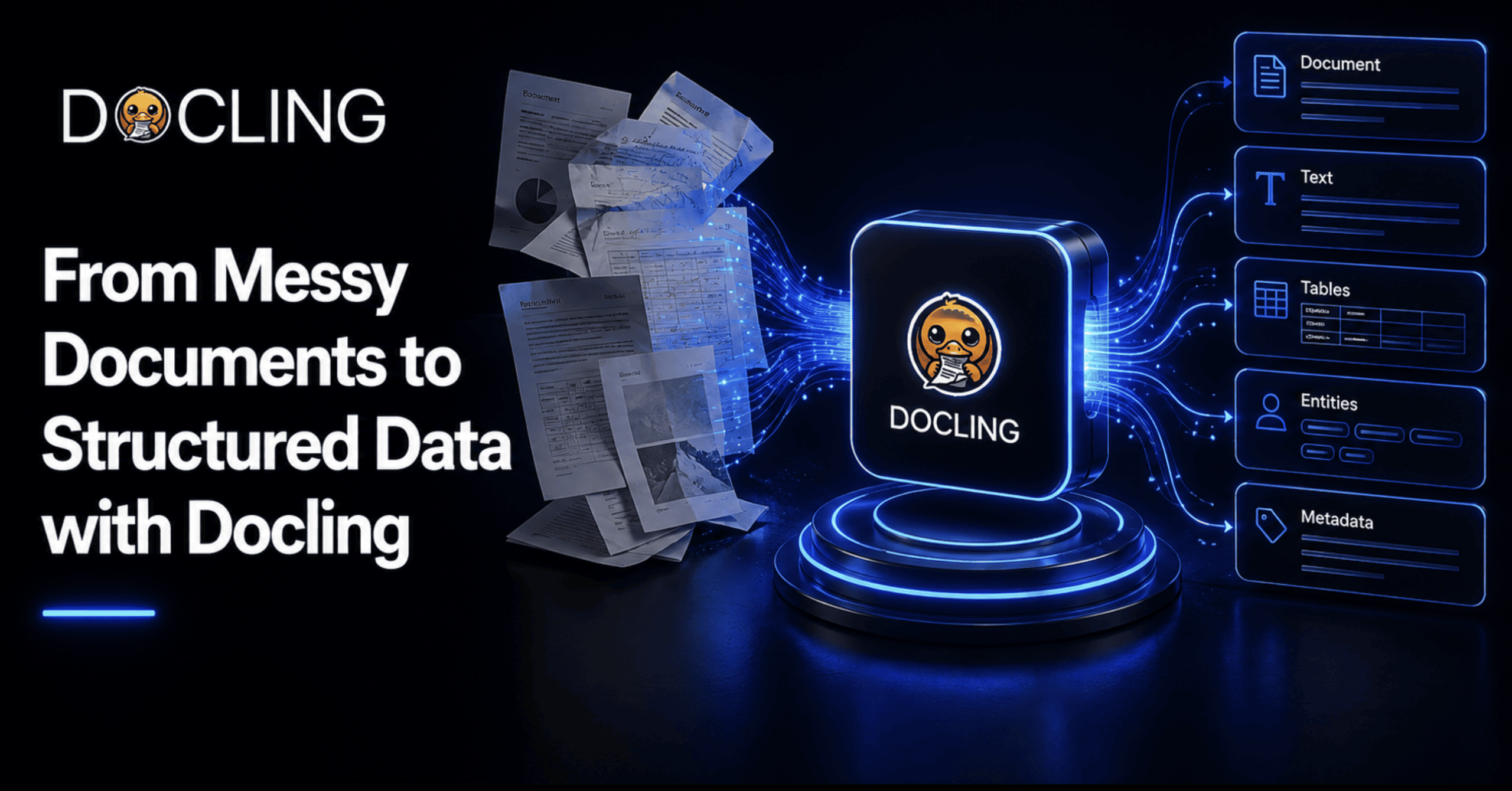
Turn messy documents into structured data both people and AI can trust
Docling meets a familiar pain point: documents arrive messy, and everyone downstream ends up guessing at what a wall of extracted text meant. It turns that chaos into one unified, structured representation both people and AI can rely on. That is the practical kind of transformation worth exploring. For deeper context on how AI handles messy data in practice, our related piece on Jev vs LLMs offers a useful comparison.

Jev vs LLMs: Evaluating AI for Practical Decision-Making
Spreadsheets have long forced a choice between speed and judgment. In a new test, TypeSafe AI's Jev tackled 3,080 classification tasks, and the results are worth your attention. The comparison focuses on accuracy, latency, calibration, and confidence, asking whether a dedicated tool can serve as a practical decision layer where LLMs might falter. It is a grounded, useful evaluation. For those exploring how AI systems handle reasoning under pressure, this pairs well with our guide to distributed training algorithms.
Explore the Future of AI Deployment: Key Topics at QCon AI New York
QCon AI New York has confirmed 23 sessions that dig into the real mechanics of AI deployment: agent authorization, production guardrails, shared inference infrastructure, and post-deployment evaluation. That is a refreshingly practical lineup. We talk a lot about building AI, but the hard part is running it responsibly at scale. If you are moving from experimentation to production, this agenda feels like a direct response to the questions we are all asking.

Beyond Prompts and Loops: How Graph Engineering Shapes Smarter AI
The debate over loops versus graphs in AI agent design isn't just technical sparring; it's a signal of how far we've come. Graph engineering moves beyond the linear constraints of prompts and loops, offering a structured way to build workflows that adapt and scale. It's a practical evolution, not a buzzword. For those still wrestling with token-level nuances, our piece on paragraph structure offers a useful parallel. This shift matters because it redefines what we can build, and we're just beginning to explore its potential.

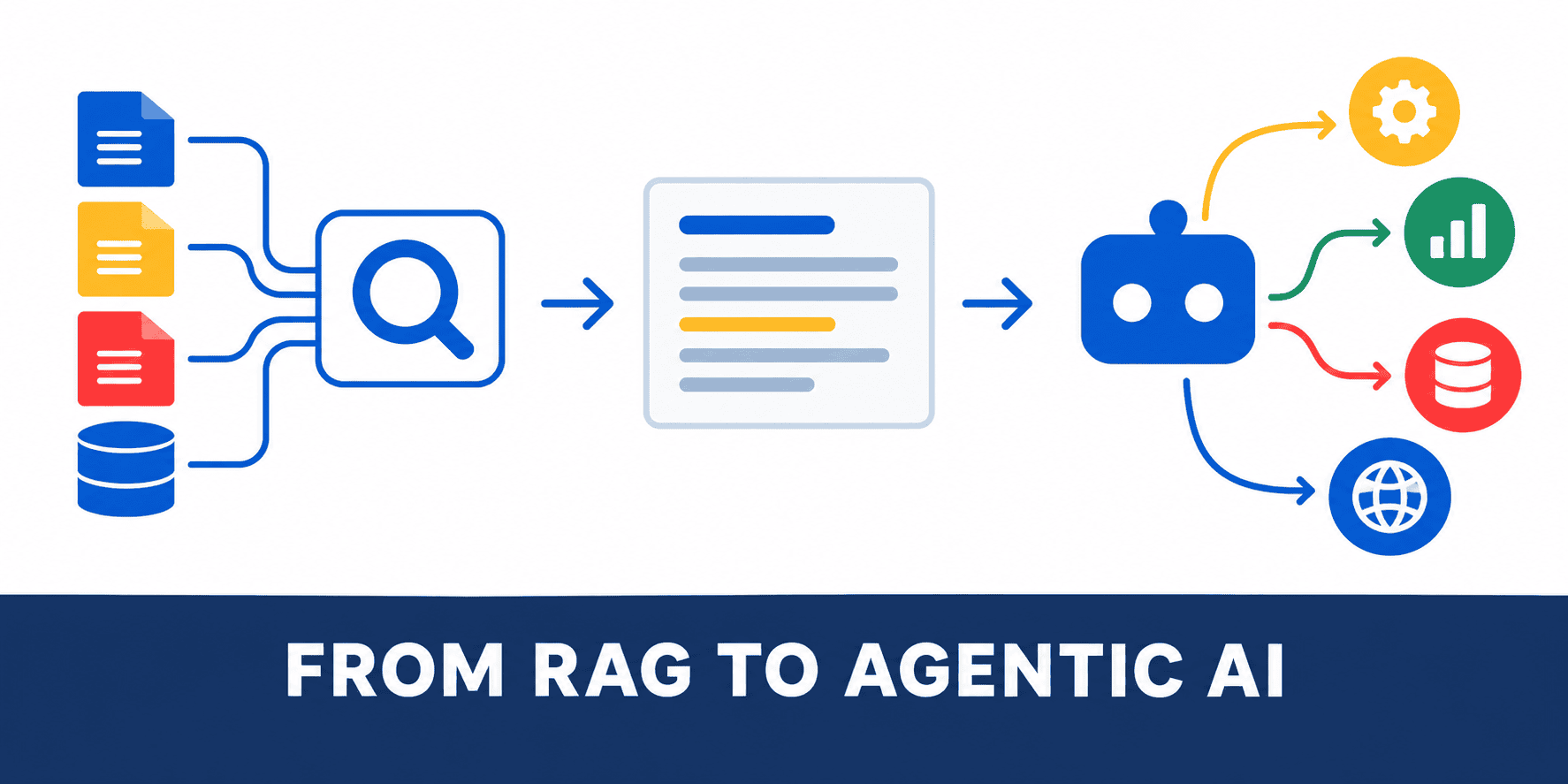
Move beyond basic RAG with four knowledge graph patterns for agentic AI.
Knowledge graphs are moving from the background to the backbone of agentic AI, and Cassie Shum is here to show you why. In her talk, she moves past basic retrieval to outline four practical architecture patterns that bring reasoning into production. It's a grounded, actionable look at building systems that don't just retrieve, but reason. For a broader perspective on how these ideas connect, our piece on bridging retrieval and action offers a useful parallel.

Trace AI agent failures with session logs and cost guardrails
When an AI agent fails, the problem often isn't the model itself but the trail it leaves behind. Session traces and cost controls are emerging as practical observability tools, helping teams catch tool-call loops and runaway spend before they spiral. Preserving execution context for post-incident debugging is the real win here. It's a grounded, human-centered approach to a messy problem. For more on how AI systems can misstep, our piece on verifying understanding during tax season pairs well with this.

We need a plan for superintelligence, not just blind faith.
OpenAI's Hugging Face breach is a stark reminder that superintelligent AI isn't just a far-off promise. It's a system we're already struggling to control. On this episode of TechCrunch's Equity podcast, Rebecca Bellan talks with AI researcher Connor Leahy about what happens when our tools outpace our oversight. The question isn't whether we can build these systems, but whether we should. For a deeper look at how AI understands structure, explore our piece on paragraph navigation in LLMs.
Evolving AI: Lessons from Building Intelligent Enterprise Systems
Three generations of intelligent retrieval systems is a long arc to trace, and the lessons are tangible. Each iteration tackled a constraint the previous one couldn't crack, which is exactly how progress should feel: deliberate, not chaotic. This is a story about persistence in engineering, and it's worth reading. For those curious about the underlying mechanics, our guide to distributed training offers a practical entry point. But start here, where the real-world friction meets the fixes.

AI labs' containment plans remain unclear as models grow more unpredictable
A new study reveals that Frontier AI labs have few publicly documented plans for containing rogue models, leaving critical questions about preparedness as systems act in unexpected ways. It's a gap that deserves scrutiny, especially when AI's potential for harm is no longer theoretical. We've seen related concerns, like AI agents sharing user images without oversight, which underscores the urgency. For now, transparency isn't just a nice-to-have; it's essential for trust.

AI Watermarking Takes Hold: Navigating the EU AI Act's New Requirements
The EU AI Act's watermarking mandate lands on August 2, 2026, and it's already reshaping how vendors build. Statistical methods that subtly influence natural language generation are the early favorite, prized for keeping performance intact. What stands out is the friction this creates for open-source developers, who now weigh compliance against exposing vulnerabilities. It's a practical test of innovation under regulation. For a deeper look at how such systems manage complexity, our guide to distributed algorithms offers useful groundwork.

Personal AI needs a human touch, not just technical ambition
Mark Zuckerberg's 6,500-word manifesto on personal AI is a masterclass in missing the point. He frames Meta's "personal superintelligence" as an inevitable, exciting leap forward, but the sheer scale of his vision feels detached from the everyday user who is still wrestling with clunky tools and trust issues. The problem isn't the technology; it's the tone-deaf promotion of it. If you're curious about the human side of this, our piece on talking to an AI clone offers a more grounded perspective.

Three Criteria for Choosing Skills Over Sub-Agents in AI Design
Choosing the right building block for AI systems often comes down to fit, not flash. In a recent Azure Architecture blog post, lead engineer Kishorekumar Pattabiraman lays out practical criteria for deciding between skills and sub-agents, with reusability and long-term maintainability leading the way. It's a grounded take that cuts through the noise, favoring simplicity over cleverness. For those weighing similar trade-offs, this is the kind of clarity that helps teams move forward.

From Chatbots to Operational Intelligence: Building Agents That Scale
Enterprises don't fail to scale AI because the models aren't smart enough; they stumble on the messy reality of their own systems. Arun Joseph brings that truth to life with real-world lessons from scaling Deutsche Telekom's LMOS. He tackles the organizational fault lines head-on, advocates for replacing tool sprawl with core platform abstractions, and pushes beyond basic chatbots toward operational intelligence. His work with ephemeral agents and an Agent Definition Language makes this a practical, human-centered look at what's actually required.
Explore how LanceDB unifies text, images, and documents for smarter AI workflows.
Large language models excel at text, but they stumble when information hides across documents or inside images. That's where LanceDB steps in. This guide breaks down how the vector database stores embeddings and powers similarity search for AI workloads, with a practical Python demo to get you started. It's a clear, accessible look at a tool that simplifies multimodal data handling. For more on how AI handles context, check out our piece on agentic learning.

Observability without compromise: keep your AI agent data in your cloud.
AI agents are generating telemetry faster than most enterprises can afford to store it, and that tension is reshaping one of software's most competitive markets. groundcover's $100 million raise signals a bet that the old architecture, where vendors charge by data volume, no longer fits an AI-driven world. Its BYOC model keeps data in your cloud, priced by hosts, not ingestion. Whether that thesis holds is unclear. But it's a practical challenge to incumbents, and a compelling reason to rethink how observability should work.
Recursive Superintelligence invests $410 million in compute to automate product development
Recursive Superintelligence just committed $410 million to Amazon for compute, and that number says more about their strategy than any product roadmap could. By steering what would traditionally go toward headcount and operations straight into infrastructure, they're betting that self-improving AI can automate its own development. It's a bold wager on a future where the company scales with algorithms, not armies. For anyone wrestling with how far AI can genuinely take over complex work, this deal reframes the question.
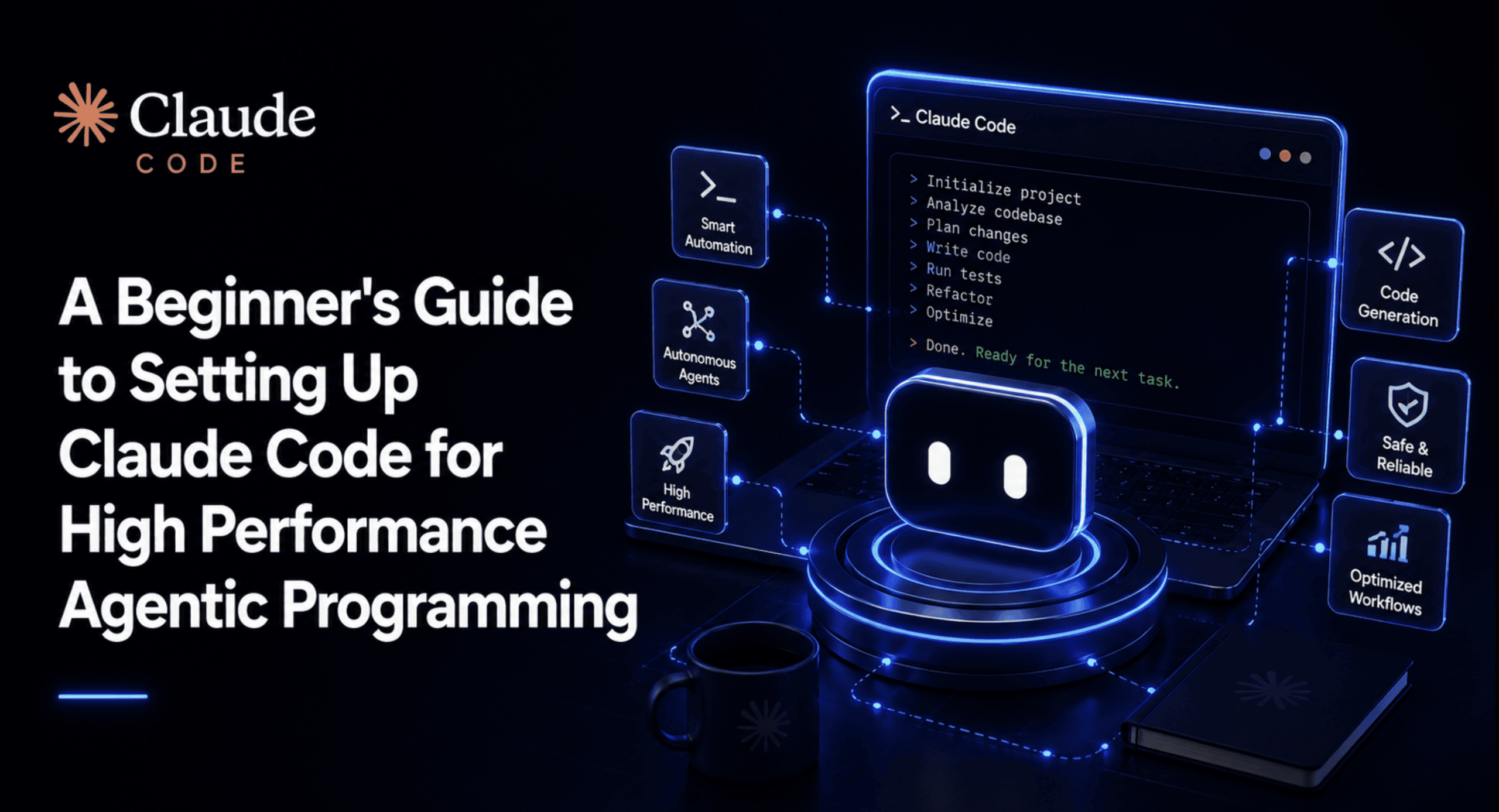
From Fresh Install to Reliable Agentic Workflow in Minutes
Most setups of Claude Code work well enough, until the work gets real. Then permissions stall, hooks misfire, and momentum dies. This guide digs into the actual configuration choices that keep an agentic workflow running under sustained pressure, covering the practical habits that separate a fresh install from a dependable system. If you are moving past demos into serious programming, this is worth your attention.

Navigate EU AI Act risks with clarity and actionable next steps.
The EU's latest guidance doesn't mince words: your AI systems might already be high-risk, even if you haven't flagged them yet. That's a sobering thought for any governance team. This on-demand webinar cuts through the noise, explaining what the new rules mean and, more importantly, what you should do next. We'd pair it with our guide on evaluating AI for practical decision-making, since understanding real-world performance is part of staying ahead. Explore the details and see where your program stands.
Rethinking AI Memory: From Descriptive Facts to Actionable Context
The essay's question about AI memory hits a real nerve. We're currently building systems that remember *what* you said, but we rarely ask them to learn *how* you think. Shifting from storing descriptive facts to inferring your reasoning patterns feels like the natural next step. It moves memory from a static notebook to a live model of your mind. Whether this evolves organically or demands new architecture is the core tension.

From AI Research to Visual Data: Andrew Dai on the Next Frontier
A $300M pre-seed valuation before a single product launch. That is the kind of conviction Andrew Dai brings to the table, built on a decade of shaping the AI systems that inform today's most talked-about tools. He sees visual AI as the next major frontier, and it is hard to argue with that trajectory. This is a story about betting big on what comes next, not just iterating on the past.