ai
Beyond Market Intelligence keeps ai in one place: 790 stories so far. The section currently leads with “Empowering builders: a free year of Claude Team plus $1,000 in credits”, “Turn beauty inspiration into salon-ready plans with AI guides”, and “Mistral Large 4 enters the arena, inviting you to explore the next step in data evolution”. We created this program because the biggest AI gains will come from the companies building on top of models, not from the models alone. Turning beauty inspiration into actionable salon plans has always been a fuzzy process, but Pinterest's new AI-powered Beauty Guides bring clarity. Acme AI is the next-generation, AI-powered spreadsheet platform built to replace Excel and redefine how analysts, data scientists, and enterprise teams work… The list below is every ai story on Beyond Market Intelligence, newest first.

Empowering builders: a free year of Claude Team plus $1,000 in credits
We created this program because the biggest AI gains will come from the companies building on top of models, not from the models alone. That's why we're offering builders a free year of Claude Team plus $1,000 in credits, an invitation to transform how they work with data. If you're ready to move beyond static spreadsheets, start building. For deeper guidance on Python AI libraries, our article on building production-ready SDKs is worth exploring.

Turn beauty inspiration into salon-ready plans with AI guides
Turning beauty inspiration into actionable salon plans has always been a fuzzy process, but Pinterest's new AI-powered Beauty Guides bring clarity. These tools translate saved Pins into precise salon terminology, then layer in estimated costs, appointment times, and maintenance needs. It's a practical step toward making AI feel helpful rather than hypothetical. For more on how AI is reshaping everyday tools, see our coverage of Mistral Large 4 entering the arena.

Mistral Large 4 enters the arena, inviting you to explore the next step in data evolution
Mistral Large 4 enters the arena with a clear goal: leapfrog both American and Chinese rivals. The French AI lab's new multimodal model invites us to explore the next step in data evolution. We appreciate the ambition. For those exploring AI tools while valuing privacy, our coverage of LibreOffice's decision to keep AI out of its default setup offers a thoughtful counterpoint. Mistral's move feels like a genuine challenge to the status quo.
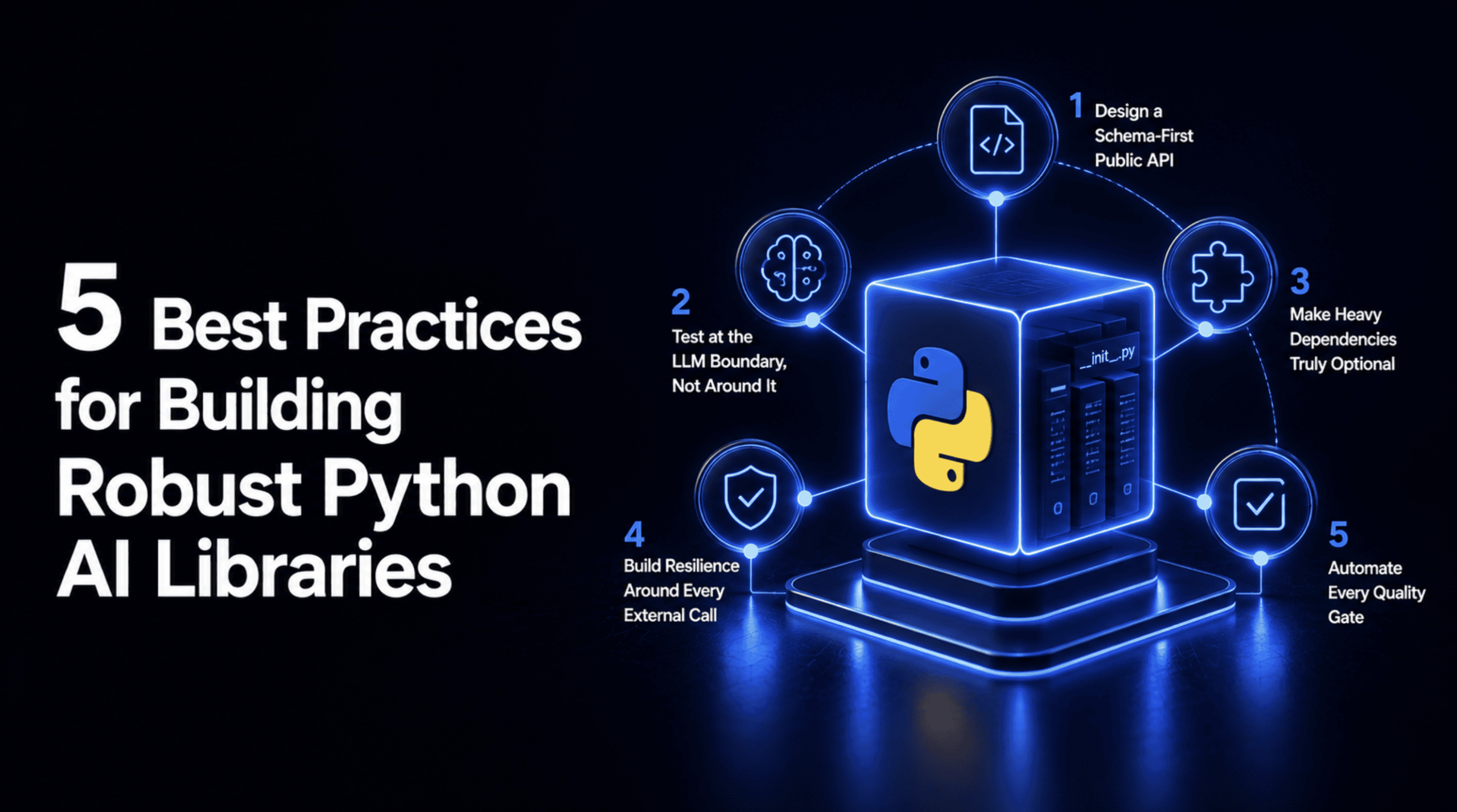
From demo to production: build Python AI libraries that deliver
Building a Python AI library that works in a demo is one thing. Making it survive production is another. This guide cuts through the noise, covering the best practices that separate a polished SDK from a prototype. It's about writing code that delivers real outcomes, not just clever demos. For more on how AI transforms workflows, see our coverage of "Discover how Dots by OpenAI transforms chaotic meetings into clear actions."

Discover how Dots by OpenAI transforms chaotic meetings into clear actions
Dots by OpenAI turns chaotic meetings into clear actions, no more sifting through hours of rambling transcripts. It listens, distills, and hands you next steps without the noise. For teams drowning in back-to-back calls, that's a welcome shift. If you're curious about how OpenAI navigates transparency, our coverage of the company adding watermarks to AI text under EU rules offers useful context. Explore Dots when you're ready to reclaim your calendar.

Investors double down on AI chip startup Etched amid fresh funding offers
Doubling down with offers at double or more its current valuation just months after a major raise, the AI chip startup Etched is drawing serious investor confidence. That kind of rapid reinvestment signals belief in a tangible, near-term future for specialized AI hardware. It's a pragmatic bet, not hype. For context on the broader innovation ecosystem fueling such momentum, see our coverage of the Startup Battlefield judges at TechCrunch Disrupt.

AI-Powered Dating Advice Puts Safety First for a New Generation
Hot Girl Hotline isn't another dating app, it's a safety net built by two sisters who understand what young women actually need. Their AI delivers personalized relationship advice without the emotional dependency that so many digital tools accidentally create. It's refreshing to see innovation focused on protection, not engagement metrics. For a deeper look at how AI keeps people safe in other contexts, read how Safeworld is building digital humans to prevent real-world harm.

Five startups earning trust and traction at PearX demo day
Five startups earned real traction at PearX demo day, and the buzz was earned. Spatial models and chips for local AI stood out, proof that practical innovation still wins trust. We've covered how AI shapes human decisions elsewhere, like in *When AI Models Speak Above Their Users, Clarity Pays the Price*. These founders aren't chasing hype. They're building tools that solve genuine data and hardware problems. That's what makes a demo day worth watching.

Founders weigh open versus closed AI at Disrupt 2026
Founders at Disrupt 2026 are confronting a defining question: open or closed AI? The choice shapes everything from flexibility to control, and there is no universal answer. We examine how builders are navigating this decision, weighing transparency against performance. For deeper context on how startups are earning real traction, explore our coverage of "Five startups earning trust and traction at PearX demo day." Register now to save up to $100 and get a second pass at 50% off.
Excel users share frustrations over data quirks and constant update fatigue
Excel users are voicing familiar frustrations: leading zeros that vanish, design choices that feel like puzzles, and the relentless pace of updates in 365. The top discussion this week captures a shared exhaustion, not with data itself, but with the workarounds required to manage it. When the most celebrated macro is simply "Filter by active cell," it signals a deeper need for tools that adapt to how people actually work.

Navigating the road ahead with a clearer view of robotaxi regulation
Robotaxi rules are finally getting the clarity they deserve, and that clarity matters for everyone building on this technology. As regulators map the road ahead, the real opportunity is making autonomous mobility accessible rather than abstract. The same spirit of practical innovation is reshaping data infrastructure, something Anthropic's $500 billion bet makes clear. We are watching transportation evolve from novelty to necessity, and the companies that prioritize human outcomes over hype will define what comes next. Explore the full picture with us.

Anthropic's $500 billion bet reshapes the future of data infrastructure
Anthropic's $500 billion bet signals that the future of data infrastructure belongs to those who build for intelligence, not just storage. This isn't about incremental upgrades to legacy systems. It's a deliberate investment in a new foundation where AI-native design replaces old constraints. For teams feeling the limits of traditional tools, this move validates what many have suspected: the spreadsheet as we know it is becoming obsolete. Explore how this shift connects to the evolving roles discussed in "The Forward Deployed Engineer" for deeper context.
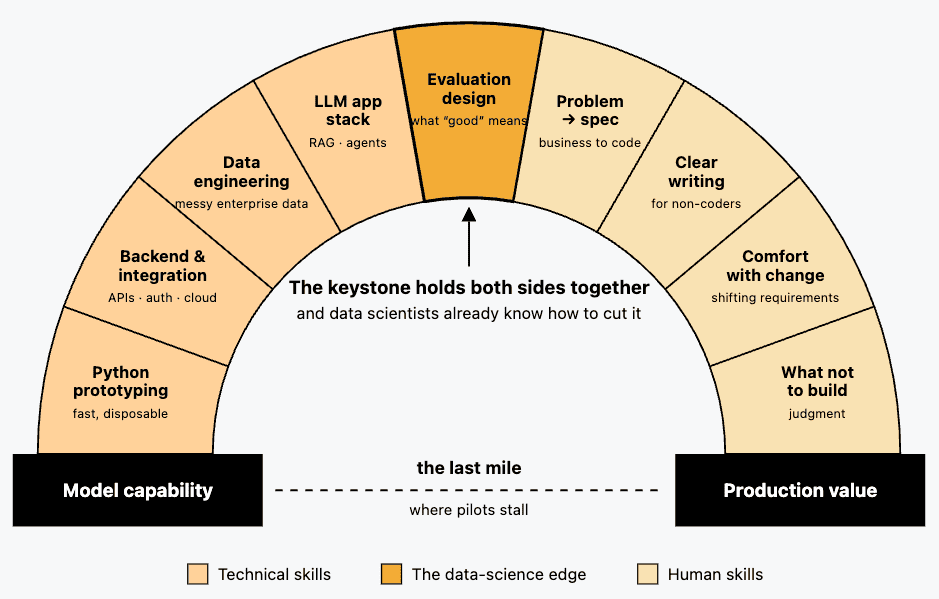
The Forward Deployed Engineer: A New Role or a Familiar Model
The title asks a fair question: is the forward deployed engineer a genuinely new career path, or just an old model wearing a fresh label? We think it's more than rebranding. This role bridges the gap between building AI systems and making them work in messy, real-world environments. It demands technical depth and human empathy. For a deeper look at how engineering leaders are shaping production systems for an agentic future, our coverage from QCon San Francisco offers practical insight.
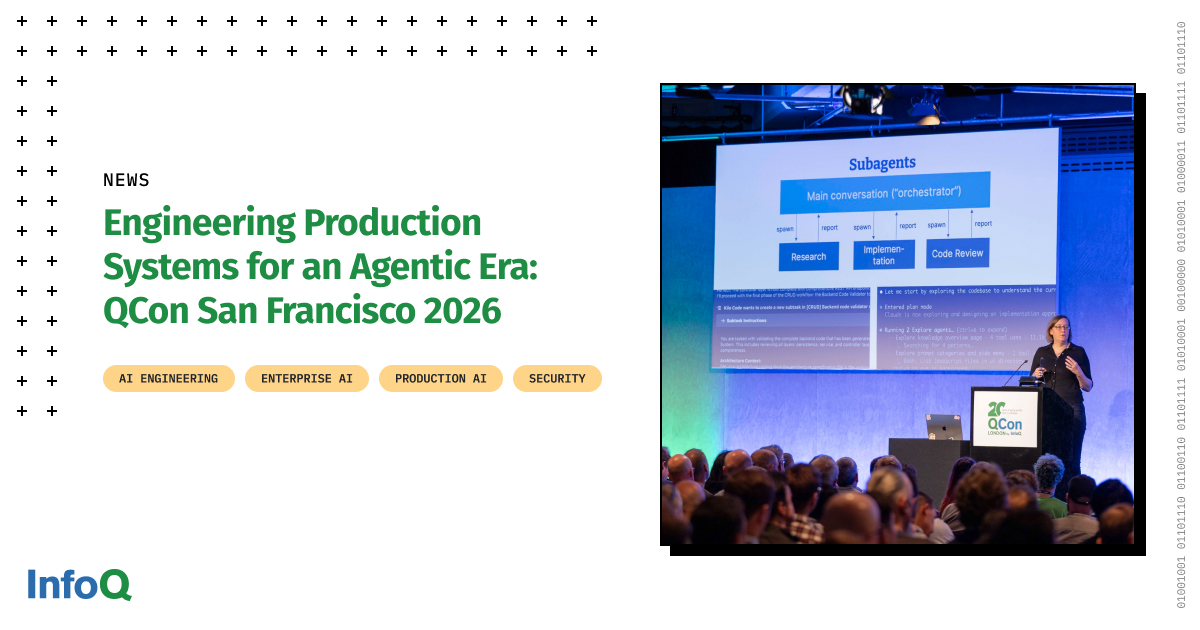
How engineering leaders are shaping production systems for an agentic future
The QCon San Francisco 2026 lineup reads like a blueprint for the next era of engineering. Airbnb, OpenAI, Netflix, and Honeycomb are sending practitioners, not visionaries, to share how they build production systems as AI agents take on more responsibility. This is not theory. It is the messy, practical work of evolving infrastructure under real load. For deeper context on the talent shifts shaping this world, see our coverage of how OpenAI parts with three researchers over data handling concerns.

Chat with Sidekick to build your store and see it take shape instantly
Shopify's new Canvas builder lets merchants create a store by chatting with its AI agent, Sidekick, and watching the site take shape in real time. That's a meaningful step forward. Instead of wrestling with templates, you describe what you need, and the interface responds instantly. It makes store building feel more like a conversation than a technical task. For a deeper look at how plain language transforms data workflows, see our piece "Describe Your Data in Plain Words and Let AI Feed Your Spreadsheet Continuously."

Explore book worlds and talk to characters with Audible's new AI tools
Audible's new AI tools let you track characters and explore the worlds inside your audiobooks. You can even talk to the characters themselves. That's not just a clever feature, it's a shift toward making stories feel alive. We see the same logic in how Shopify's Canvas builder lets merchants chat with an AI agent to shape a store. When tools let you converse with your data, the work becomes more human.

From Ops Data to Action: How AI Makes Production Systems Understandable
Production systems have long been black boxes, spitting out data without context. This panel, featuring Michael Hausenblas, Sujana Sooreddy, Noam Levi, and Renato Losio, shows how AI changes that, turning operational data into actionable insights for incident response. It's a practical look at making systems more understandable through automation and new architectural practices. For a deeper dive into AI transforming workflows, see our related article on AI-powered spreadsheets.
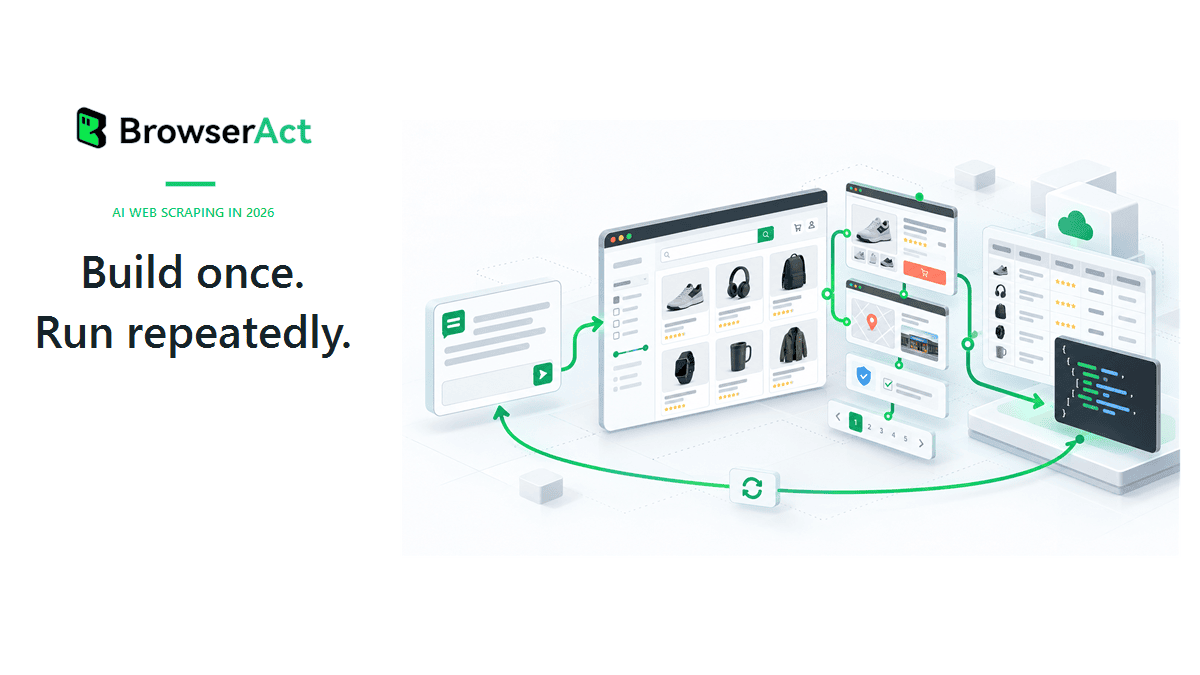
Describe Your Data in Plain Words and Let AI Feed Your Spreadsheet Continuously
Describing your data needs in plain words shouldn't require a manual. This approach turns websites into a continuous source of fresh information, feeding your spreadsheet without constant upkeep. We see it as a practical step toward a more intuitive workflow. For a broader look at how AI is reshaping data handling, our piece on transforming your data workflow with AI-powered spreadsheets offers useful context. The goal here is simple: less time managing inputs, more time acting on insights.

Transform Your Data Workflow with AI-Powered Spreadsheets
Traditional spreadsheets weren't built for the speed of modern decisions. They demand manual formulas and endless scrolling. AI changes that. Jev, a decision-making model from TypeSafe AI, delivers typed probabilities instead of raw text, letting you act faster, not just read more. This is the shift toward tools that think with you, not for you. If you're ready to move beyond static cells, explore how AI can transform your data workflow. For deeper context, see our coverage of Jev's approach.

Jev delivers typed probabilities, not text, for faster data decisions
Spreadsheets have always been a compromise between power and usability, but that trade-off is starting to feel optional. Daniel Curtis reports on a new AI-native approach that treats the grid as an interface for natural language reasoning rather than a manual calculation engine. The technology doesn't just automate formulas, it reframes what a spreadsheet can *be*, letting users ask questions in plain language and get structured answers back.

Why the smartest AI builders are stepping back from consumer apps
Frontier labs are stepping back from consumer AI, and it's not because the tech falls short. The smartest builders recognize that consumer apps demand scale over substance, pulling focus from where AI truly transforms work: enterprise productivity. We've seen this shift validated in BAG Ventures' $11.3M fund dedicated to real-world AI startups. The message is clear, building for users means solving actual problems, not chasing the next viral feature.

Beyond Scaling: Cerebras on the Future of AI's Compute Demands
Andrew Feldman, CEO of Cerebras Systems, is set to challenge the AI industry's assumptions at TechCrunch Disrupt 2026. He'll confront a simple question: what happens when today's hardware can't keep up? Cerebras is building differently, not just faster chips, but a fundamentally different approach to compute, energy, and infrastructure. This isn't about incremental upgrades. It's about rethinking the ceiling. For context on why some builders are stepping back from consumer AI, see our related piece on frontier labs.

BAG Ventures raises $11.3M to back AI startups built for real enterprise use
BAG Ventures has closed an $11.3 million Fund I with a clear mission: back AI startups built for actual enterprise use, not just buzz. That focus matters. Too many AI tools impress in demos but fail under real workflows. This fund aims to change that. For deeper context on the broader AI investment wave, readers can explore our coverage of EliseAI securing $350 million and doubling its valuation in a single year. The enterprise AI space is accelerating, and BAG Ventures is positioning itself wisely.

EliseAI secures $350M, doubling its valuation to $4B in just one year
EliseAI just closed $350M in new funding, doubling its valuation to $4B within a year. That kind of acceleration says less about luck and more about the market finally catching up to what AI-native tools can actually do. It's a signal worth watching, especially as we see similar momentum across the sector, like Meta's AI turning dull tasks into real savings. Investors are rewarding substance, not hype. We're curious to see how EliseAI builds on this pace.