analytics
25 stories filed under analytics on Beyond Market Intelligence. The newest of them: “CedarDB unifies operational and analytical data as AI agents demand more”, “A 2016 Patent Reveals the Agentic Loop Behind Analytics”, and “Build a complete data science stack for free with these open-source AI tools”. Traditional databases force you to choose: optimize for operational speed or analytical depth. In 2016, I filed a patent on real-time concert feedback. Acme AI is the next-generation, AI-powered spreadsheet platform built to replace Excel and redefine how analysts, data scientists, and enterprise teams work… The list below is every analytics story on Beyond Market Intelligence, newest first.

CedarDB unifies operational and analytical data as AI agents demand more
Traditional databases force you to choose: optimize for operational speed or analytical depth. CedarDB refuses that trade-off. Its engine was built from the ground up to handle both, a design choice that looks prescient as AI agents demand real-time access to live data alongside complex queries. This isn't an incremental upgrade, it's a different foundation. For a glimpse at how agents are already reshaping workflows, see our piece on Floqer's approach to prospect research.
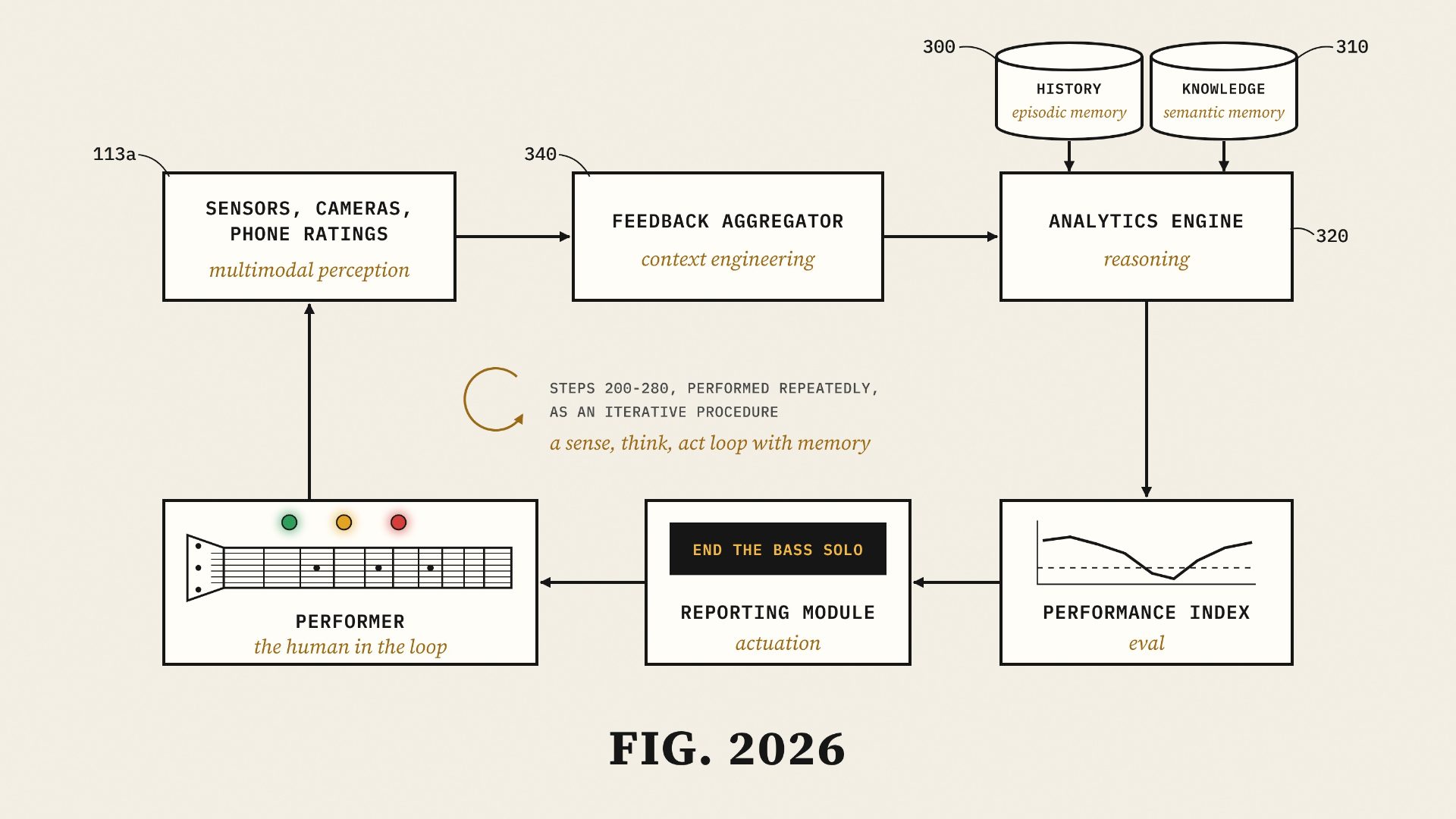
A 2016 Patent Reveals the Agentic Loop Behind Analytics
In 2016, I filed a patent on real-time concert feedback. Re-reading it now, the frame was wrong. We called it analytics. What we actually specified was an agentic loop: multimodal perception, memory-grounded inference, and a human in the decision path. That architecture was right. A decade of hindsight shows what agent builders still miss. For deeper context on how AI models handle perception differently, see our coverage of the vision AI benchmark where GPT-4o invented answers and Claude stuck with B.
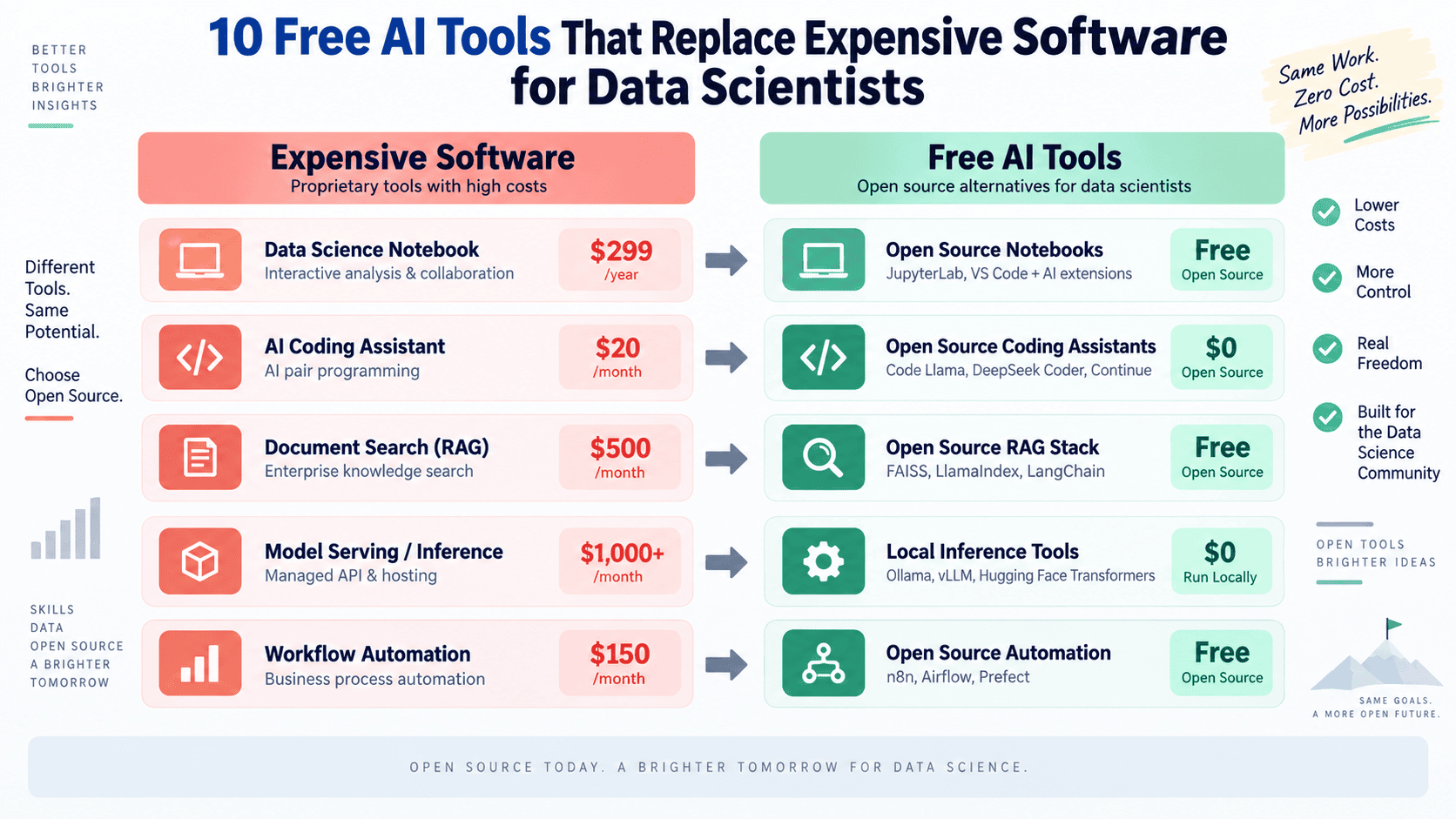
Build a complete data science stack for free with these open-source AI tools
Building a production-grade data science stack doesn't have to strain your budget. Open-source AI tools now match, and sometimes exceed, the capabilities of their paid counterparts, giving you a complete toolkit for free. This is about empowerment, not compromise. If you've been exploring how smarter workflows can transform your practice, our piece on semi-supervised learning as an underrated path offers a fitting next step.

Stop Overpaying for AI Tools Hidden in Your Data Workflow
If you're feeling constrained by traditional spreadsheets, it's time to explore a solution that empowers your data journey. Jev delivers typed probabilities, not text, for faster data decisions. TypeSafe AI, founded by former OpenAI researcher Diogo Almeida, has introduced Jev, a decision-making model that generates calibrated probabilities for any given text prompt. This isn't another chatbot. It's a tool built for clarity, giving users actionable numbers instead of verbose answers. We find this approach refreshingly direct.

Unlock New Reasoning Power: A Deep Dive into Claude Opus 5.5
Claude Opus 5.5 reasons on every request, responds faster, and costs less to run. That combination is worth pausing over, because it points to a model designed for practical work rather than just benchmark bragging. Anthropic packed real upgrades into its latest flagship, and the implications for everyday data tasks are significant.

Unlock Data Insights: Building a Lakehouse with DuckDB and DuckLake
A single Parquet file on your laptop might not feel like a data lakehouse yet. But when you join that local data to cloud storage in the same query, the picture sharpens. DuckDB and DuckLake make this transition straightforward, not theoretical. It is a practical path from isolated files to a unified analytics layer. If you are tired of wrestling with complex infrastructure, this walkthrough feels like a breath of fresh air.

Test your model's foundation before trusting its results
Every model leans on assumptions, but how often do we pause to check if they still hold? This piece tackles that question head-on, arguing that reliability isn't a one-time achievement but a habit of revisiting what we take for granted. It's a sharp reminder that data work rewards curiosity over complacency. If you're building systems, this is worth your attention. For a deeper look at how similar principles apply in practice, our related article on real-world computer vision deployments offers a fitting follow-up.
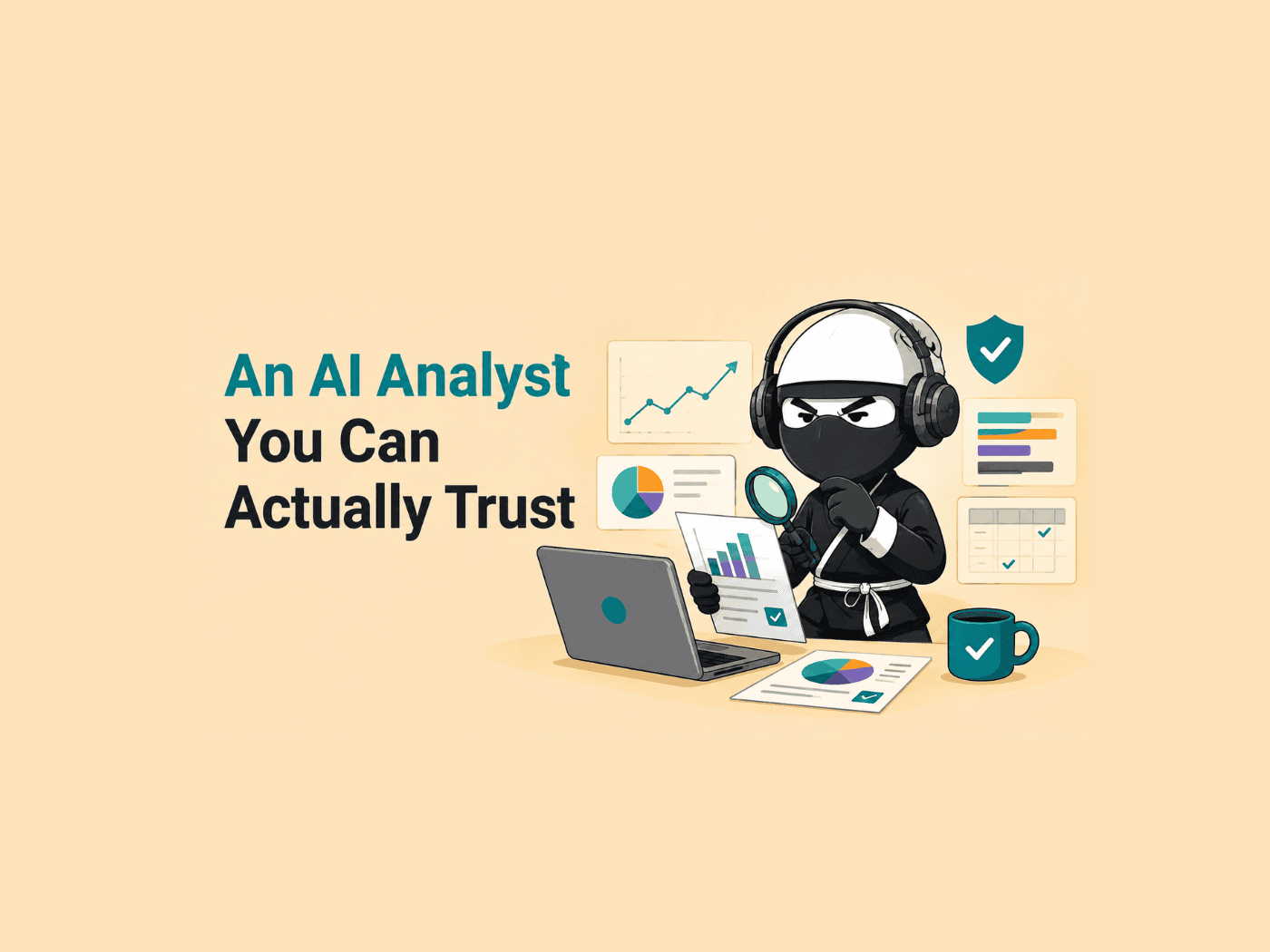
Build an AI pipeline that verifies every number before it answers
A spreadsheet that confidently gives you a wrong number is just a rumor with a toolbar. That's why we built a six-stage pipeline for an AI data analyst that thinks like a senior analyst: it checks its numbers before calling anything an answer. It's a disciplined approach to verification, not hype. If you're tired of tools that guess, explore this. For a related primer on the underlying mechanics, our guide to distributed algorithms is a solid starting point.

Build smarter data models with SQL transformations you can test and trust
Struggling to keep SQL transformations in sync across your team? That's exactly where dbt steps in. This practical guide walks through building, testing, and documenting transformations without the fluff. It's about turning messy pipelines into something you can trust, then moving on to bigger questions. For a deeper look at how structured thinking applies elsewhere, explore our piece on paragraph structure in LLMs. Start here, and make your data workflow feel genuinely manageable.
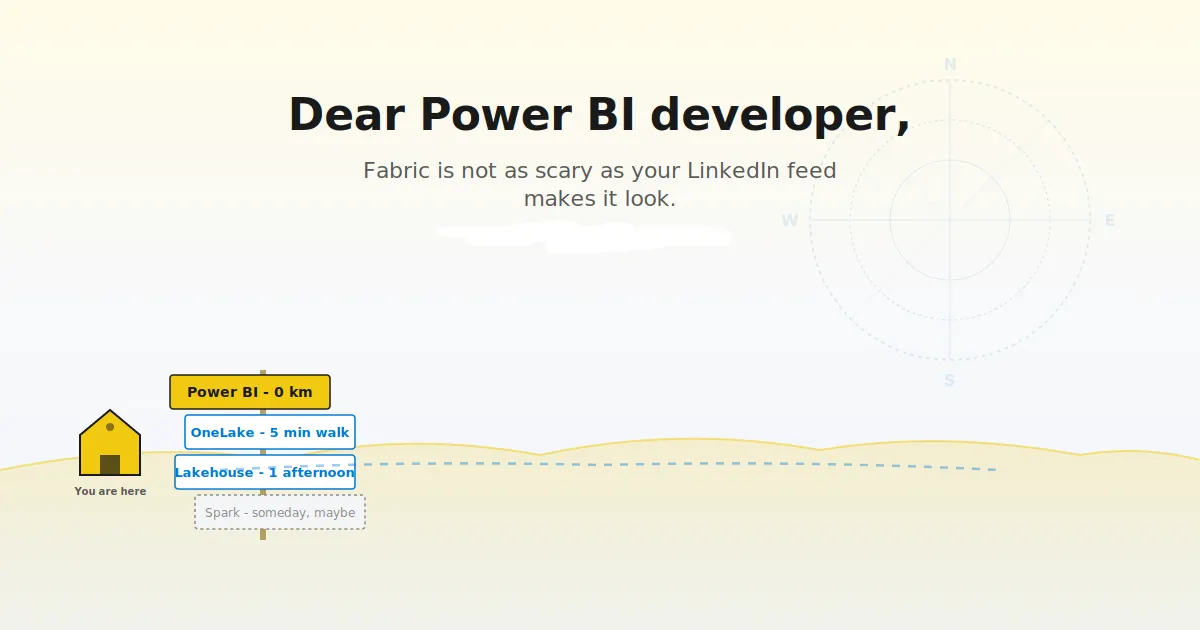
Navigate Microsoft Fabric with confidence and purpose, not panic.
Power BI Premium's retirement isn't a crisis; it's a handoff. For developers, Microsoft Fabric changes the ground rules, but not the core craft. This guide cuts through the noise, separating what truly shifts in your workflow from what stays comfortably familiar. It's a practical starting point for those who'd rather adapt with clarity than react with alarm. For a deeper look at how structured thinking applies elsewhere, explore our piece on how LLMs navigate token space. The takeaway?

Discover how PySpark window functions transform data analysis beyond groupBy
Grouping data in PySpark gets you partway there, but it leaves you staring at a wall when you need rankings, running totals, or lagged values. That's where window functions step in, and this practical guide shows you exactly why the trusty `groupBy` falls short. It's a clear, hands-on read for anyone ready to move past basic aggregations. If you're also curious how structured thinking applies elsewhere, our piece on paragraph structure in LLMs pairs nicely with this mindset.
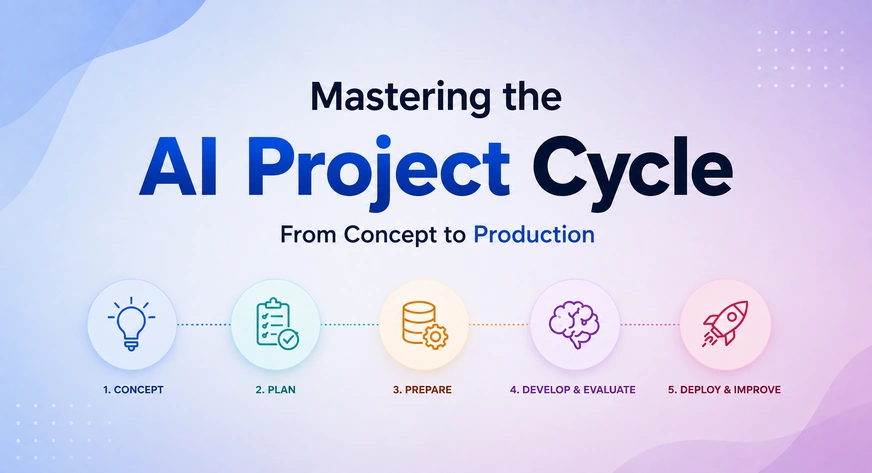
From Problem to Production: Navigating the AI Project Lifecycle
Picking a model and feeding it data is only the beginning. Real AI projects demand a structured path, one that starts with the right problem and carries through to deployment, monitoring, and refinement. That journey is the AI Project Cycle, and this piece breaks it down clearly. We appreciate how it frames the process as an accessible roadmap rather than a maze. If you are ready to go deeper, our guide to distributed algorithms offers a practical next step for those scaling their efforts.
How to Write Specs That Keep Your AI Projects on Track
The spec passed. The plan passed. Claude ran the tests, reported green, and you trusted it. Then you looked at the diff the next morning and found the output had drifted from your intent in ways the test suite never caught. That is the failure mode nobody warns you about. Writing bulletproof specs is about more than clarity; it is about building guardrails that survive contact with an AI that fills gaps confidently.
Run Your Data Analysis Where Your Data Lives
Most dataframe work pulls data out of the database, then pushes it back after Python finishes its part. memFrame flips that script. It compiles your Python/DataFrame API calls directly into SQL, letting DuckDB, PostgreSQL, or ClickHouse do the heavy lifting where the data lives. That is a smarter default. The incremental release strategy is also a good discipline: get inspection, cleaning, and arithmetic solid before tackling groupby and window functions. For deeper Python performance thinking, our guide on advanced techniques pairs well here.
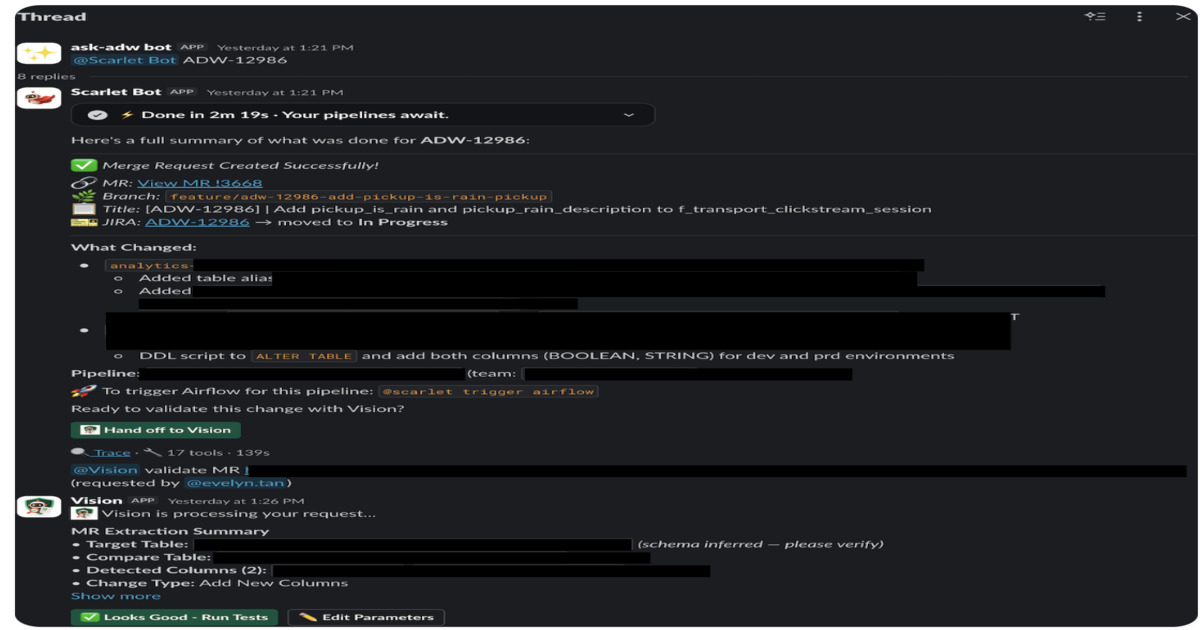
How Grab Uses AI Agents to Automate Analytics and Empower Teams
Grab's analytics team cut mechanical work from 44% to 30% in just four months, and the lesson is clear: AI agents thrive when you pair autonomy with human oversight. Their approach, combining certified data and context management, lets self-service analytics handle metric and SQL requests that once demanded analyst time. That's not just efficiency; it's a smarter division of labor. If you're questioning how much to trust these systems, our piece on verifying AI's understanding offers a practical starting point.

Shift from Coder to Strategist in the Age of Accessible AI
Coding is becoming a commodity, but that doesn't diminish your value as a data scientist. It changes where that value lives. The title here promises a practical path forward, and the story delivers on that by focusing on the skills that remain distinctly human. We think the key takeaway is about thriving through insight and judgment, not just technical output.

Spotify's new index unlocks low-latency queries without copying data
Spotify's new external indexing architecture for Apache Parquet data lakes is a smart answer to a persistent problem: why copy data into a separate database just to get fast point queries? By mapping lookup keys directly to Parquet file locations, the team enables targeted reads from cloud storage without duplicating datasets. It's a practical move that keeps analytics, machine learning, and online services on the same source of truth.
Empower AI Agents: Building Trustworthy Data Foundations with Snowflake.
Many data teams added AI agents to their roadmaps this year, and the appeal is clear: an agent that compresses a two-day analysis into a two-minute conversation can genuinely reshape how analysts and business teams collaborate. But that promise hinges on trust. Point an agent at raw tables or stale data, and you get fast answers, not reliable ones. This piece explores how Snowflake's semantic governance builds the trustworthy foundation agents need.
Three Lessons from 400,000 Sessions on What Actually Works
For years, we treated Claude Code workflows as personal preference. Pick your mode, set your memory, move on. That thinking was comfortable, but it was also wrong. Anthropic analyzed roughly 400,000 sessions from over 235,000 users, scoring them against hard evidence of success: passing tests, landed commits, and confirmed user satisfaction. The result? Best practices are not a matter of taste. They are measurable, and they can be learned. This is what the data actually shows, and it is worth your attention.

Palantir's billion-dollar quarter challenges AI's trust deficit
Palantir just posted $1 billion in profit, and Alex Karp responded by calling the AI industry "Marxist." That's a bold word from a CEO whose own success depends on the same frontier labs he's warning enterprises about. His point deserves attention: if these tools can't be trusted, why rush them into critical workflows? We're not here to defend big tech's habits, but we'd rather see scrutiny than blind adoption.
Build a smarter analytics team by choosing tools that grow with your needs
You're running a one-person analytics operation, and you're asking the right question: not "what's new," but "what's next." Moving from SQL and Snowflake toward a team-ready stack means shifting from writing queries to building systems. Focus on version control, orchestration tools, and cloud-native data engineering. That's where automation lives. Pair it with a solid understanding of MLOps practices. It's less about chasing every package and more about creating reliable pipelines.

Explore how AI now connects insights across 30+ data sources
Grafana Assistant now reaches across more than 30 data sources, letting users query and correlate information through plain language. That is a meaningful step for anyone juggling multiple monitoring tools. The expansion removes friction from observability, turning complex troubleshooting into a conversation rather than a chore. For those already exploring how AI reshapes workflows, this feels like a natural progression.

Explore how AI avatars make workplace coaching measurable and interactive
Synthesia is pushing past video content with AI Roleplay Sessions, a new enterprise training tool where employees practice workplace conversations directly with AI avatars. The platform doesn't just simulate dialogue; it scores performance and feeds analytics back to leadership, turning soft-skill practice into measurable outcomes. That focus on quantifiable growth is what makes this feel like a natural next step, not a gimmick.

Explore smarter retention strategies with pre-churn scoring and uplift modeling
Customer churn is a quiet leak in FinTech, one that erodes growth long before it hits a dashboard. This practical guide pairs pre-churn scoring with uplift modelling to show you not just who might leave, but which interventions actually change the outcome. It's a smarter, more human approach to retention. We appreciate the focus on actionable insight over theory. For those eager to expand their analytical toolkit, our guide to distributed training offers a complementary technical deep dive.