cloud computing
cloud computing at Beyond Market Intelligence is a file of 47 stories. The newest of them: “AWS clarifies data center stance, sets aside NDAs to rebuild trust”, “Google's space chip launch hints at orbital data centers requiring thousands of Starship flights”, and “Stop Overpaying for AI Tools Hidden in Your Data Workflow”. Amazon Web Services is done letting silence do the talking. Google just sent its first advanced chip into orbit, and the message is clear: the future of data processing may live above our heads. Acme AI is the next-generation, AI-powered spreadsheet platform built to replace Excel and redefine how analysts, data scientists, and enterprise teams work… The list below is every cloud computing story on Beyond Market Intelligence, newest first.

AWS clarifies data center stance, sets aside NDAs to rebuild trust
Amazon Web Services is done letting silence do the talking. This week, the company's CEO moved to reset the narrative around its data centers, setting aside non-disclosure agreements to rebuild trust with customers who have grown wary of how their infrastructure is handled. It is a direct, practical acknowledgment that transparency is no longer optional. For anyone tracking how cloud giants respond to skepticism, this is a meaningful step.

Google's space chip launch hints at orbital data centers requiring thousands of Starship flights
Google just sent its first advanced chip into orbit, and the message is clear: the future of data processing may live above our heads. If that sounds ambitious, consider the logistics, this path likely requires thousands of Starship flights to build orbital data centers. It's a bold bet on space infrastructure, and it reframes what "cloud computing" could mean. For more on how AI is reshaping digital workflows, read our piece on Photon's $4.5M bet on AI agents.
Stop Overpaying for AI Tools Hidden in Your Data Workflow
If you're feeling constrained by traditional spreadsheets, it's time to explore a solution that empowers your data journey. Jev delivers typed probabilities, not text, for faster data decisions. TypeSafe AI, founded by former OpenAI researcher Diogo Almeida, has introduced Jev, a decision-making model that generates calibrated probabilities for any given text prompt. This isn't another chatbot. It's a tool built for clarity, giving users actionable numbers instead of verbose answers. We find this approach refreshingly direct.

Scale Sandboxes Instantly: A New Approach to Concurrent AI Workloads
Modal's staff engineers Colin Weld and Connor Adams didn't just tweak their sandbox setup; they rebuilt it from the ground up. The result is infrastructure that handles millions of concurrent sandboxes and tens of thousands of creations per second. That's the kind of scale that makes concurrent AI workloads feel almost routine. It's a smart, grounded look at what it takes to move past legacy limits. For more on practical AI adoption, our guide to unlocking ChatGPT for work is worth a look.

Build Scalable Products with Less: Engineering Lessons from Startups
Scaling a product doesn't have to mean scaling complexity. In his latest talk, David Gudeman draws on over a decade of startup experience to show how pairing GCP, Firebase, and Cloud Run can accelerate product-market fit without overwhelming your team. He gets practical fast: cut redundant frontend state, design event-driven backends, and keep DevOps lean while building for the long haul. It's a grounded playbook for teams who want to move smarter, not harder.

Building a resilient data science career in an AI-native world
Data science careers are being reshaped by the very tools they helped create. If you are entering this field now, the old playbook of static skills won't cut it. The key is to focus on how you adapt, not just what you already know. For those feeling the pressure to keep up, our piece on navigating AI/ML job requirements offers a practical look at how the expectations are shifting. This is about building a resilient skill set for the long haul.

SnapStart for container images removes the packaging tradeoff for serverless teams
For years, teams building on Lambda faced a frustrating tradeoff: pack a large container image for dependency headroom, or squeeze into a zip archive for sub-second startups. AWS has now extended SnapStart to container functions, which can hold up to 10 GB. That is a meaningful unlock. We saw the cost of that old constraint in a Reddit thread, where developers were stripping whitespace from packages just to fit. It is good to see that particular workaround become unnecessary.

Navigating AWS Complexity with Smarter Terraform Infrastructure Management
The Terraform AWS Provider's v6.62.0 release lands as infrastructure grows more intricate, adding support for new capabilities while sharpening how Terraform reads existing resources. That dual focus, forward momentum and deeper comprehension, matters for teams juggling complexity. It is not about chasing novelty; it is about making the provider a more reliable partner in daily work. For a broader look at simplifying cloud workflows, our guide "Unlock ChatGPT for Work" pairs well with this momentum.

Nvidia sees 70% growth ahead as AI spreads across every industry
Jensen Huang sees another year of plenty ahead, projecting 70% growth for Nvidia. That confidence stems from reach: the company has its finger in every pie, from chips to software to AI infrastructure. He insists the deals driving this aren't circular, a claim worth probing given the complexity of the ecosystem. It's a bold forecast, but Huang's track record gives it weight. For context on how such sprawling systems operate, our guide to distributed training algorithms offers a grounded starting point.

As AI costs drop, employee adoption signals a smarter shift
August's data shows AI spend per employee dipping at top firms, even as token costs fall and cheaper models flood the market. That's not the adoption curve hyperscalers banked on. It's tempting to call it summer doldrums, but the signal is worth reading straight: enterprises are pausing, not retreating. They're weighing efficiency against experimentation. For teams navigating this, the real work isn't chasing volume, it's building guardrails that make AI sustainable.

Azure Virtual Desktop Hybrid Arrives but Key Pricing Remains Undisclosed
Azure Virtual Desktop Hybrid has reached general availability, and the timing feels right for teams tethered to their own hardware. Session hosts now run on customer infrastructure via Azure Arc, while the brokering stays in Microsoft's cloud. That split is practical, but the missing license price and the lack of multi-session Windows support leave some questions open. Windows Server needs RDS CALs with Software Assurance, which adds a layer to consider. It's a solid step forward, though not without its fine print.

Google Cloud and Accenture team up to accelerate enterprise AI adoption
Google Cloud's new Accenture partnership is a calculated bet that forward-deployed engineers, not just flashy models, will close the AI adoption gap. It's a pragmatic move, acknowledging that deployment bottlenecks are where good ideas stall. Pair this with our guide, "Verify Your AI's Understanding: A Simple Check for Tax Season," and you'll see the same theme: execution is the real differentiator. This isn't about hype; it's about showing up where the work happens.
Netflix's Open Source Flink Autoscaler Cuts Streaming Costs by 58 Percent
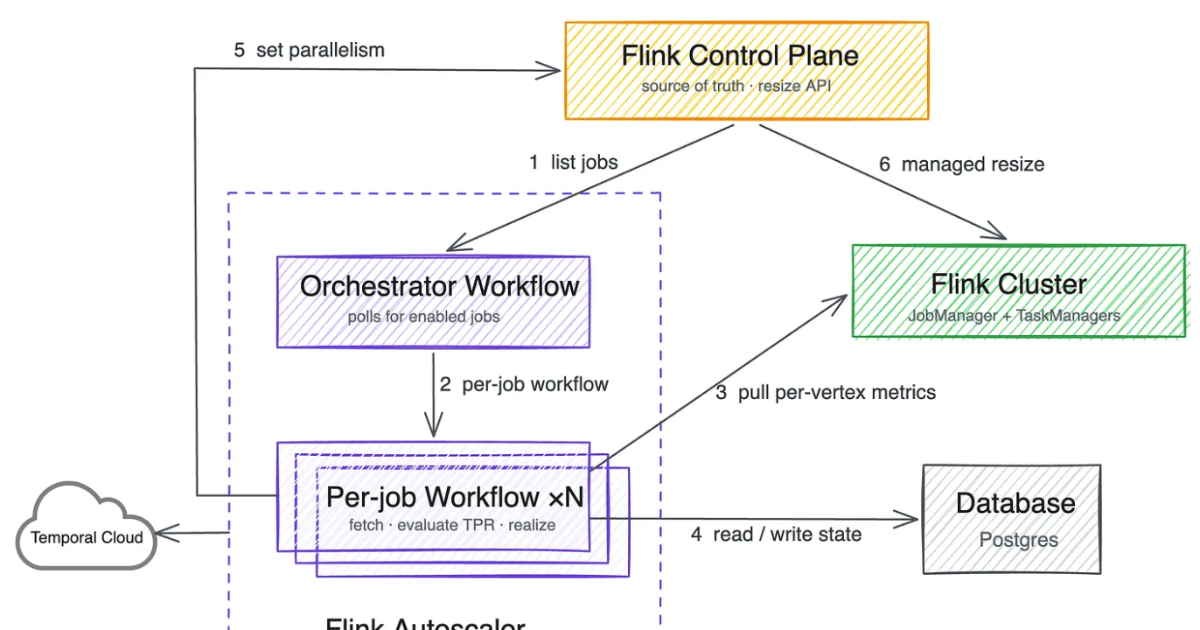
Netflix is moving toward the open-source Apache Flink Autoscaler for more than 30,000 streaming jobs across multiple AWS regions, and the numbers make a compelling case. The operator-level approach tackles the limitations of its cluster-level autoscaler for complex, stateful pipelines. One team saw a 58% reduction in annualized Flink compute costs, saving roughly $1.1 million. That's not just incremental progress; it's a meaningful shift in how large-scale data operations can run more efficiently.

Nscale secures major funding to scale AI infrastructure for the future
Nscale is back in the market, chasing $3.5 billion in pre-IPO financing. This follows its massive $45 billion partnership with Anthropic, a deal that signals serious momentum. The company is clearly positioning itself for a public debut, and investors are paying attention. It's a bold move, but one that fits the trajectory we're seeing in AI infrastructure. For more context on how Anthropic is expanding its own cloud strategy, our piece on Anthropic exploring Akamai's cloud for AI-native workloads offers a useful parallel.
Scale Parallel Coding Agents Without Needing a Powerful Machine
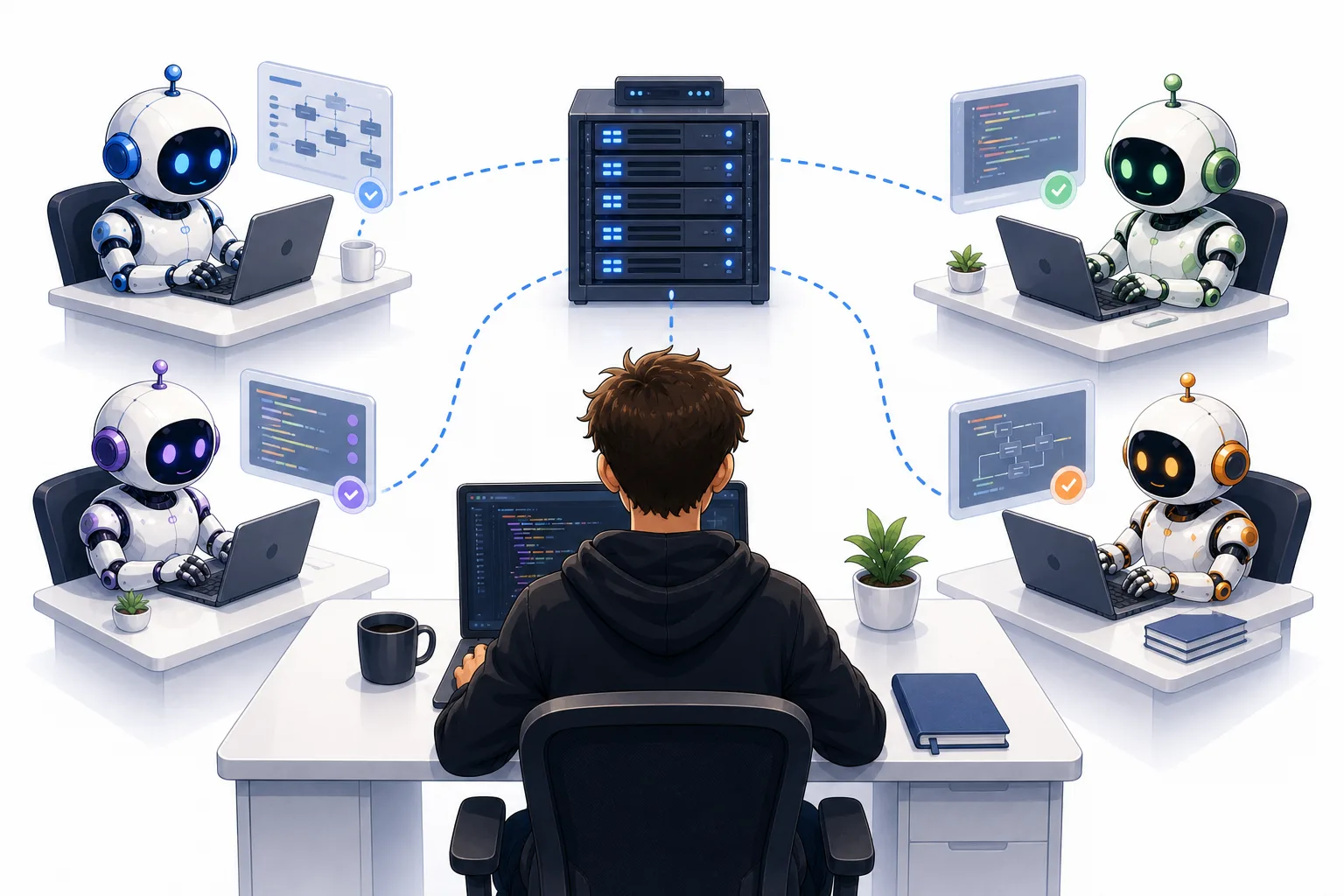
You don't need a rack of expensive GPUs to run a dozen Claude Code sessions. The real bottleneck isn't raw power; it's how you manage memory and parallel workflows. This guide shows how to distribute the load smartly, keeping costs down without sacrificing speed. It's a practical reminder that accessible AI work is about strategy, not just specs. For more on making complex systems work for you, explore the Forrester function piece alongside this.

Nvidia acquires Hugging Face, bringing 3 million AI models to its ecosystem
Nvidia's $12.9 billion move to acquire Hugging Face signals a clear bet on community-led AI development. With over 3 million models hosted and 18 million developers building on its platform, Hugging Face has become the default hub for open-source innovation. That scale is hard to ignore. For anyone wrestling with distributed training or model deployment, this acquisition could reshape how accessible those systems become. It's a confident step toward making AI infrastructure feel less like a hurdle and more like a foundation.

Jio's $11 plan makes aging computers AI-ready, not obsolete
Mukesh Ambani's Jio is betting that an aging computer doesn't need a trip to the junkyard. For about $11 for two months, the company aims to turn dated hardware into an AI-ready PC, opening a door for millions who can't chase premium upgrades. It's a pragmatic bet, and a refreshingly human one. Rather than selling obsolescence, Jio is selling a second act. That kind of thinking deserves attention.

Adobe expands its data intelligence reach with second Indian acquisition
Adobe's acquisition of Indian market intelligence startup Rilo signals more than a portfolio update, it's a deliberate bet on data agility. This marks the company's second purchase out of India, following Rephrase.ai in 2023, and it reinforces a clear pattern: smart, targeted innovation over flashy moves. For teams wrestling with static spreadsheets, this feels like a quiet nod toward tools that think ahead. We're watching closely, and we'll keep exploring how such shifts reshape everyday workflows.
Local AI puts your data insights in your hands, not the cloud.
Apple's new Mac line bets that local AI is the future, and it's a wager worth watching. By building intelligence directly into the hardware, Apple asks a pointed question: would you rather own your AI or rent it from the cloud? For us, ownership wins. It's a decisive step toward practical, private, and responsive computing. This isn't about hype; it's about control. If you're curious how AI models handle complexity, our piece on paragraph structure and token space offers a useful lens. Explore that next.

A billion-dollar bet on AI chips signals a shift in infrastructure strategy.
Lambda just borrowed $1 billion to buy more Nvidia chips, leasing them to Microsoft. That is a heavy bet, and it signals how capital-hungry the AI boom has become. We are watching a pattern here: the infrastructure race is not slowing down, and the cost of entry keeps climbing. For teams exploring AI-native tools, the takeaway is practical. This is not about hype; it is about who can sustain the buildout. Meanwhile, our coverage of Nscale's $3.36B raise shows a similar appetite for scale.

Amazon expands Nvidia partnership to transform cloud data infrastructure.
Amazon just tripled its order of Nvidia chips, adding 2 million GPUs to its data centers over the next two years. That's a bold bet on surging demand, and it signals something bigger than raw compute. This extended partnership isn't just about buying more silicon; it's about building the infrastructure for a smarter, more accessible data future. If you're curious how AI models actually make sense of that complexity, our piece on paragraph structure offers a practical look at the mechanics.

Anthropic deepens its infrastructure bet with a $45B Nscale partnership.
Anthropic just committed another $45 billion to Nscale, extending a compute-buying spree that shows no signs of cooling. It's a bold bet, and one that makes sense for a company racing to train increasingly capable models. But raw scale alone won't secure the future of AI; how that power translates into practical, human-centered tools matters just as much. If you're curious about the trade-offs behind such massive investments, our piece on questioning AI clones offers a thoughtful counterpoint.
Declare Your Data Intent: Flexible Workflows Without the Bottleneck
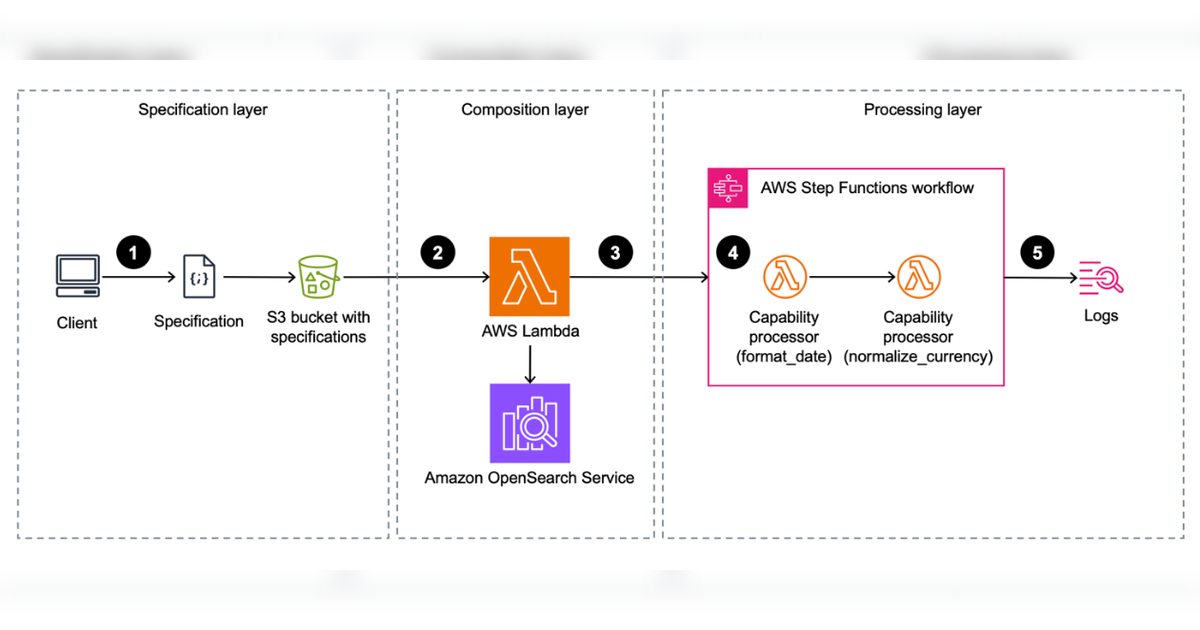
Declarative specifications are the quiet workhorse behind flexible data workflows, and AWS is proving it. By separating intent from processing logic, this approach lets teams define what they need while reusing proven capabilities, with validation catching issues before execution runs. The payoff is tangible: dataset onboarding shrinks from weeks to days, without sacrificing traceability or governance. It is a practical, human-centered answer to a complex problem.
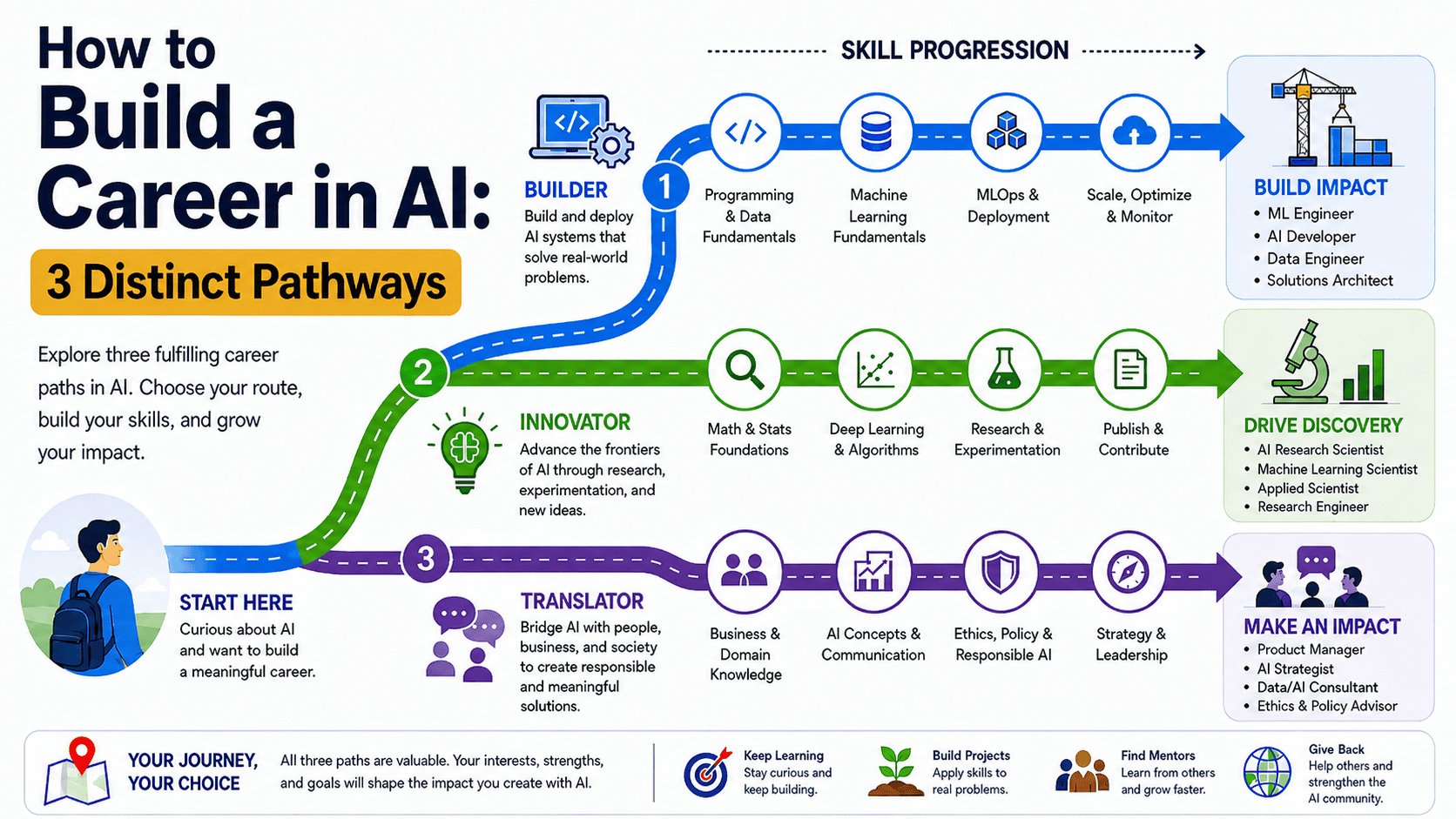
Three paths to align your skills with an AI-driven future
Three orientations. Three different skill maps. That's the honest starting point for anyone eyeing a career in AI, and it's exactly what this guide lays out. You don't need to fit a single mold; you need to match your current standing to the right path. It's practical, grounded advice that respects where you are. If you're still questioning what AI can truly do, our piece on talking to an AI clone offers a useful counterpoint. Explore the pathways, and find the one that fits.