code generation
Beyond Market Intelligence keeps code generation in one place: 33 stories so far. The section currently leads with “Designing the System That Lets AI Models Deliver Real Features”, “700 AI-written math papers, but engineers still won't trust the code”, and “Turn Python libraries into MCP servers with Integrum's reflective approach”. An AI coding agent can write a function in seconds, but that's the easy part. Seven hundred AI-written math papers exist, yet engineers still won't trust the code it produces. Acme AI is the next-generation, AI-powered spreadsheet platform built to replace Excel and redefine how analysts, data scientists, and enterprise teams work… The list below is every code generation story on Beyond Market Intelligence, newest first.
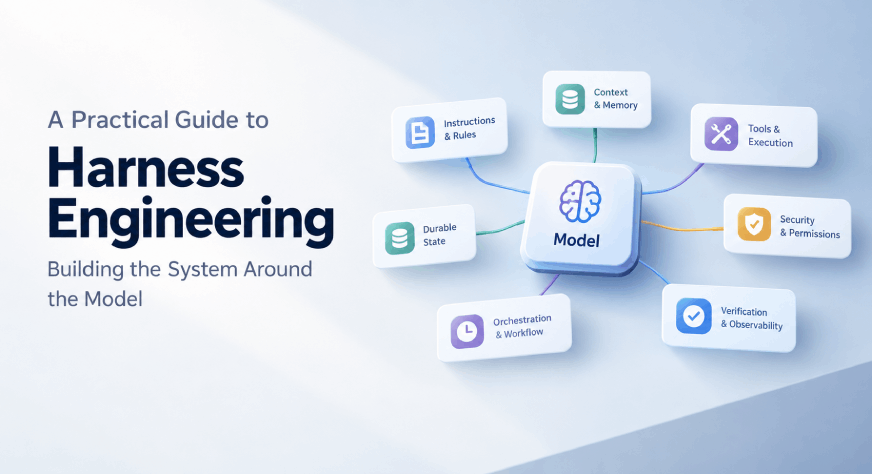
Designing the System That Lets AI Models Deliver Real Features
An AI coding agent can write a function in seconds, but that's the easy part. Building a real feature requires understanding the project, finding the right files, using tools safely, and verifying the changes work. A model alone sees only text, it needs a system around it. This is the practical work of harness engineering. For a deeper look at what happens when that system falters, see our related piece on how agentic AI demands smarter governance to tame silent failures.
700 AI-written math papers, but engineers still won't trust the code
Seven hundred AI-written math papers exist, yet engineers still won't trust the code it produces. That gap isn't about capability, it's about proof. We've watched agents waste turns in real repositories, a finding we explored in "Efficiency Matters: What 50,400 Agent Runs Reveal About Wasted Work." Trust isn't granted because a model can compute. It's earned when the output becomes verifiable, predictable, and actually useful in production. That's the real challenge ahead.
Turn Python libraries into MCP servers with Integrum's reflective approach
Turning Python libraries into MCP servers shouldn't require a rewrite, and Integrum proves it. This open-source library uses reflection to wrap existing modules, scikit-learn, for example, so AI agents can call them directly. The author gave Gemma 4 access to build a random forest classifier on the Iris dataset, and it worked. That's more formal than letting agents write code from scratch, and easier to verify. It's a practical step forward.

When AI Writes Faster CUDA Kernels Than PyTorch, Benchmarks Decide
AI agents are now writing CUDA kernels that beat PyTorch on speed, but proving those gains are real is the harder problem. I tested them on an NVIDIA DGX Spark and found that benchmark design matters as much as the code itself. When the hype machine sells you AI at every turn, a clear-eyed test like this cuts through the noise. For more on staying grounded, see our related piece on keeping your judgment amid the AI sales pitch.

AI Coding Speeds Up Development, but Debugging Demands Grow
AI coding agents are writing code faster than ever, but a new survey from Undo and Coleman Parkes reveals a sharp trade-off: debugging now consumes more time than before. Faster generation means more code to troubleshoot, and that bottleneck demands new tools for comprehension. Developers aren't just writing, they're deciphering. For deeper insight into how AI is reshaping workflows, see our coverage of Flai's $27M round and its 50,000 monthly appointments.
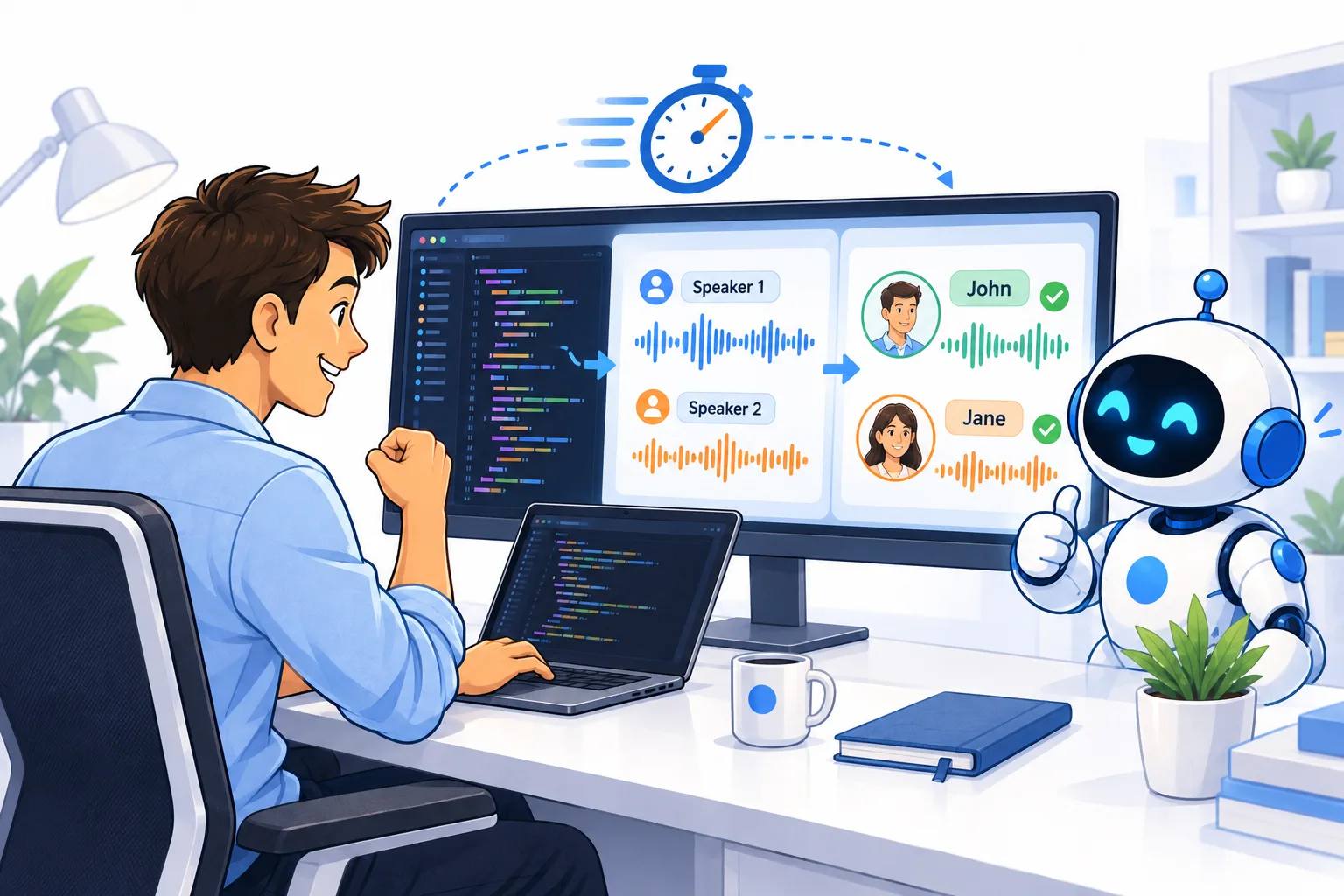
Code an Internal Speaker Recognition Tool with Claude
If you've ever wrestled with identifying who's speaking in a meeting recording, building a speaker-recognition tool from scratch can feel like a heavy lift. This guide walks through coding one internally with Claude, turning a complex audio challenge into a practical, hands-on project. It's a smart, accessible approach for teams ready to move beyond manual transcription. For a broader look at how AI handles real-world inputs, you might also enjoy *Exploring Real-World Computer Vision*, it pairs nicely with the concepts here.
Speed Isn't Everything When AI Does the Work You Used to Own
One near miss, and four months of running agents left a writer asking a sharper question than any bug report: what are you supposed to do while the AI writes the code? The speed is real, but so is the quiet erosion of judgment. This isn't a warning against automation; it's a call to stay present in the loop. If you're navigating similar shifts, our guide to distributed training offers a practical foothold for keeping your skills sharp.
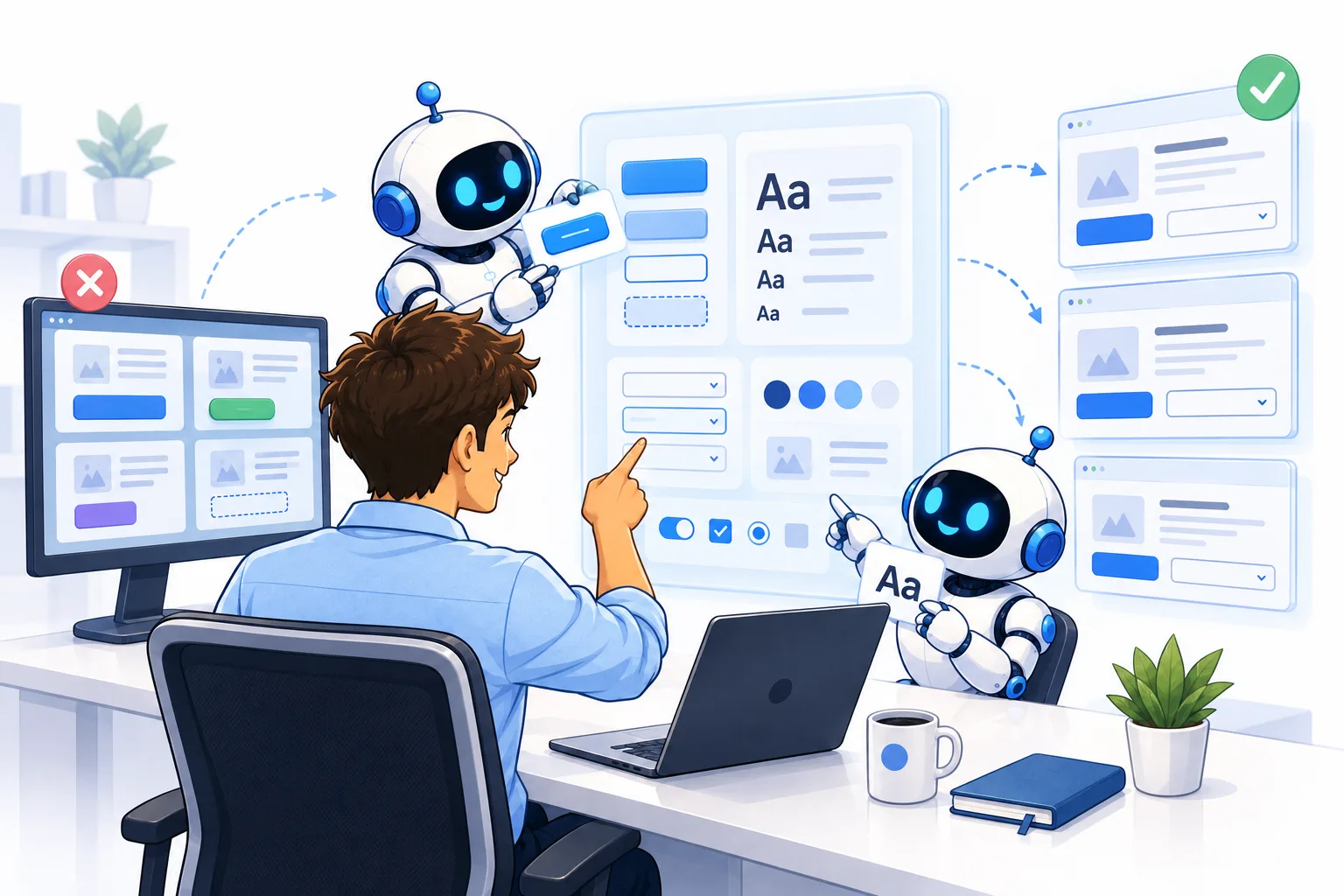
Design with precision using AI to guide your app's visual identity.
Consistent design shouldn't be a happy accident. If you're tired of patching together styles across projects, Claude Code offers a practical path to professional-looking apps without the usual friction. This guide walks through how to build design systems that actually stick, turning messy workflows into something repeatable. It's a smart, accessible approach for teams ready to move beyond manual fixes. For more on applying AI to real-world challenges, explore our piece on computer vision deployments. The takeaway? Consistency is a skill you can code.

Choosing the Right AI Agent Shape for Your Data Work
Choosing between a single model and a team of agents isn't about picking a winner. It's about matching the shape of the tool to the shape of the problem. Codex fits cleanly when the problem is well-defined, Claude Code makes more sense for open-ended exploration, and splitting five specialist agents across dense AI capacity work handles complex, multi-step tasks. It's a practical, grounded look at decision-making that most teams face too early. If you're weighing similar trade-offs, this offers a clear framework worth exploring.

Discover how multi-model orchestration makes coding tools smarter and more efficient.
GitHub's Project HydraFusion is taking a smarter approach to AI coding assistance. Instead of relying on a single model, this research preview for GitHub Copilot dynamically assembles execution plans, pulling from multiple providers based on the task at hand. The result? High task quality without the operational overhead you might expect.

When AI writes code, verifying intent becomes the real challenge.
AI-generated code promises speed, but it also introduces security weaknesses and familiar bugs. The real bottleneck has shifted from writing code to verifying what AI actually produces, as Nitin Garg argues. He focuses on detecting when generated behavior diverges from intent, a practical concern for any team adopting these tools. It's a grounded look at a growing challenge. For those exploring similar territory, our guide on verifying AI understanding offers a useful complement.
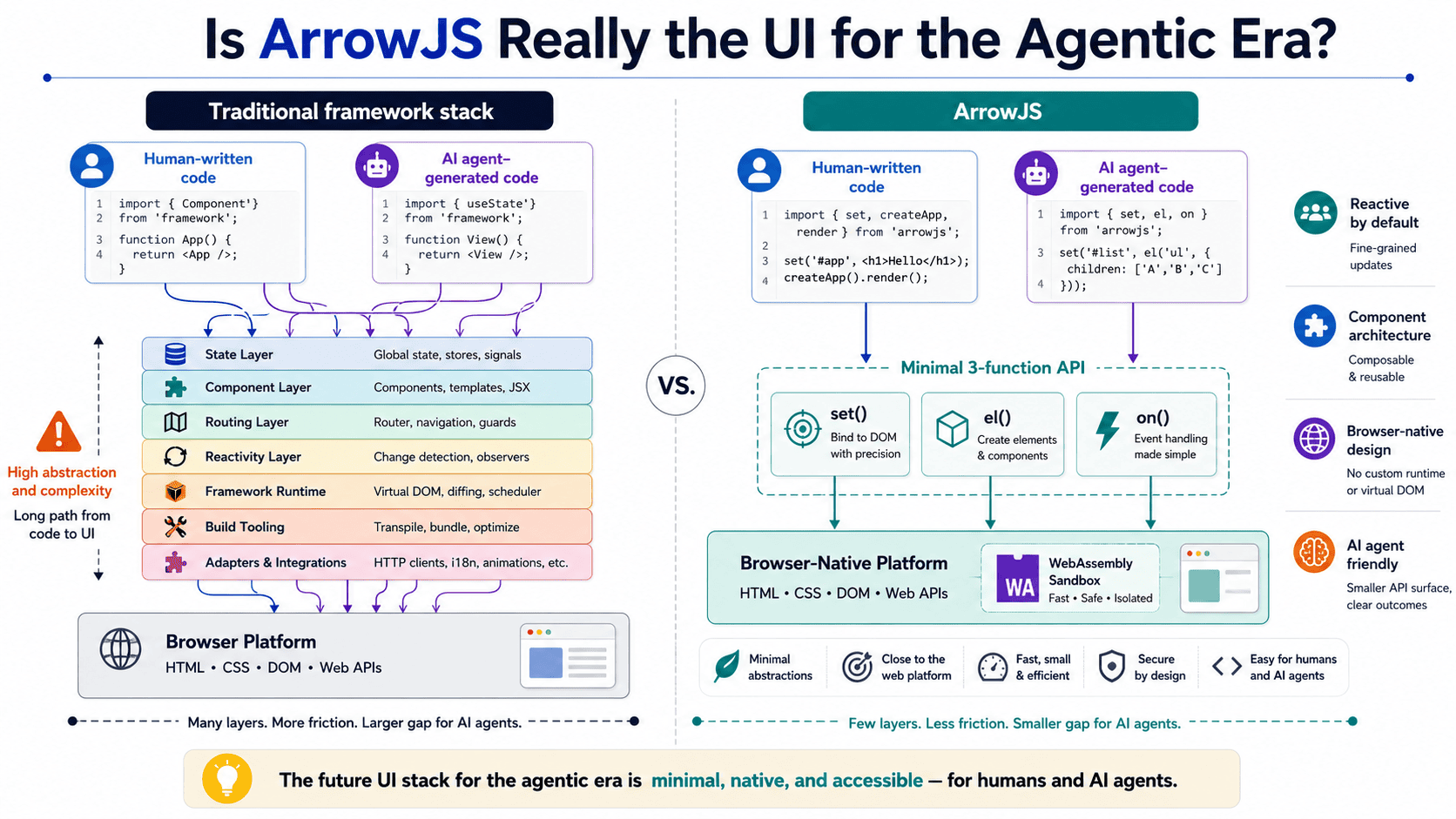
Explore how AI agents are reshaping the tools we use to build interfaces.
ArrowJS is asking a question worth pausing on: if AI agents are writing more of our interfaces, why are we still rendering them like it's 2019? This piece digs into whether ArrowJS actually fits the agentic era or just adds another layer of complexity. It's a practical, grounded take, and it pairs well with our earlier look at how LLMs navigate token space. Both point to the same truth: the tools we choose shape the systems we build.
Discover how AI turns code into a film in under a minute.
A 37-second film is a tight constraint, and Claude Fable 5.1 is making waves by turning a code challenge into a miniature cinematic moment. It's a clever stress test, one that shows how far AI has come in handling creative, time-bound tasks. We're watching a shift in what's possible, and it's worth exploring how these models handle pressure. If you're curious about the mechanics behind such feats, our guide on distributed algorithms offers a solid foundation.

Explore the architecture that makes OpenCode a smarter choice for AI coding.
OpenCode has outgrown the conversation about model choice. That freedom matters, but it's no longer the headline. What draws us in is the architecture underneath, and the deliberate trade-offs that shape how it works, especially if you're coming from Claude Code. This isn't just another agent. It's a different way to think about building. If you're also exploring how distributed systems power modern AI, our guide to distributed training offers a useful parallel. For now, let's look at what makes OpenCode's design genuinely different.

Choose Your Coding Agent: A Practical Guide to Claude and Codex
Choosing the right coding agent can feel like navigating a maze, especially when both Claude Code and Codex promise to streamline your workflow. This guide cuts through the noise, offering a clear breakdown of where each tool shines. It's a practical read for anyone tired of guessing which assistant fits which task. I appreciate how it prioritizes real-world application over hype.

Discover how to guide AI agents toward code you can trust
Writing code with AI agents is about more than generating lines faster. It's about steering the output toward quality. This practical guide cuts through the noise, showing you how to work with these tools to get better code, not just more of it. We appreciate the focus on real workflows over hype. For a deeper look at the underlying mechanics, you might also explore our piece, "Unlock LLM Training: A Practical Guide to Distributed Algorithms."
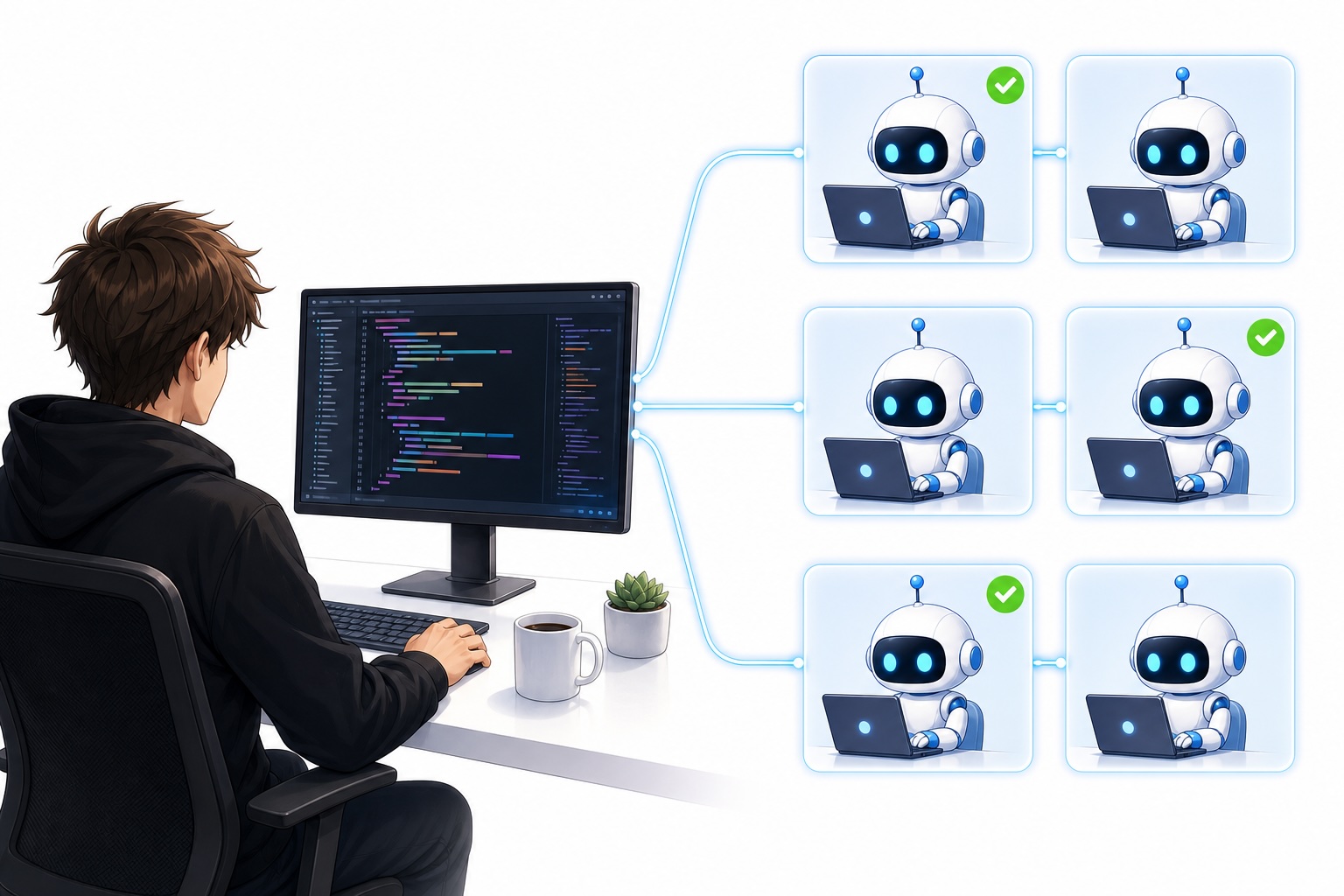
Unlock Smarter Workflows by Managing Hundreds of Coding Tasks
Claude Code is built to handle the heavy lifting, but the real skill lies in knowing how to direct it across a hundred or more distinct tasks. This guide cuts through the noise, offering a practical approach to structuring your prompts and workflows so you're not just issuing commands, but truly collaborating with your coding agent. It's about turning a useful tool into a dependable partner.
Stop rewriting the same spreadsheet logic. Let AI handle the pattern.
The developer's instinct to cut setup time from three days to one is smart, but the real insight here is the question they're circling: why are we still writing code at all? Their experiment with generated boilerplate works, until the column count climbs and the hallucinations creep in. That's the trade-off. Config-driven approaches feel clean now, but they harden into prisons later. The middle ground isn't a tool, it's judgment. If you're wrestling with this, you're not behind. You're just early.
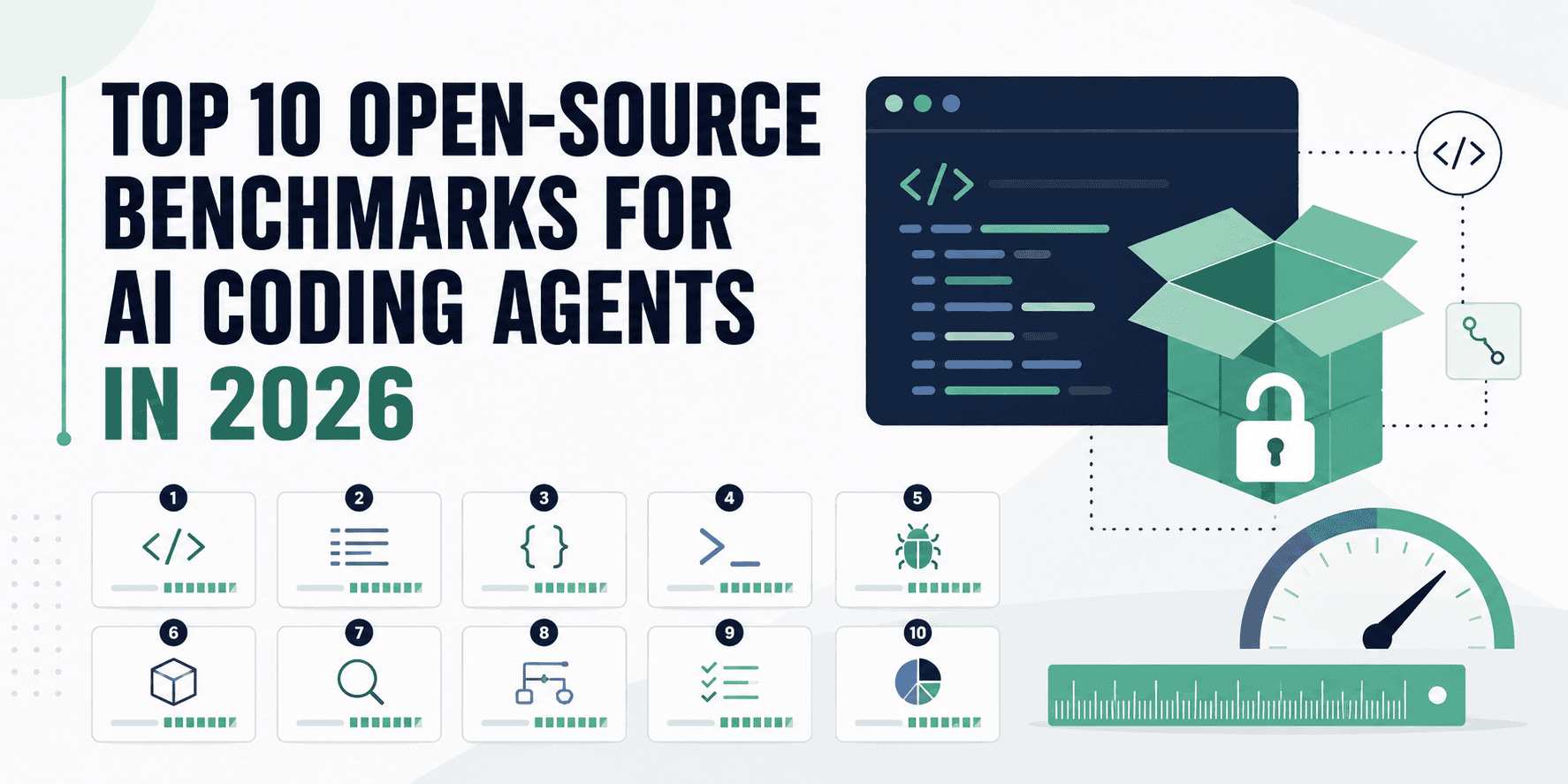
Evaluate AI Coding Agents with These Top Open-Source Benchmarks
Choosing the right benchmark is the first step toward building an AI coding agent you can actually trust. In 2026, the landscape has matured well beyond simple unit tests, with tools like SWE-bench, Terminal-Bench, and SlopCodeBench offering distinct lenses on real-world performance. We break down the top 10 open-source options to help you navigate the noise. If you are questioning how these models handle nuance, our piece on talking to an AI clone offers a timely perspective on the human side of the equation.

Webwright shows AI agents succeed by writing code, not clicking buttons.
For years, web agents have clicked their way through tasks, often losing the thread on long ones. Microsoft Research's Webwright takes a sharper path: hand the model a terminal and let it write code. On long-horizon work, the same GPT-5.4 model leaps from 33.5% to 60.1% success. That's a compelling argument for building tools over traces. It also pairs well with our look at how LLMs navigate token space, connecting structure to action. The result isn't just a finished job; it's a reusable command-line tool.
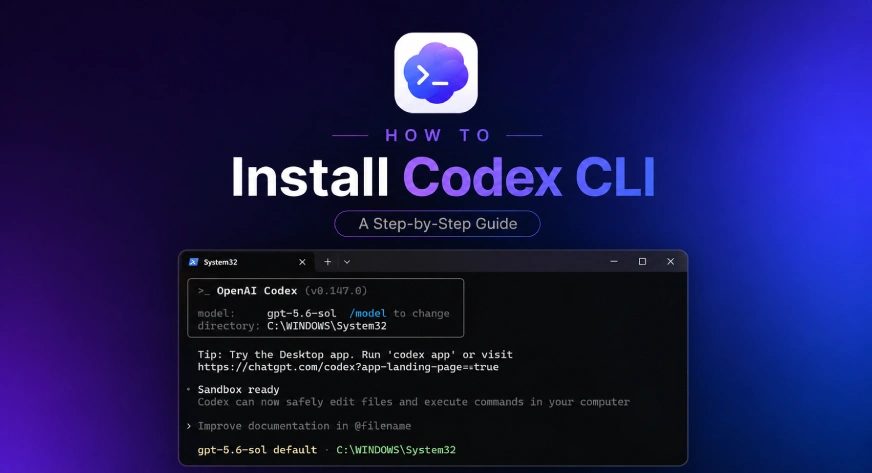
Bring Codex AI Into Your Local Workflow with One Command
One command is all it takes to install Codex CLI, yet the real value lies in the setup choices that follow. If you've used Codex in ChatGPT, the transition feels natural, bringing that same AI assistance directly into your local development environment. It's a practical step toward more efficient workflows, not a flashy overhaul. For a deeper look at how AI tools shape our habits, check out "Talking to My AI Clone Taught Me to Question the Tech."

Cognition aims to raise again, targeting a $40 billion valuation
Cognition is moving fast, and the market is taking notice. Reports say the AI coding startup is already in talks to raise at a new $40 billion valuation, just months after closing a $1 billion round at $26 billion. That kind of jump signals serious momentum, but it also raises questions about sustainability. Investors are clearly betting big on AI-native workflows. For context, similar infrastructure bets are unfolding across the sector, like Anthropic's $11.6 billion commitment to Akamai's cloud.

Install Claude Code and discover a smarter way to work from your terminal
You have probably heard by now: Claude Code burns through usage limits. Most of us live in the web app, though, distant from the terminal where the real buzz lives. That gap might have sparked your curiosity. Maybe you already know exactly what it is and just want it running. Either way, this guide cuts through the setup friction. It is a practical, no-nonsense walkthrough.

Claude Code gains autonomy to streamline your programming workflow
Anthropic is flipping the default: Claude Code's auto mode is turning on, and that means less hands-on oversight for developers who use it. It's a confident step toward letting AI handle more of the programming grind, and honestly, it feels overdue. We've seen how much headroom smart tooling can free up, and this nudges that further. If you're curious about the human side of leaning on AI, our piece on talking to an AI clone offers a useful counterpoint.