data analysis
Beyond Market Intelligence keeps data analysis in one place: 83 stories so far. The section currently leads with “Even AI can repeat mistakes. Here's what that means for your data.”, “Speed up pandas workflows with smarter, faster DataFrame processing.”, and “Discover how behavior patterns unlock smarter predictive tools”. ChatGPT analyzed three datasets and made the same mistake every time: it counted rows incorrectly and signed off on two wrong conclusions. If you've ever watched a pandas script crawl through a DataFrame, you know the frustration. Acme AI is the next-generation, AI-powered spreadsheet platform built to replace Excel and redefine how analysts, data scientists, and enterprise teams work… The list below is every data analysis story on Beyond Market Intelligence, newest first.
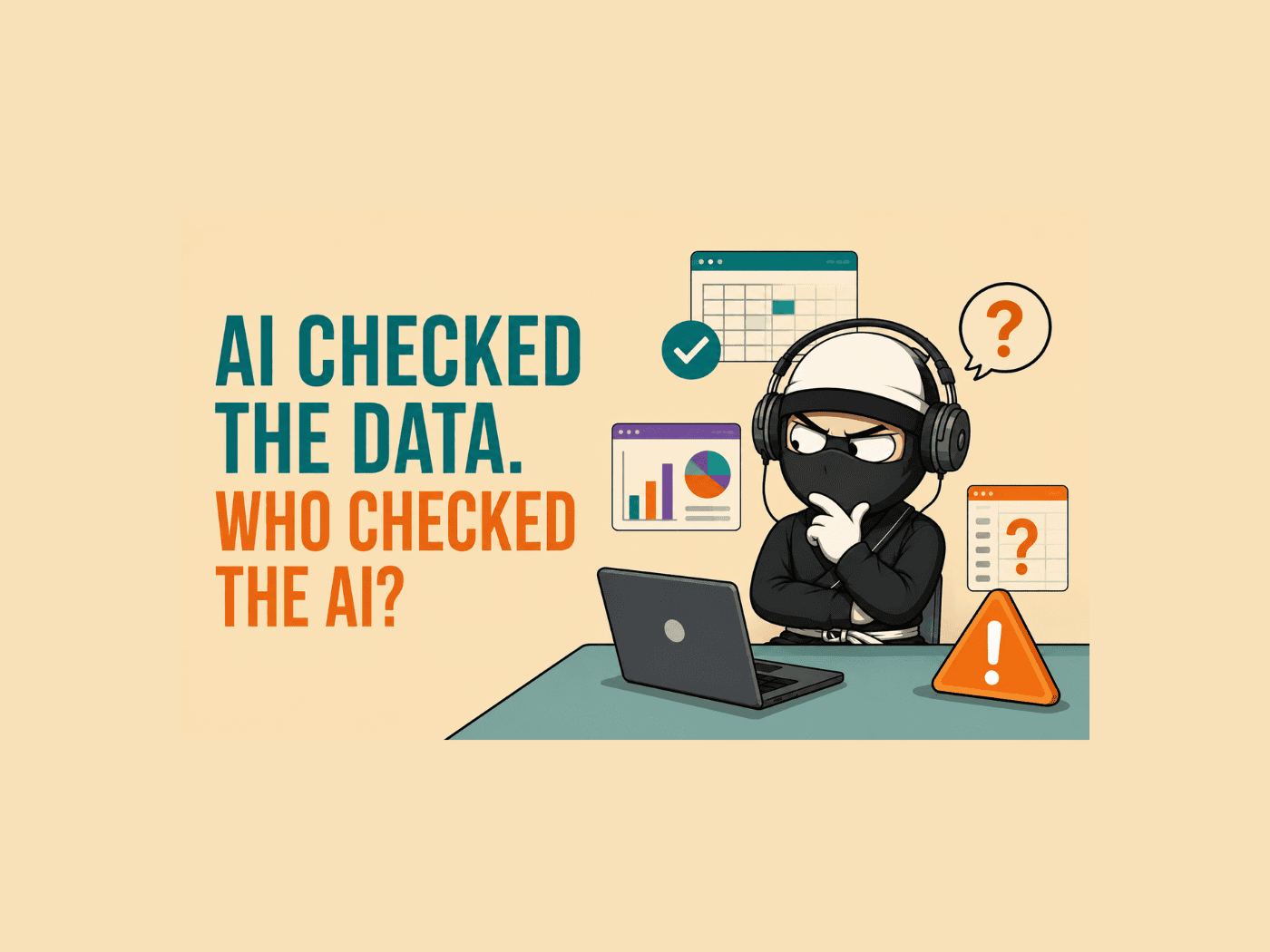
Even AI can repeat mistakes. Here's what that means for your data.
ChatGPT analyzed three datasets and made the same mistake every time: it counted rows incorrectly and signed off on two wrong conclusions. The review pass fixed the row count, but approving those flawed findings points to a deeper issue. AI can process data quickly, but it doesn't yet handle verification with the care your own judgment requires. That's worth remembering as you explore these tools. For more on checking AI's work, our guide on verifying understanding before tax season pairs well with this lesson.
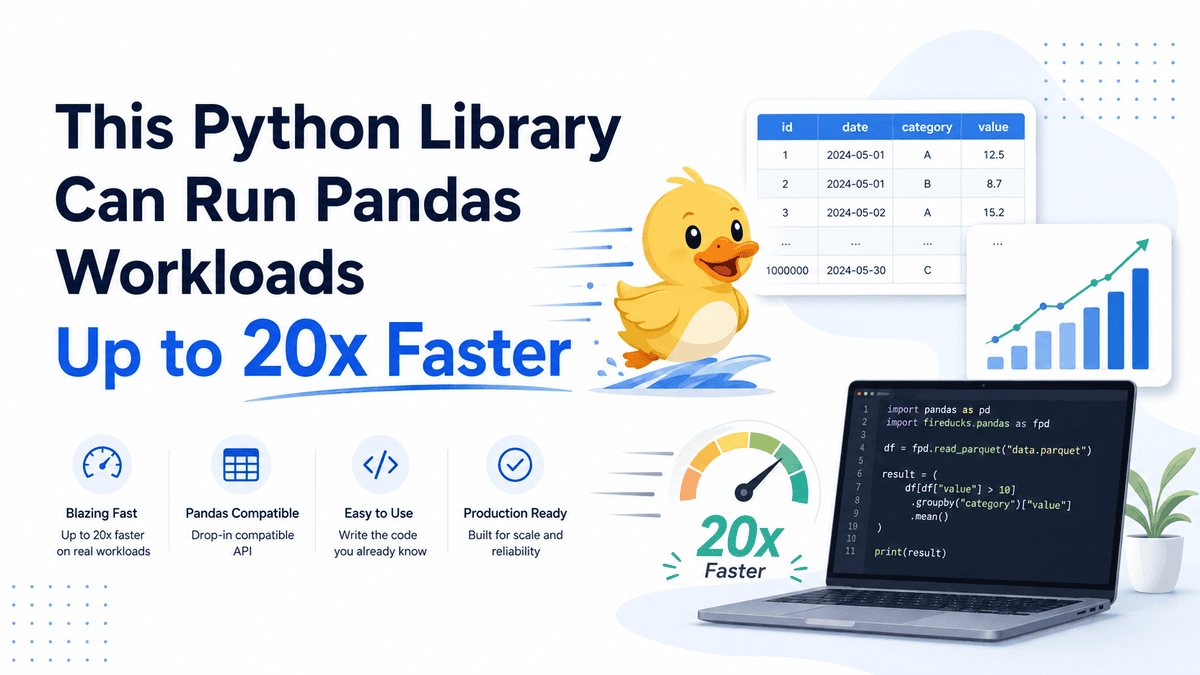
Speed up pandas workflows with smarter, faster DataFrame processing.
If you've ever watched a pandas script crawl through a DataFrame, you know the frustration. FireDucks takes that same workload and runs it up to 20 times faster. It achieves this through lazy execution, compiler optimization, and multithreaded processing, turning what feels like waiting into near-instant results. We find that shift genuinely exciting. For those ready to push their Python skills further, our guide on advanced coding techniques pairs perfectly with what FireDucks makes possible. Explore the benchmark and see the difference for yourself.
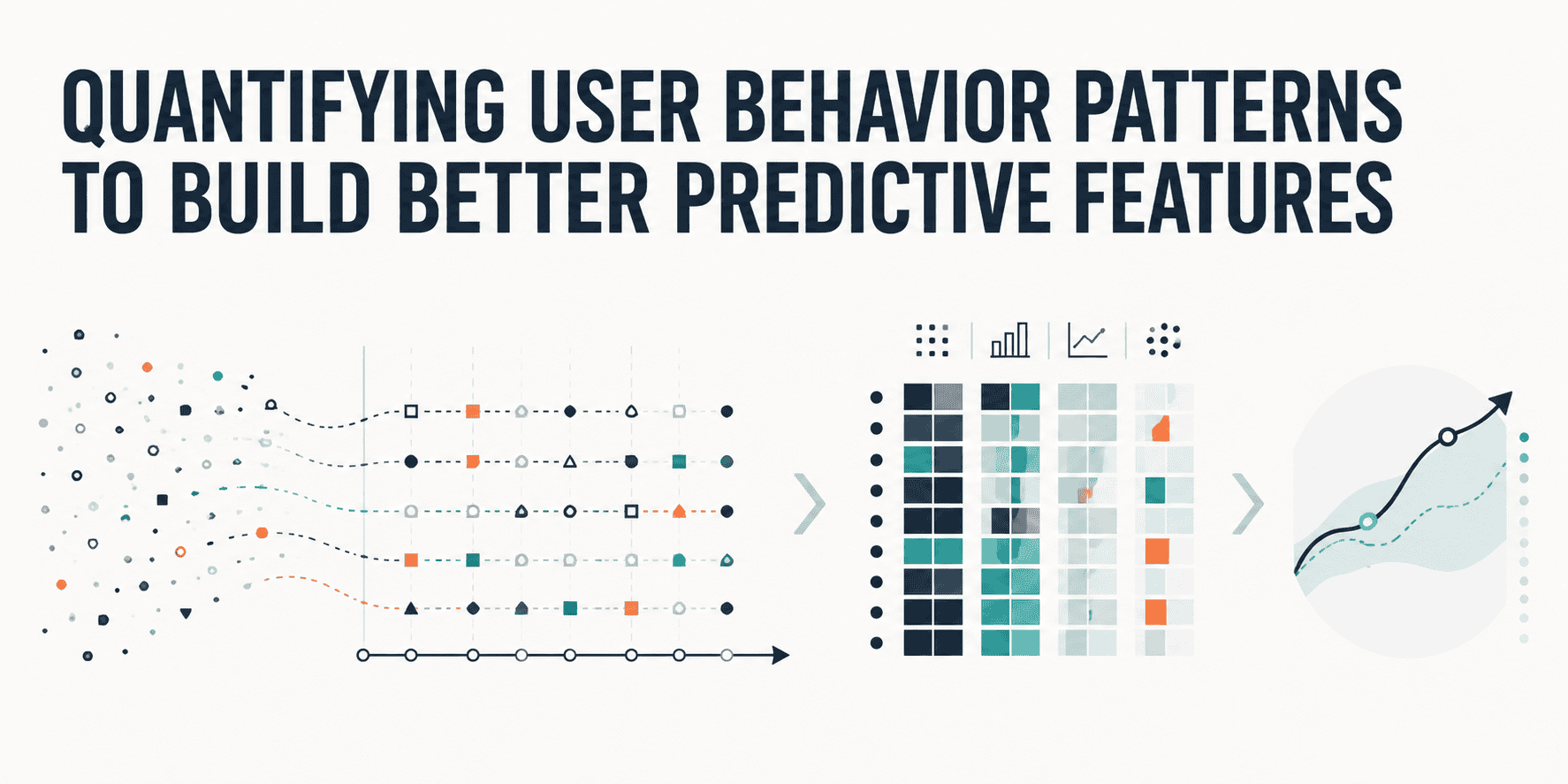
Discover how behavior patterns unlock smarter predictive tools
A single click stream from a 35-year-old male in Seattle reveals almost nothing about his intent. Raw demographics and isolated actions are noise. We need to quantify behavior patterns over time to build predictive features that actually matter. This is about moving beyond surface-level data to understand the sequence and context of user actions. For a deeper look at how we approach pattern recognition in practical systems, our piece on real-world computer vision deployments offers a useful parallel.

What Hidden Gaps in Your Data Reveal About Your Assumptions
We often treat missing values as a glitch, a blank cell to be filled or dropped. But that silence carries its own message, hiding assumptions we rarely question. This piece on Towards Data Science digs into what we overlook when data goes unrecorded, challenging us to see absence as part of the story. It is a thoughtful, grounded read for anyone who has ever trusted a dataset too quickly.
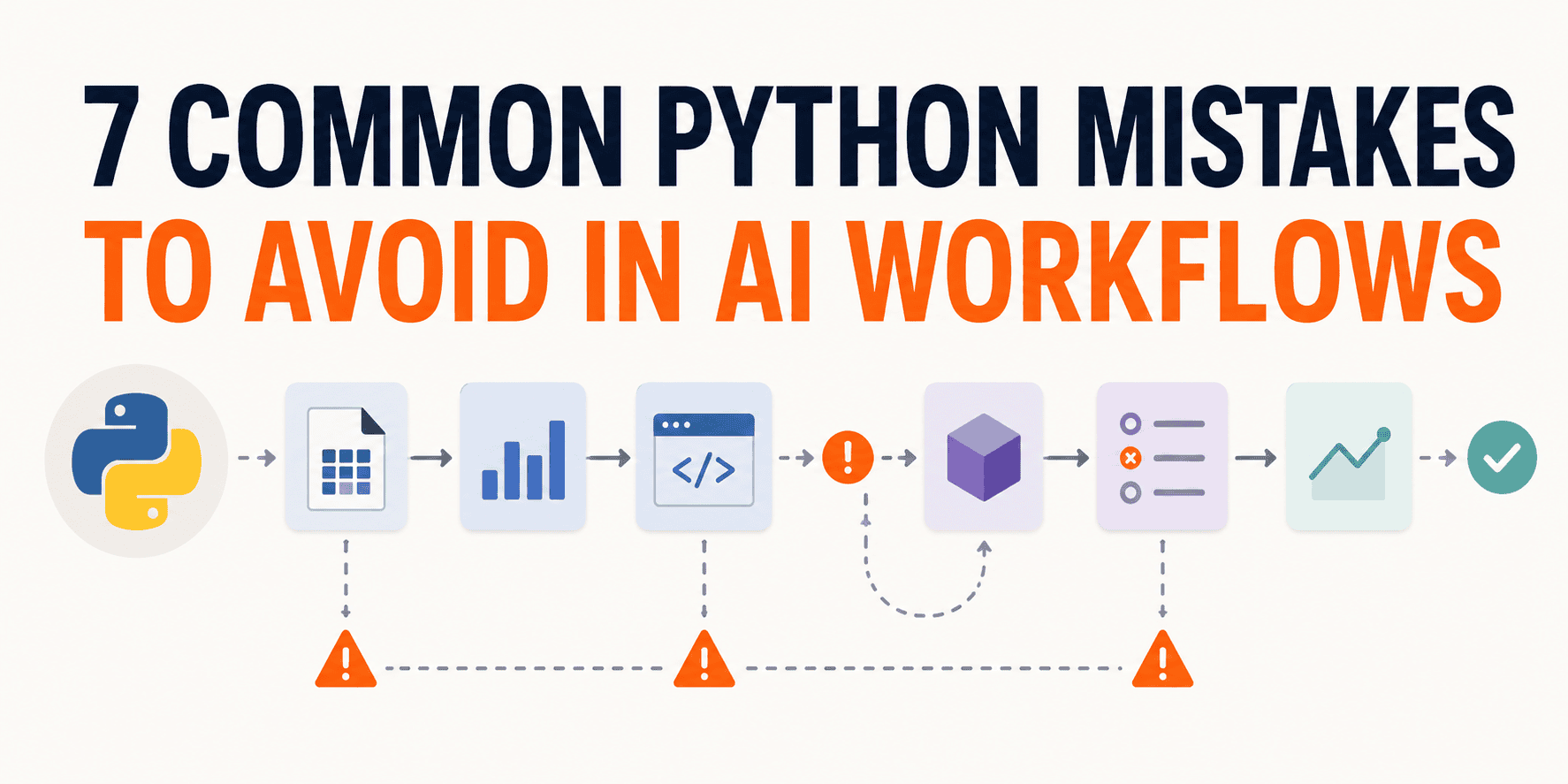
Your Pipeline Ran Clean. Here's Why That Doesn't Mean It Worked.
A clean run feels like a win. But in AI workflows, it's often a mirage. The process executed; that's all. It tells you nothing about what the pipeline actually learned, which rows shaped it, or whether the saved result can be trusted elsewhere. That gap is where real mistakes live. If you're ready to move past surface-level checks, our guide on distributed algorithms offers a natural next step. For now, let's focus on the seven pitfalls that quietly undermine your data's integrity.

Discover how AI transforms video search across massive datasets.
Clipto just crossed $250 million in valuation, and it's easy to see why. The three-year-old startup hit $15 million in annual recurring revenue and turned profitable before raising another $15 million. That's a discipline most founders skip. It proves you can build sustainable AI tools without burning through capital first. If you're curious how such systems handle massive video data, our piece on real-world computer vision deployments pairs well with this story.
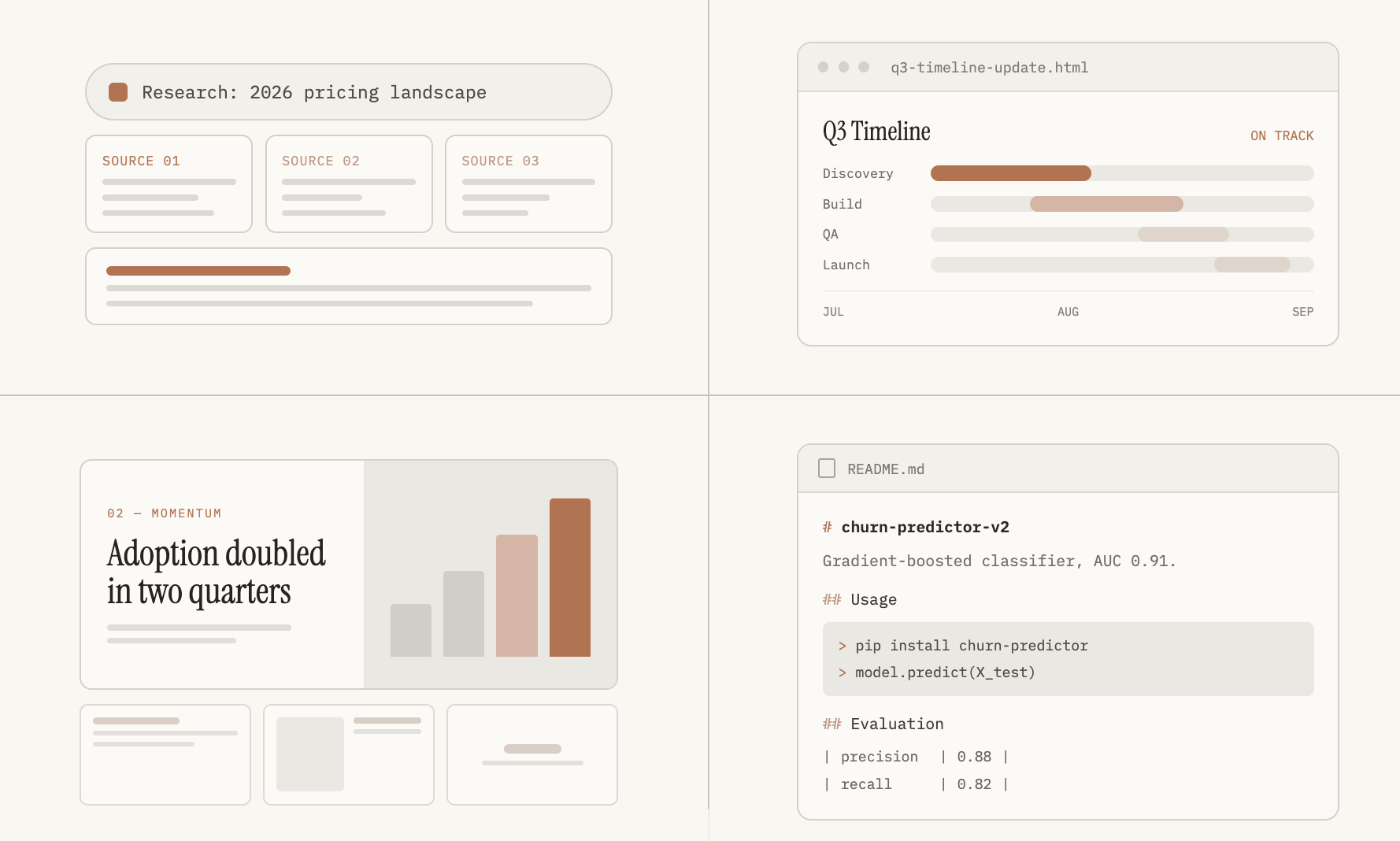
Four data skills to future-proof your workflow in 2026
Spreadsheets have taught us to wrestle with data. Claude skills, on the other hand, are built to help you stop wrestling and start working. This guide breaks down four practical additions to your workflow that keep you ahead of the curve without the hype. It is a grounded, useful read for anyone who wants to stay relevant. If you are also brushing up on the infrastructure side, our guide to distributed algorithms is a solid companion piece.
Explore how a simple model estimates NeurIPS acceptance from your scores.
A quick, practical tool just landed for anyone tired of refreshing review portals. A Reddit user built a small model that estimates NeurIPS acceptance odds from scores and an assumed acceptance rate. It is a simple calculator, not a crystal ball, but it gives researchers a useful sense of where they stand before decisions land. That sort of accessible, data-driven clarity is exactly what the future of academic tools should look like.
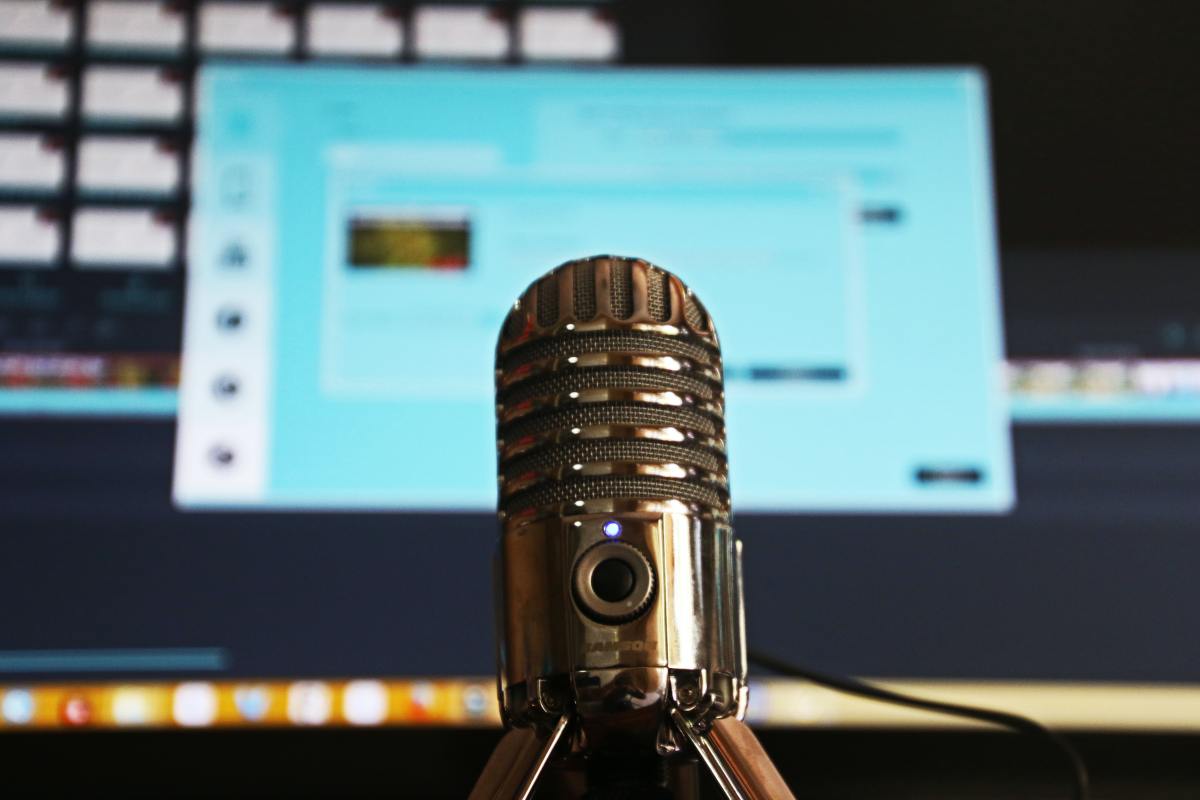
Discover how AI transforms podcast conversations into searchable data.
Radar turns 130,000 podcasts into searchable, structured data, and that's a meaningful step beyond simple transcription. Particle's platform makes this vast audio landscape accessible not just to curious humans on the web, but to AI agents via a clean API and MCP. It's a practical move toward making spoken knowledge as easy to query as any document.

Beyond Flat Tables A Practical Guide to Star Schema Dimensions
Dimensions often get treated as a single concept, but they come in distinct types, each serving a different analytical purpose. This guide breaks down those variations clearly, helping you choose the right structure for your data model. It's a practical read for anyone moving beyond basic spreadsheets and into more deliberate design. If you are curious about how structured thinking applies elsewhere, our piece on bridging retrieval and action offers a useful parallel.
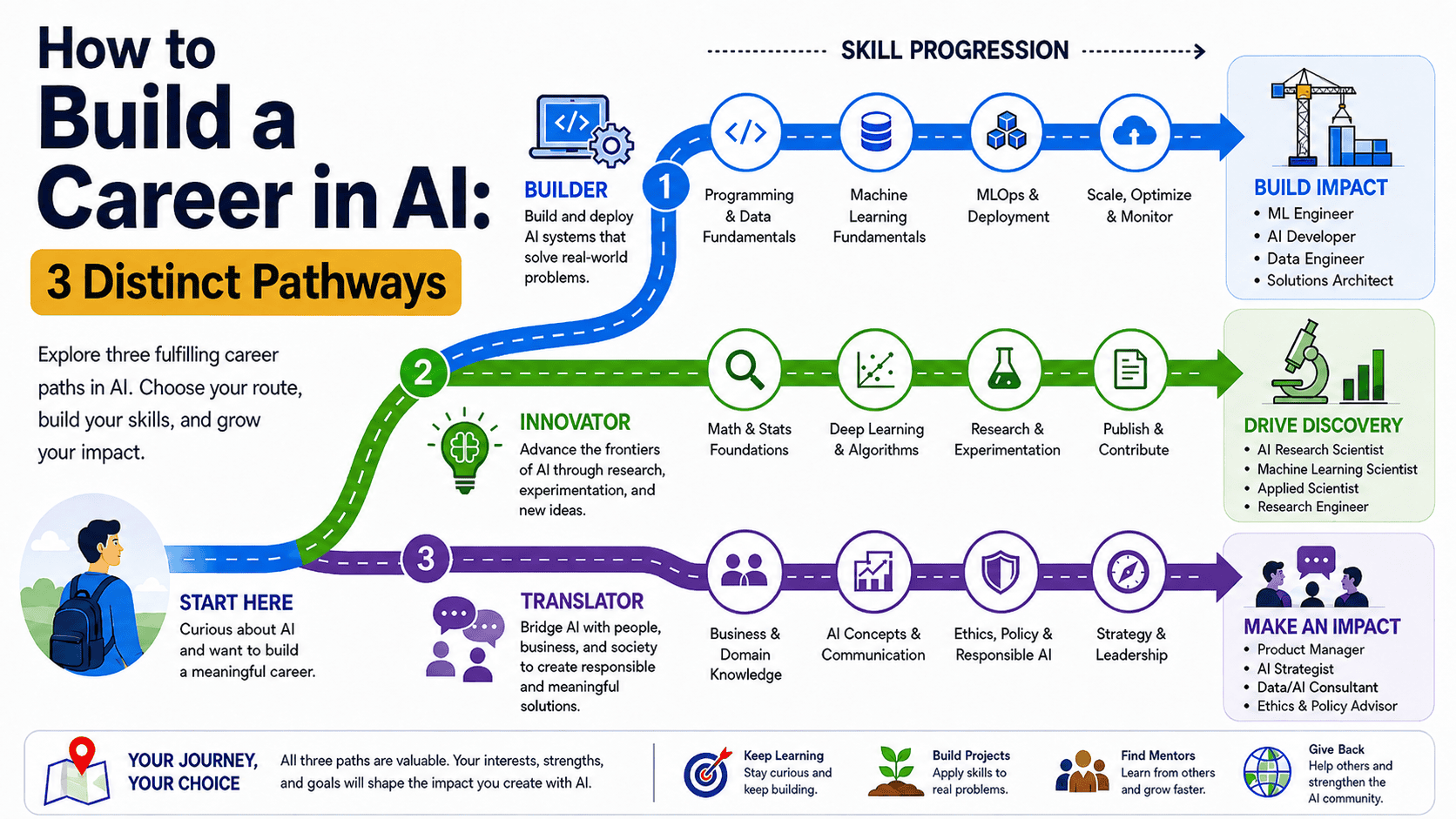
Three paths to align your skills with an AI-driven future
Three orientations. Three different skill maps. That's the honest starting point for anyone eyeing a career in AI, and it's exactly what this guide lays out. You don't need to fit a single mold; you need to match your current standing to the right path. It's practical, grounded advice that respects where you are. If you're still questioning what AI can truly do, our piece on talking to an AI clone offers a useful counterpoint. Explore the pathways, and find the one that fits.
Discover how to surface your most played decks from scattered date columns
Tracking down your most recently played decks across multiple date columns is a challenge Excel can handle, but it requires a smarter approach than a simple formula. You are essentially asking Excel to scan every date column, rank them, and map the top ten to their respective decks. That is doable with a combination of `MAX`, `INDEX`, and `SORT` functions, or a pivot table if you restructure your data. It is a bit of a puzzle, but a rewarding one.
Microsoft retires COPILOT function while keeping its Copilot feature alive
Microsoft's decision to retire the COPILOT worksheet function on 14 September is striking, precisely because the company rarely abandons backward compatibility. The Copilot feature itself remains, so this isn't a retreat from AI assistance. It's a targeted removal of a function that likely saw limited, awkward adoption. Have you used it? If so, for what? I'm curious whether anyone genuinely relied on it, or if it was always a novelty.
Keep your plot anchored while your spreadsheet grows daily.
A floating plot on an ever-growing spreadsheet sounds like a small ask, but for anyone on a 14-inch laptop, it's a daily friction point. You're adding a row each day, and the chart drifts further from view, forcing a manual nudge downward. It's a reasonable frustration. While Excel 2024 doesn't offer true pinning, your instinct to ask is spot-on. Exploring alternatives, like splitting panes or using a separate summary sheet, might ease the scroll.
Stop struggling with every new dataset and start exploring smarter workflows.
The process of testing ten ML models on every new dataset is exhausting, and it's a familiar pain for anyone who's tried. The team at Arcliq decided to automate that grind, focusing on the messy parts like preprocessing and model selection. Their platform handles the heavy lifting, letting you upload a tabular dataset and receive a working model without needing deep expertise. It's early days, but they're opening a private beta to get real feedback. That's a smart move.

Discover how better data unlocks AI's real potential in healthcare.
If AI is going to move the needle on cancer, it won't be through clever algorithms alone. This startup argues the real bottleneck is data, plain and simple. That's a refreshingly grounded take in a field prone to hype. We're not talking about magic; we're talking about feeding models the right, clean information. It's a messier problem than most want to admit, but it's the one that matters.

Explore how Netflix's open-source agent simplifies causal analysis workflows.
Netflix has open-sourced an agentic workflow for Observational Causal Inference that cuts through the usual grind of causal analysis. Given your data and a clear plan, the agent runs an actor-critic loop to estimate causality, draft a report, and point to next steps. It's a practical move toward making complex inference less manual. If you're exploring how agents handle structured tasks, our guide to distributed algorithms offers a useful foundation. This is the kind of tool that turns ambition into action.
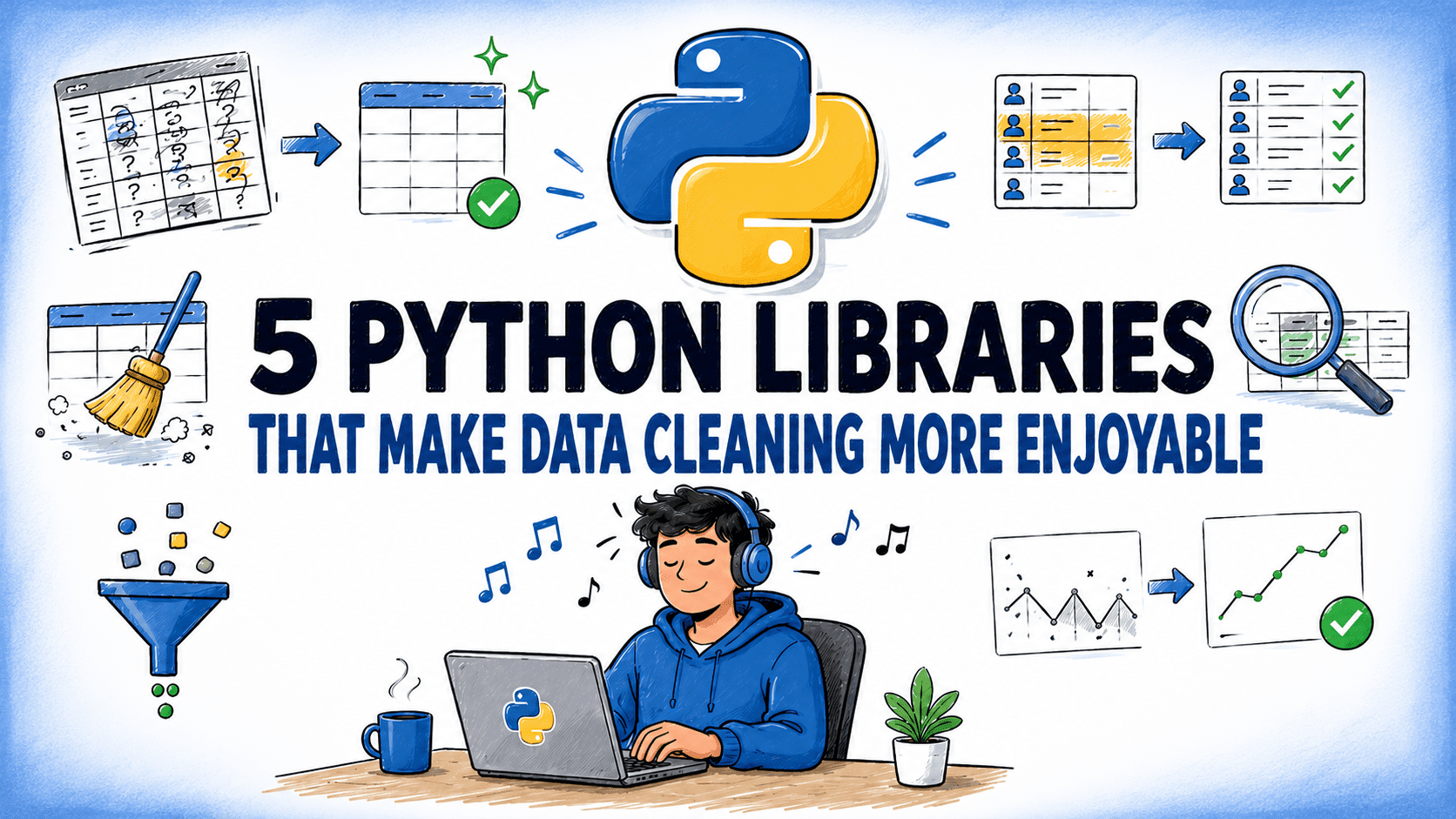
Explore Python Tools That Make Data Cleaning Feel Expressive
Cleaning data is often the least loved part of the job, but it doesn't have to be a grind. This guide highlights five Python libraries that turn tedious tidying into something expressive and even enjoyable. Each tool is chosen for its ability to simplify complex tasks while keeping you in control. If you're ready to make your workflow feel less like a chore and more like a craft, these libraries are worth exploring.

Explore remote SQL execution with three concurrent DuckDB servers.
DuckDB is known for being fast, but what happens when you push it beyond a single machine? In this experiment, the team behind Quack ran SQL concurrently across three remote servers to see if the database could handle the pressure. The result is a practical look at distributed execution that feels both ambitious and grounded. It is not about hype; it is about what actually works. If you are exploring how AI-native tools handle real-world data challenges, this is a worthwhile stop.

Shift from Coder to Strategist in the Age of Accessible AI
Coding is becoming a commodity, but that doesn't diminish your value as a data scientist. It changes where that value lives. The title here promises a practical path forward, and the story delivers on that by focusing on the skills that remain distinctly human. We think the key takeaway is about thriving through insight and judgment, not just technical output.

How AI Transformed a Data Scientist's Daily Workflow
The morning no longer starts with a chaotic scramble through CSV files. By 2026, the data scientist's workflow has shifted from manual cleanup to strategic oversight, where AI handles the repetitive grind. It's a transformation that feels less like automation and more like partnership. We still ask the hard questions, but now we have a thinking partner that accelerates discovery.

Flock's mandatory audit tool raises questions it has yet to answer.
Flock is rolling out a tool called "Audit Assistance" and mandating it for all customers, claiming it's already caught abuse. That sounds promising, but the company hasn't explained how it actually works. We're left to take their word on something meant to police the police. Transparency matters here, and so far, the details are missing. For anyone tracking how AI shapes accountability, this feels familiar. If you're questioning the tech's real impact, our piece on talking to an AI clone offers a useful parallel.
Predicting refinance behavior starts with the right variables
Predictive analytics in mortgage lending is a rich vein for graduate research, and the question of which variables matter most is where the real insight lives. Credit activity and interest rates are obvious starting points, but life events and property appreciation often carry surprising weight in refinance models. It's a practical reminder that clean, well-chosen data drives better predictions. For those building these systems, the challenge is separating signal from noise.

Explore why early A/B test significance often misleads your decisions
A single day of statistical significance in an A/B test is not a win. It's a mirage. The post "Stop Calling the First Significant Day a Win" challenges that premature celebration, and it's a critique worth taking seriously. We often chase early signals, but data needs time to stabilize. The rush to declare victory is understandable, yet it undermines the entire process. For those looking to refine their analytical instincts, this pairs well with our piece on catching AI slop before it skews your model.