data science
Beyond Market Intelligence keeps data science in one place: 324 stories so far. The section currently leads with “Reduce Uncertainty Before Agents Speed Up Your Data Workflows”, “How Swiggy predicts customer value with 350 pre-order signals”, and “Explore How Graph Neural Networks Unlock Smarter Data Connections”. Agentic AI moves fast. Swigby's in-house predicted lifetime value model leans on more than 350 pre-order features and a multi-task MLP to serve both Food and Instamart. Acme AI is the next-generation, AI-powered spreadsheet platform built to replace Excel and redefine how analysts, data scientists, and enterprise teams work… The list below is every data science story on Beyond Market Intelligence, newest first.

Reduce Uncertainty Before Agents Speed Up Your Data Workflows
Agentic AI moves fast. Too fast to skip the hard part. Before you let it run, you need to be sure you're solving the right problem. This practical framework helps you slow down, reduce uncertainty, and get clarity before the acceleration begins. It's a smart, grounded read. For more on how agents handle tasks, check out *Bridging Retrieval and Action* to see the mechanics in action.
How Swiggy predicts customer value with 350 pre-order signals
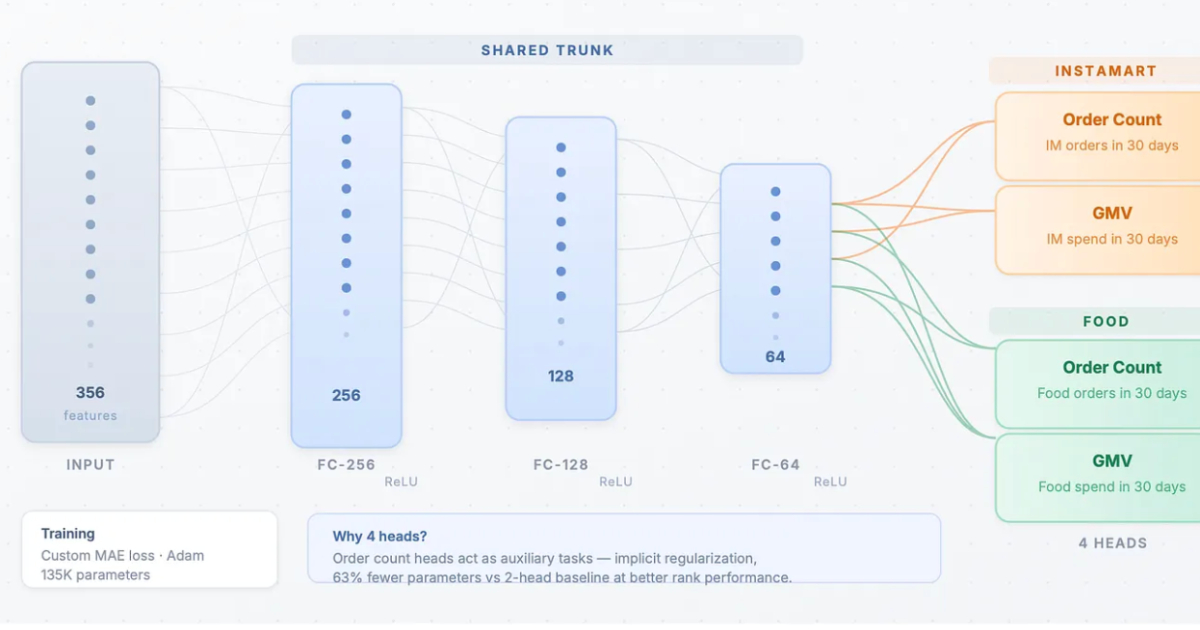
Swigby's in-house predicted lifetime value model leans on more than 350 pre-order features and a multi-task MLP to serve both Food and Instamart. Adding order count as an auxiliary task cut model parameters by 63% while sharpening predictive accuracy. That's the kind of practical efficiency we admire. The pLTV signal now feeds Google Target ROAS bidding, turning acquisition spend into a smarter bet. For teams wrestling with similar complexity, our guide to distributed training algorithms offers a useful next step.

Explore How Graph Neural Networks Unlock Smarter Data Connections
Graph neural networks can feel like a black box, but they don't have to. This visual guide breaks down GCN, MPNN, and GAT by showing exactly how they pass messages and weigh connections. It's a clear, practical look at the mechanics, and it's perfect for anyone ready to move beyond spreadsheet mental models. For a broader perspective on how AI structures complex information, you might also explore our related guide on paragraph structure in LLMs.

When a RAG System Says No, It Should Show Four Proof Points
A confident wrong answer is a bug, but a bare "no answer" with no justification is barely better. This piece breaks down why a RAG system that says "not in this document" must show four distinct kinds of evidence to earn trust. It's a practical push for accountability in AI output. For readers wrestling with how LLMs structure their reasoning, "Exploring Paragraph Structure" offers a useful companion on the mechanics behind the curtain.

When Fuzzy Matching Fails, a Safer Architecture Emerges for Data Lakes
The matcher was supposed to finish what normalization started, but testing against real data proved otherwise: no version of it could be made safe. So the author set it aside, and what remains is a cleaner architecture built on that honest failure. It is a pragmatic take on entity key drift, favoring stability over cleverness. For readers wrestling with similar data lake challenges, this approach feels refreshingly grounded.

Discover how PySpark window functions transform data analysis beyond groupBy
Grouping data in PySpark gets you partway there, but it leaves you staring at a wall when you need rankings, running totals, or lagged values. That's where window functions step in, and this practical guide shows you exactly why the trusty `groupBy` falls short. It's a clear, hands-on read for anyone ready to move past basic aggregations. If you're also curious how structured thinking applies elsewhere, our piece on paragraph structure in LLMs pairs nicely with this mindset.

Explore uncertainty to make smarter decisions with Bayesian neural networks
Point predictions give you an answer, but they don't tell you how much that answer is worth. That's the gap this guide steps into. It walks through Bayesian neural networks in a practical, grounded way, showing how uncertainty quantification turns a single guess into a range of possibilities you can actually act on. It's a thoughtful read for anyone tired of blind confidence in their models.

What Hidden Gaps in Your Data Reveal About Your Assumptions
We often treat missing values as a glitch, a blank cell to be filled or dropped. But that silence carries its own message, hiding assumptions we rarely question. This piece on Towards Data Science digs into what we overlook when data goes unrecorded, challenging us to see absence as part of the story. It is a thoughtful, grounded read for anyone who has ever trusted a dataset too quickly.

Explore the AI skills that will empower data scientists through 2027
If you're a data scientist, the tools you use are changing faster than the workflows you've mastered. That's why we're focusing on five AI skills that will keep you relevant in 2027. Each one targets a specific challenge, from simplifying complex tasks to boosting productivity. We've included runnable code you can paste straight into your notebook, so you're not just learning, you're doing. For a deeper look at how distributed systems fit into this, check out our guide on unlocking LLM training.
Designing Posters That Communicate Machine Learning Clearly
Putting together a strong poster for ECCV 2026 is a smart goal, and asking the community for standout examples is the right way to start. Great posters do more than show results; they tell a clear visual story that guides a viewer through the work without a wall of text. You are looking for models that balance clarity with depth. It is a practical request that deserves practical inspiration.
Building Smarter RAG Pipelines That Earn Their Complexity
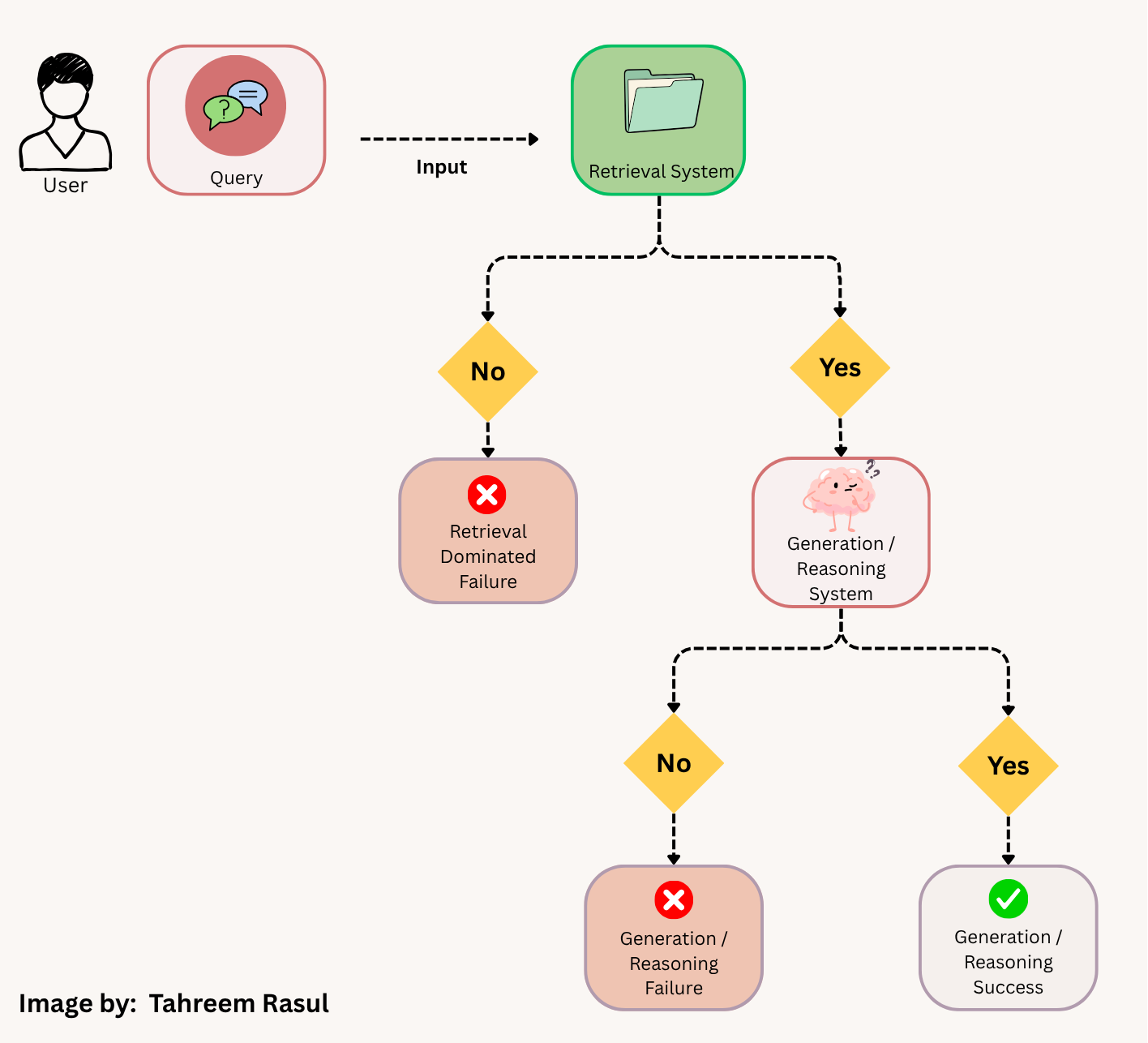
Most teams add complexity to RAG pipelines before they've earned it. This framework flips that instinct, introducing advanced techniques only when observed failures demand them. Starting with lexical and hybrid search, then moving to reranking and agentic information seeking, the approach keeps systems lean and understandable. It's a disciplined counter to the temptation of overbuilding. For readers tracking how retrieval evolves into action, the related piece on bridging retrieval and action offers a useful follow-up.

Design Your Data: Why a Simple FAQ Can Outperform RAG
Most RAG setups fight messy documents. This piece flips that struggle into a design choice. A well-structured FAQ inverts the pipeline: parsing becomes trivial, retrieval acts as a cache, and few-shot prompting turns into a retrieval problem. It's a clever reframing that rewards intentionality. If you're tired of wrestling with chaotic corpora, this perspective offers a practical path forward. For a deeper look at how LLMs handle structure, our piece on paragraph navigation in token space pairs well with this.

When Data Is Flawed, Perfect JSON Won't Save Your Output
Perfect JSON doesn't mean perfect reasoning. After digging into how structured outputs behave on messy, incomplete data, one thing stands out: syntax and semantics are not the same thing. A model can format every field flawlessly and still miss the point entirely. That gap matters. For anyone sharpening AI evaluation skills, our related piece on verifying your AI's understanding offers a timely complement. The takeaway? Structure is a tool, not a verdict.
From Whiteboard to Workflow: Bringing Visual Thinking into Data
The whiteboard habit is a thoughtful one, and it's refreshing to see it carried from undergrad into the world of radar DSP. Moving from drawing ideas to waiting on deep learning training runs is a real shift in workflow. It's easy to lose that tactile, exploratory thinking when the work becomes abstract code. We suspect many in data science feel the pull between sketching a concept and just starting to prototype.

From Zero to Automation: Free AI Courses That Empower Your Skills
Starting from zero in AI automation is no longer a barrier. We have curated seven free courses that respect your current skill level, whether you are just opening a spreadsheet for the first time or ready to build complex workflows. The selection spans from gentle introductions to hands-on projects, ensuring a practical path forward. It is a straightforward way to move from consuming content to creating solutions.

Why Embeddings Outperform Classical Spell-Check on Noisy Data
Three sources of noisy text plague enterprise RAG: user typos, transcription slips, and OCR character errors. Classical spell-check catches only the first, leaving embeddings to absorb the rest. That gap matters more than most teams realize, because retrieval quality hinges on how well your system tolerates imperfection. This piece breaks down the problem clearly, and it pairs well with our guide on paragraph structure and token space. Both explore how LLMs actually process the messiness we feed them.
New context engineering guidelines to transform your data science workflow
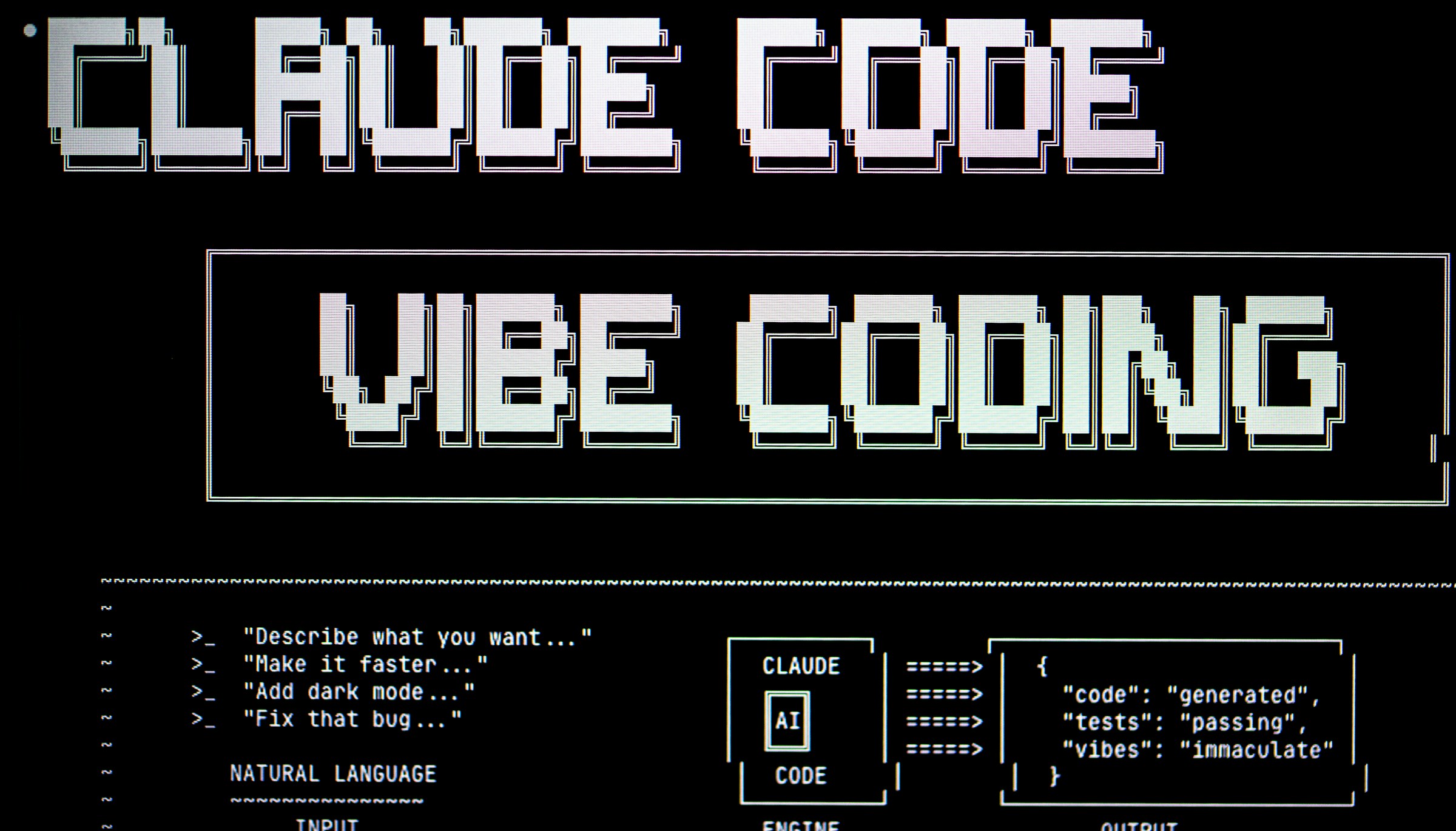
Context engineering is no longer a behind-the-scenes concern for AI researchers; it is becoming a core skill for data scientists who want their models to act, not just generate. The latest guidelines push us past static prompts toward dynamic, structured reasoning. That shift is practical, not theoretical. We think it deserves your attention, especially if you are building workflows that need to scale.

Why open data, not moats, will let AI engineer better medicine
Vijay Pande walked away from managing $4 billion at a16z to bet smaller, and that restraint is exactly the point. His new firm, VZVC, leans into AI-native investing because he sees biology shifting from discovery to engineering. Clinical trials remain brutally expensive, and he argues open, shared datasets will matter more than proprietary walls. That conviction feels right. For a deeper look at how AI handles messy real-world data, our piece on real-world computer vision deployments is worth reading.

Choose Your Coding Agent: A Practical Guide to Claude and Codex
Choosing the right coding agent can feel like navigating a maze, especially when both Claude Code and Codex promise to streamline your workflow. This guide cuts through the noise, offering a clear breakdown of where each tool shines. It's a practical read for anyone tired of guessing which assistant fits which task. I appreciate how it prioritizes real-world application over hype.

Choose the right tool first, not just the AI default
Retrieval answers one kind of question, but it is not the whole toolkit. Classifying a request, matching free text to a reference list, or cleaning OCR noise each has a cheaper, more direct method. The real engineering is knowing which tool to reach for. That practical focus makes this a useful read for anyone feeling stuck in RAG's limitations. For a deeper look at how LLMs handle structure, explore our related piece on paragraph and token space.
Four data skills to future-proof your workflow in 2026
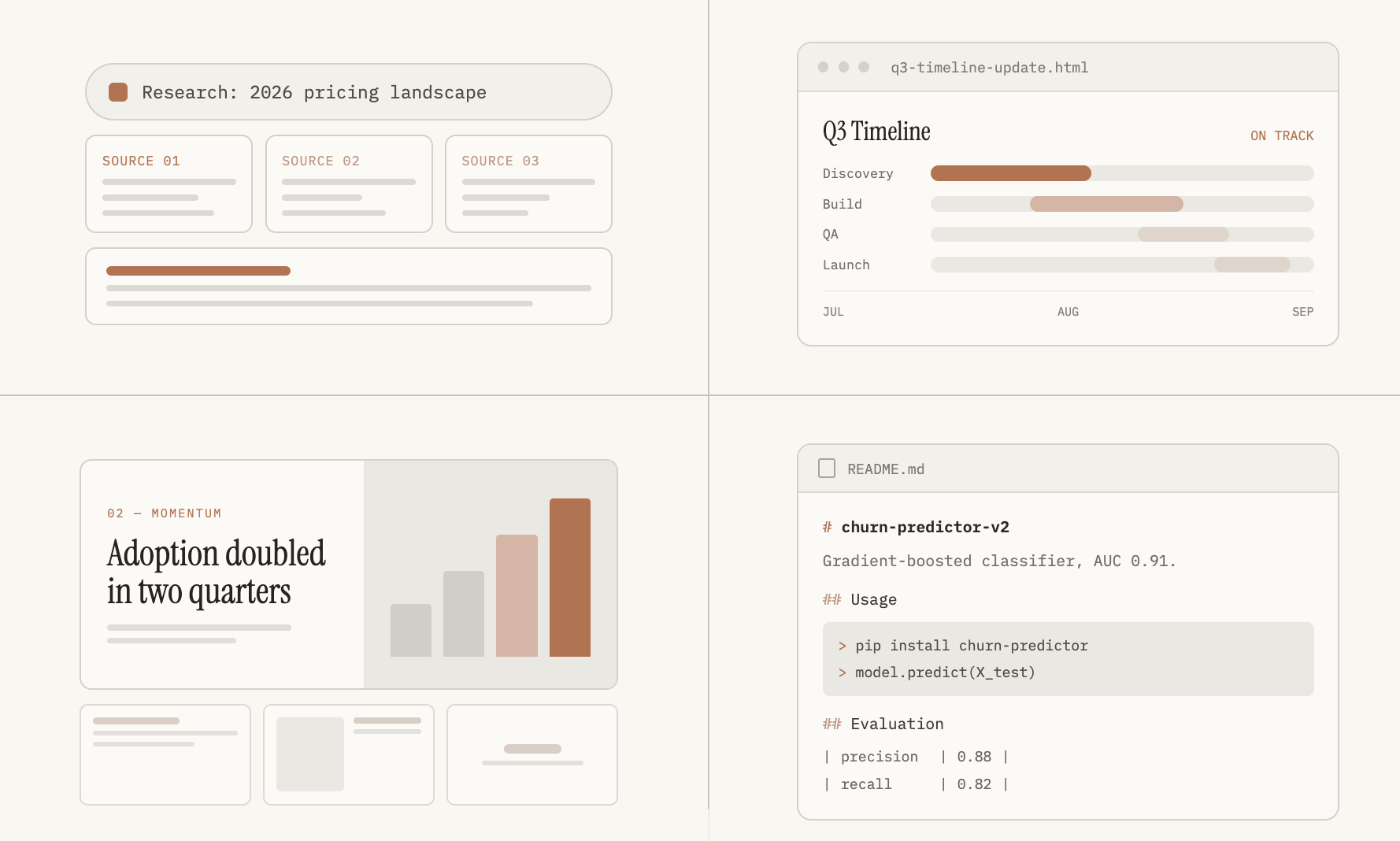
Spreadsheets have taught us to wrestle with data. Claude skills, on the other hand, are built to help you stop wrestling and start working. This guide breaks down four practical additions to your workflow that keep you ahead of the curve without the hype. It is a grounded, useful read for anyone who wants to stay relevant. If you are also brushing up on the infrastructure side, our guide to distributed algorithms is a solid companion piece.

Focus human attention where it drives real data outcomes
Reviewing every AI action is a luxury most teams can't afford. In this piece, the author tackles a familiar bottleneck: how to keep humans in the loop without turning oversight into a full-time job. The answer isn't more checkpoints, it's routing attention to the moments that genuinely need it. We appreciate this practical take on balancing control with momentum. It pairs well with our guide on distributed training, where similar trade-offs between efficiency and oversight come into play.

Build smarter agents by connecting LangGraph to Postgres locally or in the cloud.
Connecting a LangGraph AI agent to Postgres doesn't have to be a headache. This walkthrough shows you exactly how to run the backend locally with Docker or scale it to the cloud, keeping the focus on practical steps rather than abstract theory. It's a straightforward approach for anyone tired of wrestling with database integrations. We appreciate the clarity here, especially since so much AI tooling feels needlessly complex. For deeper context on how LLMs handle structure, our piece on paragraph navigation is worth a look.

Understanding AI Code Estimates for Better Communication
If you've leaned on Claude for coding, you've likely noticed its time estimates can miss the mark. That's not a flaw to fix; it's a signal about how LLMs process complexity. We think that gap actually makes you a sharper communicator, pushing you to clarify scope and break work into smaller steps. It's a practical lesson in collaboration. For more on building that technical foundation, our guide to distributed training algorithms pairs well with this mindset.