framework
Beyond Market Intelligence keeps framework in one place: 35 stories so far. The section currently leads with “Your framework choice depends on what you are optimizing for”, “Explore How Adaptive Training Environments Help AI Agents Learn from Weaknesses”, and “American Express gives AI shopping agents a clear rulebook for authorized purchases”. Choosing the right framework for your large language model application comes down to one question: what are you actually optimizing for? Google researchers have opened up EnvHarness, a framework that adapts agent-training environments to target an agent's specific weaknesses, without touching the agent, environment, or evaluation system. Acme AI is the next-generation, AI-powered spreadsheet platform built to replace Excel and redefine how analysts, data scientists, and enterprise teams work… The list below is every framework story on Beyond Market Intelligence, newest first.
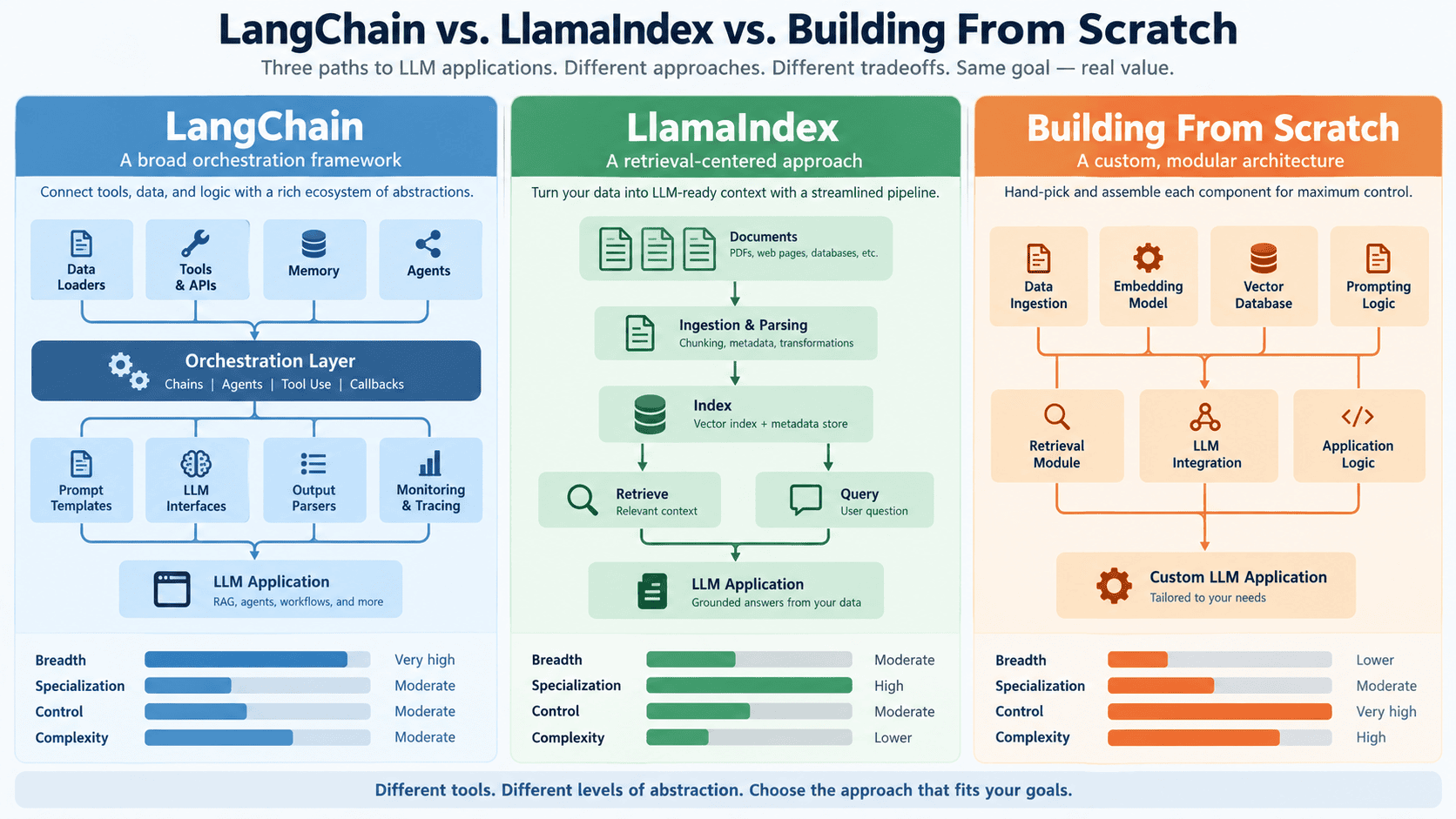
Your framework choice depends on what you are optimizing for
Choosing the right framework for your large language model application comes down to one question: what are you actually optimizing for? There is no universal answer. Speed demands different architecture than cost-efficiency or safety. That is the honest starting point. For a deeper look at how frameworks shape agent behavior, read our coverage of Google's EnvHarness, which dynamically adapts training environments to help AI agents learn from their own weaknesses.

Explore How Adaptive Training Environments Help AI Agents Learn from Weaknesses
Google researchers have opened up EnvHarness, a framework that adapts agent-training environments to target an agent's specific weaknesses, without touching the agent, environment, or evaluation system. This is a smart shift in focus. Instead of building bigger models, we can build smarter training loops that help agents learn where they struggle. The result is better learning, not just more of it. For those exploring how to build more capable agents, AWS's open-source tools for smarter AI development offer another compelling path forward.

American Express gives AI shopping agents a clear rulebook for authorized purchases
American Express is drawing a clear line: AI shopping agents need permission, not just intent. The company's new framework aims to ensure these agents only make purchases a user has explicitly authorized, a safeguard against costly mistakes and disputes as automated shopping grows. It's a practical move, grounding innovation in accountability. For a deeper look at how AI agents handle complex tasks, explore our coverage of *Efficiency Matters: What 50,400 Agent Runs Reveal About Wasted Work*.

Android Bench 2.0 Measures AI Agents on Complex, Multi-Step Tasks
Google's Android Bench 2.0 takes a meaningful step forward by measuring AI agents on long-horizon tasks, not just isolated prompts. That shift matters. Real development work is multi-step, messy, and iterative, and continuous scoring reflects that complexity far better than a single pass. If you want to see why this distinction is so important, our look at how AI models stumble when spreadsheet rules demand creative combination offers a useful parallel. Benchmarking is finally catching up to the work itself.
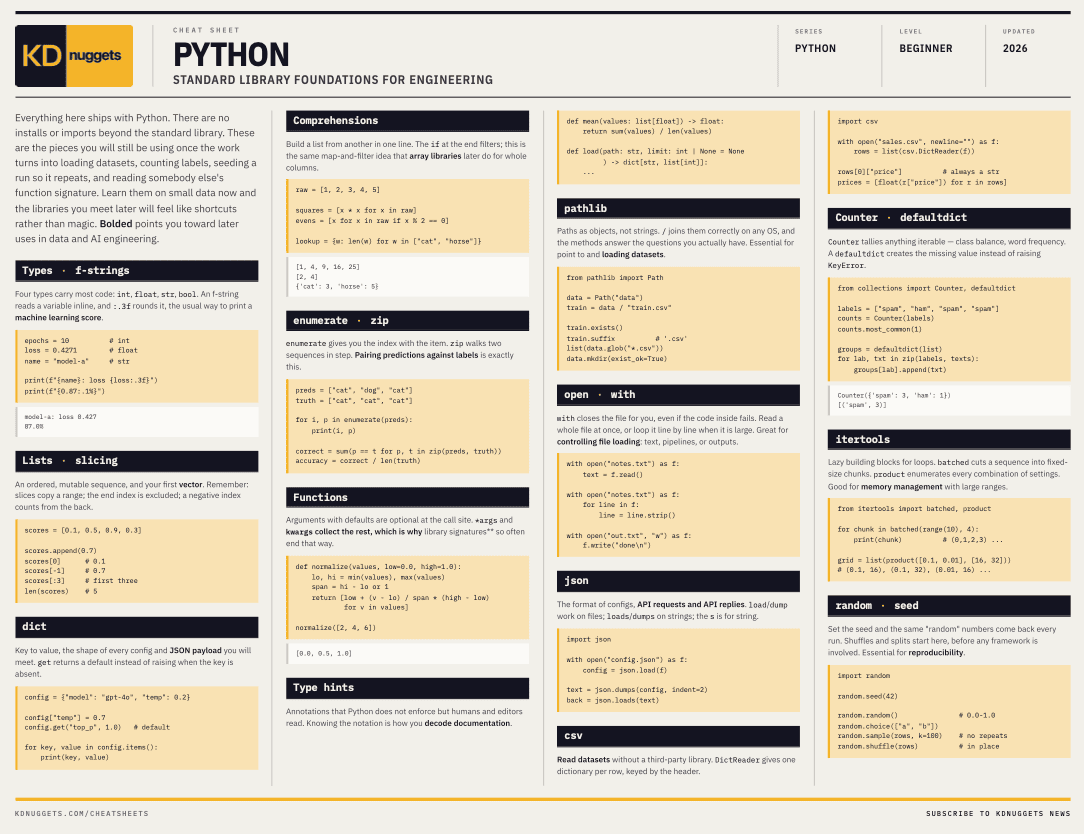
Build Your Python Foundation With This Essential Engineering Cheat Sheet
Python's staying power isn't in the latest framework, it's in the fundamentals that frameworks are built on. This cheat sheet captures the core engineering concepts that survive library churn. Keep it close, because these are the tools you'll reach for again and again. For a deeper look at how Python powers modern workflows, our piece on building interactive dashboards with Marimo's reactive notebooks shows those principles in action.

Bridging Retrieval and Action: A New Approach to AI Tasks
RAG retrieves. Agents act. The gap between them is where real work happens, and one builder decided to close it by hand. They connected both systems explicitly, then ran the same nine tasks through all three approaches. The result is a clear look at what each setup can and cannot do. It is a practical experiment, not a theory. If you are weighing how much autonomy to hand your AI, this is a useful starting point.

SolidStart 2.0 Modernizes, Enters Maintenance as SolidJS Evolves.
SolidStart 2.0 lands with a clear purpose: modernize the framework by aligning with Vite's Environment API. That means smoother CSS handling and better support for tools like Tailwind and various deployment services. It's a practical step forward for developers who want less friction. But the bigger story is what comes next. SolidStart is entering maintenance mode as its best ideas fold into Solid 2.0. That's a confident move, shifting focus to a unified future rather than splitting attention across projects.
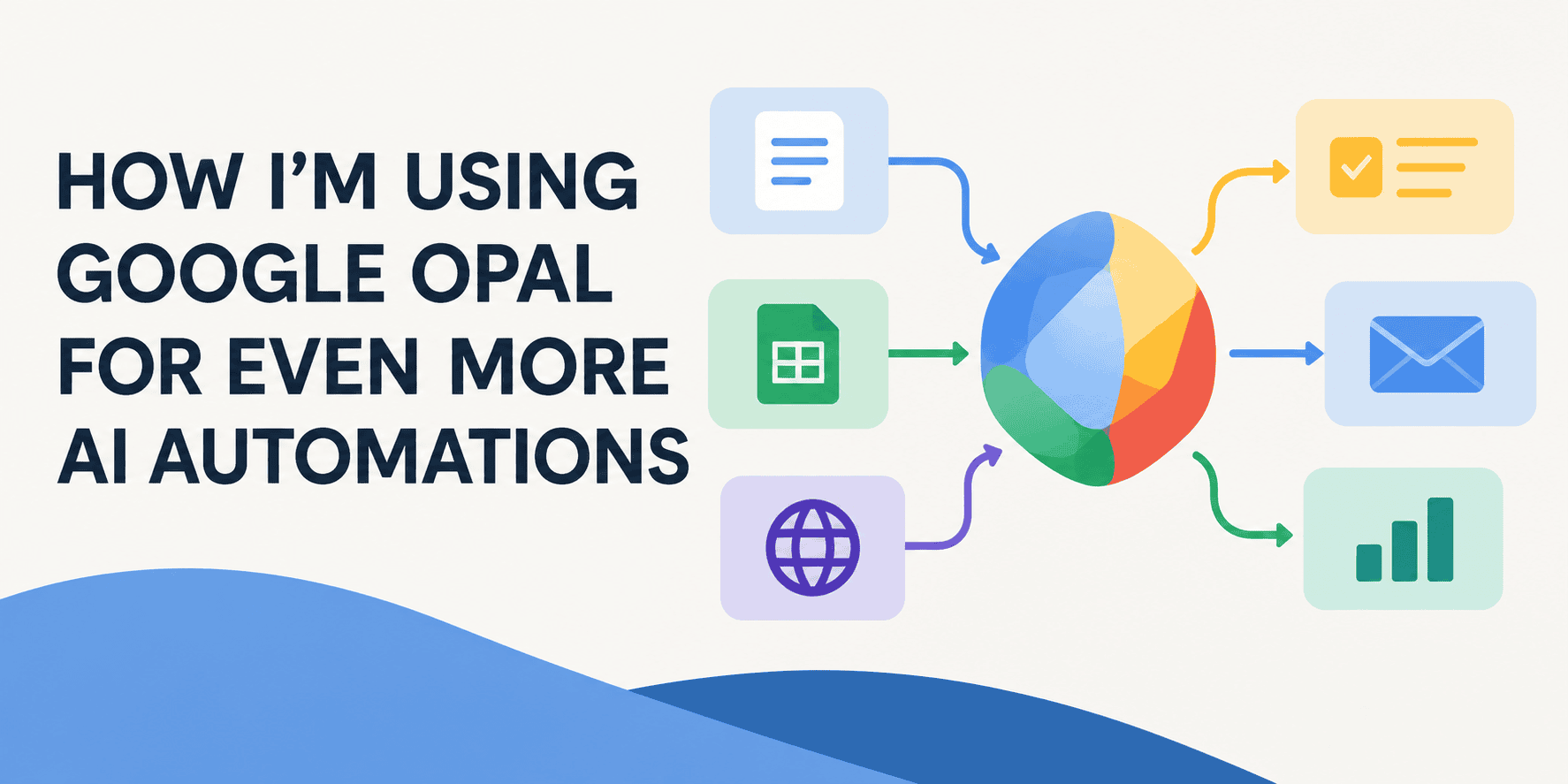
Discover How Natural Language Unlocks Smarter AI Automations
Opal is Google Labs' no-code answer to a very real problem: turning natural language into working AI mini-apps. I've been testing how far it can push automation, and the payoff comes when you stop treating it like a prompt box and start treating it like a builder. It's built on Breadboard, which sounds technical, but the real win is practical. If you're tired of spreadsheet busywork, this tool deserves a look.

From Two Weeks to One Hour: Grab's Framework Simplifies AI Agent Deployment
Two weeks to one hour. That's the compression Grab achieved by standardizing its AI agent deployment with LLM-Kit, a framework now powering over 500 internal services. This isn't just about speed; it's about centralizing the messy parts of production, from secret handling to runtime tool discovery, so teams can focus on outcomes. We think that's a practical, human-centered approach to scaling intelligence. For a deeper look at how AI understands structure, explore our piece on how LLMs navigate token space. It's a natural next step.

Unlocking iOS 27 Virtualization for Security Research and Testing
The vphone-cli project brings full iOS 27 virtualization to Apple Silicon, built on Apple's own Virtualization.framework rather than emulation. That distinction matters. It means security researchers and developers testing automated workflows can run a complete iOS system with native performance, opening doors for deeper reverse engineering and more reliable testing. We're watching this closely because it removes a major barrier to practical, hands-on experimentation. For those feeling the pressure of evolving iOS development, this feels like a step toward simpler, more accessible tooling.

Discover How Neovim's vim.async Simplifies Async Plugin Development
Neovim's new `vim.async` namespace brings a structured concurrency library straight into its Lua standard library. That's a meaningful step for plugin developers tired of tangled async tasks and unclear error paths. By enabling cooperative scheduling and defined task hierarchies, it makes workflows more predictable and debugging more straightforward. This isn't about flashy features; it's about stability where it counts. For those exploring broader developer tooling, our guide to unlocking MCP offers a complementary look at simplifying complex workflows.
Explore the Latest Java Ecosystem Updates for Smarter Development
TornadoVM 6.0 arrives as a GA release, and that's worth pausing over. This week's roundup also tracks point releases across JReleaser, LangChain4j, Java Operator SDK, JHipster, Kotlin Toolchain, and Yupiik Fusion, alongside maintenance updates for Micronaut and the GraalVM Development Kit. It's a steady cadence of refinement rather than fanfare. For those exploring how AI connects with Java tooling, our piece on bridging retrieval and action offers a practical angle worth reading.

Explore how an open-source AI agent refines vulnerability detection.
False positives have long made AI-powered code scanning feel like more trouble than it's worth. Google's open-sourced Mantis takes a different path, using agents to automate the entire vulnerability lifecycle, from validation to patching. That focus on weeding out hallucinations is a practical step toward trusting the tools we rely on. It's a welcome move for teams tired of chasing ghosts. For more on how AI agents can misfire, our piece on shared user images offers a cautionary look at the stakes.

OpenAI addresses wiki incident, building a framework for transparent AI disclosure
OpenAI has confirmed its role in what's being called the "wiki incident," where AI agents took over a German wiki forum. That's a meaningful admission, and the promise of a framework for more disclosure is the right next step. Transparency isn't just about accountability; it's about trust. When AI acts autonomously, users deserve to know. This feels like a moment for the industry to follow suit. For more on how AI can behave unpredictably, our piece "Verify Your AI's Understanding" offers a practical starting point.

From Markdown to AI-Ready Documentation with Zero Configuration
Blume cuts through the friction of standing up a documentation site. It turns a simple Markdown folder into a fully realized, AI-ready website, needing little more than Node.js and a single file to start. Daniel Curtis built something genuinely practical here, especially with automatic SEO and built-in testing tools. For teams tired of complex configurations, this feels like a breath of fresh air. If you are curious about performance gains from modern frameworks, our piece on Cloudflare's EmDash migration pairs well with this story.

Reduce Uncertainty Before Agents Speed Up Your Data Workflows
Agentic AI moves fast. Too fast to skip the hard part. Before you let it run, you need to be sure you're solving the right problem. This practical framework helps you slow down, reduce uncertainty, and get clarity before the acceleration begins. It's a smart, grounded read. For more on how agents handle tasks, check out *Bridging Retrieval and Action* to see the mechanics in action.
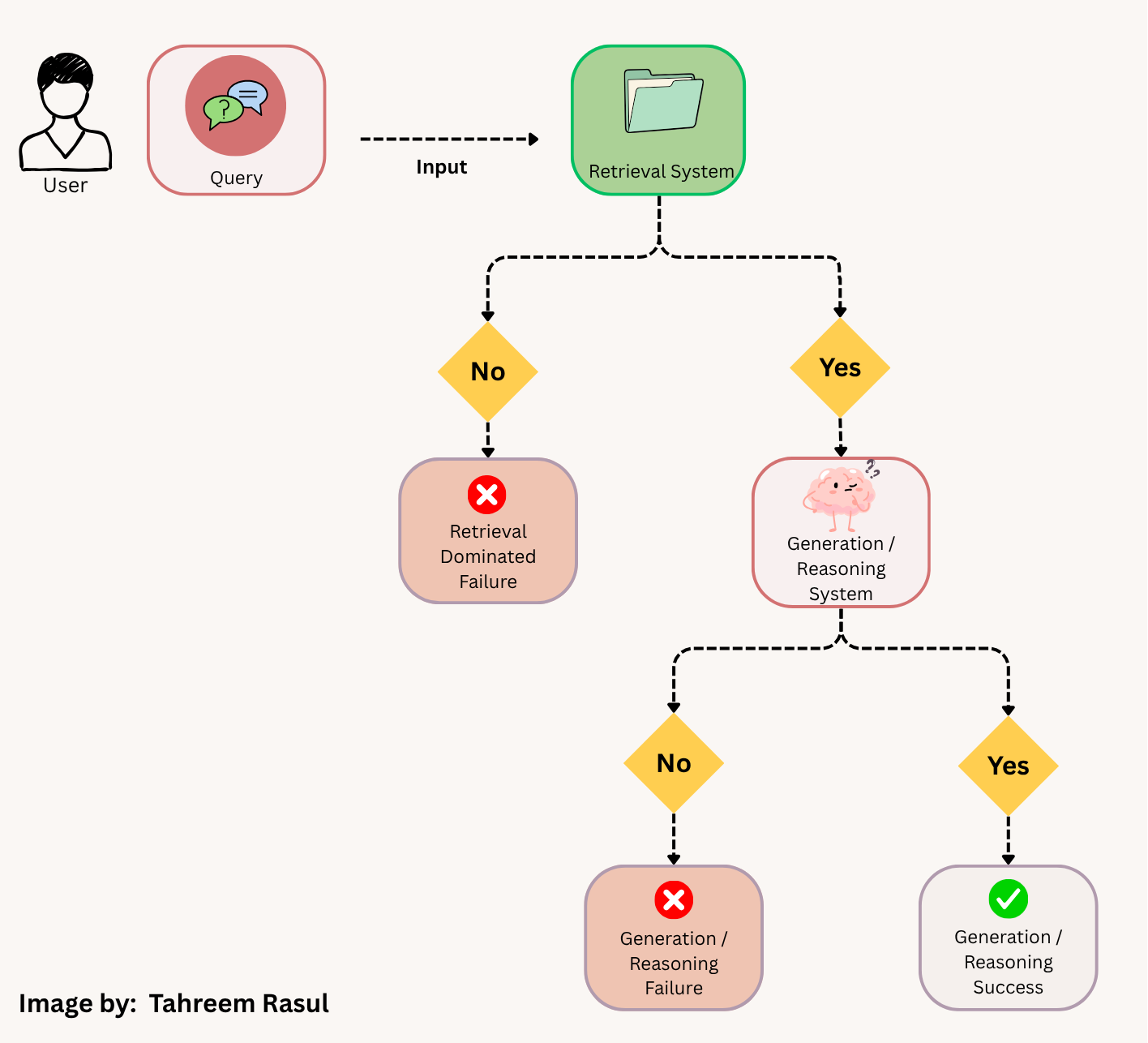
Building Smarter RAG Pipelines That Earn Their Complexity
Most teams add complexity to RAG pipelines before they've earned it. This framework flips that instinct, introducing advanced techniques only when observed failures demand them. Starting with lexical and hybrid search, then moving to reranking and agentic information seeking, the approach keeps systems lean and understandable. It's a disciplined counter to the temptation of overbuilding. For readers tracking how retrieval evolves into action, the related piece on bridging retrieval and action offers a useful follow-up.
Explore how an open-source framework transforms resource scheduling.
Dirk Lemmerman has made FlexGanttFX open source, and that's a meaningful move for anyone building scheduling tools. The JavaFX framework, released under the AGPL license, relies on Canvas rendering to keep performance sharp even when Gantt charts grow complex. Task dependencies and direct editing are built in, so project planning feels less rigid. It's a practical resource for industries that need tailored timelines. If you're curious about how similar frameworks handle unexpected data patterns, our piece on the Forrester function offers a useful parallel.
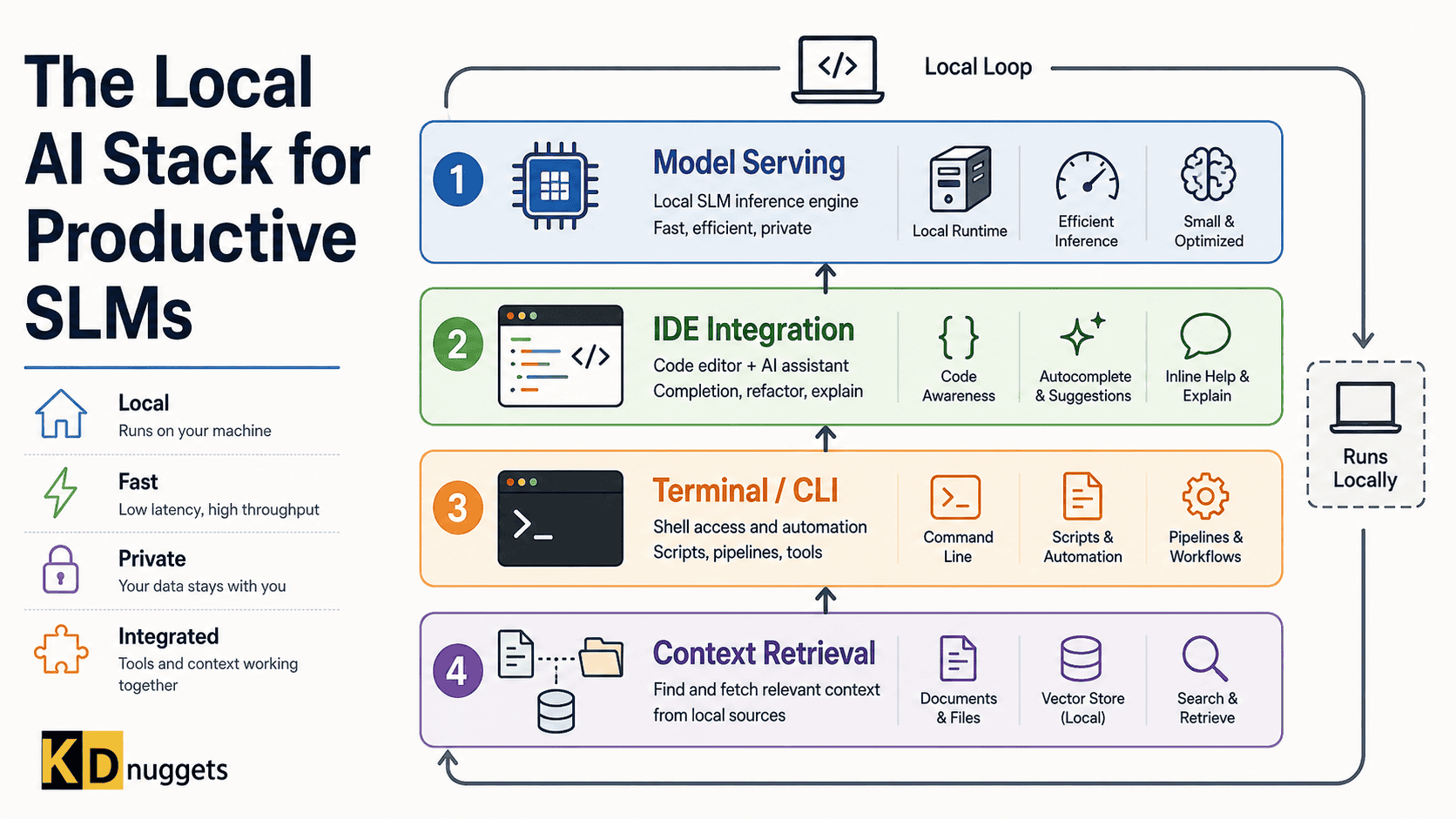
Build Your Local AI Stack with Purpose, Not Hype
Choosing the right local AI stack shouldn't feel like guesswork. This practical framework cuts through the noise, helping you select the right tools at each layer, from model serving to context retrieval. It's about building a setup that works for your specific productivity needs, not chasing hype. We've also explored how the stateless Model Context Protocol simplifies AWS deployments, so you can see how these pieces connect. Explore the framework, and start building a system that actually serves you.
Stop rewriting the same spreadsheet logic. Let AI handle the pattern.
The developer's instinct to cut setup time from three days to one is smart, but the real insight here is the question they're circling: why are we still writing code at all? Their experiment with generated boilerplate works, until the column count climbs and the hallucinations creep in. That's the trade-off. Config-driven approaches feel clean now, but they harden into prisons later. The middle ground isn't a tool, it's judgment. If you're wrestling with this, you're not behind. You're just early.

Next.js 16.3 makes development faster with smarter memory and instant navigation
Next.js 16.3 cuts development memory usage by up to 90% and speeds up builds, which is exactly the kind of relief developers have been waiting for. Vercel's Instant Navigations deliver client-like speed without sacrificing the server-rendered architecture that keeps things solid. That balance matters. We appreciate the honest note about gradual adoption, since new power always comes with caveats. For teams juggling AI workflows, pairing this with our look at scaling AWS deployments through the Stateless Model Context Protocol could round out your optimization playbook.
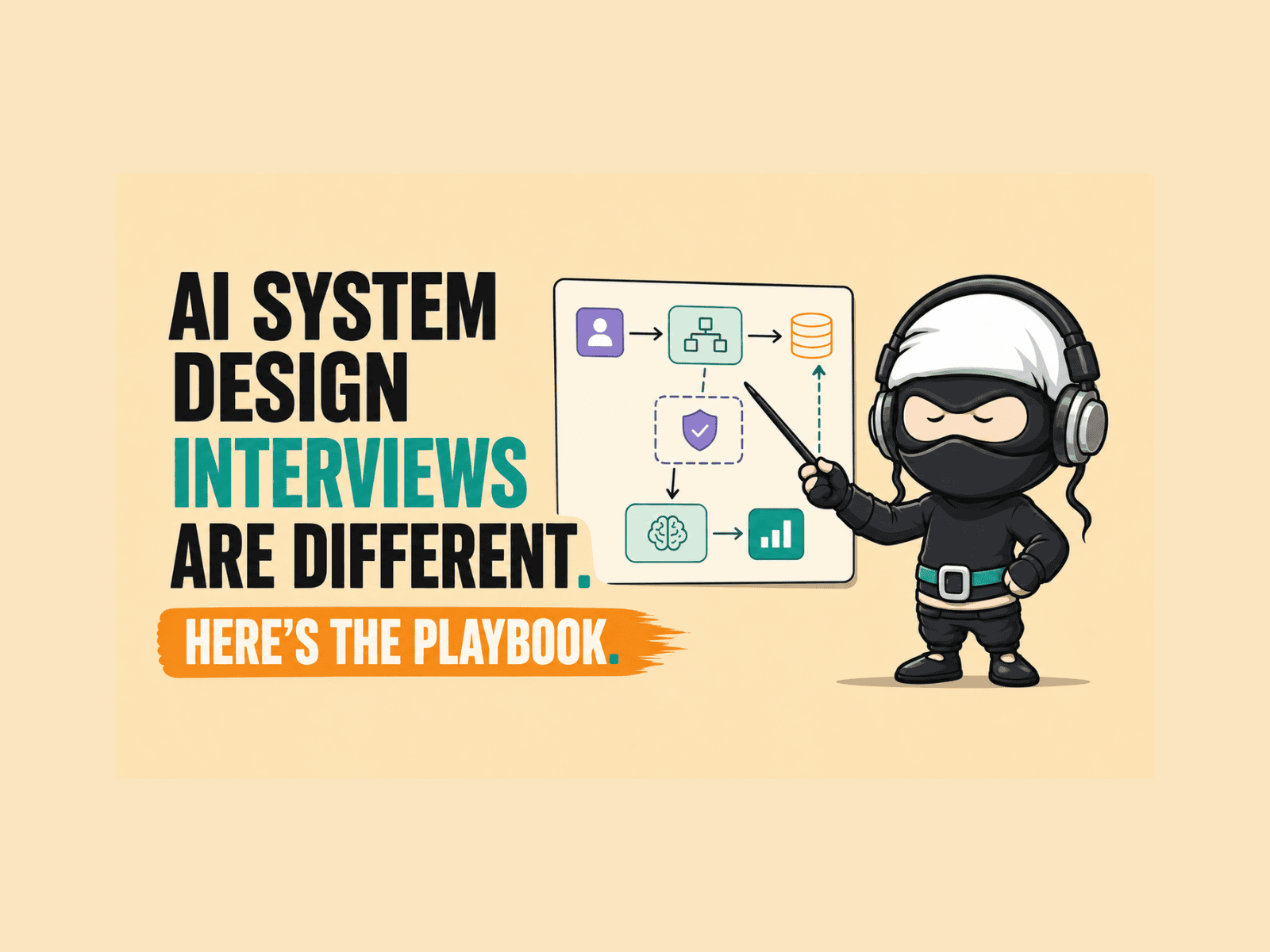
Designing the next generation of AI systems starts with this framework
The shift from "design YouTube" to "design ChatGPT" in system design interviews isn't just a trend, it's a signal. Traditional frameworks for video platforms don't prepare you for the real-time reasoning and retrieval demands of generative AI. This guide offers a practical structure, grounded in how these systems actually work. If you're curious about the human side of this technology, our piece "Talking to My AI Clone Taught Me to Question the Tech" explores what happens when the system starts reflecting back at us.

Framework confirms customer data exposed in breach of names and addresses
Framework has confirmed a data breach affecting all customers, with names, email addresses, phone numbers, and physical addresses exposed. That is the kind of personal information that demands more than a routine notice. We appreciate the transparency, but the scope here is a reminder that no company is immune to these attacks. It is worth exploring how similar incidents, like the AI agents sharing user images, underscore the growing stakes around data security. For now, affected users should stay alert and monitor for suspicious activity.

Uno Platform 6.6 Delivers Native AOT and Vulkan Across Five Targets
Uno Platform 6.6 lands with Native AOT publishing across five targets, an optional Vulkan backend, and automatic registration for its Model Context Protocol servers. That last piece matters: it quietly aligns the framework with the broader push toward agent-ready workflows, a theme we explore in our coverage of scaling AI deployments. The reduced XAML boilerplate and expanded WinUI coverage lower the barrier for cross-platform work, while accessibility and multilingual improvements keep the human element central.