inference
inference at Beyond Market Intelligence is a file of 53 stories. The newest of them: “Why Model Switching Can Erase the Savings of Cheaper AI Inference”, “EmbeddingGemma 2 Now Processes Code, Images, Video, and Audio”, and “How Watching a Few Episodes Reveals the Host's Strategy”. Testing cheaper LLM inference models comes with a hidden cost: switching models mid-session can erase the savings entirely. EmbeddingGemma 2 now understands more than just text: code, images, video, and audio are all in its grasp. Acme AI is the next-generation, AI-powered spreadsheet platform built to replace Excel and redefine how analysts, data scientists, and enterprise teams work… The list below is every inference story on Beyond Market Intelligence, newest first.
Why Model Switching Can Erase the Savings of Cheaper AI Inference
Testing cheaper LLM inference models comes with a hidden cost: switching models mid-session can erase the savings entirely. I ran routing experiments to understand why, and the results show that context loss, incompatible reasoning patterns, and repeated re-processing add up fast. The math on model switching is clear, cheaper per token means nothing when you pay the switching tax repeatedly. For deeper context on what keeps LLMs in check, see our related piece on spec-driven test automation.
EmbeddingGemma 2 Now Processes Code, Images, Video, and Audio
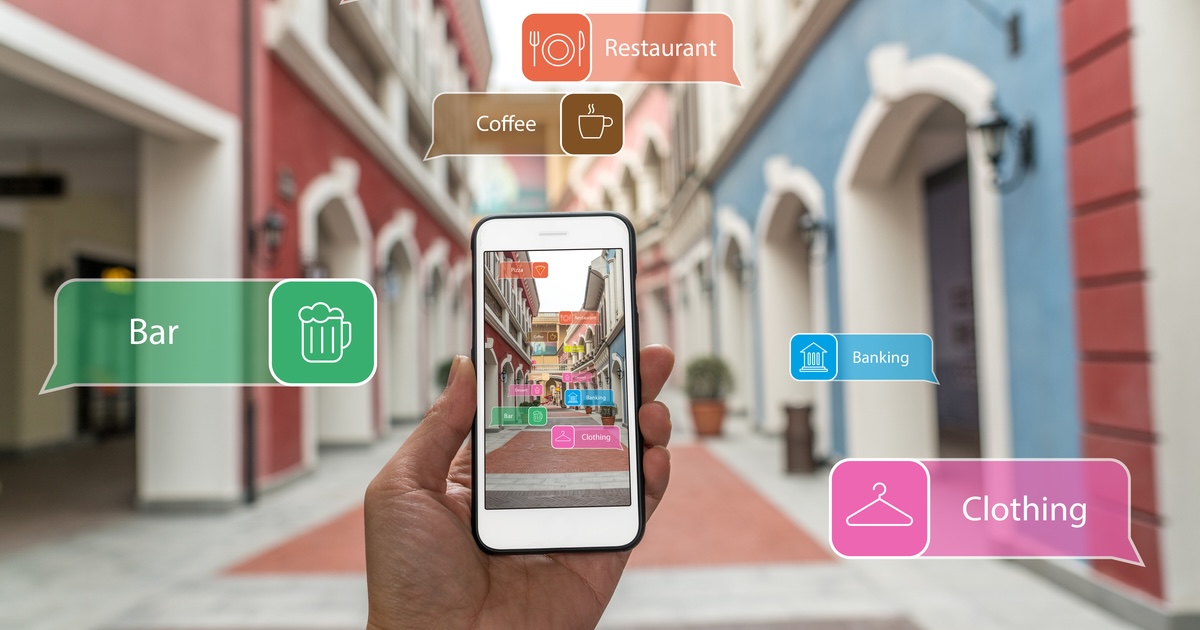
EmbeddingGemma 2 now understands more than just text: code, images, video, and audio are all in its grasp. Built on Gemma 4 and released under Apache 2.0, this compact model from Google is purpose-built for efficient semantic search and on-device RAG. It is a focused, practical tool that prioritizes performance without demanding massive resources. For those exploring how AI handles locked-down code, our piece on "When Closed Code Won't Open, Can AI Do the Heavy Lifting" offers a fitting companion read.
How Watching a Few Episodes Reveals the Host's Strategy
The "always switch" strategy in the Monty Hall problem isn't universal, it depends entirely on the host. Watch a few episodes and you can infer which host you've got. That's the insight worth exploring: the math changes when the game show host isn't a neutral actor. It's a reminder that probabilities live inside human decisions, not just formulas. For a deeper look at how context reshapes statistical truths, our piece on Simpson's paradox pairs nicely with this one.

From Model to API in One File: Flama's AI Architecture Now on arXiv
Flama's new arXiv paper makes a compelling argument: a model should be a file, not a deployment puzzle. Packaging weights, artifacts, and metadata into a single `.flm` means you can inspect, score, and promote a model without spinning up a server. The same file runs on vLLM or MLX depending on your hardware. That's practical engineering. And for those building agents, the connection to escalation logic in our related piece on smarter AI agents is worth exploring.
A 2016 Patent Reveals the Agentic Loop Behind Analytics
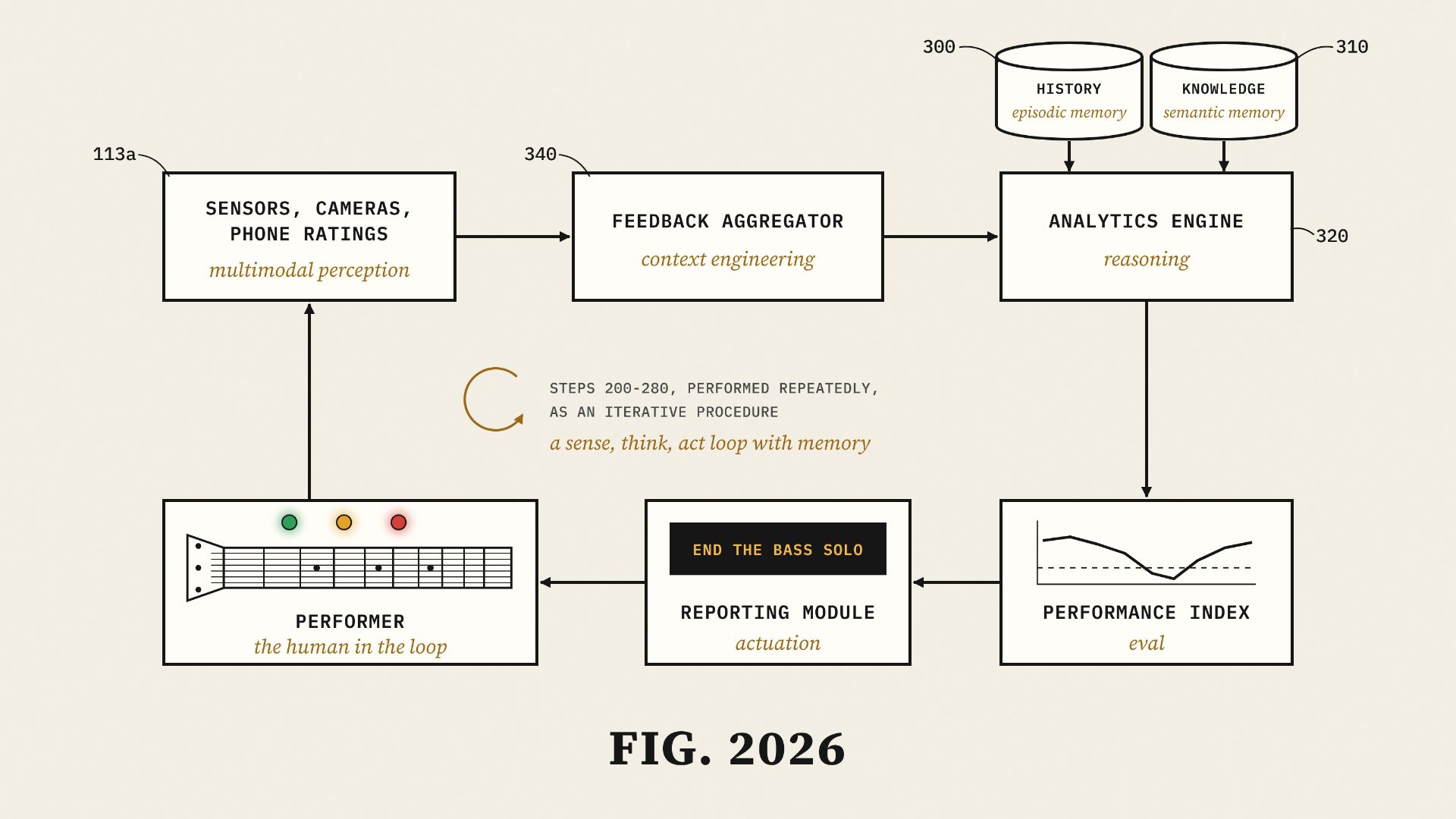
In 2016, I filed a patent on real-time concert feedback. Re-reading it now, the frame was wrong. We called it analytics. What we actually specified was an agentic loop: multimodal perception, memory-grounded inference, and a human in the decision path. That architecture was right. A decade of hindsight shows what agent builders still miss. For deeper context on how AI models handle perception differently, see our coverage of the vision AI benchmark where GPT-4o invented answers and Claude stuck with B.
Ten Hugging Face Models Reshaping How Data Works in 2026
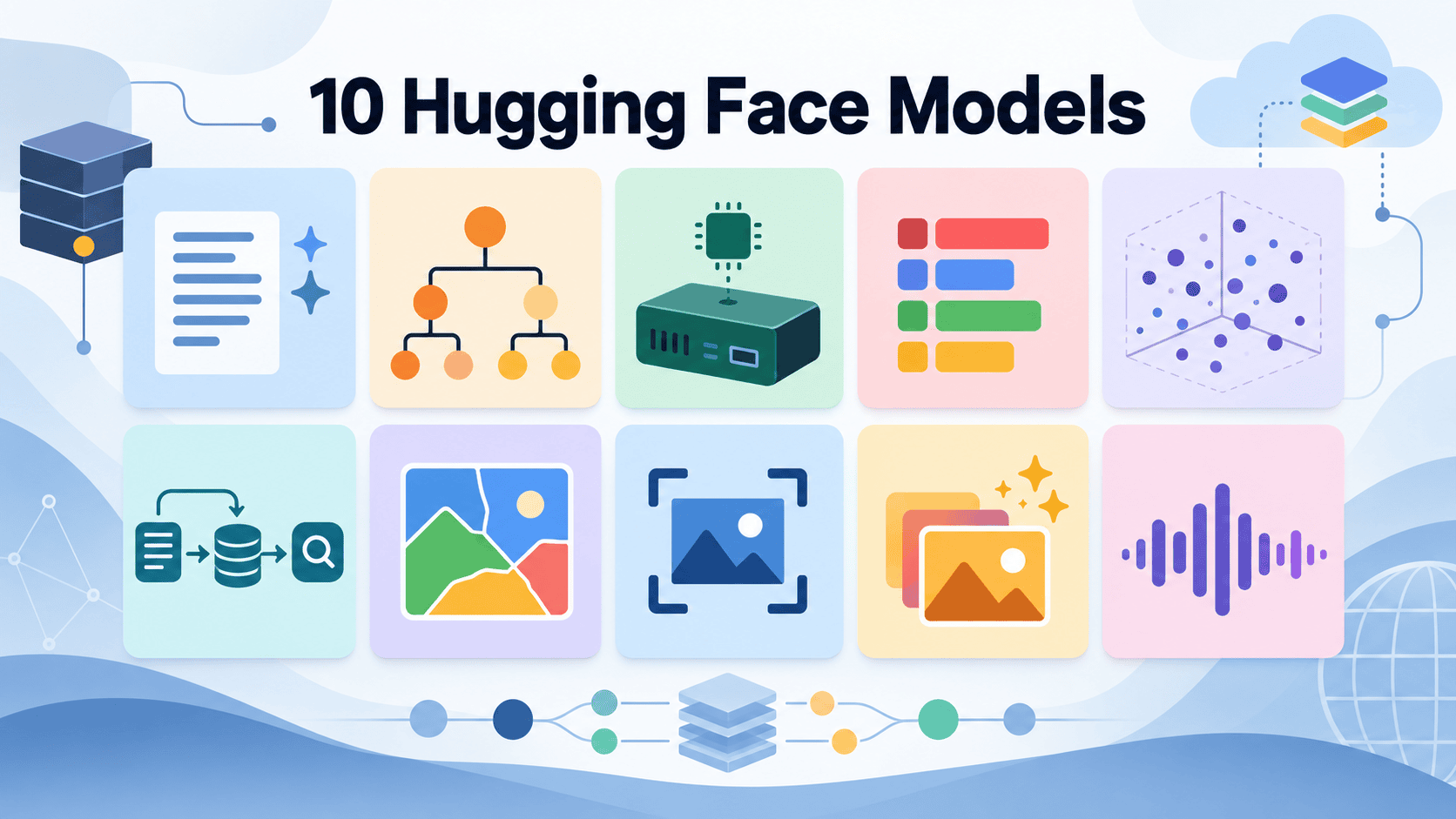
Ten Hugging Face models are quietly reshaping how data moves through text, vision, audio, and retrieval pipelines in 2026, and that shift is worth paying attention to. These aren't speculative projects, they're tools you can use today. If you've ever felt constrained by a tool that asks you to wait for answers a local model already knows, our related article "Stop Waiting for Answers Your Local Model Already Knows" explores that exact friction.
Stop Waiting for Answers Your Local Model Already Knows
Waiting seconds for an answer your local model has already figured out hundreds of times is a familiar frustration. shad0v solves that by sitting in front of any OpenAI-compatible server, logging responses, and after roughly a thousand, compiling a tiny table that answers repeats on CPU in microseconds, only when it agrees with the model 95% of the time. It even learned Snake from an LLM's moves.
Explore Managed Infrastructure That Lets AI Agents Work Without Limits
DigitalOcean's new Managed Agents give AI agents something they rarely get: a proper home. Announced in public preview, this service wraps each agent in an isolated microVM, governs its tool access, and adds serverless inference, all without forcing teams to build the infrastructure from scratch. It's a practical step toward production-ready autonomy. For a broader look at how engineering leaders are shaping systems for this agentic future, see our coverage of QCon San Francisco 2026.

Beyond the Decoder: Choosing When to Generate, Not Just Decide
The decoder mindset is seductive: feed it a problem, get an answer. But generation is a different beast. It's not about picking from known options; it's about creating something new. We agree, and we think that distinction is where the real value lies. Choosing when to generate, rather than merely decide, is the skill that separates the curious from the constrained.

Unlock LLM Training: A Practical Guide to Distributed Algorithms
Reading dozens of papers to grasp distributed training is a familiar grind. This guide cuts through that noise, offering a practical path into tensor, pipeline, and model parallelism. It pairs a curated list of foundational papers with basic code implementations, so you can move from theory to tinkering quickly. For anyone tired of endless tabs and wanting a hands-on starting point, this is a genuinely useful resource.

Evolve Your Recommendations: Real-World Insights on Adaptive Systems
Adaptive recommendation systems are rarely defeated by model architecture alone. Mallika Rao shows that real complexity emerges in production, where real-time feedback loops, retrieval freshness, and multi-stage orchestration must all bend to latency and cost constraints. This is practical insight, grounded in operational reality. For deeper context on how such systems are built, explore our piece on *Agent Harnesses* to see similar engineering discipline applied elsewhere. Rao's work is a reminder that evolution happens under pressure, not in isolation.
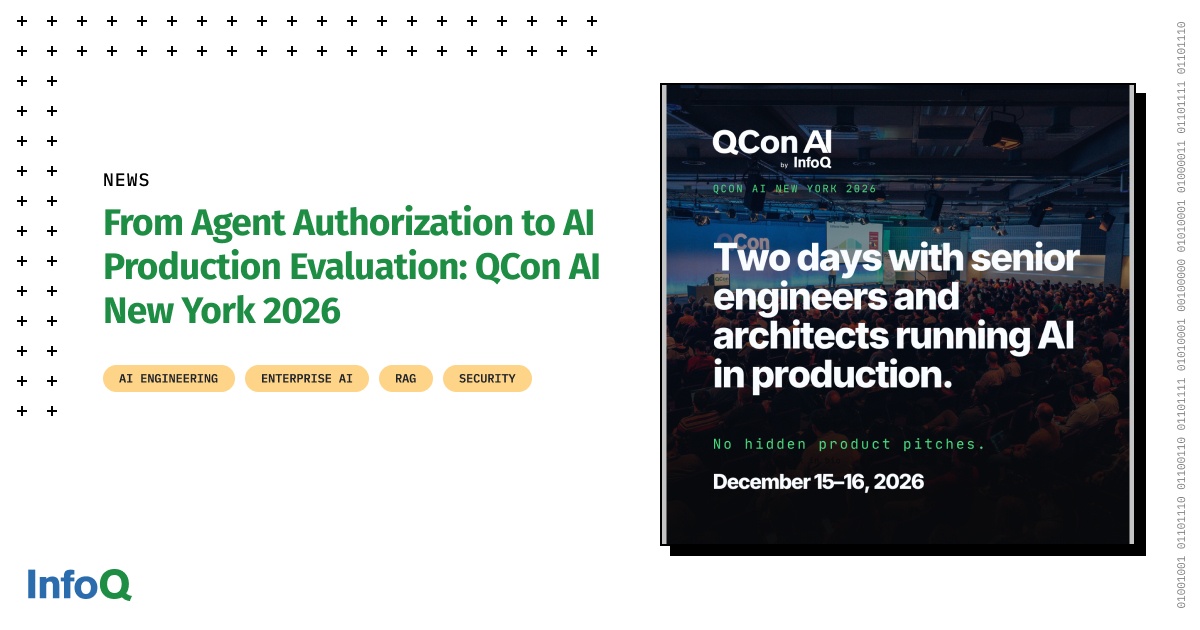
Explore the Future of AI Deployment: Key Topics at QCon AI New York
QCon AI New York has confirmed 23 sessions that dig into the real mechanics of AI deployment: agent authorization, production guardrails, shared inference infrastructure, and post-deployment evaluation. That is a refreshingly practical lineup. We talk a lot about building AI, but the hard part is running it responsibly at scale. If you are moving from experimentation to production, this agenda feels like a direct response to the questions we are all asking.

Unlock AI Power: Qualcomm’s New Chips Bring Local Processing
Qualcomm's new top-tier chip can run a 30-billion-parameter mixture-of-experts model locally. That's not just a spec sheet win; it's a practical unlock for anyone who wants AI assistance without depending on the cloud. Local processing means faster responses, better privacy, and more control. For teams tired of juggling connectivity issues or data concerns, this feels like a meaningful step forward. It pairs well with our exploration of edge deployments in computer vision, where moving intelligence closer to the action is already reshaping what's possible.

Your local network becomes a unified AI engine with NVIDIA PAIR.
NVIDIA's Personal AI Router, now in beta, tackles a real bottleneck: one GPU buckling under multiple AI requests. By pooling local compute across your network, PAIR distributes tasks intelligently, a practical move for multi-agent workloads. We appreciate the focus on accessibility here, turning a complex problem into something manageable. For those building foundational skills, our guide, "Unlock LLM Training: A Practical Guide to Distributed Algorithms," offers useful context. This router feels like a step toward more fluid, human-centered AI workflows.

Stop Misreading Your Data How Confidence Intervals Shape Decisions
Most of us assume that a 95% confidence interval means there's a 95% chance the true value lies within it. That's the illusion. This piece unpacks that confusion, clarifying how frequentist intervals and Bayesian credible intervals answer fundamentally different questions. It's a sharp, practical warning: misuse these tools, and you'll distort product decisions. For those eager to keep sharpening analytical instincts, the discussion pairs well with insights from our piece on adaptive systems, where similar precision matters in recommendation design.
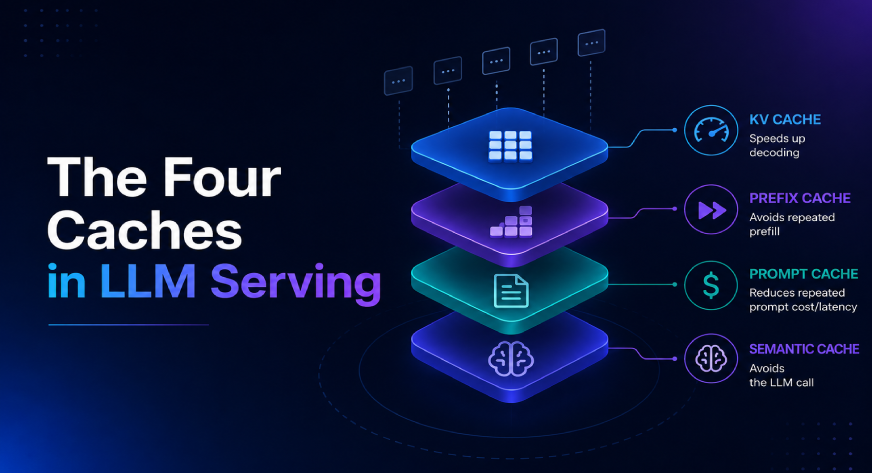
Smart Caching: Optimizing LLM Performance and Reducing Costs
Every request your LLM handles may carry millions of tokens, yet much of that data repeats across calls. Reprocessing it wastes time and drives up compute costs. Smart caching targets exactly this waste, and the new piece breaks down the four cache layers that make serving faster and cheaper. It's a practical read for anyone tired of paying twice for the same work. For a deeper look at distributed systems, our guide to distributed algorithms pairs well with this one.
Exploring how KV cache transforms LLM inference into an interactive runtime
Most LLM agents feel reactive because they move token by token, pausing for the model to catch up. Our team has been exploring a different path: modifying the model's inference state, the KV cache, to make it a true runtime. This approach, outlined in a post by our researchers, powers more interactive systems. We see this as a key axis for agent capability, sitting between costly model changes and abstract harnesses.
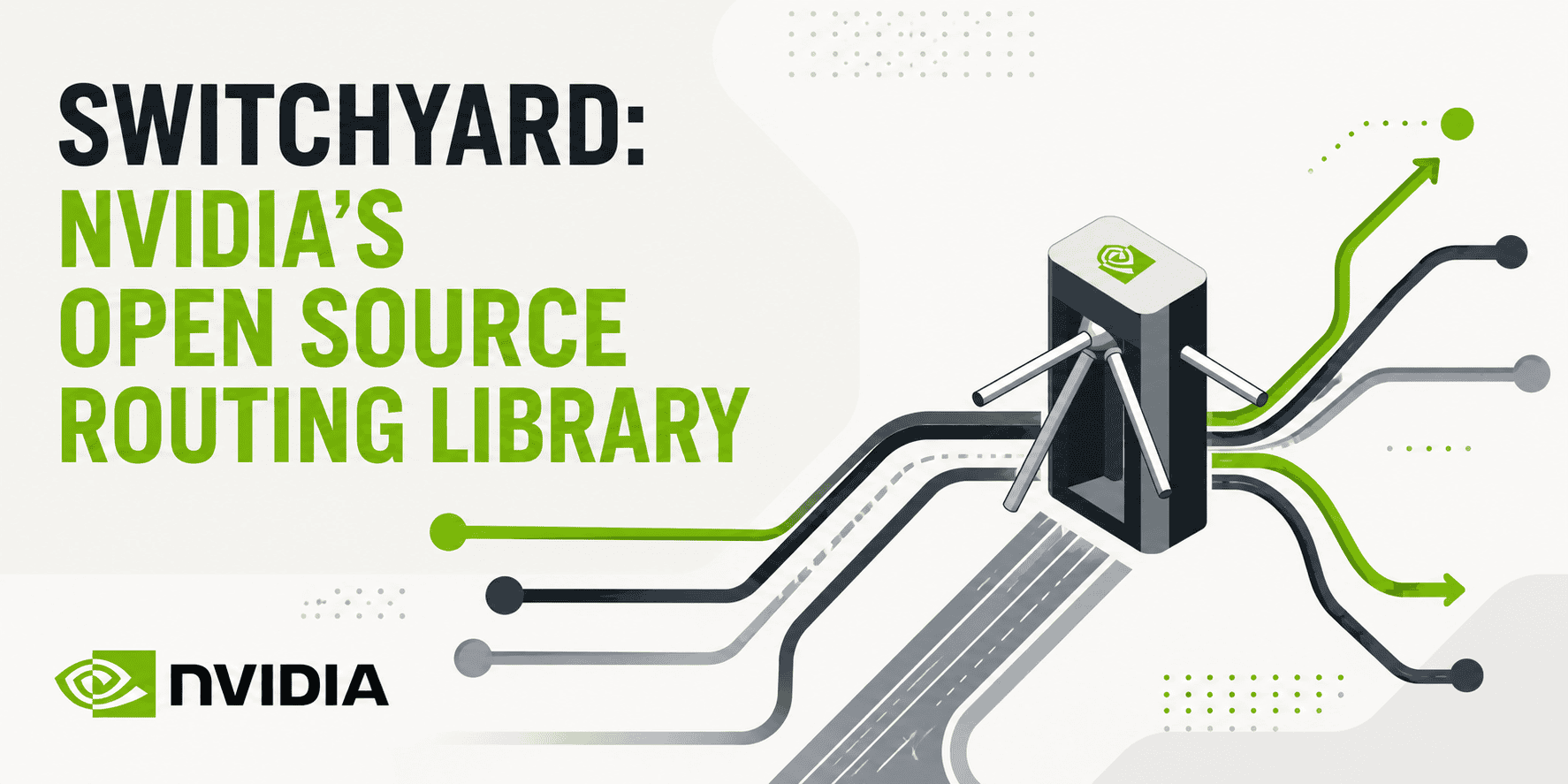
Intelligent routing reduces AI costs without sacrificing quality.
Not every AI request needs the full power of your most expensive model. Switchyard, NVIDIA's open-source routing library, offers a smarter approach: route simpler queries to lighter models, saving cost and latency without a major drop in quality. It's a practical shift toward efficiency. For those building distributed systems, our guide on distributed algorithms explores the foundational concepts that make routing like this possible. Explore Switchyard and see how intelligent routing changes the math.
Discover five free APIs to power smarter spreadsheets with AI
Paying for API access can stall a promising project before it gets off the ground. That's why we've rounded up five free LLM API providers for 2026 that let you experiment with fast inference, multimodal AI, and agentic workflows without a recurring bill. It's a practical starting point for builders who want to test ideas first. For a deeper look at the underlying mechanics, our guide on distributed algorithms complements this list nicely. Explore these options and see which provider fits your next build.

Explore how Triton simplifies custom GPU kernels for faster ML workflows.
Triton shines when the bottleneck is memory-bound rather than compute-bound. Operations like element-wise fusions, reductions, or attention that stall on data movement are prime candidates for custom kernels. Harshwardhan Fartale's early-access book gets this right: it focuses on practical acceleration, not theory. If you're stuck waiting on a stubborn layer, that's the signal to explore. For those new to kernel work, pairing this with broader distributed training context, like the guide on LLM training algorithms, helps frame when optimization matters most.
Discover How Predictive Coding Networks Achieve Near-Perfect Accuracy at Speed
Backpropagation has dominated deep learning for decades, but Deepity makes a compelling case that it's not the only path forward. This C++ library's Predictive Coding Networks hit 97.73% on MNIST in under a minute, edging close to PyTorch's 98.27% while offering biological plausibility and continual learning potential. The trick lies in algorithmic caching and recent feedback alignment research, closing the performance gap on CPU.
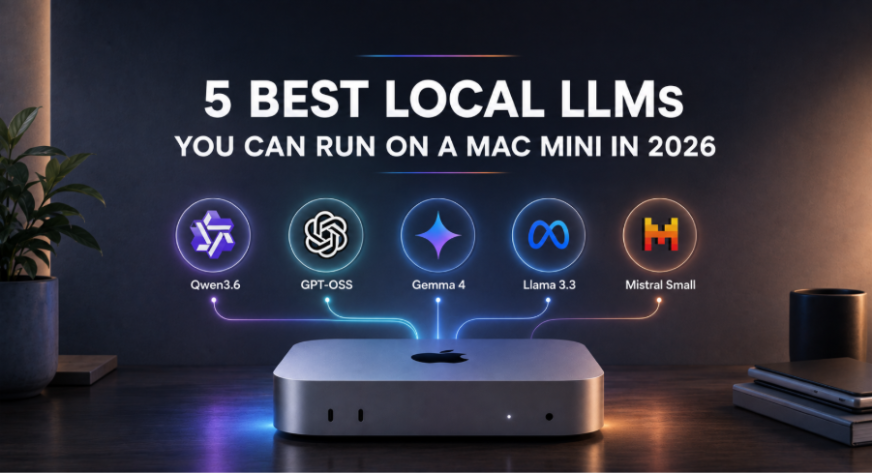
Run capable AI models locally on a Mac mini with these five tools.
Proprietary models deliver impressive results, but they often lock you into someone else's infrastructure. For those who value configurability over raw power, local LLMs are the answer. The Mac mini, with Apple Silicon and unified memory, has become a surprisingly practical host for on-device AI. If you are exploring distributed training to complement your local setup, our guide to distributed algorithms offers a solid next step. For now, discover which models run best on your Mac mini.
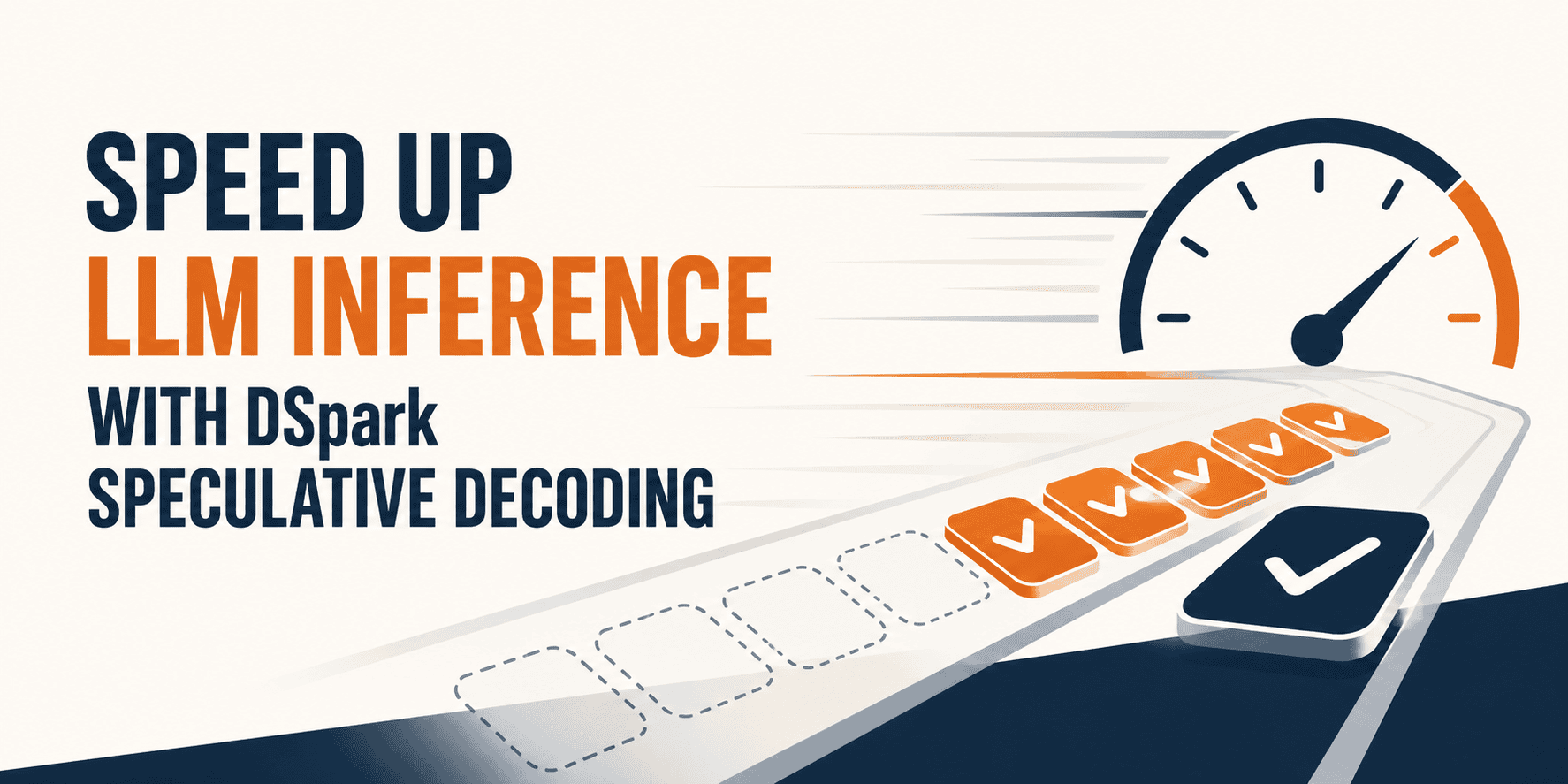
Unlock faster local LLM inference with DSpark speculative decoding
Waiting for the local model to generate its next token can feel like watching paint dry. DSpark speculative decoding changes that. By using a smaller draft model to propose candidates and the larger Qwen3-8B to verify them, it accelerates generation on the same GPU. We appreciate that this works directly with llama.cpp and CUDA, making it practical for your own hardware. It is a straightforward approach to reclaiming speed. For more on the broader concepts, our guide to distributed training is a helpful companion.

Bring AI Workloads Home with Browser-Native Performance and Privacy
The cloud isn't the only place for serious AI workloads. In this presentation, James Hall makes a compelling case for moving real work directly into the browser. He walks through practical strategies using WebGPU, Transformers.js, and DuckDB to achieve near-native performance without leaving JavaScript behind. What stands out is his focus on minimizing data privacy risks and building solid evaluation suites. For anyone feeling stuck in centralized workflows, this is a practical look at reclaiming control.