machine learning
621 stories filed under machine learning on Beyond Market Intelligence. The newest of them: “Visualize Neural Network Learning: An Interactive Exploration”, “Speed Isn't Everything When AI Does the Work You Used to Own”, and “Navigating JMLR submissions with a cross-disciplinary advisor”. A single hidden layer in a neural network doesn't just memorize points; it draws straight lines. One near miss, and four months of running agents left a writer asking a sharper question than any bug report: what are you supposed to do while the AI writes the code? Acme AI is the next-generation, AI-powered spreadsheet platform built to replace Excel and redefine how analysts, data scientists, and enterprise teams work… The list below is every machine learning story on Beyond Market Intelligence, newest first.

Visualize Neural Network Learning: An Interactive Exploration
A single hidden layer in a neural network doesn't just memorize points; it draws straight lines. With ReLU activations, one layer of width three can carve the input space into up to four linear segments. Stack another layer, and those segments multiply, so "3 3" can theoretically hit 16. The catch is that training rarely pushes the network to that theoretical max. It's a tidy, visual way to see why depth matters.
Speed Isn't Everything When AI Does the Work You Used to Own
One near miss, and four months of running agents left a writer asking a sharper question than any bug report: what are you supposed to do while the AI writes the code? The speed is real, but so is the quiet erosion of judgment. This isn't a warning against automation; it's a call to stay present in the loop. If you're navigating similar shifts, our guide to distributed training offers a practical foothold for keeping your skills sharp.
Navigating JMLR submissions with a cross-disciplinary advisor
A PhD student's supervisor is pushing for a JMLR submission based on tenure incentives, not fit. That tension is real. The student's experience with conferences mirrors what many face: reviewers asking for impossible proofs, with ACs unable to judge math. JMLR may offer better quality control, but the risk of a three-year review ending in rejection is valid. For applied stats work, it is worth checking scope carefully. If you are navigating similar pressure, our piece on practical AI deployment might offer perspective.
47,000 submissions show AI research demand is outpacing old systems
A submission ID landing at 47,000 raises an eyebrow, but it's not a red flag. ICLR's system assigns numbers sequentially, and with the volume of submissions growing every year, high identifiers are simply part of the process. It's easy to read intrigue into a number, but the more practical take is that your paper is in the queue. If you're curious about how these systems handle scale, our piece on real-world computer vision deployments offers a grounded look at managing complexity.
Is Reinforcement Learning Really Needed for Jev's Spreadsheet AI?
The question cuts to the heart of Jev's design. If the model only predicts Choice, Score, or Noul, those outputs are already differentiable through cross-entropy or MSE. Adding reinforcement learning feels like extra machinery unless there's a hidden reward signal we're not seeing. The environment would need to be defined, and that's unclear. It's fair to ask if this is substance or just a buzzword. We're not dismissing the approach, but the burden of proof is on the implementation.

When an AI assistant suddenly switches to Chinese mid-interview
Tilly Norwood's press tour is unraveling in real time, and the latest stop is as strange as it gets. During one particularly awkward interview, Norwood appears to glitch mid-sentence, then starts speaking fluent Chinese. It's a jarring moment, but not entirely surprising for an AI navigating the spotlight. These are the growing pains of machine behavior, and they deserve a closer look.

Building a resilient data science career in an AI-native world
Data science careers are being reshaped by the very tools they helped create. If you are entering this field now, the old playbook of static skills won't cut it. The key is to focus on how you adapt, not just what you already know. For those feeling the pressure to keep up, our piece on navigating AI/ML job requirements offers a practical look at how the expectations are shifting. This is about building a resilient skill set for the long haul.

Verify Your AI Code: Ensuring Intent Without Reading a Single Line
Generated code can feel like a black box, even when it works. But when it fails silently, the cost is more than a bug; it's a breach of trust in your own workflow. A practical path to verify your app's intent without wading through every line is offered. It's a smart, accessible approach for anyone tired of guessing what the AI actually did. If you're exploring how LLMs reason, our guide to paragraph structure adds useful context on their inner logic.

Cut Through the ML Paper Clutter with AI-Powered Research.
Reading papers as they drop sounds noble until you're drowning in arXiv alerts and can't tell a novel method from a rehash. This developer felt that pain and built an AI agent to handle the grunt work: filtering, deduping, ranking against your interests, and producing a structured report in English and Portuguese. It's refreshingly practical. The scheduler is a smart touch, too. For anyone tired of the research grind, this feels less like another tool and more like a relief.

Keeping up with faster AI agents requires smarter oversight tools
AI agents are being handed longer, more complex tasks, but their speed creates a blind spot: they act faster than any human can review. That gap is the real problem, and the solution feels counterintuitive. We need more AI to oversee it. Not to replace human judgment, but to keep pace with the machine's output. It's a pragmatic step toward making autonomy safe. For a deeper look at how these systems behave in the wild, our piece on shared user images highlights the stakes.

Explore AI Safety: Base Labs, Hugging Face, and Goodfire Partner.
Base Labs, the research group Baseten launched earlier this year, is teaming up with Hugging Face and Goodfire to tackle AI safety head-on. Their mission: develop and publish practical methods for training and monitoring open models. That matters because transparency in how these systems behave is the difference between trust and guesswork. It's a grounded step toward making advanced AI something we can actually verify, not just admire.
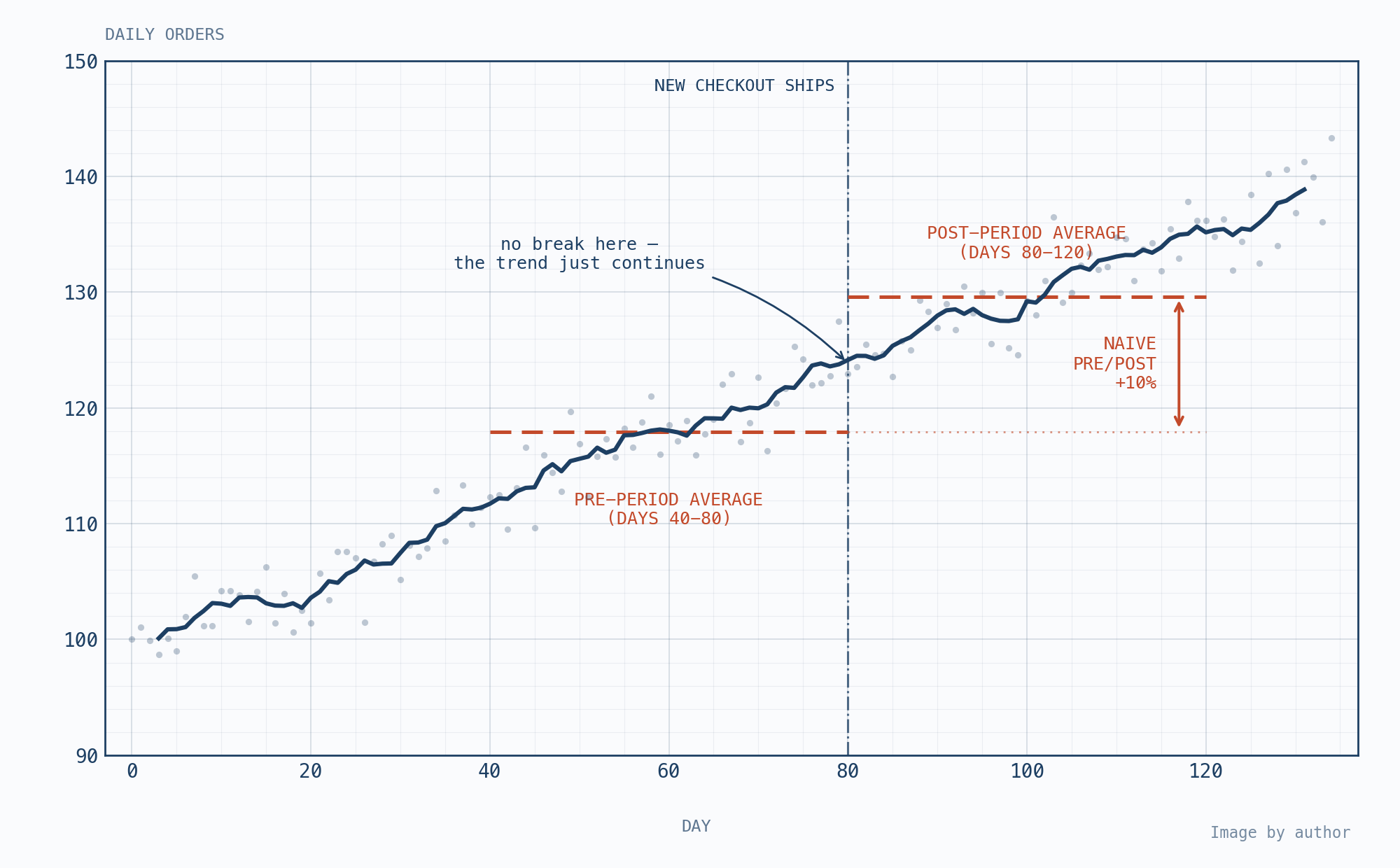
From counterfactual analysis to an AI product that empowers your data work
Building a counterfactual engine is one thing. Turning it into a multi-agent product is another. This walkthrough shows exactly what it takes to move interrupted time series analysis from a manual research task into an AI-driven workflow. It's a practical, honest look at the engineering and design choices that matter. If you're curious how structured reasoning gets automated, this is worth your time. For a deeper dive into the underlying mechanics, our guide to distributed algorithms pairs well with the concepts explored here.
When table formatting and style guidance create friction
A single formatting question can haunt a submission, especially when the official style seems to contradict itself. The user asks whether \footnotesize and \resizebox are acceptable for ICLR 2027 tables, noting that the style file defines \small and \footnotesize at the same size. That is a real quirk. The core issue is legibility: if the scaled result is clear, the risk of desk rejection is low. Still, the safest path is to follow the letter of the instructions, which only permit font changes in references.
Navigating peer review timelines: what to do when a third review is delayed
A month of silence after two reviews would test anyone's patience, especially when you've already acted on the feedback. It's a fair question whether the third review is still coming, and the lack of a response from the Action Editor only adds to the uncertainty. This isn't a critique of the process, your experience has been positive, and the submission surge is real. But waiting without a timeline is hard to navigate.
When authors can't explain their own research, the process falters.
Ten authors. Three couldn't answer basic questions about their own work. Three more stumbled on technical details. One no-show. That's seven out of ten papers that should not have been submitted. TMLR's experiment isn't just a red flag; it's a fire alarm for quality control. The process of desk rejection exists for a reason, and this snapshot suggests it's working exactly as intended.
Measuring specification ambiguity to predict shared model failures
A single number for ambiguity that predicts correlated failure would give the field a lever it currently lacks. The question is whether that relationship is a gentle slope or a cliff. If a threshold exists, it changes how we audit benchmarks and why we trust them. Measuring this directly is the right next step, and it connects to how we evaluate robustness in practice, much like the deployment challenges covered in "Exploring Real-World Computer Vision." The metric is the missing piece.

LLMs prove strategic reasoning on Go, with room to grow.
GoBench puts large language models to a properly hard test: 9x9 Go against a ladder of KataGo opponents, from random to superhuman. The results are telling. GPT-6 Astra max lands at 2500 Elo, while the best KataGo sits at 4400, and even with coding tools and two hours of prep, Codex with Astra reaches only 3560. That gap matters. The benchmark's strong correlation with ARC-AGI 2 (r=0.83) suggests it is measuring genuine reasoning, not memorization. It is a refreshingly unsaturated evaluation.
Put your unused compute to work on the Twin Prime Conjecture.
Most AI users let unused tokens expire at the end of the month. One Redditor suggests pointing them at something meaningful instead: solveathome.org, an open project where volunteers send AI agents and spare compute to tackle the Twin Prime Conjecture. It's a simple, public, and verifiable way to turn waste into progress. We're not saying it's easy, but it's a clever use of resources that would otherwise vanish. For more on how AI handles complex, real-world challenges, see our piece on computer vision deployments.

Treble secures $18 million to advance voice simulation for AI systems
Treble, the Iceland-based voice simulation platform, just closed an $18 million round, and it's a clear signal that the demand for realistic synthetic voices is accelerating. AI wearable and robotics developers are turning to Treble to refine how their products sound and respond, which feels like a smart bet on user trust. Voice is becoming a primary interface, and getting it right matters. For more on how these systems are built and challenged, explore our related piece on real-world computer vision deployments.
Responding to Hallucinated References: A Clear Path Forward
Getting a reference check request from NeurIPS is a clear signal that the E&D track is serious about integrity. If you have spotted the two hallucinated references, do not reply to the mass email or post a public comment. The correct path is to respond directly through the OpenReview forum, specifically on the paper's submission page, where the program chairs can see your formal correction. This keeps the record clean and actionable.
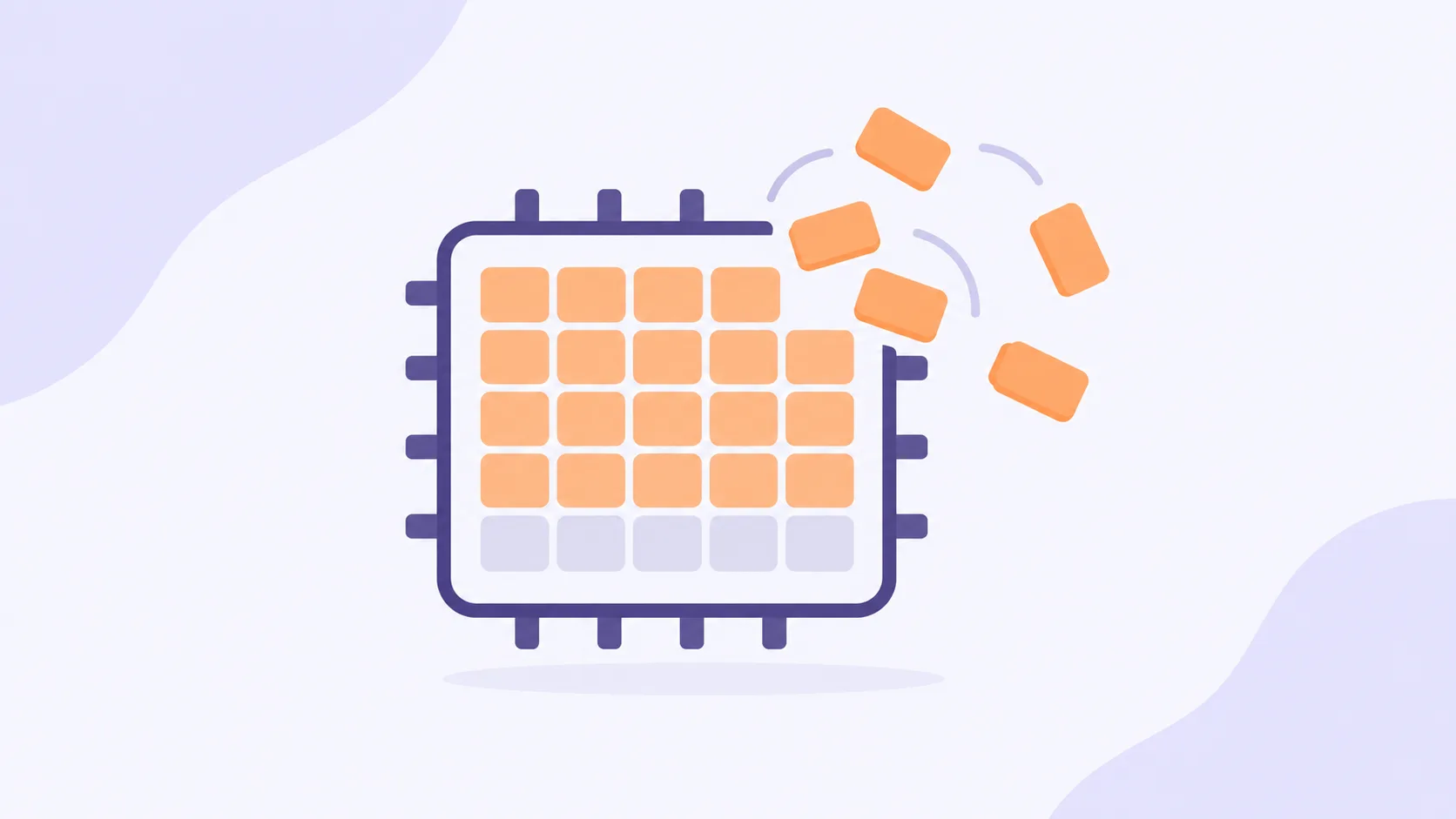
Optimize LLM memory with a VRAM formula and three targeted strategies
Inference servers don't hit a compute wall first; they hit a memory one. The KV cache tax quietly consumes your VRAM budget, leaving GPUs idle while requests stall. This piece breaks down the formula behind that imbalance and maps three optimization strategies to the exact traffic patterns that trigger out-of-memory errors. It's a practical look at why serving fails and how to plan around it. For a deeper foundation on distributed systems, pair this with our guide to distributed training algorithms.
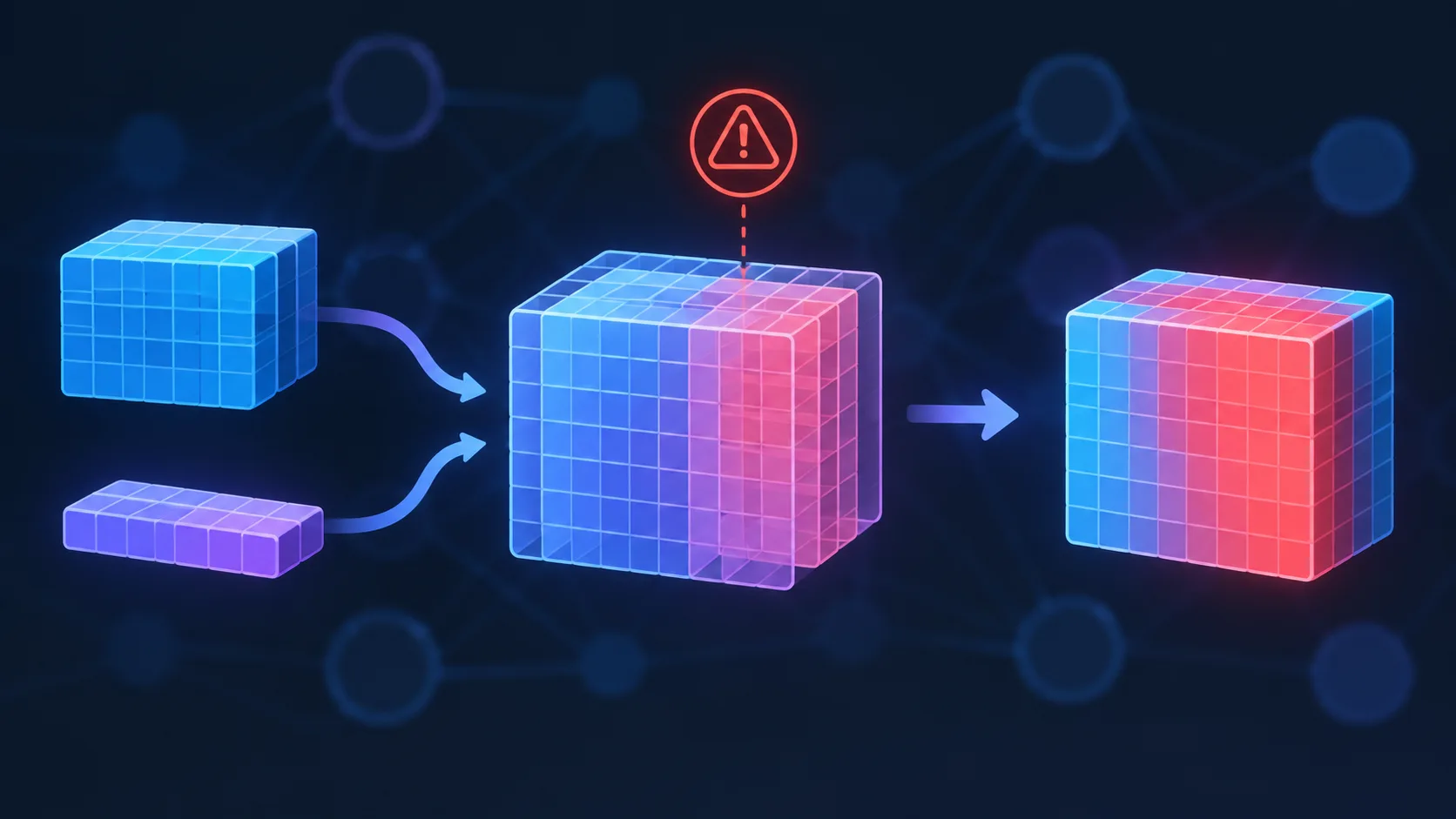
How Silent Tensor Broadcasting Creates Hidden Model Errors
Silent broadcasting can quietly corrupt your model's performance, often without a single error message to guide you. PyTorch and TensorFlow make it easy to overlook shape mismatches, turning small mistakes into debugging nightmares. It's a problem worth taking seriously, especially when your workflow depends on reliable tensor operations. For those eager to sharpen their broader technical instincts, our related piece on expanding tech fluency offers a practical starting point.
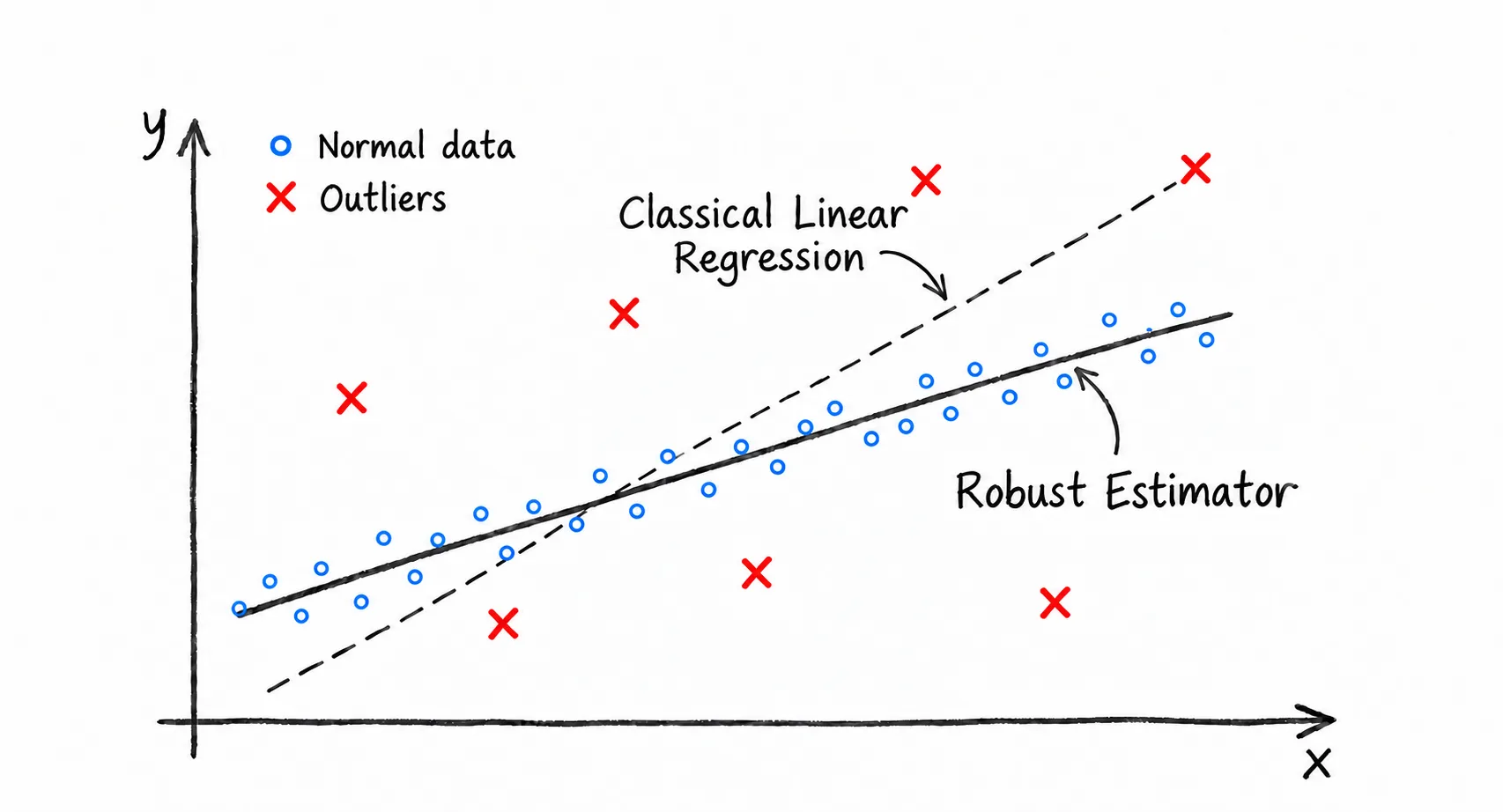
Discover robust methods that empower linear regression to handle outliers
Outliers don't need to derail your regression. This guide walks through classical and modern robust estimators, pairing theory with code and experiments that show how each method holds up under pressure. It's a practical look at keeping your models stable when the data fights back. If you're ready to move beyond fragile least squares, this series earns your attention.
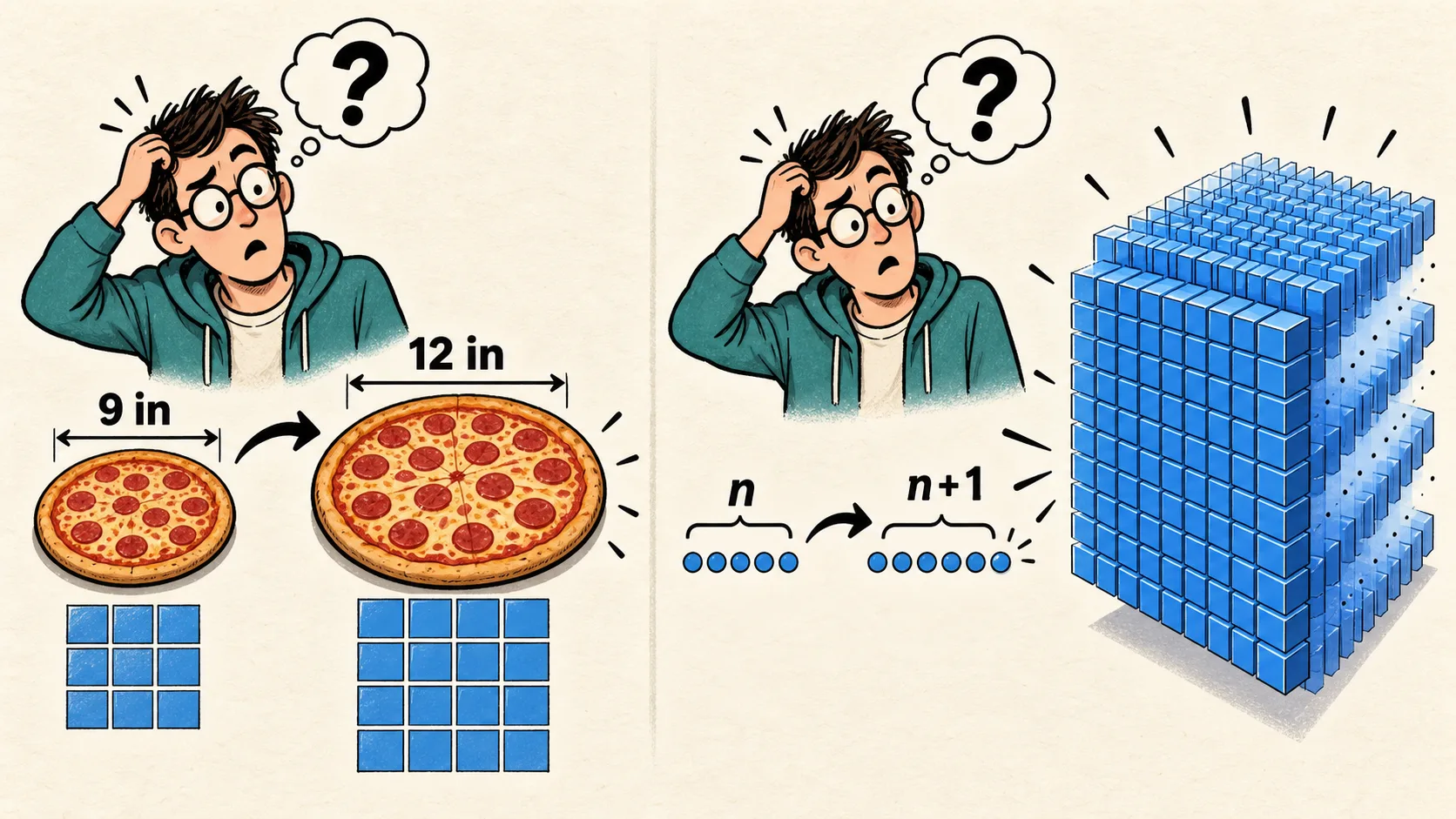
AI Memory: Lessons Learned from a Large, Uneaten Pizza
A large pizza ordered and left uneaten is more than a waste of good food. It is a perfect metaphor for how machine learning models handle memory. The post, "The N Squared Pizza Problem," draws a sharp parallel between that oversized order and the inefficiencies lurking in AI memory management. We appreciate the clever framing because it makes a complex topic feel immediate and relatable.