natural language processing
206 stories filed under natural language processing on Beyond Market Intelligence. The newest of them: “Discover how AI redefines your spreadsheet workflow through a simple experiment”, “Explore Smarter Image Editing with ChatGPT's Latest Update”, and “Discover How Intent Continuity Transforms Your Data Workflows”. When I ran Fable against Astra, the gap between them wasn't subtle. OpenAI's ChatGPT Images 2.5 shifts focus from flashier outputs to something more practical: controlled editing. Acme AI is the next-generation, AI-powered spreadsheet platform built to replace Excel and redefine how analysts, data scientists, and enterprise teams work… The list below is every natural language processing story on Beyond Market Intelligence, newest first.

Discover how AI redefines your spreadsheet workflow through a simple experiment
When I ran Fable against Astra, the gap between them wasn't subtle. Fable handled the workflow with a fluidity that felt natural, while Astra demanded more patience. It's a reminder that AI tools aren't interchangeable; they carry distinct personalities. For anyone weighing similar choices, I'd point to our earlier piece on the Forrester function. It's a different lens, but it reinforces how small mathematical insights can sharpen your evaluation of these systems. The experiment didn't just compare outputs; it exposed what each model prioritizes.

Explore Smarter Image Editing with ChatGPT's Latest Update
OpenAI's ChatGPT Images 2.5 shifts focus from flashier outputs to something more practical: controlled editing. Sharper details, natural lighting, and up to 50% lower latency are welcome, but the real win is stronger reference-image preservation and reliable multi-turn edits. That's where productivity lives. Marketing claims only tell part of the story, so we've broken down five features worth testing. For a deeper look at how AI models handle real-world precision, our piece on computer vision deployments pairs well with this update.

Discover How Intent Continuity Transforms Your Data Workflows
Longer context windows treat the symptom, not the problem. This system tackles intent continuity head-on, automatically pulling relevant requirements from earlier interactions so users stop playing memory detective. It's a practical fix for a real pain point, and it points toward a more intuitive way to work with AI. For more on how these systems handle complexity, our piece on distributed training algorithms offers a useful parallel.

LinkedIn's AI Job Search: Smarter Ranking from a Compact Model
LinkedIn's latest work on AI job search hinges on a clever trade: compress big model knowledge into a compact 0.6B-parameter ranker using multi-teacher distillation. The result is a ranking system that trains eight times faster without sacrificing the nuance users need. That's practical innovation, not hype. It also signals where model efficiency is heading, a theme we explore further in our guide to distributed training algorithms. For now, this is a smart reminder that smaller, faster systems often deliver the most meaningful productivity gains.
Explore how AI transforms spreadsheet work beyond endless copy and paste.
Copy-paste hell is a familiar grind, but it doesn't have to be your default workflow. I asked Fable 5.1 and GPT-6 Astra to pull me out of that loop, and the results genuinely surprised me. Both tools brought distinct strengths to the table, turning a tedious chore into something almost elegant. It's a practical glimpse at how AI can reshape daily tasks, and if you're curious about broader AI applications, our piece on real-world computer vision pairs nicely with this exploration.
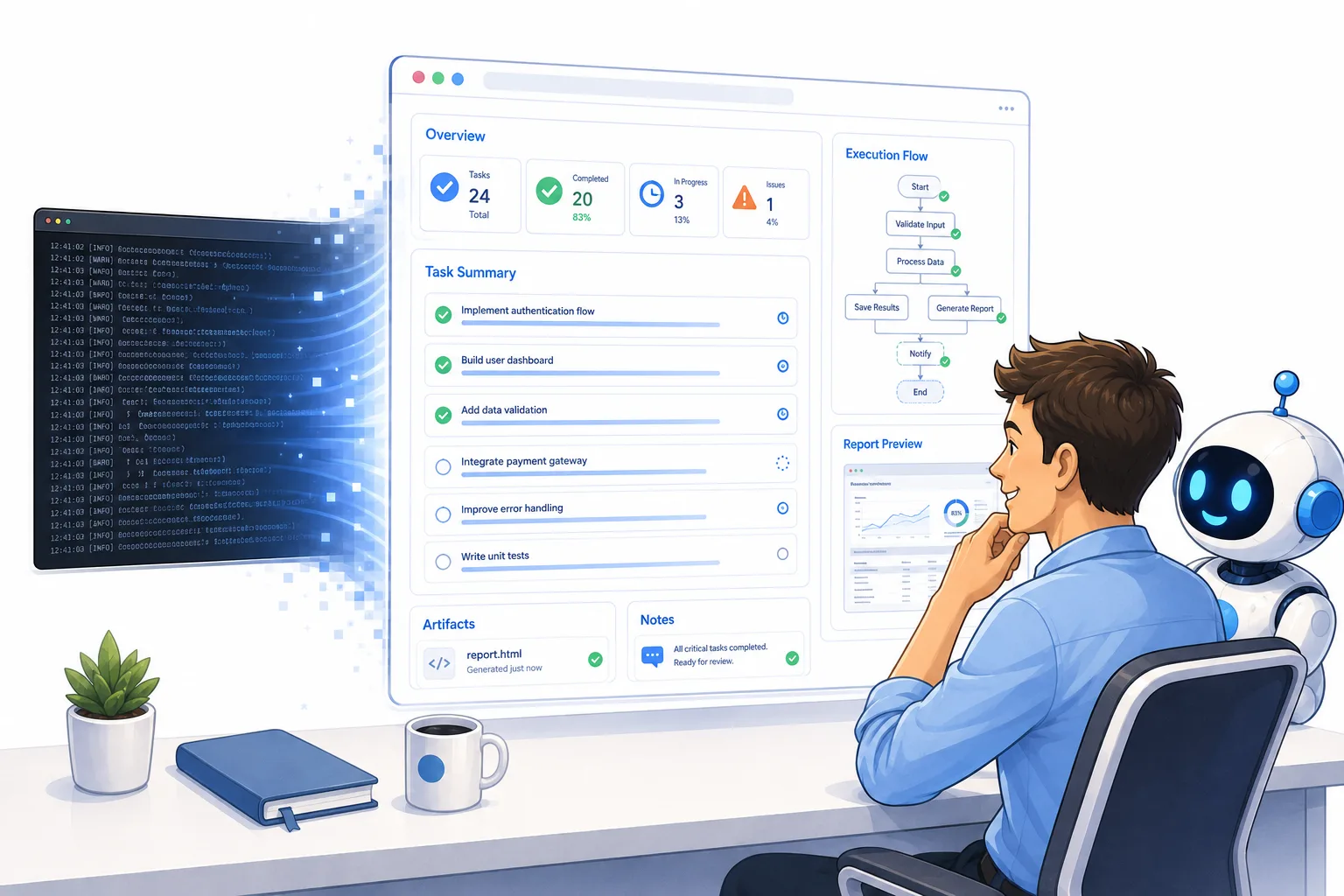
Code Smarter by Clarifying Intent with AI Agents
Tired of repeating yourself to Claude Code, only to watch it misinterpret your intent? This guide cuts through the noise, showing you how to communicate with your coding agents in a way that actually gets results. It's not about more prompts, but sharper ones. For a deeper dive into how AI handles complex tasks, explore the Forrester Function piece. Your workflow deserves better than guesswork.
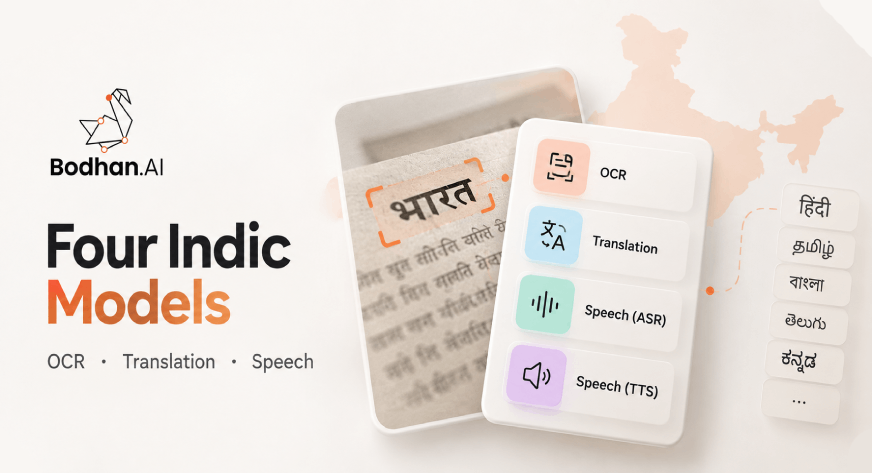
Four New Models Make Indian Language Data Searchable and Accessible
A Hindi lesson can blend Devanagari script with English loan words, scanned tables, and handwritten equations. That mix has long made such content difficult to search, translate, or read aloud. Bodhan AI and AI4Bharat's four new models, released in September 2026, tackle these tasks directly across Indian languages. They handle document parsing, translation, speech recognition, and speech generation, all while respecting mixed scripts. It is a practical step toward making real-world documents more accessible.

Ask your assistant to plan a tailgate or school lunches in seconds
Shipt is rolling out an AI shopping assistant that turns plain-language requests into ready-made carts. Ask it to "Create a cart for my Saturday tailgate for 25 people," and the work is done. That's a meaningful step beyond search-and-click shopping. It shifts the burden from browsing to instructing, which feels like a natural evolution for delivery apps. We're watching how these tools handle nuance, and if you're curious about the tech behind such interactions, our piece on vector spaces offers a useful primer.

Designing for intent, not clicks, in the age of invisible AI
The button is dying, and that's not a loss; it's a release. As the web sheds menus and forms, the real work shifts to designing for intent, not clicks. For UX designers, this means stepping back from visible controls and learning to guide transparent, AI-driven experiences. It's a harder, more human craft. If you're tracking how voice and disclosure fit into this shift, our piece on ElevenLabs CEO and transparency pairs well with this conversation. Explore that tension; it's where the next interface begins.
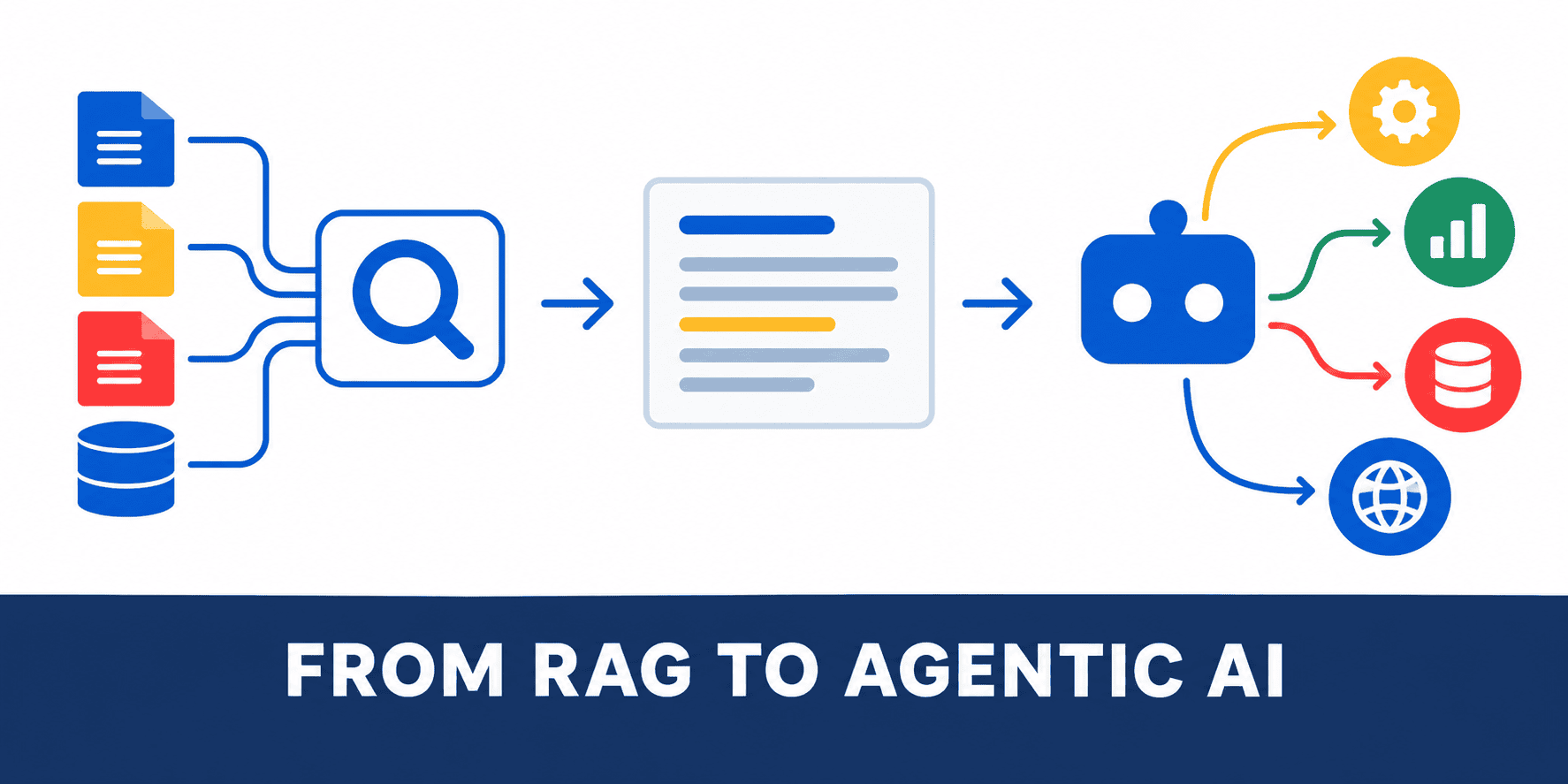
Evolving AI: Lessons from Building Intelligent Enterprise Systems
Three generations of intelligent retrieval systems is a long arc to trace, and the lessons are tangible. Each iteration tackled a constraint the previous one couldn't crack, which is exactly how progress should feel: deliberate, not chaotic. This is a story about persistence in engineering, and it's worth reading. For those curious about the underlying mechanics, our guide to distributed training offers a practical entry point. But start here, where the real-world friction meets the fixes.

Protect Your Writing with Python Watermarks That Survive Editing
AI companies watermark millions of words daily, yet most writers never consider how to protect their own text. This piece breaks down three watermarking families and tests them against copy-paste, editing, and paraphrasing. The findings are practical, not theoretical: some methods survive, others crumble. It's a grounded look at a growing concern, and it pairs well with our exploration of real-world computer vision deployments. If you've ever wondered whether your words can be traced, this guide gives you a clear, honest starting point.
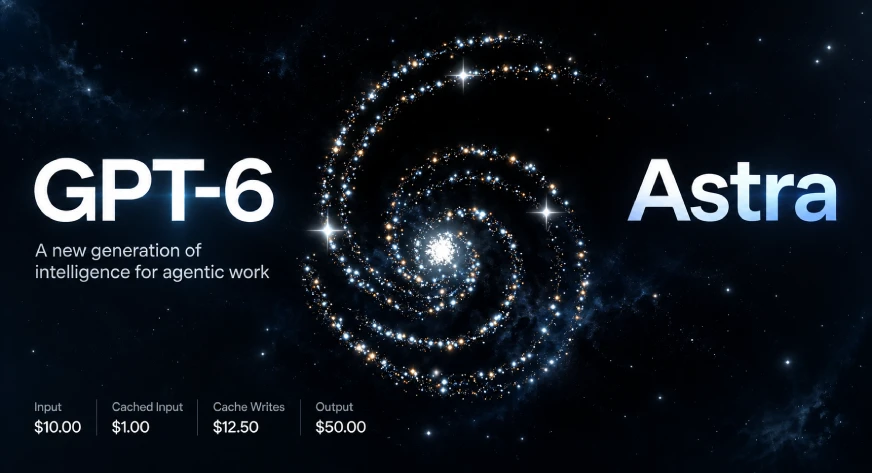
OpenAI's GPT-6 Astra Does More Than Just Answer Questions
OpenAI's GPT-6 Astra arrives barely a week after Anthropic's Claude Fable 5.1, yet its claim is bolder than a release date. OpenAI calls it the world's most intelligent and aligned model, but the real shift is simpler: Astra is built to do more, not just answer more. That distinction matters if you're tired of tools that talk well but act limited. For deeper context on how models handle real-world tasks, our piece on computer vision deployments pairs well here.

Explore how OpenAI's Astra redefines speed and safety in browser use
OpenAI says Astra marks "a new frontier on computer and browser use," promising speed, accuracy, and safety. That is a bold claim, especially given how much trust we place in AI handling everyday tasks. The potential is real, but so is the skepticism. We have covered similar ground in our exploration of real-world computer vision, where deployment challenges often temper the hype. Astra deserves attention, but we should watch how it performs beyond the demo.

GPT-6 Astra arrives, marking a new chapter in how we work with data
The rumors were true, all of them, and then some. OpenAI has released GPT-6 Astra, a frontier model the company believes marks the onset of the AGI era. For enterprises, the immediate shift is concrete: Astra operates computers the way people do, navigating browsers, spreadsheets, and applications to execute multistep workflows. This moves us beyond prompting AI to supervising it, delegating complex work while humans direct at a higher level. Explore what delegation means when agents handle the work between your objectives and the outcome.

Microsoft AI's new speech model delivers speed and accuracy at ten cents per hour
Microsoft just cut the price of speech recognition to a dime. MAI-Transcribe-2 transcribes 60 languages with speaker diarization, timestamps, and code switching built into that rate, roughly 72% cheaper than its predecessor. That is not a feature drop; it is a message to every enterprise paying for transcription today. When the model is faster than the frontier labs and cheaper than the specialists, the question stops being whether to switch. It becomes how quickly your workflows can move.
Let your spreadsheet define done before your data makes the choice.
Most of us assume our AI agent knows what we want. It does not. It will happily define success for you, often in ways you never intended. We build these systems to be efficient, yet we skip the one step that matters: clarity. If you are tired of guessing why your agent made a call, you will find this exploration of unspoken assumptions essential. It is a practical look at a problem we all share.

Why Embeddings Outperform Classical Spell-Check on Noisy Data
Three sources of noisy text plague enterprise RAG: user typos, transcription slips, and OCR character errors. Classical spell-check catches only the first, leaving embeddings to absorb the rest. That gap matters more than most teams realize, because retrieval quality hinges on how well your system tolerates imperfection. This piece breaks down the problem clearly, and it pairs well with our guide on paragraph structure and token space. Both explore how LLMs actually process the messiness we feed them.

Choose Your Coding Agent: A Practical Guide to Claude and Codex
Choosing the right coding agent can feel like navigating a maze, especially when both Claude Code and Codex promise to streamline your workflow. This guide cuts through the noise, offering a clear breakdown of where each tool shines. It's a practical read for anyone tired of guessing which assistant fits which task. I appreciate how it prioritizes real-world application over hype.

Choose the right tool first, not just the AI default
Retrieval answers one kind of question, but it is not the whole toolkit. Classifying a request, matching free text to a reference list, or cleaning OCR noise each has a cheaper, more direct method. The real engineering is knowing which tool to reach for. That practical focus makes this a useful read for anyone feeling stuck in RAG's limitations. For a deeper look at how LLMs handle structure, explore our related piece on paragraph and token space.
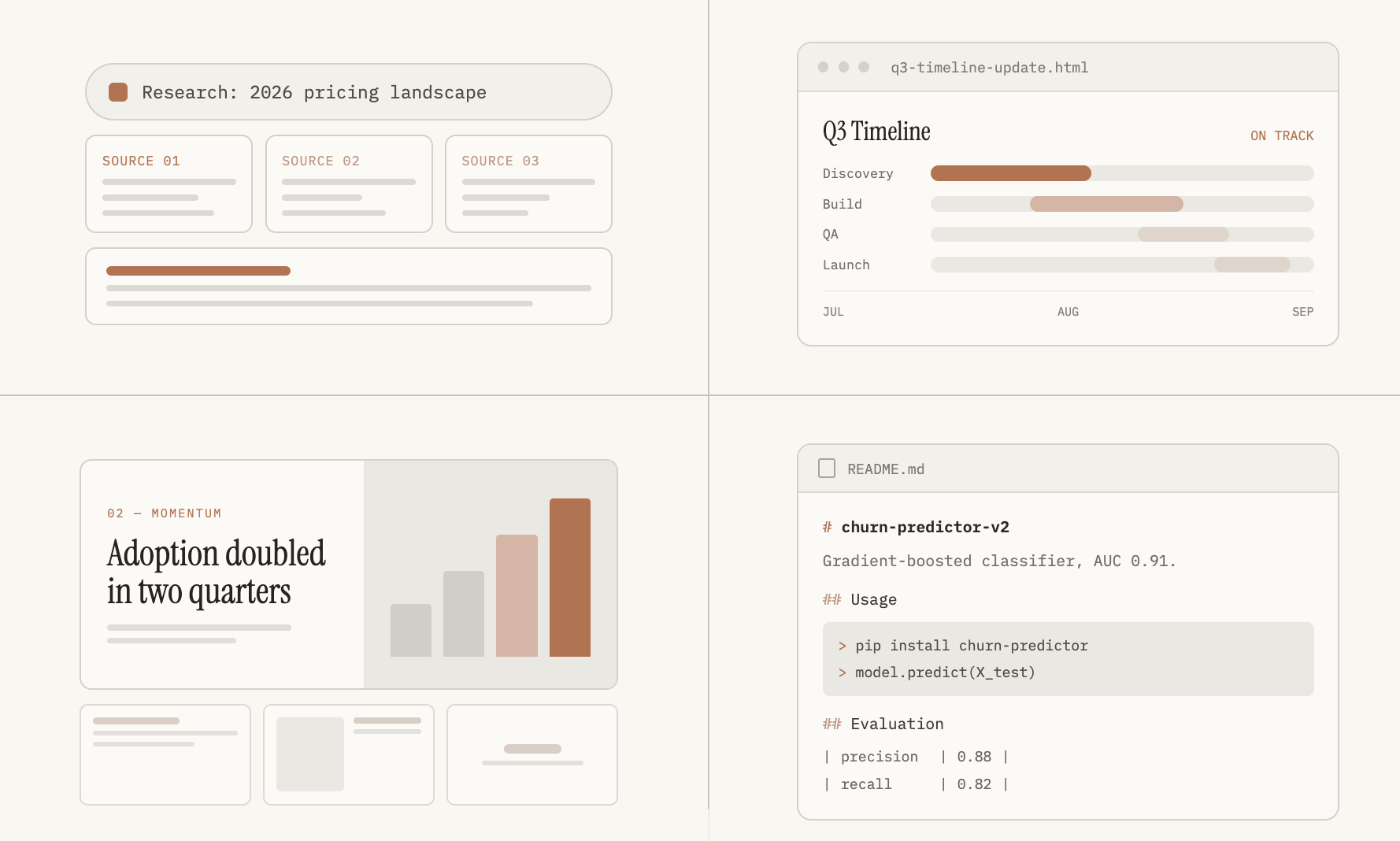
Four data skills to future-proof your workflow in 2026
Spreadsheets have taught us to wrestle with data. Claude skills, on the other hand, are built to help you stop wrestling and start working. This guide breaks down four practical additions to your workflow that keep you ahead of the curve without the hype. It is a grounded, useful read for anyone who wants to stay relevant. If you are also brushing up on the infrastructure side, our guide to distributed algorithms is a solid companion piece.

QueryStory secures $6M to make AI queries coherent and trustworthy
QueryStory is betting that the gap between what an AI says and what it means can be closed with the right guardrails. The startup emerged from stealth with $6 million in seed funding, pairing LLMs with cybersecurity expertise to make AI queries more coherent. That focus on trust feels timely, especially if you have been following our piece on questioning AI clones. We are watching closely to see if their approach turns skepticism into a feature, not a flaw.

Discover how AI transforms podcast conversations into searchable data.
Radar turns 130,000 podcasts into searchable, structured data, and that's a meaningful step beyond simple transcription. Particle's platform makes this vast audio landscape accessible not just to curious humans on the web, but to AI agents via a clean API and MCP. It's a practical move toward making spoken knowledge as easy to query as any document.
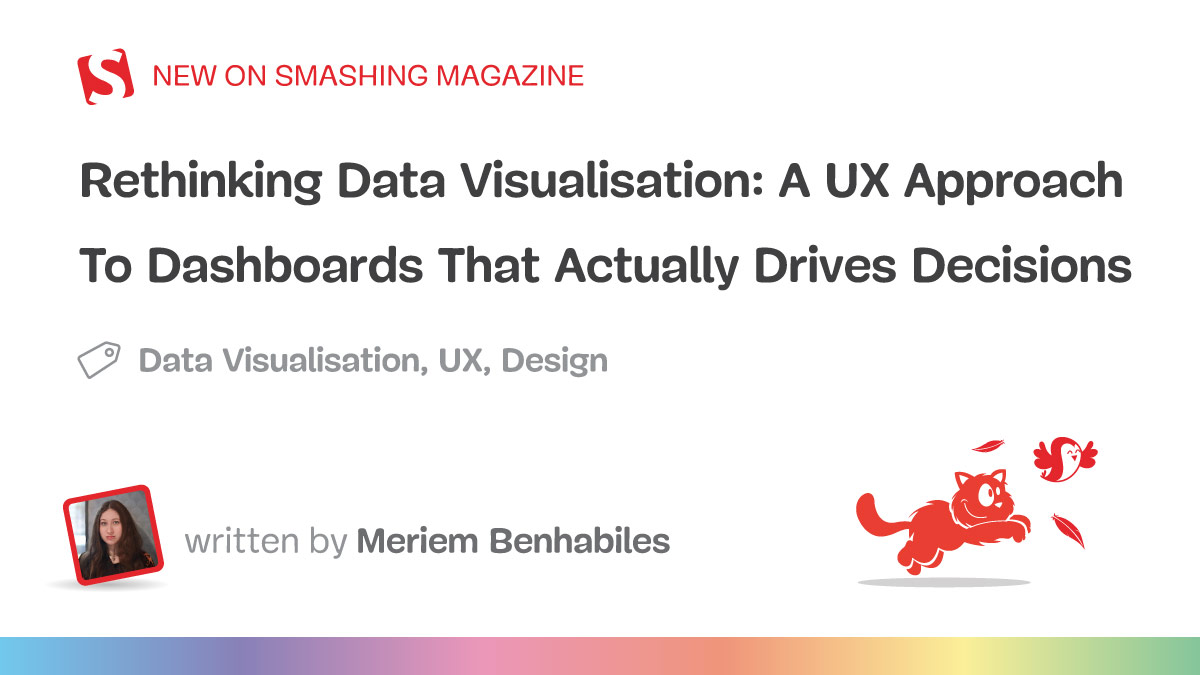
Where Data Meets Design to Make Decisions That Stick
Most dashboards look beautiful and still fail the only test that matters: do they change what someone does next? Meriem Benhabiles argues that data visualisation only works when structured UX thinking shapes it, from the questions asked before opening a tool to the choices that help an insight land. That is a refreshingly practical stance. It pairs well with our coverage of how AI voice transparency and clean data practices shape user trust, so exploring those pieces deepens the picture.

Claude now remembers your preferences across every conversation
Claude Cowork no longer makes you repeat yourself. Anthropic is rolling out shared memory across chat and Cowork, so the context you provide in one place carries into the other. That means less time re-explaining project details and more time letting the work flow. It is a practical step toward tools that actually listen. For more on where AI interactions can get complicated, our piece "Talking to My AI Clone Taught Me to Question the Tech" offers a useful counterpoint.